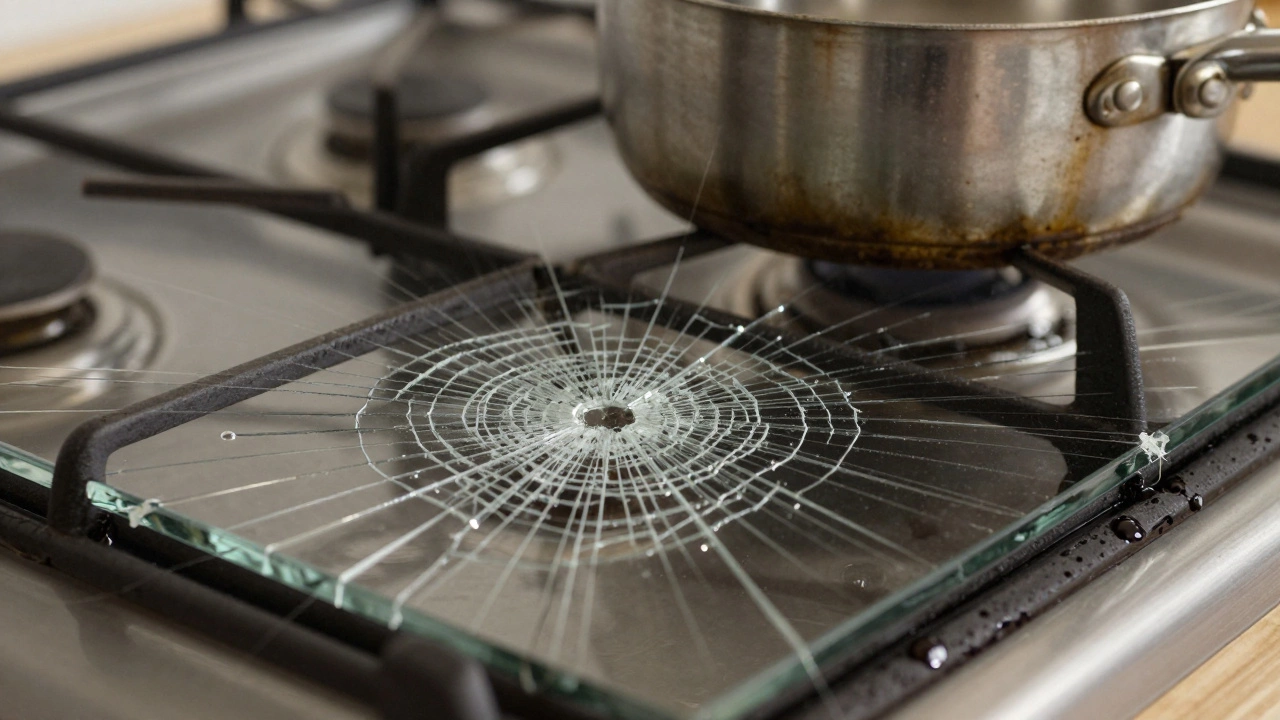
Cracked glass hobs can't be safely repaired-here's why DIY fixes fail, when replacement is necessary, and how to handle it safely. Learn the real risks and what to do next.

When your ceramic hob, a smooth, glass-like cooking surface commonly found on modern electric ranges. Also known as glass cooktop, it provides even heat and easy cleaning—but it’s also prone to cracks, electrical faults, and sensor failures. A broken ceramic hob doesn’t mean you need a whole new kitchen. Most issues can be fixed quickly and affordably, especially in Nuneaton where local technicians see these problems every day.
The biggest culprit? cracked ceramic hob, a visible break in the glass surface caused by impact, thermal shock, or poor installation. You might drop a heavy pot, leave a cold pan on a hot zone, or even have a manufacturing flaw. Cracks aren’t just ugly—they’re dangerous. Moisture and grease can seep in, causing short circuits or even fire risks. If you see a crack, stop using that zone immediately. Many people try to patch it with glue, but that’s a trap. Only a certified repair tech can safely replace the glass panel or the entire heating element underneath.
Another frequent problem is when the hob element, the hidden heating coil that generates heat under the glass. stops working. The surface might look fine, but one ring won’t turn on. This usually means the element itself has burned out, or the control board isn’t sending power. It’s not always the board—most of the time, it’s just the element. Replacing it costs less than £100 and takes under an hour. Don’t assume it’s a wiring issue unless you’ve ruled out the simpler fixes. A multimeter test by a pro can confirm it in minutes.
Then there’s the frustrating case where the hob shows power but won’t heat. Often, it’s a faulty temperature sensor, a small probe that tells the hob when to turn off to prevent overheating. If it’s broken, the hob thinks it’s too hot and shuts down—even when it’s cold. This can look like a power failure, but resetting the circuit breaker won’t help. The sensor needs replacing, and it’s a common fix for brands like Indesit, Hotpoint, and Bosch.
Some people think ceramic hobs last forever because they look so solid. But they don’t. Most last 8 to 12 years before components start failing. If yours is older and you’re spending more on repairs than a new unit costs, it’s time to think about replacement. But if it’s under 10 years old? Chances are, a £50 part and an hour of work will get it running again.
You’ll find plenty of DIY videos online claiming to fix ceramic hobs with tape or epoxy. Skip them. These fixes rarely last and often make the problem worse—especially if water gets inside. Real ceramic hob repair means replacing the right part with the right tools, knowing how to disconnect power safely, and understanding the wiring layout. That’s why local Nuneaton technicians are so valuable. They’ve seen every kind of damage, from a dropped pan to a child playing with the controls.
Below, you’ll find real repair stories, cost breakdowns, and step-by-step guides from people who’ve been there. Whether you’re dealing with a flickering indicator light, a zone that won’t turn on, or a spiderweb crack across the surface, there’s a solution here that fits your situation. No fluff. Just what actually works.
Cracked glass hobs can't be safely repaired-here's why DIY fixes fail, when replacement is necessary, and how to handle it safely. Learn the real risks and what to do next.