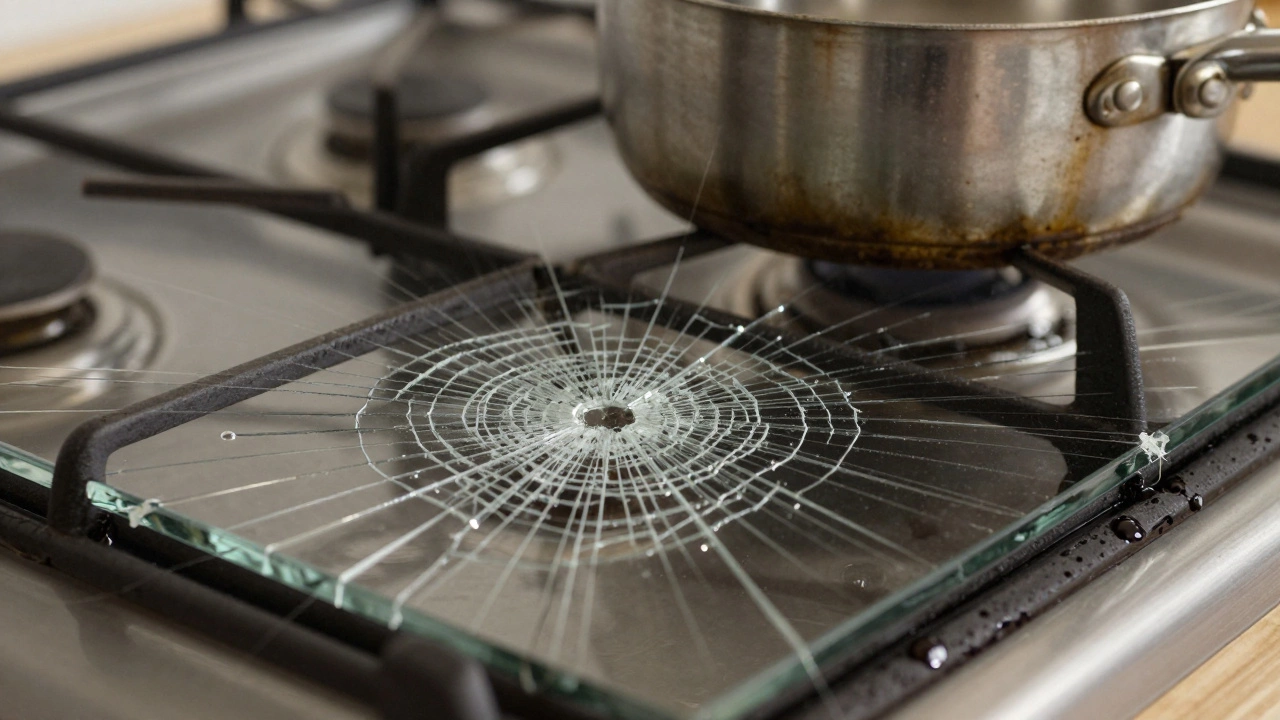
Cracked glass hobs can't be safely repaired-here's why DIY fixes fail, when replacement is necessary, and how to handle it safely. Learn the real risks and what to do next.

When your glass hob, a smooth, easy-to-clean cooking surface made of tempered glass used in modern kitchens. Also known as a glass cooktop, it provides even heat and a sleek look—but it’s also prone to cracks, scratches, and electrical faults. Unlike old coil stoves, a broken glass hob doesn’t just stop working—it can become unsafe. A hairline crack might look small, but it can spread fast with heat and pressure. And if the heating element fails, you’re left with cold burners and a pile of uncooked meals.
Most glass hob repairs, fixes that address physical damage, electrical faults, or control panel failures on glass cooktops aren’t about replacing the whole unit. Often, it’s just the hob element, the heating coil hidden under the glass that transfers heat to your pots that’s gone bad. Or maybe the touch controls stopped responding after a spill. Sometimes, a cracked surface isn’t even the main problem—it’s the underlying wiring or thermostat failing. Many people panic and buy a new hob when a £50 part and an hour’s work could fix it. But if the glass is shattered, or the circuit board is fried, replacement is the only safe option.
Don’t try to glue a cracked glass hob. That’s a myth. Even the strongest adhesives can’t handle the thermal stress of cooking. A cracked surface isn’t just ugly—it’s a shock risk. If your hob heats unevenly, sparks when you turn it on, or shows error codes like E1 or E5, those are signs of deeper electrical issues. You might think it’s just a sensor, but it could be the main control board. Most DIY fixes stop at cleaning the contacts or resetting the power. Real repairs need a multimeter, the right replacement parts, and knowledge of how the glass layer sits over the heating elements.
That’s why so many people in Nuneaton call in a local technician. You don’t need to guess if your hob is worth fixing. We’ve seen hundreds of them—some 15 years old still working fine with a new element, others damaged beyond repair after one dropped pan. The key is knowing what’s broken before you spend money. Below, you’ll find real repair stories from people who faced the same problem: cracked surfaces, dead zones on the cooktop, touch controls that don’t respond, and mysterious power cuts. Some saved £500 by fixing it themselves. Others avoided a fire by calling in help. The right fix isn’t always the cheapest—it’s the one that keeps your kitchen safe.
Cracked glass hobs can't be safely repaired-here's why DIY fixes fail, when replacement is necessary, and how to handle it safely. Learn the real risks and what to do next.