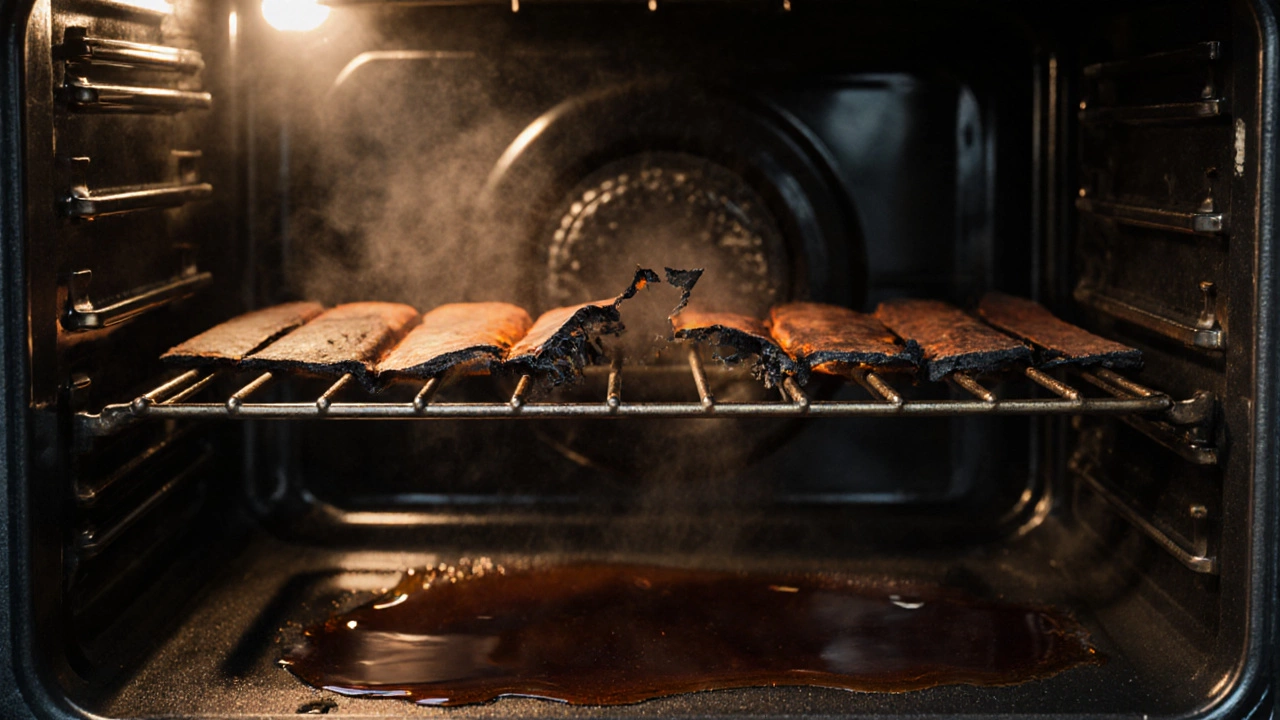
A broken oven heating element makes your oven unsafe to use-even if other parts still work. Learn why you shouldn't risk it, how to confirm the damage, and what to do next.

When it comes to home appliances, oven safety, the set of practices and precautions that prevent fires, gas leaks, and electrical hazards in kitchen ovens. Also known as kitchen appliance safety, it's not just about not touching a hot door—it's about understanding what can go wrong before it turns dangerous. A faulty oven isn't just inconvenient; it’s a real fire risk. In the UK, over 2,000 house fires each year start from cooking appliances, and ovens are among the top culprits. Most of these aren’t caused by user error alone—they’re the result of worn-out wiring, gas leaks, or ignored warning signs like strange smells or uneven heating.
Gas oven safety, the specific precautions needed when using ovens powered by natural gas or propane. Also known as gas appliance safety, it requires different attention than electric models. If you smell gas—like rotten eggs—when your oven is off, that’s not normal. It could mean a cracked valve, loose connection, or failing seal. These aren’t DIY fixes. A gas leak can build up silently and ignite with a spark from a light switch or even a phone. Electric ovens have their own risks: frayed wires, overheating elements, or blocked vents can cause the unit to overheat and trigger a fire. Both types need regular checks, especially if your oven is over 10 years old. You don’t need to service it yourself, but you should know when to call a pro.
Oven repair, the process of diagnosing and fixing faults in ovens to restore safe, reliable operation. Also known as appliance repair, it’s not just about getting your oven working again—it’s about making sure it won’t fail again in a dangerous way. Many people delay repairs because they think it’s cheaper to keep using a broken oven. But a cracked heating element, a faulty thermostat, or a worn-out door seal can turn a small fix into a major hazard. A thermostat that reads wrong can overheat food, scorch the interior, or even start a fire. Grease buildup in the oven cavity isn’t just hard to clean—it’s flammable. And if your oven’s fan stops working, heat doesn’t circulate properly, which strains the whole system. The posts below cover real cases: how a 15-year-old oven became a fire risk, why resetting a faulty element is a bad idea, and what to do when your oven smells like burning plastic. These aren’t hypotheticals—they’re stories from homes just like yours.
What you’ll find here isn’t a list of generic tips. It’s a collection of practical, real-world insights from people who’ve dealt with oven problems firsthand. Whether you’re wondering if your old oven is still safe, how to spot early warning signs, or whether it’s better to fix or replace, the answers are in these posts. No fluff. Just what you need to keep your kitchen safe and your oven running right.
A broken oven heating element makes your oven unsafe to use-even if other parts still work. Learn why you shouldn't risk it, how to confirm the damage, and what to do next.