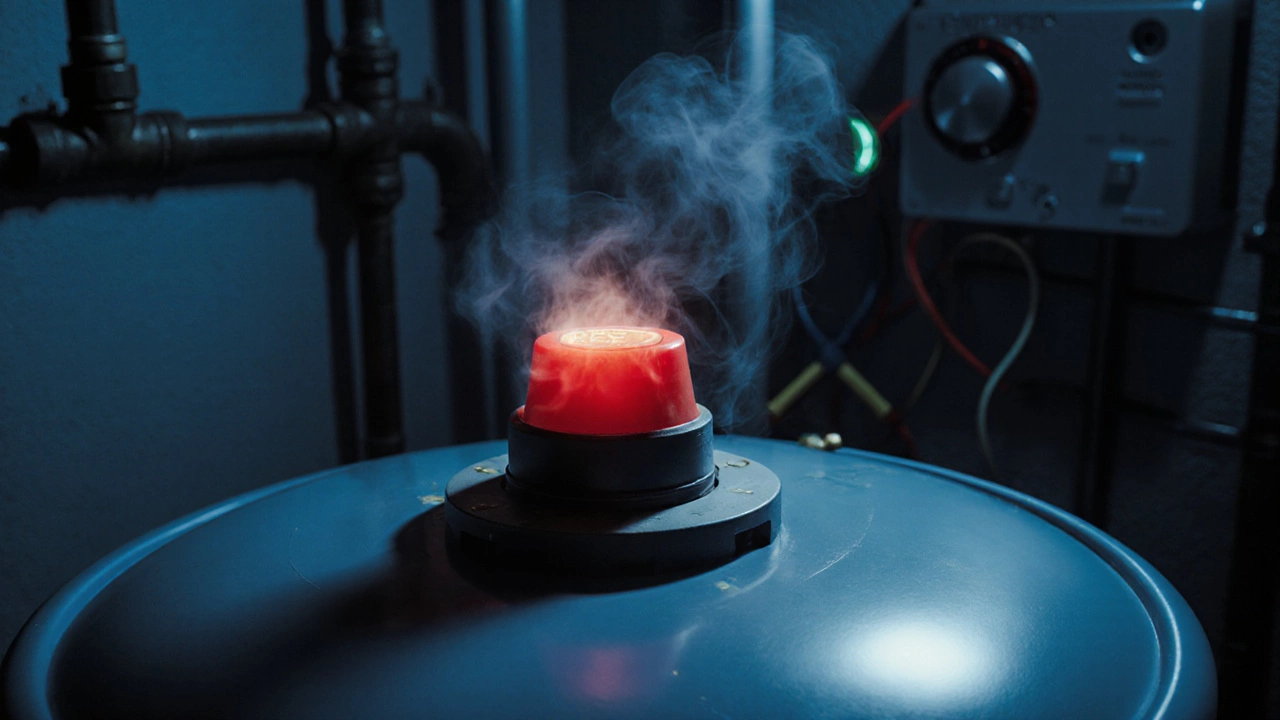
Pressing the reset button on your water heater might bring back hot water-but only temporarily. Learn when it's safe to reset, why it trips, and how to fix the real problem before it becomes a costly repair.

When your water heater, a home appliance that heats and stores water for showers, sinks, and appliances. Also known as a hot water tank, it’s one of the most taken-for-granted systems in your house—until it fails. A broken water heater means no hot showers, but a dangerous one? That can mean flooding, gas leaks, or even an explosion. Most people don’t think about water heater safety until something goes wrong—and by then, it’s often too late.
Water heater safety starts with understanding what can go wrong. The most common cause of failure? A thermostat malfunction, a control that regulates water temperature. If it sticks, your water can keep heating past safe levels—sometimes over 200°F. That’s not just scalding risk; it’s pressure buildup. Tank water heaters are sealed systems. Too much heat means too much pressure, and that’s when the safety valve kicks in—or, if it’s rusted or blocked, the tank bursts. You don’t need a professional to check this. Just lift the lever on the pressure relief valve once a year. If water flows, it’s working. If nothing happens, get it replaced.
Then there’s water heater maintenance, regular tasks that prevent buildup, corrosion, and component failure. Sediment from hard water sinks to the bottom and acts like insulation. Your heater burns more energy to heat the same water, and the bottom element burns out faster. Draining a few gallons every six months cuts repair costs and doubles your tank’s life. And don’t ignore the anode rod—it’s the sacrificial metal that eats corrosion so your tank doesn’t have to. Most last 3–5 years. Check it, replace it, and you’ll avoid a rusty leak in the middle of winter.
Gas water heaters add another layer. A pilot light that won’t stay lit? That’s not just inconvenient—it could mean a gas leak. If you smell gas, leave immediately and call your utility company. Electric models aren’t risk-free either. Faulty wiring or a grounded element can electrify the water. That’s why grounding and GFCI protection matter. If your water heater is over 10 years old and you’ve never had it inspected, you’re playing Russian roulette with your home’s plumbing.
And here’s the thing most guides won’t tell you: water heater safety isn’t just about the unit. It’s about what’s around it. Is it installed on a concrete pad? Is there a drain pan underneath? Is the area dry and ventilated? A water heater sitting on a wooden floor with no drip pan is a waiting disaster. Even small leaks from a corroded fitting can rot your subfloor over months—hidden, until it’s too late.
What you’ll find below isn’t a list of fixes. It’s a collection of real stories from people who ignored the warning signs—and those who caught them early. You’ll see how a simple thermostat check saved someone $2,000. How a drained tank prevented a basement flood. How a 12-year-old heater finally gave out… but not before everyone knew what to do next. These aren’t theory pieces. These are lessons from the field, written by people who’ve been there. Whether you’re wondering if your heater’s still safe, or you’ve noticed a strange noise or smell, you’ll find the answers here—no jargon, no fluff, just what works.
Pressing the reset button on your water heater might bring back hot water-but only temporarily. Learn when it's safe to reset, why it trips, and how to fix the real problem before it becomes a costly repair.