- 23 Mar 2026
- Gideon Thornton
- 0
Water Heater Diagnostic Tool
Check Your Water Heater
Answer these questions to identify potential issues with your water heater. Based on your symptoms, we'll recommend the most likely cause and necessary maintenance.
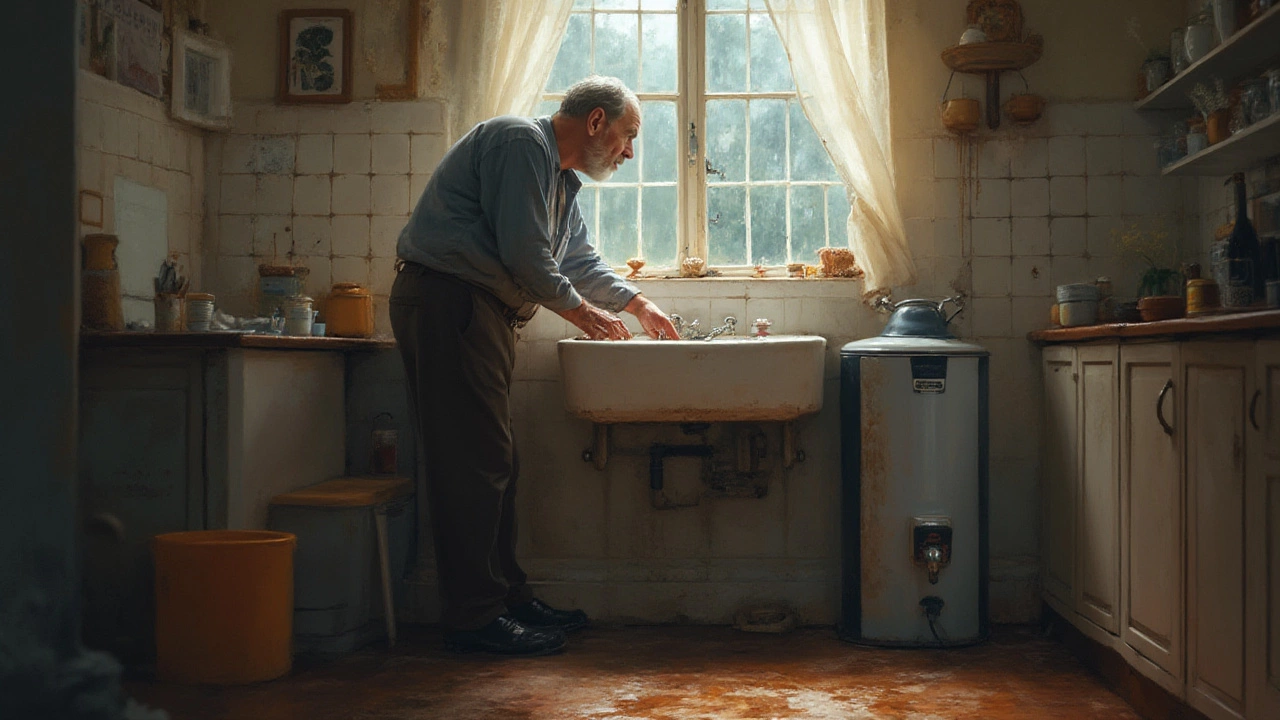
Water heaters don’t last forever. Most homes have one, and most of them will break down at some point. You’ll notice it when the hot water runs out too fast, when you hear strange noises, or worse - when you walk into the basement and find a puddle under the tank. But what’s actually failing? It’s not random. There are a few parts that break over and over again, and if you know what they are, you can catch problems before they flood your floor.
The Anode Rod - The First Line of Defense
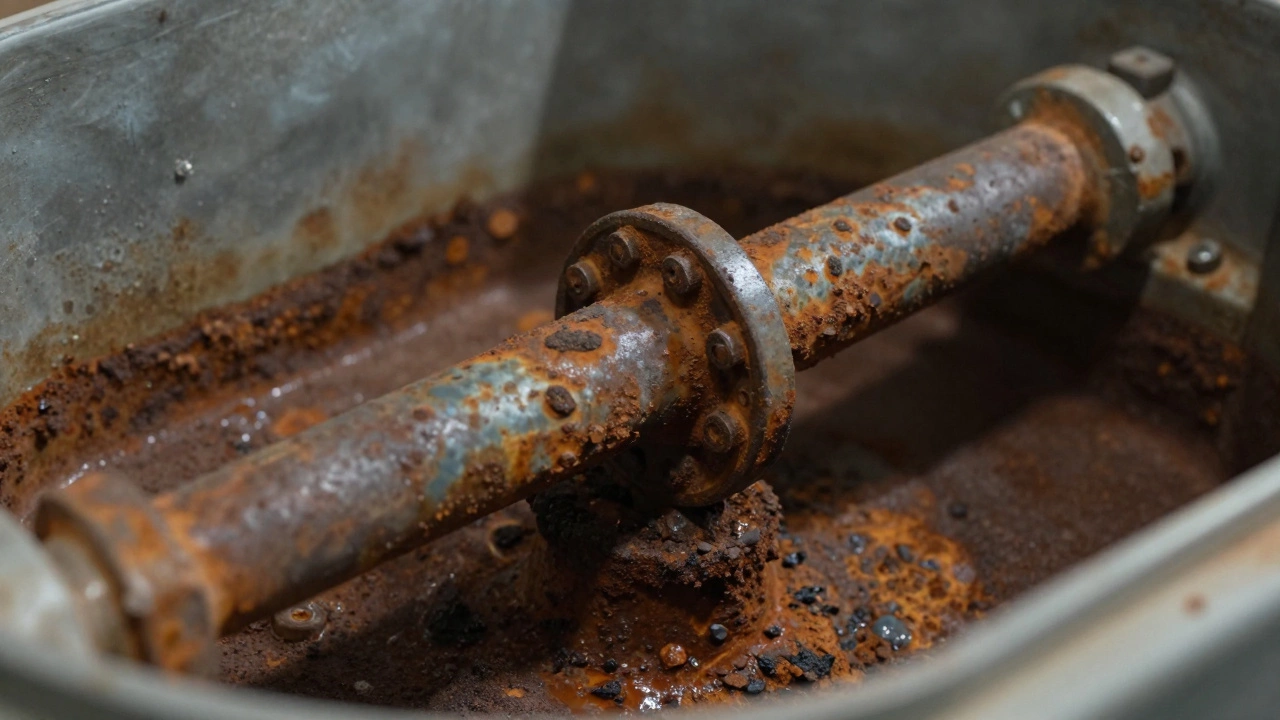
The anode rod is the unsung hero of your water heater. It’s a long metal stick, usually made of magnesium, aluminum, or zinc, that hangs inside the tank. Its job? To corrode instead of the tank itself. It’s sacrificial. Every time minerals and oxygen in the water try to rust the steel tank, the anode rod takes the hit.
Most homeowners never check it. And that’s the problem. By the time the rod is gone, the tank starts rusting from the inside. A typical rod lasts 3 to 5 years. In hard water areas, it can be gone in 2 years. If your water heater is older than 5 years and you’ve never replaced the rod, you’re playing Russian roulette with your basement.
Signs the anode rod is done: rusty-smelling water, dark streaks in the hot water, or a rotten egg smell (that’s hydrogen sulfide gas from sulfur bacteria feeding on the dead rod). Replacing it costs under $20 and takes an hour. Do it every 3 years. It’s the cheapest way to double your heater’s life.
The Heating Element - The Heart of Electric Models
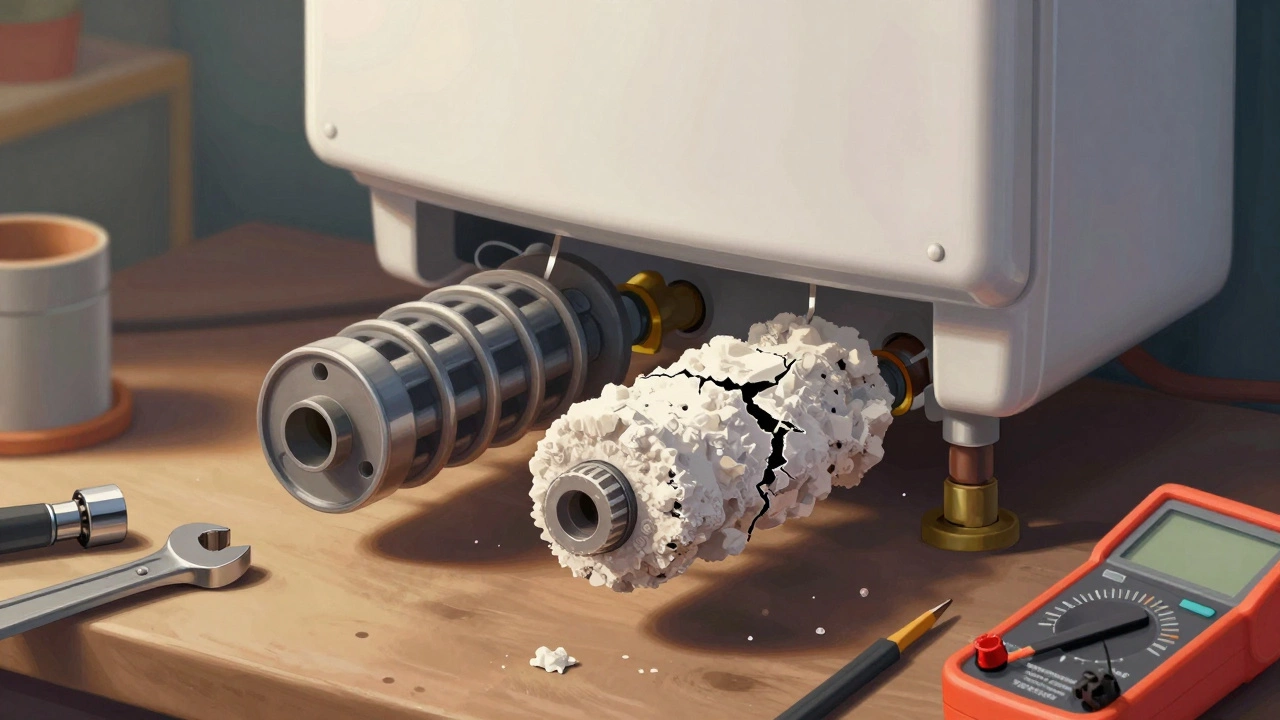
If you have an electric water heater, it has one or two heating elements. These are the metal coils that heat the water. They’re simple, but they don’t last. Mineral buildup from hard water coats them like a blanket. That forces them to work harder, overheat, and eventually burn out.
When an element fails, you get lukewarm water. Not cold - just not hot enough. People often think the whole heater is broken. But sometimes, only one element is dead. A dual-element heater can still give you warm water with one working element - just not enough for a full shower.
Testing them is easy. Turn off the power. Drain the tank a little. Pull out the element with a socket wrench. Look for cracks, pitting, or white mineral crust. A multimeter can confirm if it’s dead. Replacing one costs $20 to $40. Most DIYers do it in under an hour. If both elements go at once, your water pressure might be too high, or your thermostat is stuck on.
The Thermostat - The Brain That Gets Confused
Thermostats control temperature. On electric heaters, there are usually two - one for the top element, one for the bottom. On gas heaters, it’s a single gas valve with a sensor. They’re not meant to last forever. Over time, they drift. They think the water is hotter than it is. Or colder.
Signs of a bad thermostat: water that’s too hot (scalding), water that’s never hot enough, or temperature swings between showers. You might hear clicking noises from the control panel - that’s the thermostat cycling on and off.
Gas thermostats can be replaced as a unit. Electric ones are often wired into the control box. If you’re not comfortable with wiring, call a pro. But if you are, you can swap it out for $50 to $80. Always turn off power before touching anything. A faulty thermostat is rarely the first thing to break - it’s usually a side effect of mineral buildup or aging elements.
The Pressure Relief Valve - The Safety Net That Gets Ignored
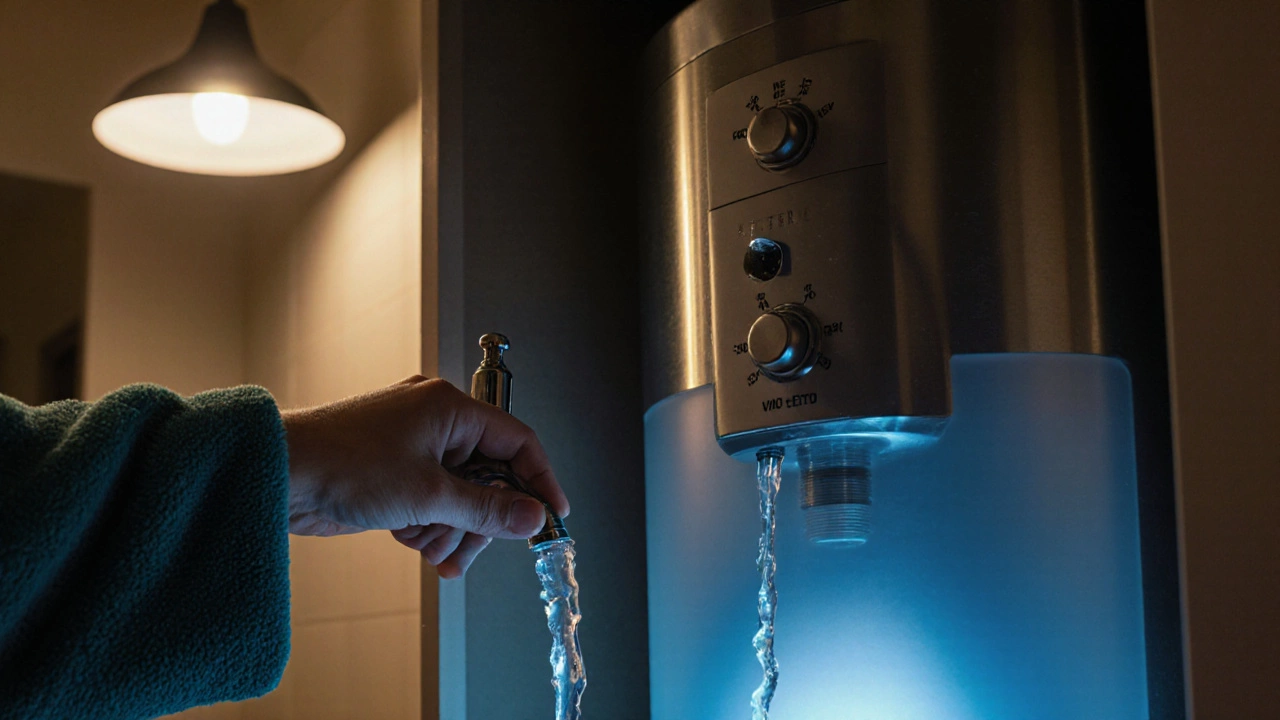
This is the little pipe sticking out the top of your water heater, usually with a drain line going to the floor. It’s not decorative. It’s a safety device. If pressure builds up too high - from overheating or a blocked outlet - this valve opens to release steam and water. It should never leak. If it does, something’s wrong.
Many people just ignore a dripping relief valve. They think it’s normal. It’s not. A constant drip means the valve is either clogged, worn out, or the water pressure in your home is too high. Test it once a year. Lift the lever. Water should rush out. If it doesn’t, or if it keeps leaking after you let go, replace it. A new one costs $15. Not replacing it risks a tank explosion. Yes, that’s real. There are reports every year of water heaters rupturing because this valve was ignored.
The Tank Itself - The Final Failure
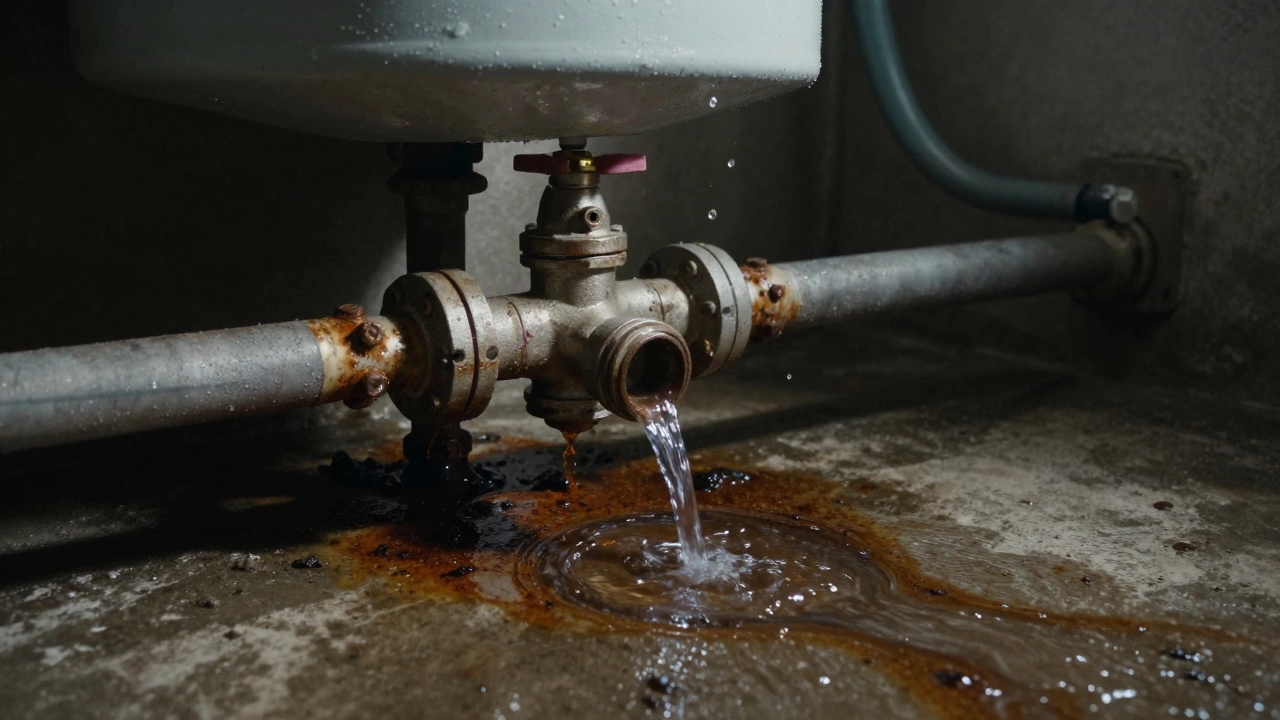
Eventually, the tank rusts. No matter how well you maintain it, steel doesn’t last forever. Corrosion eats through the metal from the inside. Once it starts, there’s no fixing it. You’ll notice small leaks around the base, rust stains on the floor, or water pooling under the unit. The tank is done.
Most water heaters last 8 to 12 years. If yours is older than 10 and you’re seeing leaks, it’s not worth repairing. Replacing the anode rod or elements won’t help. The tank is compromised. A new tankless unit might cost more upfront, but it lasts 20 years and saves energy. A traditional tank replacement costs $800 to $1,500 installed. Don’t wait until it bursts. That’s when the real damage - to your floor, walls, and belongings - happens.
Mineral Buildup - The Silent Killer
Hard water is the hidden enemy. It’s water with high levels of calcium and magnesium. These minerals don’t dissolve. They settle. Over time, they build up as sediment at the bottom of the tank. That layer acts like insulation. The heating elements have to work harder. The tank overheats. The anode rod burns faster. The thermostat gets confused.
Flushing your tank once a year removes this sludge. It’s simple: turn off the power, shut the cold water inlet, attach a hose to the drain valve, and let it run into a bucket or drain. You’ll see brown, gritty water come out. That’s the sediment. Do this for 5 to 10 minutes. If your water runs clear, you’re good. If not, do it again next year.
People skip this because it’s messy. But skipping it is what kills heaters. A tank with heavy sediment can lose 30% of its efficiency. That’s extra money on your electric bill every month. It also shortens the life of the heating elements and the tank.
What to Do When Your Water Heater Fails
Here’s the quick checklist when things go wrong:
- Check for leaks - start with the pressure relief valve and drain valve
- Test the water temperature - too hot or too cold? That points to thermostat or elements
- Smell the water - rotten egg odor? Likely a dead anode rod
- Listen for popping or rumbling - that’s sediment buildup
- Look at the age - if it’s over 10 years, replacement is smarter than repair
If you’re unsure, turn off the power and water supply. Don’t try to fix it if you’re not confident. Water and electricity are dangerous together. A licensed plumber can diagnose it in 15 minutes. But knowing what to look for helps you avoid being overcharged.
Prevention Is Cheaper Than Repair
Most water heater failures are preventable. You don’t need fancy tools. Just a few minutes a year:
- Flush the tank every 12 months
- Check the anode rod every 3 years
- Test the pressure relief valve once a year
- Install a water softener if you have hard water
- Set the thermostat to 120°F (49°C) - it’s safe, efficient, and reduces mineral buildup
These steps cost almost nothing. But they can save you $1,000 or more in emergency repairs. And they keep your home dry. That’s worth more than the money.