
- 23 Apr 2026
- Gideon Thornton
- 0
Air Quality Solution Finder
What is the primary issue you are trying to solve?
Strong Smells
Cooking odors or lingering scentsHigh Humidity
Steam, damp walls, or mold riskGeneral Stuffiness
Lack of fresh air or baseline flowGas Stove/Safety
Combustion byproducts or smokeRecommended: Box Fan & Air Purifier
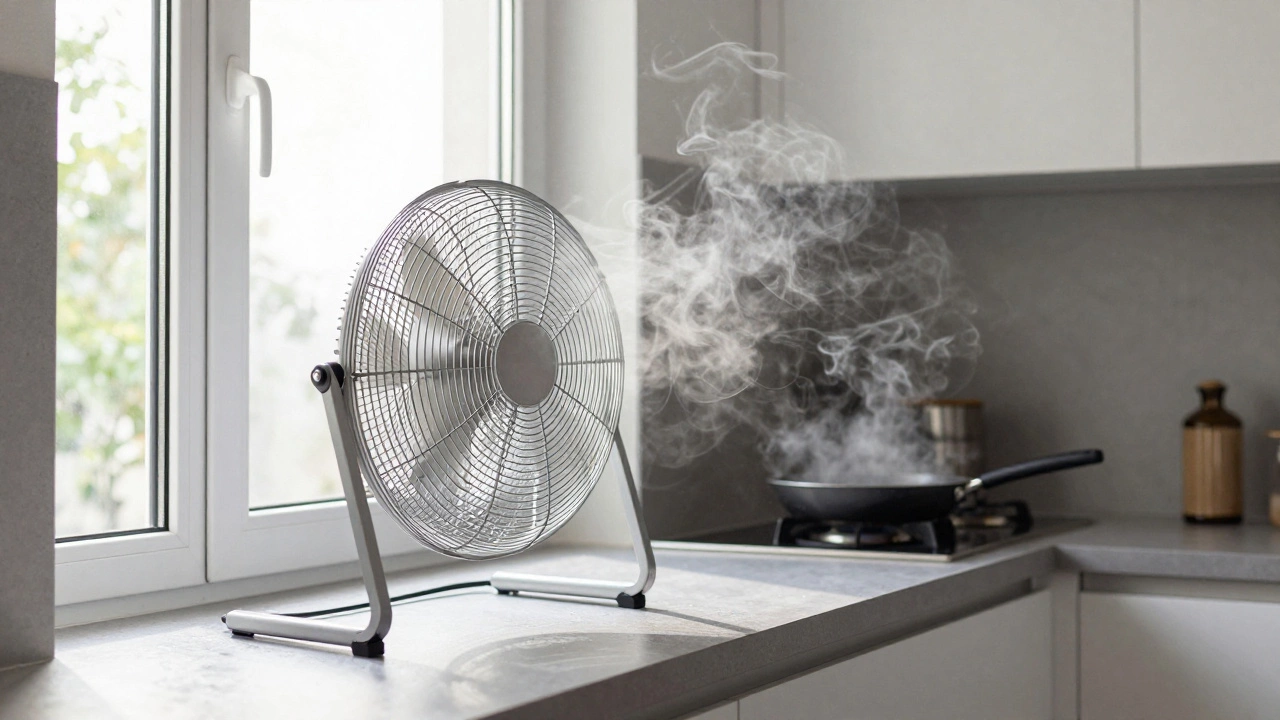
For immediate removal, place a Box Fan facing outward in a window to exhaust the smells. For long-term odor removal, use an Air Purifier with an Activated Carbon Filter to trap gas molecules.
Tip: HEPA filters alone won't stop smells; ensure the carbon filter is present.
Recommended: Dehumidifier
A compressor-based dehumidifier is the most effective alternative as it actually removes water from the air. For very small, stagnant areas, desiccant absorbers can be a low-cost secondary option.
Tip: Dehumidifiers stop mold growth better than simple fans.
Recommended: Trickle Vents
Install Trickle Vents in your window frames. These allow a constant, controlled stream of fresh air into the room, preventing condensation without causing heavy drafts.
Tip: These are best for baseline air quality, not for clearing heavy steam.
CRITICAL: Professional Repair Needed
If you have a gas stove, you must have a functioning mechanical extractor to safely remove combustion byproducts. Window ventilation is not a reliable safety substitute.
Action: Perform the "Tissue Test" to see if it's just dirty or truly broken, then call a licensed technician.
Quick Wins for Immediate Air Flow
If your fan just quit and you're in the middle of cooking, you need a fix right now. The most obvious move is the "cross-breeze" technique. Don't just open one window; open two on opposite sides of the room. This creates a pressure difference that forces old air out and pulls fresh air in. If you have a Box Fan, place it facing *outward* in a window frame. This effectively turns your window into a temporary exhaust port, sucking the steam and smells directly outside rather than just swirling them around the room. For those in smaller apartments where windows don't open wide, a simple desk fan pointed toward an open door can help push the heavy, moist air into a larger hallway where it can dissipate. It isn't as efficient as a duct system, but it stops the moisture from settling on your ceiling and causing that dreaded black mold.Dealing with Humidity and Dampness
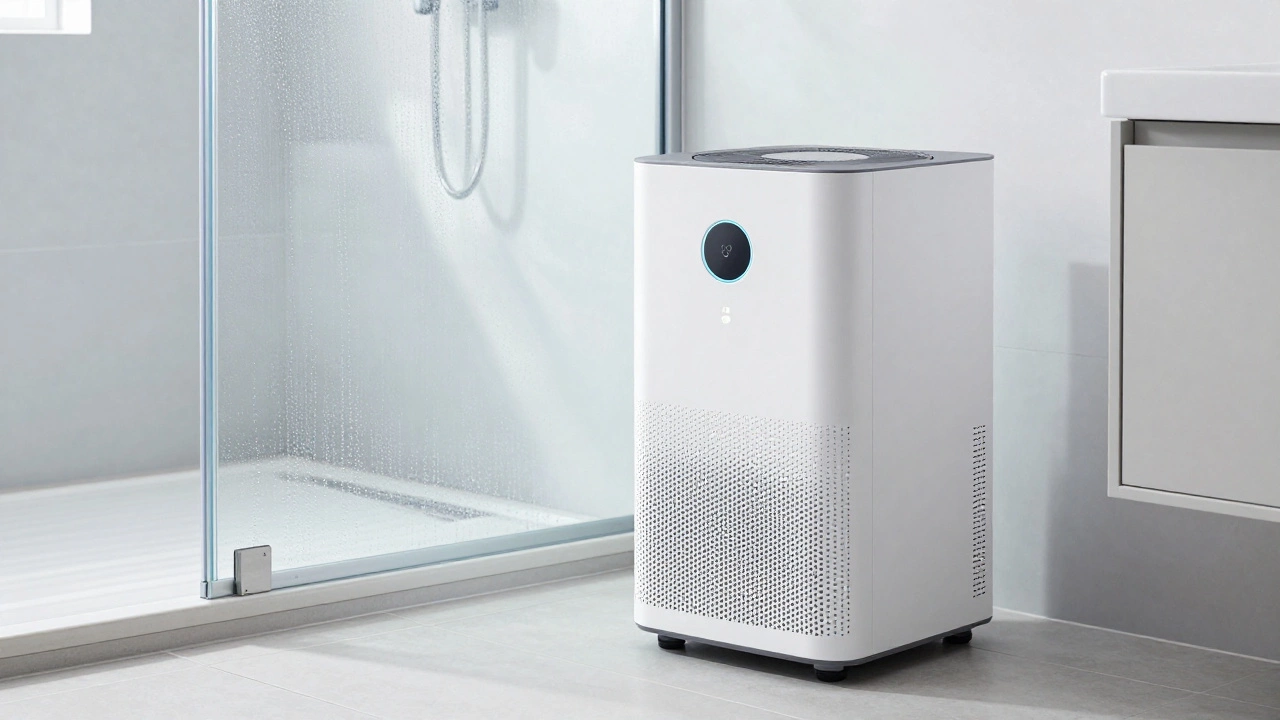
When an extractor fan fails in a bathroom, the primary enemy isn't smell-it's humidity. Excess moisture leads to peeling paint and mold growth. If you can't get a fan running, a Dehumidifier is your best bet. Unlike a fan, which moves air, a dehumidifier actually removes water from the air. A compressor-based model can pull liters of water out of a room in a single day, which is exactly what your missing fan was trying to do by pushing the wet air outside. If you're looking for something cheaper and less bulky, Desiccant absorbers (those plastic tubs with salt-like crystals) can help. They are great for small closets or corners where air doesn't move, but they won't save a bathroom after a hot shower. For a real-world comparison, see the table below to decide which tool fits your specific problem.| Alternative | Best For | Pros | Cons |
|---|---|---|---|
| Box Fan (Window) | Cooking Smells | Fast, cheap, powerful | Noisy, requires window |
| Dehumidifier | Bathroom Damp | Removes actual water | Uses electricity, bulky |
| Air Purifier | Lingering Odors | Cleans the air | Doesn't remove humidity |
| Passive Vents | Constant Airflow | No power needed | Slow, lets in cold air |
Cleaning the Air Without Venting
Sometimes the problem isn't moisture, but particles and smells. If you're avoiding an extractor fan because you don't have a vent hole in your wall, a Air Purifier with a HEPA Filter and an Activated Carbon Filter is a powerhouse. While a fan just moves smelly air from point A to point B, a carbon filter actually traps the gas molecules that cause smells. For example, if you're searing steaks and the smoke is clinging to your furniture, a purifier won't stop the smoke from forming, but it will scrub the air clean much faster than a window would. Just remember that a purifier is a *treatment* for the air, not a *replacement* for ventilation. It won't stop your windows from fogging up on a winter morning.Low-Tech and Passive Solutions
If you want a permanent solution that doesn't involve wiring and motors, look into passive ventilation. Trickle Vents are small slats installed in window frames that allow a constant, controlled stream of air to enter the room. They are incredibly effective at preventing condensation build-up in bedrooms and kitchens without creating a freezing draft. Another old-school trick is using absorbent materials. While not a replacement for a fan, placing a large, dry towel in a bathroom after a shower can soak up a surprising amount of airborne moisture before it hits the walls. Similarly, charcoal bags placed near the stove can absorb some of the organic compounds that make a kitchen smell like last night's dinner for three days.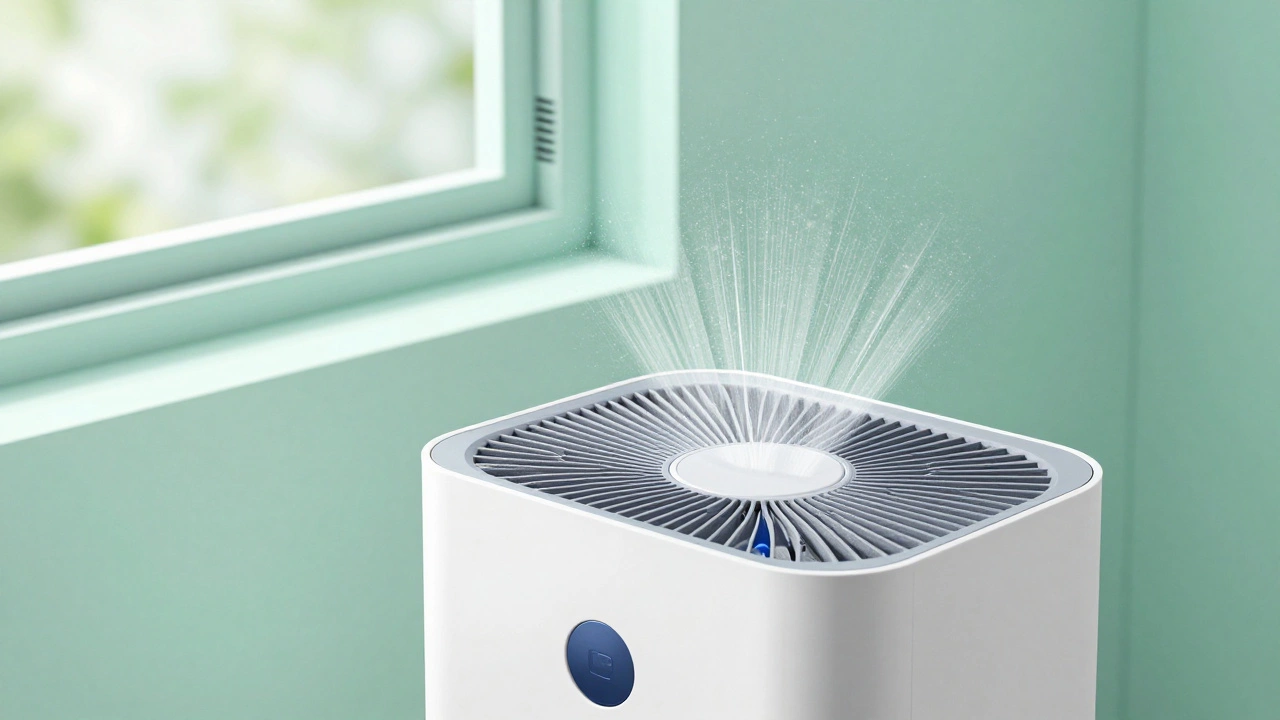
When You Absolutely Need a Professional Repair
Despite all these workarounds, some situations make a real fan non-negotiable. If you have a gas stove, you need a functioning extractor to remove combustion byproducts. Relying on a window isn't always enough if the wind is blowing the wrong way. If you notice your fan is making a grinding noise or barely moving any air, the motor might be burnt out or the Impeller could be clogged with grease. Cleaning the filters every few weeks can often "fix" a fan that seems weak. Grease buildup creates drag, making the motor work harder and move less air. If a deep clean doesn't work, it's time to call a technician. A broken fan is a liability for your home's structural health, as long-term moisture leads to dry rot in wooden joists and permanent staining on ceilings.Choosing the Right Path Forward
Choosing a replacement depends on your goal. Are you trying to stop a mold outbreak? Go for a dehumidifier. Are you trying to stop the house from smelling like garlic? Use a box fan in the window and a carbon air purifier. If you just need a bit of fresh air to keep the room from feeling stuffy, install some trickle vents. Keep in mind that these alternatives are mostly "band-aids." A properly installed and maintained extractor fan is the only way to ensure a high volume of air is swapped out quickly. If you are renting, check your lease; often, the landlord is responsible for ensuring the ventilation is up to code, meaning you shouldn't have to rely on a desk fan and a prayer to keep your bathroom dry.Can a dehumidifier completely replace a bathroom extractor fan?
In terms of moisture removal, yes, a dehumidifier is actually more efficient at pulling water out of the air. However, it doesn't remove odors or heat as quickly as a fan and requires you to manually empty a water tank. It's a great temporary fix, but it doesn't provide the active air exchange that a fan does.
Will an air purifier get rid of cooking smells?
Only if it has an activated carbon filter. A standard HEPA filter catches dust and pollen, but smells are gases, which pass right through HEPA material. Carbon filters act like a sponge for these gases, making them very effective for removing the "scent" of cooking, though they won't remove the steam or grease particles from the air.
Is it safe to use a box fan in a window instead of a built-in fan?
Yes, it is generally safe for short-term use. Just ensure the fan is secure and not leaning against a fragile screen. For the best results, point the fan facing out to exhaust the air. Be careful not to leave it unattended if the fan is old or has frayed wiring, especially near moisture.
What are trickle vents and do they really work?
Trickle vents are small, adjustable openings in the top of window frames. They allow a small amount of fresh air to leak into the room constantly. They work well for preventing condensation and maintaining a baseline of air quality, but they aren't powerful enough to clear a room of heavy smoke or steam after a shower.
How do I know if my extractor fan is actually broken or just dirty?
Try the "tissue test." Turn the fan on and hold a single square of toilet tissue against the grille. If the fan is working, the tissue should stick to the grille. If it falls off or barely clings, the fan is either clogged with grease or the motor has failed. Try cleaning the blades first before assuming it's broken.