
- 23 Jul 2026
- Gideon Thornton
- 0
Gas Oven Igniter Repair Cost Calculator (UK 2026)
Estimate your repair costs based on part prices and labor fees.
There is nothing worse than pulling a frozen dinner out of the freezer, only to realize your gas oven is dead silent. No flame. No heat. Just cold metal and disappointment. If you’ve turned the dial and heard that familiar clicking sound-or perhaps silence where there should be a click-you might be dealing with a broken igniter. But before you panic about buying a whole new appliance, let’s talk money. How much does it actually cost to fix this?
In the UK market as of mid-2026, the average cost to repair or replace a gas oven igniter sits between £150 and £350. This isn't just the price of the part; it includes the call-out fee, labor, and the mandatory safety checks required by law. However, if you are handy with tools and own a compatible spare part, you could do it for under £40. The catch? You need to know exactly what you’re doing, and whether you even *need* to replace the igniter itself.
The Real Breakdown: Parts vs. Labor
To understand the bill, you have to separate the hardware from the expertise. A gas ignition system relies on a few key components working in harmony. When one fails, the whole process stops.
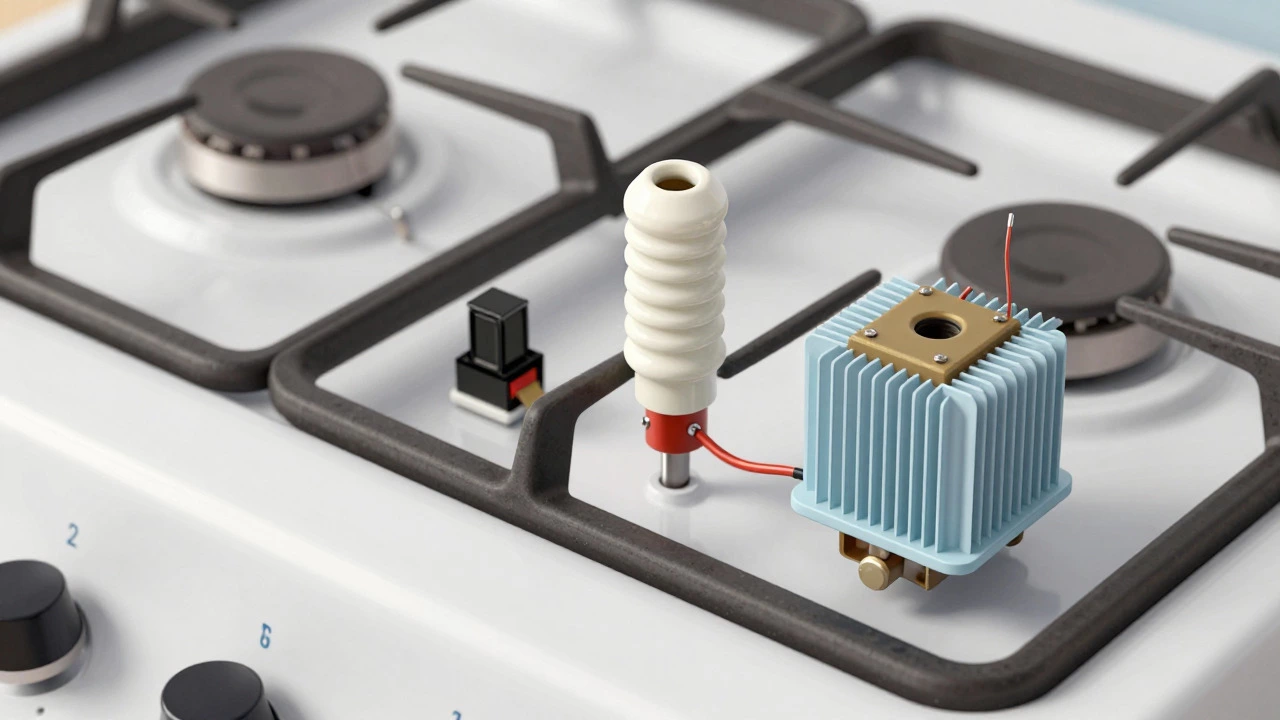
First, there is the ignition electrode (the actual spark plug). These are relatively cheap. You can find replacement electrodes for most major brands like Bosch, Siemens, or Indesit online for anywhere between £15 and £45. Then there is the spark generator module (or high-voltage transformer). This component creates the voltage needed for the spark. If this burns out, the electrode won’t matter. These modules run higher, typically £50 to £120 depending on the brand complexity.
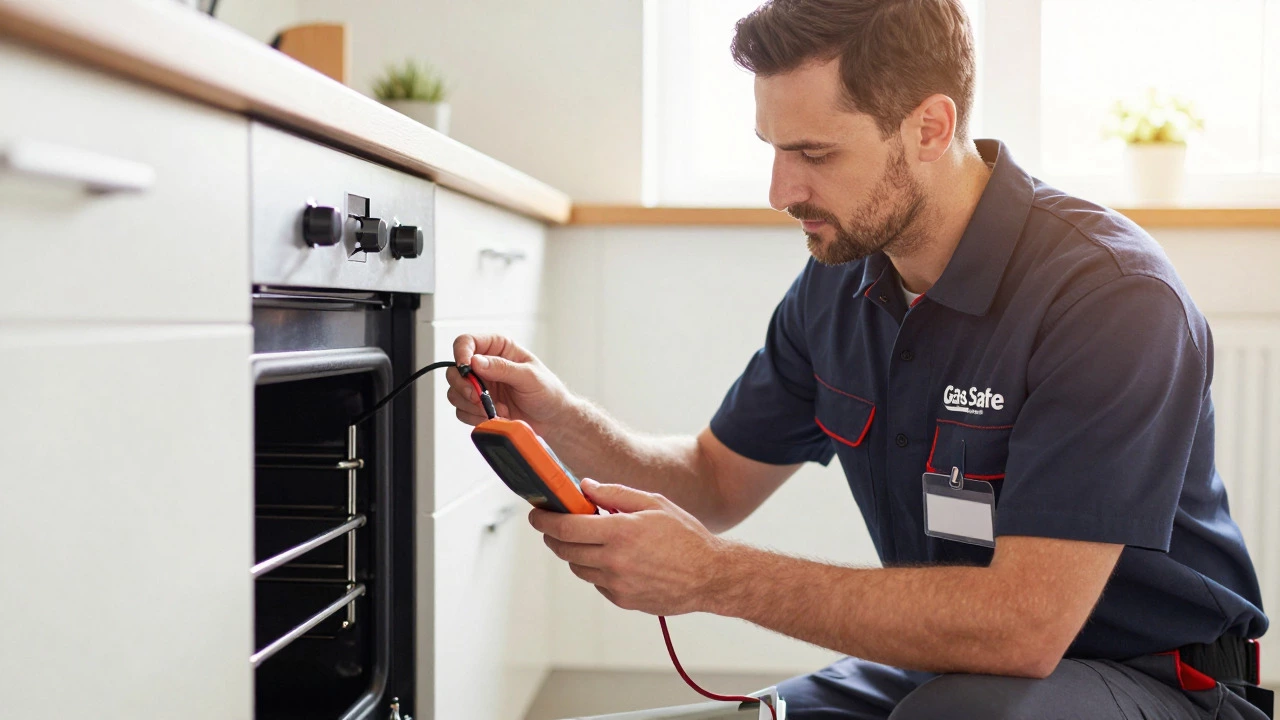
But the biggest chunk of your bill comes from the engineer. In Bristol and across the UK, a Gas Safe registered engineer charges a call-out fee ranging from £60 to £90. Once they arrive, the labor to diagnose, strip down the control panel, swap the part, and-crucially-perform a gas tightness test adds another £80 to £150. This is why your total rarely drops below £150 unless you negotiate hard or use a local independent technician rather than a large national chain.
| Item | Low Estimate (£) | High Estimate (£) | Notes |
|---|---|---|---|
| Ignition Electrode (Part Only) | 15 | 45 | Varies by brand (e.g., Bosch vs. Beko) |
| Spark Generator Module (Part Only) | 50 | 120 | Often requires specific model matching |
| Call-Out Fee (Gas Safe Engineer) | 60 | 90 | Higher in London/South East; lower in North/West |
| Labor & Safety Testing | 80 | 150 | Includes combustion analysis and leak check |
| Total Professional Repair | 150 | 350+ | Excludes VAT if not specified |
Is It Really the Igniter? Diagnosing the Problem
Before you hand over your credit card, ask yourself: Is the igniter actually broken? Many homeowners assume the spark plug is dead when the issue lies elsewhere. Misdiagnosis leads to wasted money on parts that don’t solve the problem.
Start with the basics. Is the oven plugged in? Sounds silly, but tripped RCDs (Residual Current Devices) happen. Check your consumer unit. Next, listen closely. When you turn the knob, do you hear a rapid clicking sound?
- If you hear clicking but no flame: The ignition system is working. The issue is likely the gas supply valve, the thermocouple (safety device), or blocked burner jets. Replacing the igniter won’t fix this.
- If you hear silence: Now we’re talking. Either the spark switch (microswitch) inside the control panel has failed, the wiring is disconnected, or the spark generator module is dead.
- If you see a weak, orange spark: The electrode might be dirty or misaligned. Cleaning it with fine-grade sandpaper or adjusting its position relative to the burner jet can often restore function without any cost.
A common culprit in older ovens is the microswitch located behind the control knob. Every time you turn the dial, this switch completes the circuit. Over years of use, these switches wear out. They are incredibly cheap to replace (£5-£10 for the part), but if an engineer replaces the expensive spark module instead, you’ll overpay significantly. Always ask the engineer to test the microswitch first.
DIY Repair: Can You Save Money?
Here is the controversial truth: Technically, yes, you can replace a gas oven igniter yourself. Legally and safely? It’s complicated. In the UK, while you aren’t legally required to hire a Gas Safe engineer for *electrical* repairs to an appliance, any work involving the gas flow or safety devices must be done by a qualified professional to comply with the Gas Safety (Installation and Use) Regulations 1998.
If you are replacing purely electrical components-the spark electrode or the high-voltage module-you can do it yourself. Here is how:
- Disconnect power: Unplug the oven or switch off the circuit breaker. Do not rely on the oven’s internal switch.
- Access the control panel: Most ovens require removing the back panel or the top cover. Take photos before unscrewing anything so you know how to put it back together.
- Identify the part: Look at the old electrode or module. Note the manufacturer code printed on it. Search this exact code online.
- Swap and secure: Disconnect the wires (note their positions!) and install the new part. Ensure the electrode is positioned correctly-usually 3-5mm from the burner jet.
- Test carefully: Plug it in. Turn on the gas. Light the burner manually with a long lighter first to ensure gas flow, then try the electric ignition.
Warning: If you smell gas at any point, turn off the supply at the meter, open windows, and call the National Gas Emergency Service immediately. Do not attempt further repairs.
When to Replace the Whole Oven
Sometimes, the math doesn’t add up. If your oven is more than 10 years old, the plastic connectors may be brittle, and other components like the door seal or heating elements might fail soon after. Spending £300 to fix a £400 second-hand oven isn’t smart.
Consider replacement if:
- The repair quote exceeds 50% of the cost of a new equivalent model.
- The oven has had multiple repairs in the last two years.
- Parts are obsolete and require special ordering (adding weeks to wait times).
New entry-level gas ovens start around £300-£400, including installation. Mid-range models with pyrolytic cleaning and dual fuel options range from £500 to £800. If your current oven is reliable aside from the ignition, repairing it is usually the greener and more economical choice.
Choosing the Right Engineer
Not all engineers are created equal. To avoid being ripped off, follow these rules:
1. **Check Gas Safe Registration:** Never hire someone who cannot show their ID card. You can verify their registration number on the official Gas Safe Register website. This is non-negotiable for your safety.
2. **Get Fixed Quotes:** Avoid hourly rates if possible. Ask for a fixed price for “diagnosis and replacement of ignition fault.” This prevents surprise bills if the job takes longer than expected.
3. **Local vs. National:** Local independent engineers in cities like Bristol often charge less than national chains because they have lower overheads. They also tend to provide more personalized service.
4. **Ask About Guarantees:** Any reputable repair should come with a guarantee-typically 12 months on parts and labor. If they don’t offer this, look elsewhere.
How long does it take to replace a gas oven igniter?
A professional engineer can typically replace an ignition electrode or spark module in 30 to 60 minutes. This includes diagnostic time, part replacement, and mandatory safety testing. If access to the components is difficult due to oven design, it may take up to 90 minutes.
Can I use a universal igniter for my gas oven?
Generally, no. Gas oven igniters are highly specific to the make and model. The electrode length, wire gauge, and voltage requirements vary significantly between brands like Bosch, Neff, and Hotpoint. Using a universal part can lead to poor sparking or even damage the control board. Always match the manufacturer’s part number.
Why does my gas oven click but not light?
If you hear clicking but no flame, the ignition system is generating a spark, but the gas isn’t igniting. Common causes include: a dirty or misaligned electrode (spark missing the jet), blocked burner holes, a faulty gas valve solenoid, or a problem with the thermocouple safety device. Cleaning the electrode area often resolves this.
Is it safe to repair a gas oven myself?
Replacing purely electrical parts like the spark electrode is generally safe if you disconnect the power first. However, any work involving gas pipes, valves, or safety devices must be performed by a Gas Safe registered engineer to comply with UK law and ensure carbon monoxide safety. Always prioritize safety over savings.
What is the lifespan of a gas oven igniter?
Ignition electrodes and spark modules are designed to last the lifetime of the oven, typically 10-15 years. However, frequent use, humidity, and grease buildup can shorten their life. Regular cleaning of the burner area and keeping the electrode dry can help extend their functionality.