- 16 Feb 2026
- Gideon Thornton
- 0
Gas Appliance Replacement Cost Calculator
Your Current Gas Appliances
Calculate the costs of replacing your gas appliances with electric alternatives.
Cost Comparison Summary
Enter your details above to see your personalized comparison.
What to Consider
- Older boilers (over 10 years) will need replacement soon anyway
- Heat pumps require good home insulation to be cost-effective
- Induction hobs are more efficient but require magnetic cookware
- Government grants like the Boiler Upgrade Scheme can cut installation costs
Gas appliances have been part of British homes for decades. Your boiler keeps you warm in winter. Your gas hob cooks your dinner. Your gas water heater gives you a hot shower without waiting. But with the UK pushing for net-zero emissions by 2050, and electric alternatives getting cheaper and better, you’re probably wondering: should I get rid of my gas appliances? It’s not a simple yes or no. Let’s break it down with real facts, real costs, and real trade-offs - no hype, no pressure.
What gas appliances are you actually using?
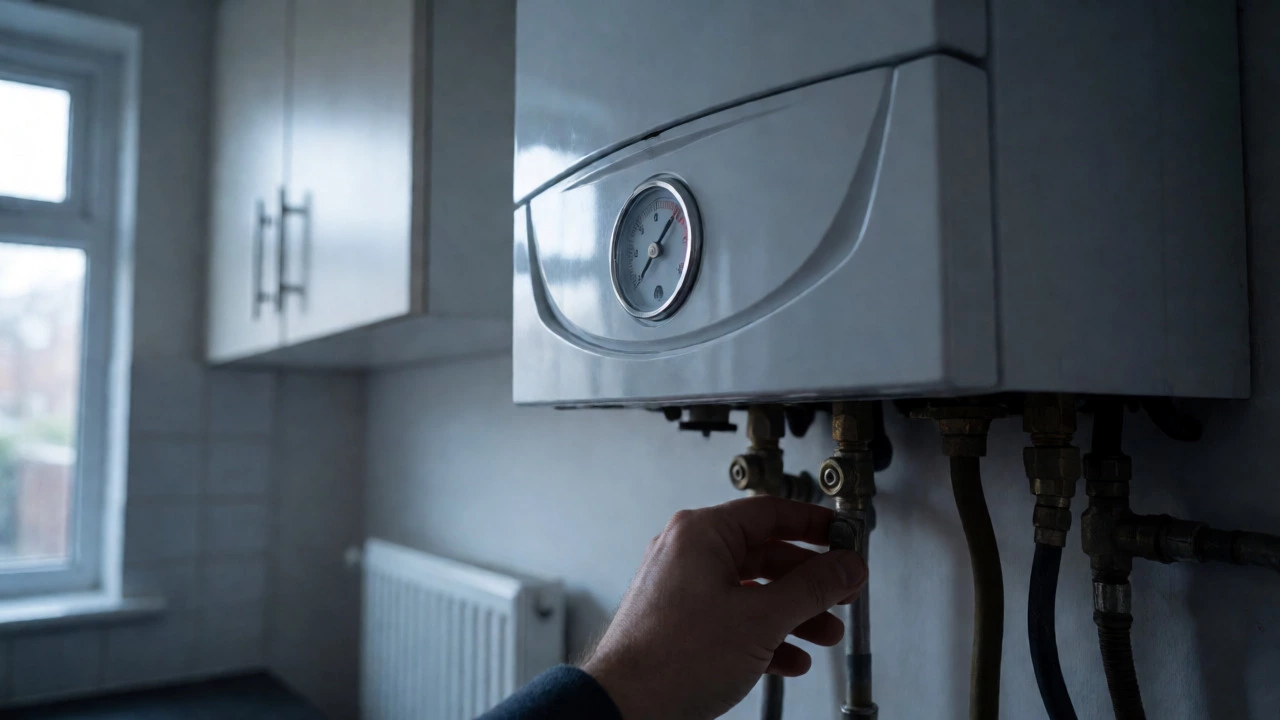
Not all gas appliances are the same. The big ones are boilers, cookers, hobs, and water heaters. If you’ve got a gas boiler that’s over 10 years old, it’s likely using 70-75% of your home’s energy. That’s the main reason people start thinking about switching. A gas hob? It heats up faster than electric, gives better control, and most chefs still swear by it. But if you’re only using it a few times a week, the energy savings from switching might not be worth the cost.
Here’s what most UK homes actually rely on:
- Gas boiler (central heating and hot water)
- Gas hob or cooker
- Gas water heater (less common now, but still in older homes)
- Gas fire or fireplace (mostly decorative)
If you’ve got all four, you’re on the higher end of gas usage. If you’ve just got a boiler and a hob, you’ve got room to make changes without overhauling your whole kitchen.
The government’s stance: no new gas boilers after 2035
The UK government has made it clear: no new gas boilers will be installed in homes after 2035. That doesn’t mean you have to replace yours tomorrow. But it does mean your boiler’s lifespan is ticking down. Most boilers last 10-15 years. If yours is 8 years old, you’ve got maybe 5-7 years left. If it’s 15 years old? You’re already in replacement territory.
The real question isn’t “Should I replace it now?” - it’s “What will I replace it with?” The two main options are heat pumps and electric boilers.
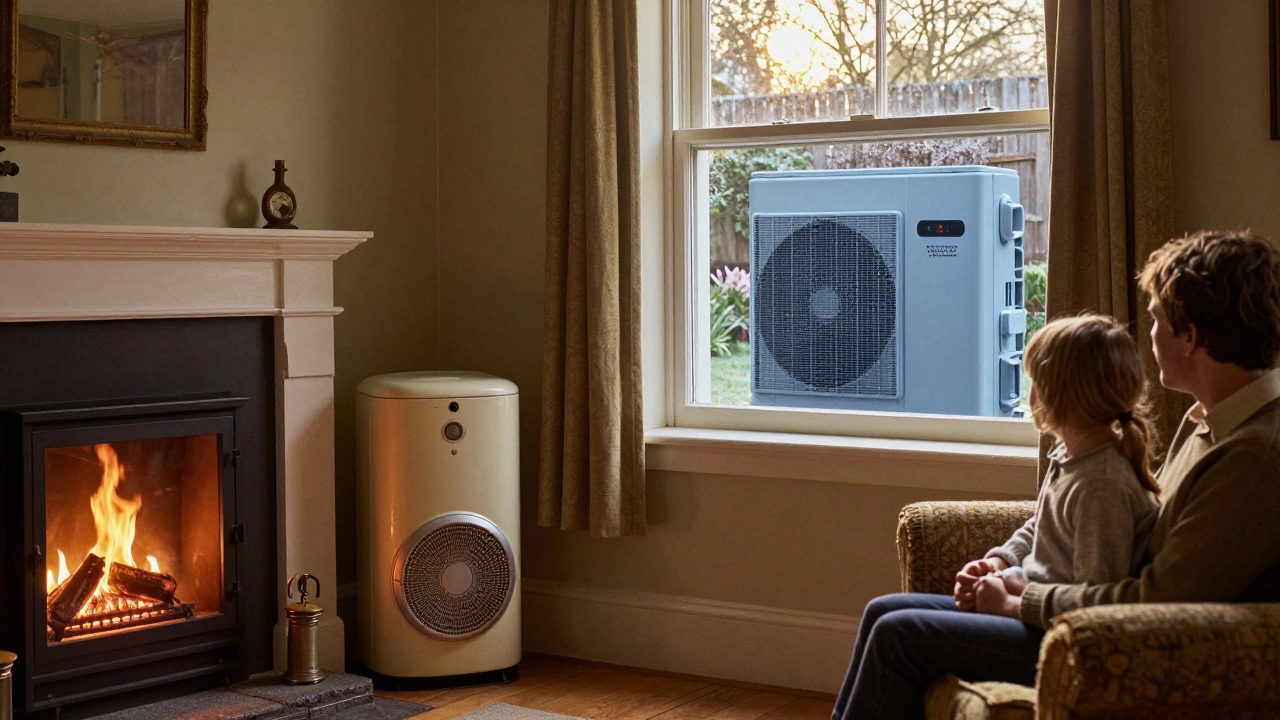
Heat pumps work by pulling warmth from outside air or the ground and boosting it into your home. They’re quiet, efficient, and run on electricity. A good air-source heat pump can cut your heating bills by 30-50% over gas. But they need good insulation. If your home has single-glazed windows or no loft insulation, a heat pump will struggle. You’ll need to upgrade your home first - and that costs £3,000-£6,000 on average.
Electric boilers are simpler. They’re like a giant kettle for your radiators. They’re 100% efficient at converting electricity to heat, but electricity is still more expensive per unit than gas. In Bristol, gas costs about 7p/kWh. Electricity? Around 28p/kWh. So even if your electric boiler is 100% efficient, you’re paying four times more for the same heat. Unless you’ve got solar panels or a time-of-use tariff, this isn’t a money-saver.
What about your gas hob?
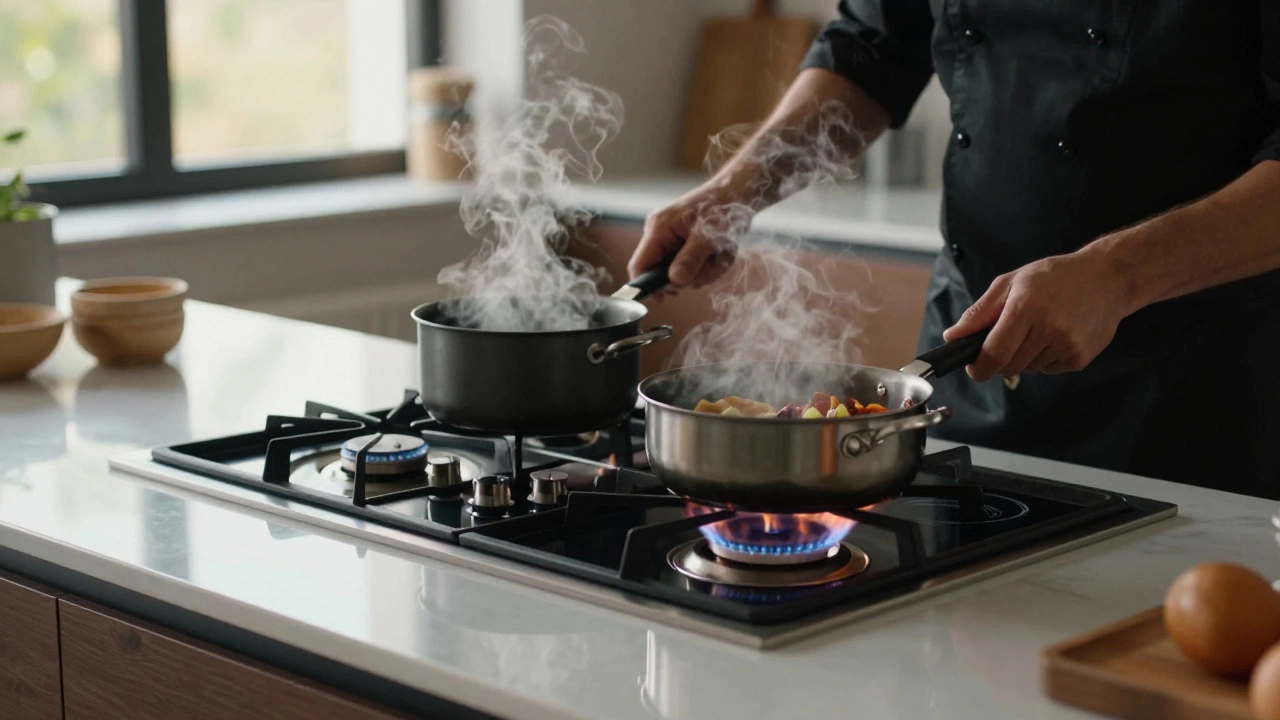
This is where opinions split. Gas hobs heat up instantly. You can adjust the flame precisely. A sudden boil? Easy. A gentle simmer? No problem. Electric hobs - even induction - take a few seconds longer to respond. Induction is faster than traditional electric, but still not as responsive as gas.
But here’s the thing: induction hobs are getting better. They’re 85% efficient. They heat the pan directly, not the air around it. That means less wasted heat. They’re also safer - no open flame, no gas leaks, no carbon monoxide risk. And they’re easier to clean. A flat glass surface? Just wipe it down.
Cost-wise, a good induction hob costs £500-£1,200. You’ll need to upgrade your cookware - cast iron or magnetic stainless steel works best. But if you’re replacing your hob anyway, this might be the right time.
Gas safety: it’s not just about leaks
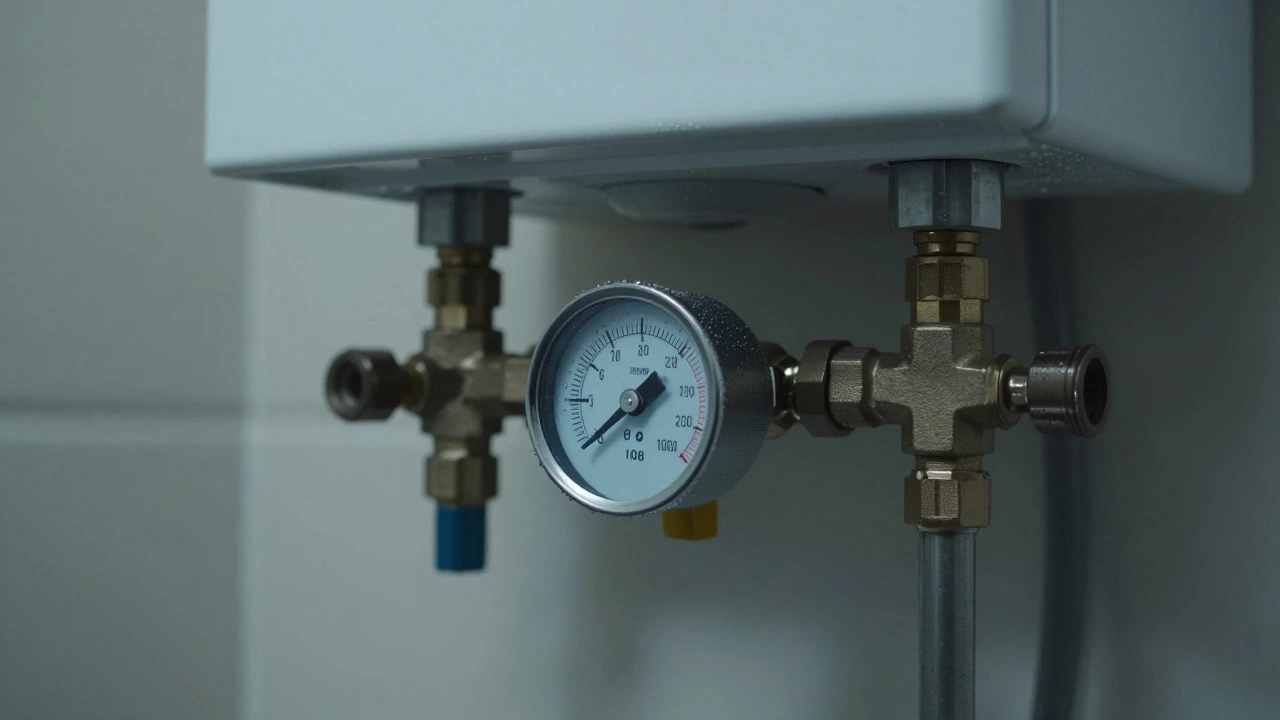
Every year in the UK, around 20 people die from carbon monoxide poisoning. Most of those cases come from poorly maintained gas appliances. Even if your boiler is working fine, a cracked heat exchanger or blocked flue can still leak deadly gas. Gas safety certificates are mandatory every year. That’s £60-£80 you pay just to keep it legal.
Electric appliances don’t produce carbon monoxide. No combustion. No risk. That’s a big deal if you’ve got kids, elderly relatives, or anyone with respiratory issues.
And let’s not forget the smell. Gas leaks have a rotten egg smell added to them. But if you’re used to it, you might stop noticing. Electric appliances? No smell. No mystery. Just electricity.
Costs: what’s the real price of switching?
Let’s run numbers for a typical 3-bedroom home in Bristol with a 12-year-old gas boiler and a gas hob.
| Appliance | Current Cost (Gas) | Replacement Option | Replacement Cost | Annual Running Cost (Est.) |
|---|---|---|---|---|
| Boiler | £800/year | Heat Pump | £8,000-£12,000 | £500-£700 |
| Boiler | £800/year | Electric Boiler | £2,000-£3,500 | £2,200-£2,800 |
| Hob | £50/year | Induction Hob | £700-£1,200 | £30-£50 |
| Water Heater | £200/year | Electric Tankless | £1,500-£2,500 | £150-£200 |
Here’s the catch: you don’t have to replace everything at once. Many homeowners start with the hob. It’s cheaper. It’s visible. You feel the difference immediately. Then, when your boiler dies, you go all-electric. That spreads the cost over years.
And don’t forget the Boiler Upgrade Scheme. It’s still running in 2026. You can get up to £7,500 off a heat pump installation if your home meets insulation standards. That cuts the cost in half. You’ll need an Energy Performance Certificate (EPC) - and it must be rated D or higher. If your home is an E or F, you’ll need insulation upgrades first.
When should you keep your gas appliances?
You should keep gas if:
- Your boiler is under 8 years old and still efficient
- You cook often and hate induction’s learning curve
- You’re planning to move in the next 3-5 years
- Your home isn’t insulated well, and a heat pump would be too expensive to run
Gas isn’t evil. It’s just becoming outdated. If it’s working, and you’re not ready to invest, there’s no rush. But if you’re thinking about a future-proof home - or if you’re tired of paying for annual safety checks - now’s the time to start planning.
What’s the smartest move right now?
Here’s a simple 3-step plan:
- Get your boiler serviced. If it’s over 10 years old and needs frequent repairs, start budgeting for replacement.
- Test your home’s insulation. Get a free EPC check (many local councils offer them). If it’s below D, focus on loft insulation and draft-proofing first.
- Replace your hob with induction. It’s the easiest, cheapest, and safest upgrade you can make today. You’ll save money, reduce risk, and get a modern kitchen.
You don’t need to go all-in. You just need to start. The gas network won’t disappear overnight. But it’s slowly fading. The longer you wait, the more expensive and harder the switch becomes.
What about the environment?
Gas produces carbon dioxide. Every time you light a burner, you’re adding to global warming. In the UK, residential gas use accounts for 15% of all emissions. That’s more than all the cars in Bristol combined.
Electricity in the UK is getting cleaner. In 2026, over 50% of our power comes from wind, solar, and nuclear. That number’s rising every year. A heat pump running on today’s grid is already 50% cleaner than a gas boiler. In 10 years? It’ll be 80% cleaner.
Switching isn’t just about money. It’s about being part of the next chapter - not the last one.
Is it illegal to have gas appliances in 2026?
No. It’s not illegal. The ban only applies to new installations of gas boilers after 2035. You can keep using your existing gas appliances as long as they’re safe and serviced. But if you’re replacing a boiler, you won’t be allowed to install another gas one.
Can I still get gas boiler repairs in 2026?
Yes. Gas boiler repair services are still widely available. Many companies now offer hybrid services - fixing gas systems while also advising on electric upgrades. But parts for older boilers are becoming harder to find. If your boiler is over 15 years old, replacement is often more reliable than repair.
Do I need to rewire my home for electric appliances?
It depends. Most homes in the UK can handle a heat pump or induction hob without rewiring. But if your fuse box is old or your circuits are overloaded, you might need an electrician to upgrade your panel. A professional survey costs around £100-£150. It’s worth it before spending thousands on new appliances.
Are induction hobs really as good as gas?
For most people, yes. Induction heats faster than traditional electric and responds almost as quickly as gas. It’s more precise than you think. Many professional kitchens in the UK have switched. The main downside is cookware - you need magnetic pots and pans. If you’ve got copper or aluminium, you’ll need to replace them.
What if I can’t afford to replace my boiler?
Don’t panic. Focus on what you can do now: service your boiler annually, improve insulation, and switch to LED lighting to reduce overall energy use. You can also apply for the Warm Home Discount or local council grants. In Bristol, some schemes offer up to £2,000 for low-income households to upgrade heating. Check with your local authority - help is available.
Final thought
You don’t have to get rid of your gas appliances tomorrow. But if you’re waiting for a perfect moment, it’s already gone. The best time to start was five years ago. The second-best time is now. Start small. Think long-term. Your wallet, your safety, and your planet will thank you.