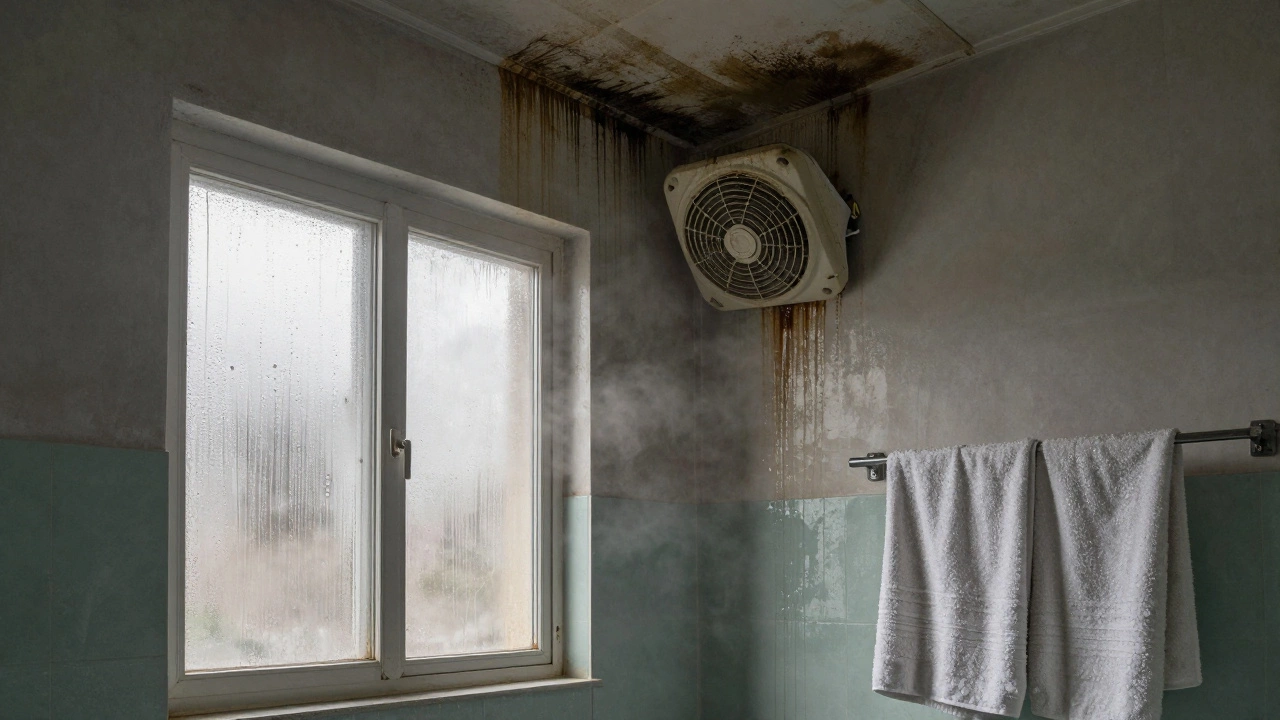
Skipping an extractor fan might seem harmless, but moisture buildup leads to mold, damaged walls, and health risks. Learn why ventilation isn't optional and what to do if you don't have one.

Ever walked out of the bathroom and felt a stale, humid smell? That’s a sign your ventilation isn’t doing its job. Proper airflow stops mold, protects paint, and makes every shower more comfortable. Below you’ll find quick, practical advice you can use today.
First, think about the size of your room. A fan’s capacity is measured in cubic metres per hour (m³/h). As a rule of thumb, choose a fan that can move at least eight times the volume of your bathroom each hour. Measure the length, width and height, multiply them, then multiply by eight – that’s the minimum airflow you need.
If you have a large bathtub or a separate shower enclosure, add a few extra m³/h to avoid condensation. Look for fans with a “quiet” rating (Sones) if you’re sensitive to noise. Most modern fans also have a humidity sensor that turns the fan on automatically – a handy feature that saves energy.
Installing a new fan is something many homeowners can handle with a few tools. Here’s a quick checklist:
If any step feels uncertain, especially the electrical part, give a qualified electrician a call. It’s a small cost for peace of mind.
Even the best fan can lose efficiency if you don’t look after it. Once a year, remove the cover and clean out dust and hair – a vacuum or a soft brush works well. Check the vent duct for blockages; a simple bend in the pipe can trap moisture and cause smells.
Listen for unusual noises. Rattling often means the fan is loose, while a high‑pitched squeal suggests the motor bearings need lubrication or replacement. Fixes are usually cheap, but ignoring them can lead to a complete fan failure.
You’ve got the basics covered, but there are times you’ll want a professional:
A qualified plumber or ventilation specialist can assess the whole system and recommend the best solution.
Good bathroom ventilation isn’t a luxury; it’s a simple habit that protects your home’s health and value. Choose the right fan, install it safely, keep it clean, and you’ll enjoy a dry, fresh bathroom for years to come.
Skipping an extractor fan might seem harmless, but moisture buildup leads to mold, damaged walls, and health risks. Learn why ventilation isn't optional and what to do if you don't have one.
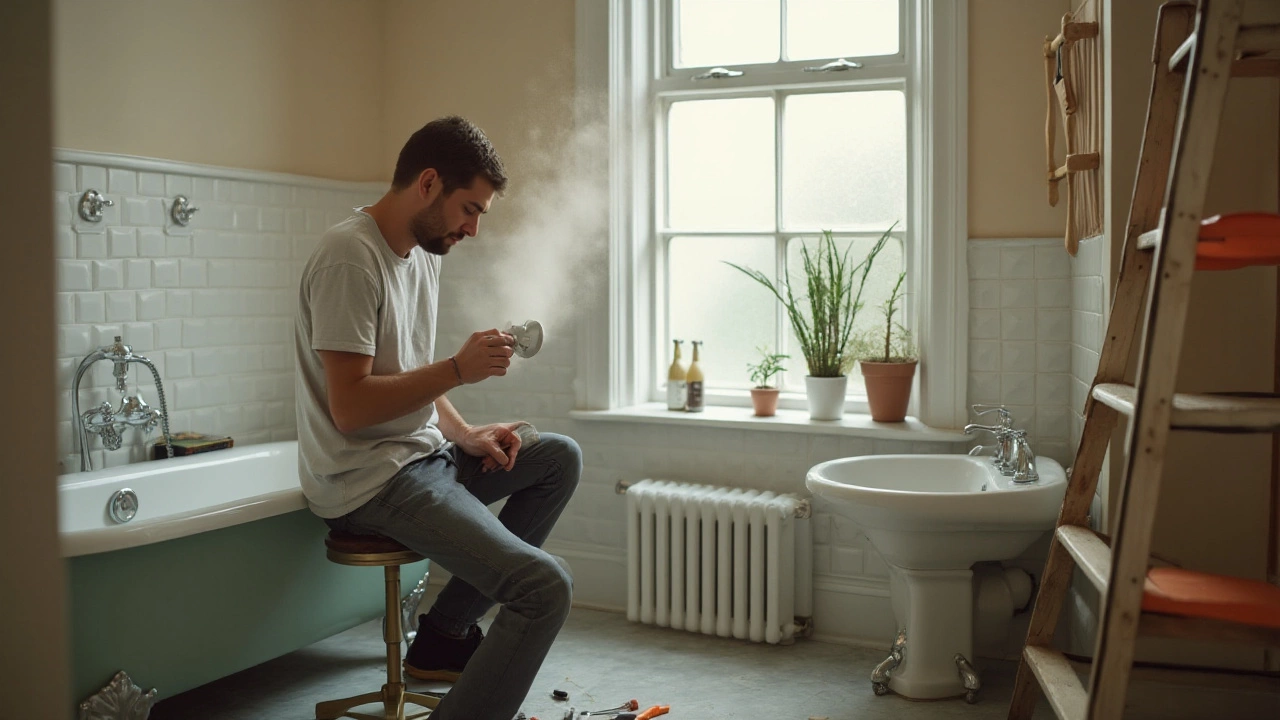
Swapping out an old bathroom extractor fan is often less complicated than it seems. This article walks you through the process, highlighting the essential tools and skills you’ll need. Discover how to identify when a fan is due for replacement, choose the right model, and safely install it. From safety tips to step-by-step guidance, this comprehensive guide ensures a hassle-free upgrade to your bathroom’s ventilation.