- 8 Mar 2026
- Gideon Thornton
- 0
Microwave Safety Assessment
⚠️ Safety Warning
This tool helps identify potential hazards. If any issues are detected, STOP USING THE MICROWAVE IMMEDIATELY and contact a professional. DO NOT attempt internal repairs. High-voltage capacitors can hold lethal charges for weeks after unplugging.
1. Does the microwave light not turn on when the door is open?
2. Does the turntable stop spinning?
3. Does the microwave not heat food?
4. Is the door seal damaged or warped?
5. Do you hear unusual sounds or smell burning?
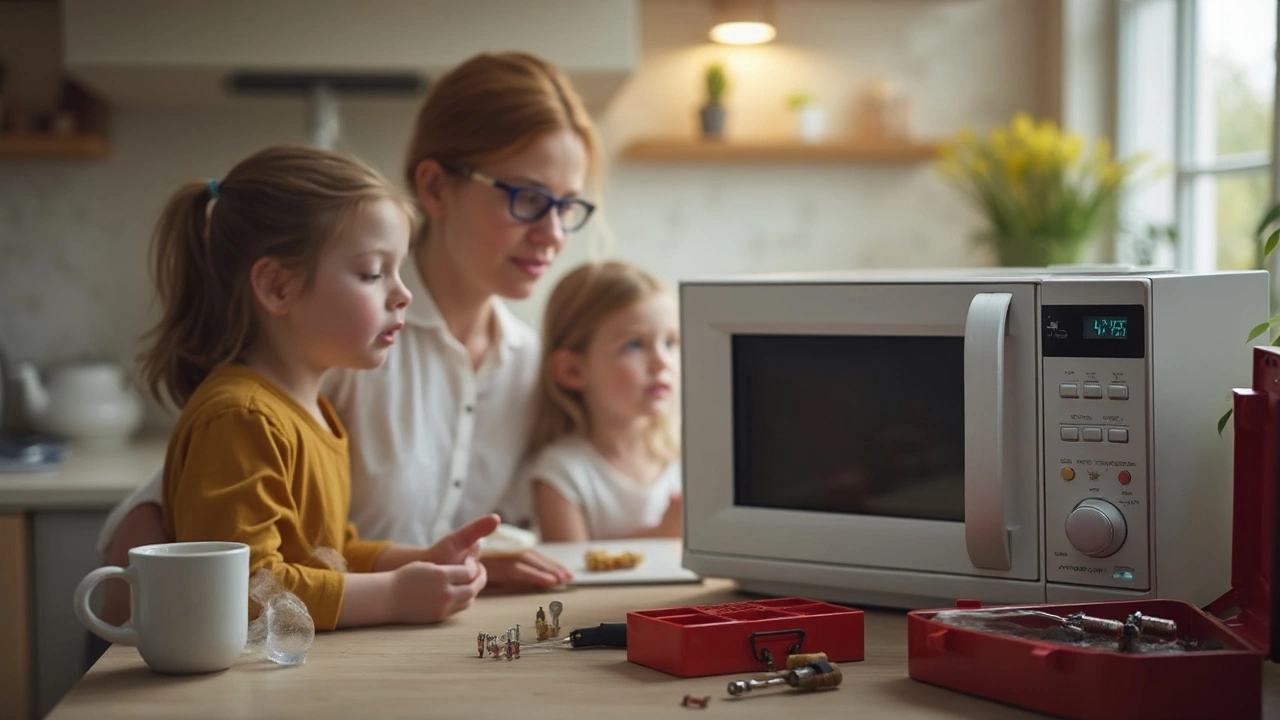
Fixing your own microwave sounds like a smart way to save money. You see a spark, hear a weird hum, or the turntable stops spinning - and you think, "I can handle this." But here’s the hard truth: microwave repair isn’t like changing a lightbulb or unclogging a sink. It’s one of the most dangerous DIY projects you can attempt in your home.
Why Microwaves Are Different
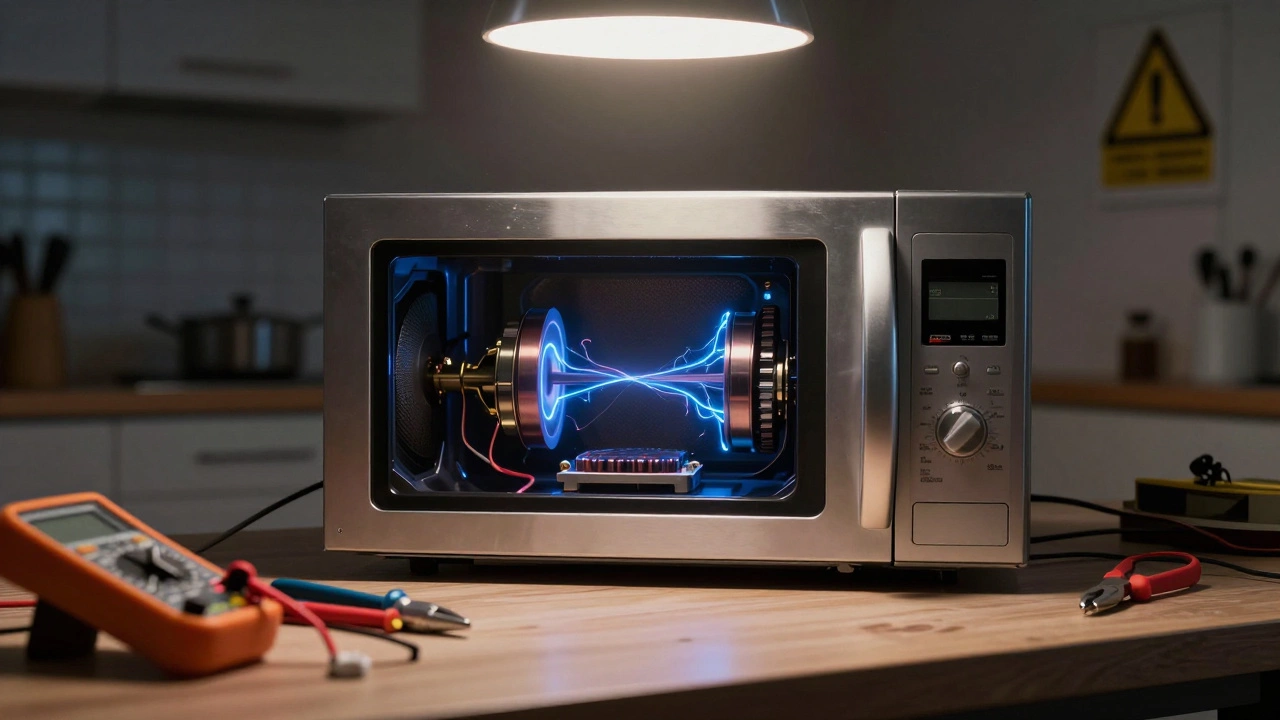
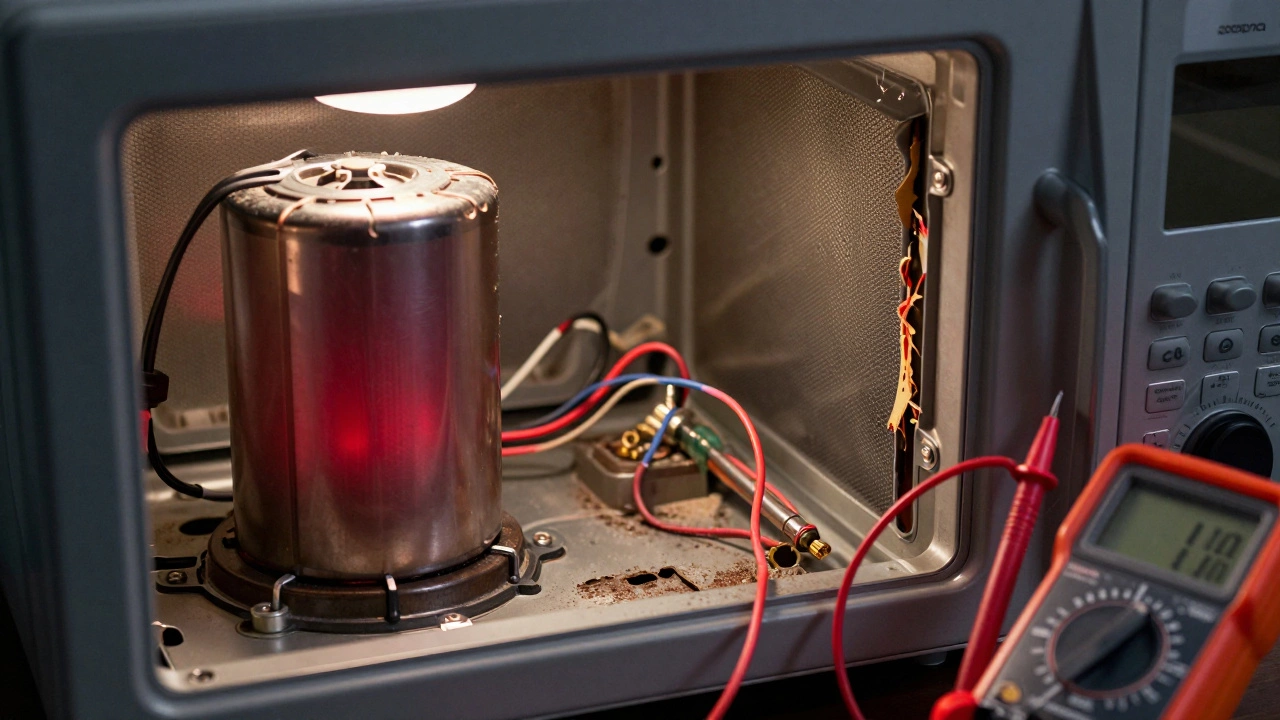
Most appliances run on 120 volts. Your microwave? It uses a high-voltage transformer that boosts that to over 2,000 volts. That’s enough to stop your heart. Even when unplugged, the capacitor inside can hold that charge for days - or even weeks. You might think you’ve disconnected the power, but that capacitor doesn’t care. It’s still there, waiting to deliver a lethal shock the moment you touch the wrong wire.It’s not just electricity. Microwaves also contain magnetrons - the part that generates the radiation. If the shielding is damaged during a DIY repair, you could be exposing yourself to microwave radiation. That’s not a myth. The FDA has documented cases of people suffering cataracts and skin burns from poorly repaired units. You don’t need to be a scientist to understand this: if you can’t see the inside of a microwave and know exactly what every component does, you shouldn’t be poking around.
The Most Common "Fixes" That Backfire
People try to fix microwaves for three main reasons: the light doesn’t turn on, the turntable stops, or it won’t heat. Let’s break down what actually happens when you try to fix these yourself.- Light bulb replacement: This seems harmless. But to get to the bulb, you often have to remove the outer casing. That’s where you risk touching high-voltage wiring. In one UK case from 2024, a homeowner in Bristol replaced a bulb and got a 1,800-volt shock - he was hospitalized for two days.
- Turntable motor: The motor is usually easy to access, but it’s connected to a control board that’s still live. Replacing it without disconnecting the main power supply can fry the entire circuit board - and now you’re out of a microwave and out of pocket for a new one.
- No heating: This is the big one. Most people assume it’s the fuse. It’s not. It’s usually the magnetron, high-voltage diode, or capacitor. All three require specialized tools to test. Guessing and swapping parts is like playing Russian roulette with your life.
What You Can Safely Do
You don’t need to throw the microwave out just yet. There are safe, simple checks you can do without opening anything.- Check the power outlet. Plug in a lamp or phone charger. If it doesn’t work, the issue isn’t the microwave - it’s your wiring.
- Inspect the door seal. Look for cracks, warping, or food buildup. A damaged seal can leak radiation. If it’s dirty, clean it with mild soap and water. Don’t use abrasives.
- Test the door latch. Close the door and try to pull it open. If it opens easily, the latch mechanism is broken. This is a safety hazard. Don’t use it.
- Listen for unusual sounds. A loud buzz or arcing noise means something inside is failing. Turn it off and unplug it. Don’t try to fix it.
If none of these fix the problem, the issue is internal. And that’s where you stop.
The Real Cost of DIY Microwave Repair
People think they’re saving money. But here’s what usually happens:- You buy a replacement fuse: £5.
- You buy a new capacitor: £12.
- You buy a new magnetron: £45.
- You damage the control board while trying to replace the capacitor: now you need a whole new unit - £150.
Plus, you might have to pay for an electrician to fix your outlet after you blew a circuit. Or you might need emergency medical care. The average hospital bill for an electrical shock from a microwave in the UK is £2,300 - and that’s before lost wages.
Professional microwave repair costs between £50 and £120. That includes diagnosis, parts, and a 90-day warranty. You’re paying for expertise, safety, and peace of mind.
When to Just Replace It
Microwaves aren’t built to last forever. Most last 7 to 10 years. If yours is older than that and it’s acting up, replacement is smarter than repair.Here’s when to walk away:
- The unit is over 8 years old.
- It takes longer to heat food than it used to.
- The door doesn’t seal properly.
- You’ve already tried basic fixes (cleaning, outlet check, latch test).
- The interior is rusted or has burn marks inside.
Modern microwaves are more efficient, safer, and cheaper than ever. A basic model starts at £60. For less than the cost of a repair, you get a new one with a five-year warranty, energy-saving features, and a digital display.
What Happens When You Call a Professional
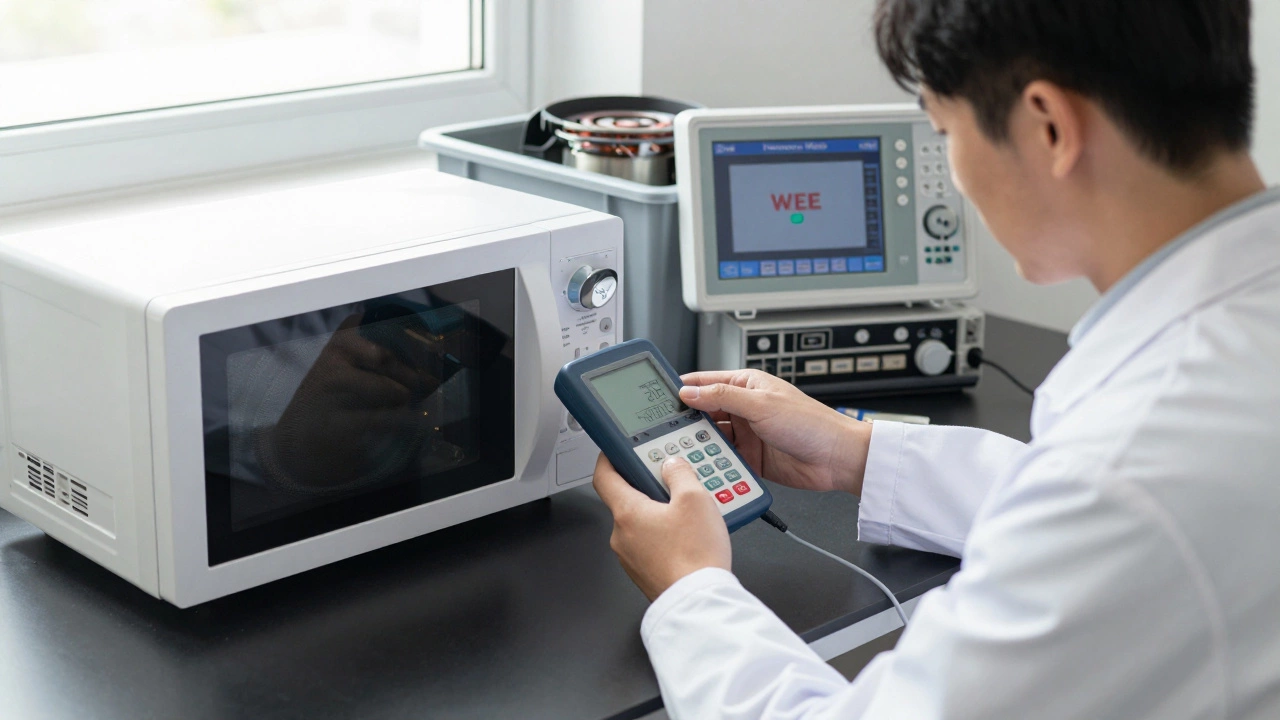
A certified technician doesn’t just swap parts. They do a full diagnostic:- Test the high-voltage system with a multimeter designed for microwaves.
- Check for radiation leakage using a calibrated RF meter.
- Inspect the magnetron’s output power.
- Verify the door interlock switches are working.
- Replace only what’s broken - not guesswork.
They also dispose of your old unit properly. Microwaves contain hazardous materials like beryllium oxide (in the magnetron) and lead in the circuit boards. Improper disposal is illegal in the UK. Professionals follow WEEE regulations - you don’t have to worry about it.
Final Verdict: Don’t Risk It
There’s no situation where fixing your own microwave is worth the danger. Not for £50. Not for a "quick fix." Not even if your friend did it and "it worked fine."Every year, UK emergency services respond to dozens of cases involving microwave-related injuries. Most are preventable. You don’t need to be an expert to know this: if a device has a high-voltage capacitor inside, and you can’t see it clearly without taking it apart - leave it alone.
Call a repair service. Or replace it. Either way, you’ll sleep better knowing your kitchen isn’t a hidden hazard.
Can I fix a microwave if it’s not heating?
No. If your microwave isn’t heating, the problem is almost always with the high-voltage components - the magnetron, capacitor, or diode. These parts store lethal amounts of electricity even when unplugged. Testing or replacing them requires specialized tools and training. Attempting this yourself risks severe electric shock or radiation exposure. The safest option is to call a professional or replace the unit.
Is it safe to open the microwave casing to clean inside?
No. Opening the casing exposes you to high-voltage wiring and potentially damaged shielding. Even if the microwave is unplugged, the capacitor can still hold a deadly charge. Cleaning the interior should only involve the turntable, walls, and door seal using a damp cloth and mild cleaner. Never remove panels or touch internal components.
How do I know if my microwave is leaking radiation?
Signs include sparks inside the cavity, a burning smell, or the microwave running while the door is open. But radiation leaks are often invisible. The only reliable way to test for leaks is with a calibrated microwave radiation detector - something only professionals have. If you suspect a leak, stop using the microwave immediately and unplug it. Do not attempt to fix it yourself.
Can I replace the turntable motor myself?
Technically, yes - but it’s still risky. The motor is connected to the control board, which can still carry voltage. Even if you unplug the microwave, static charge or residual power can cause damage or shock. If you’re not trained, you could also misalign the turntable or damage the drive coupling. For safety and reliability, it’s better to have a technician handle it.
Why do repair shops charge so much for microwave repairs?
It’s not about overcharging - it’s about safety and skill. Microwave repair requires certified training, specialized tools, and access to OEM parts. Technicians also carry liability insurance and follow strict disposal rules for hazardous components. A £90 repair includes diagnosis, parts, warranty, and safe handling. A DIY attempt might cost you £150 in new parts, plus a hospital bill.