- 9 Mar 2026
- Gideon Thornton
- 0
Magnetron Replacement Calculator
Make Your Decision
Enter your microwave details to see if repairing the magnetron is worth it.
If your microwave runs but doesn’t heat food, the magnetron is the most likely culprit. It’s the part that generates the microwaves - without it, your appliance is just a fancy box with a turntable. But before you toss it or pay for a repair, ask yourself: is it worth replacing a magnetron in a microwave? The answer isn’t simple, and it depends on more than just the price of the part.
What a magnetron actually does
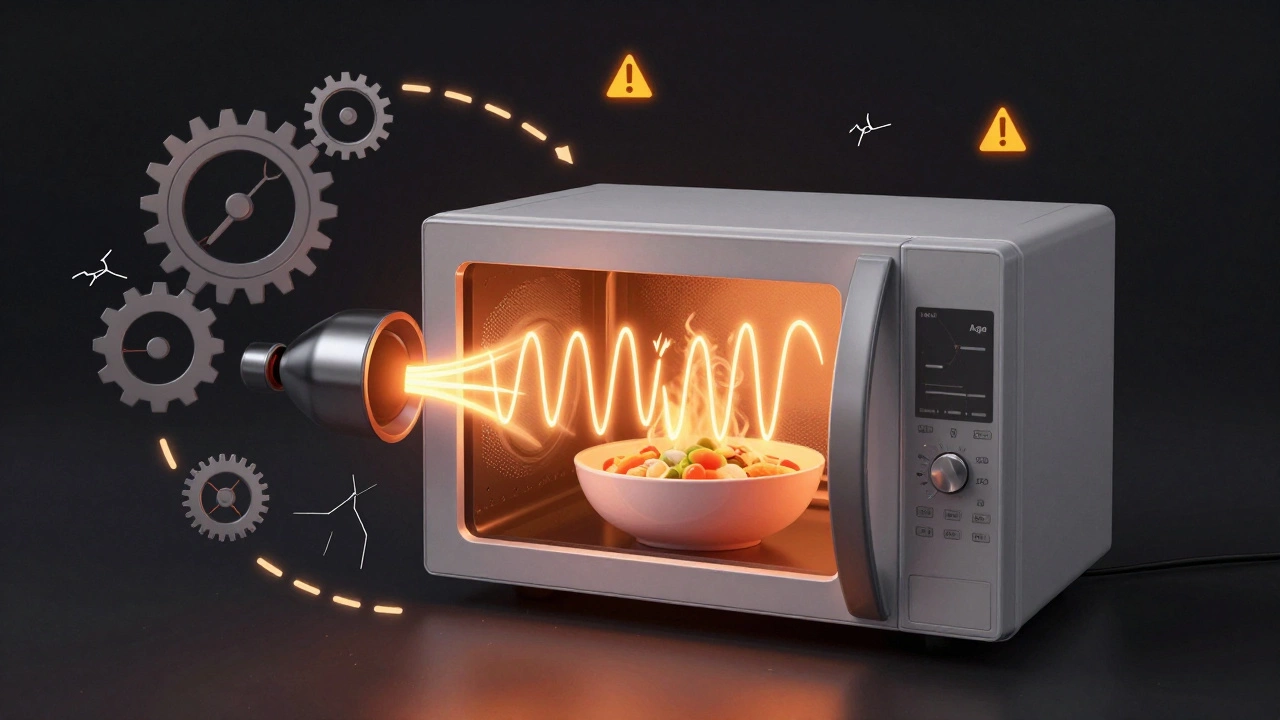
The magnetron is the heart of your microwave. It takes electricity and turns it into microwave radiation - the kind that makes water molecules in your food vibrate and generate heat. It’s not a delicate component, but it does wear out. Common signs of a failing magnetron include:
- Food stays cold even after running for several minutes
- Unusual buzzing or humming noises
- Sparks or arcing inside the cavity
- The microwave turns on but doesn’t heat
These symptoms often point to the magnetron, but they can also come from a blown high-voltage diode or a faulty capacitor. That’s why a proper diagnosis matters.
How much does a magnetron cost?
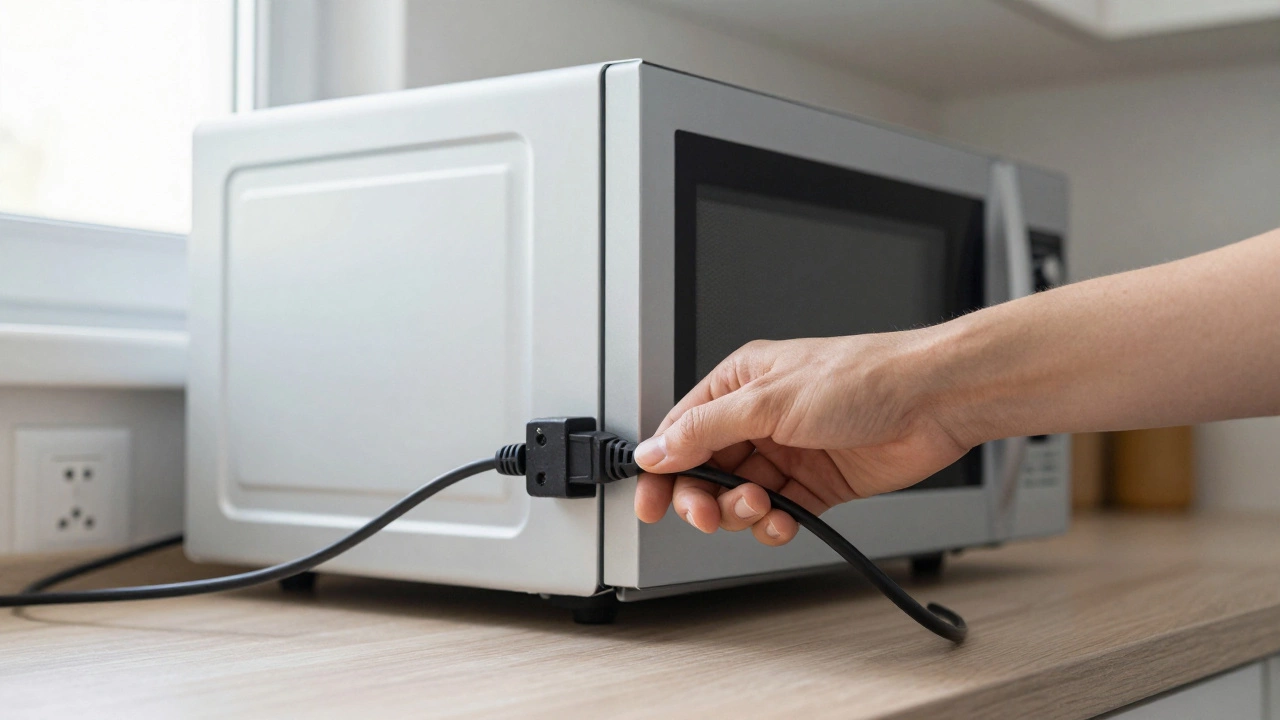
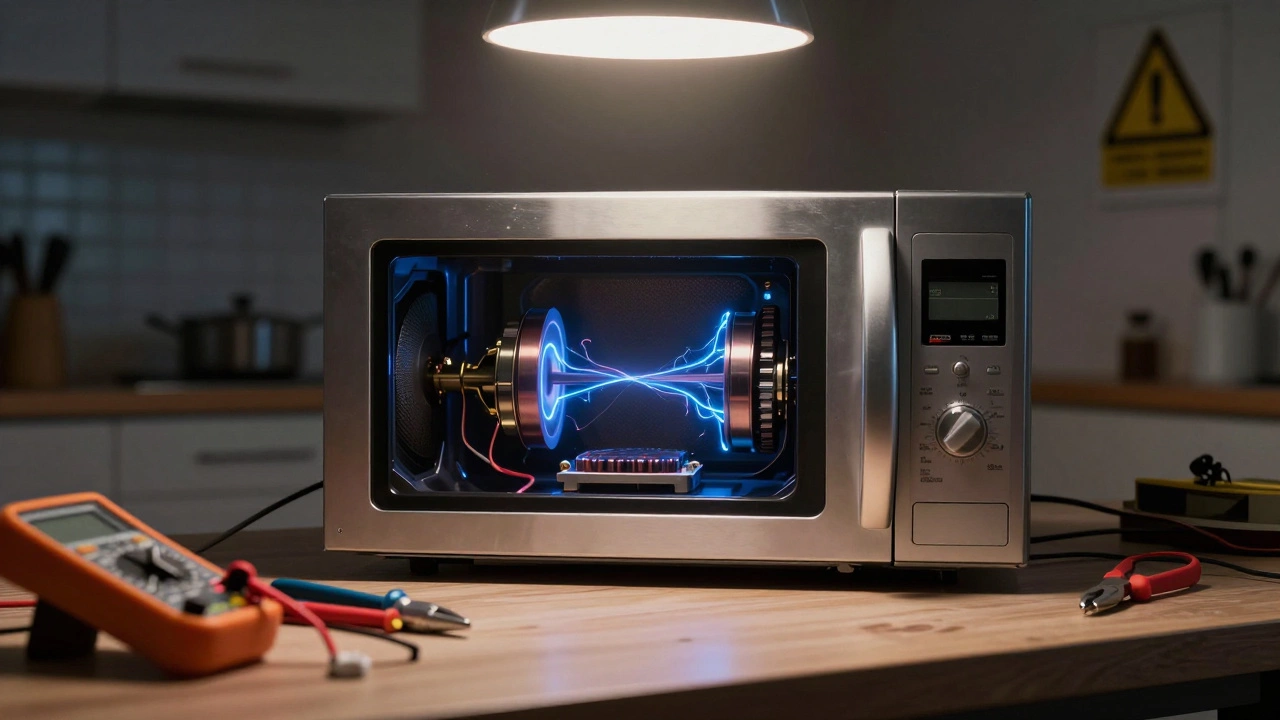
A replacement magnetron for a standard countertop microwave typically costs between £30 and £70 in the UK. If you’re replacing it yourself, you’ll need a few basic tools: a screwdriver set, a multimeter (to test the old part), and maybe a pair of insulated pliers. You’ll also need to unplug the microwave and discharge the high-voltage capacitor - a safety step many skip, but one that can save you from a serious shock.
Professional repair services usually charge £80 to £150 for the job, including parts and labour. That’s not cheap - but it’s still less than buying a new microwave.
How much does a new microwave cost?
Basic models start at around £50. Mid-range microwaves with convection or inverter tech run £120 to £200. High-end models with smart features or built-in ventilation can cost £300 or more. If your microwave is over five years old, you’re probably looking at a £70 to £100 replacement - the sweet spot for most households.
Age and condition matter more than you think
Here’s the real question: how old is your microwave? If it’s less than three years old and otherwise in good shape - clean, no rust, door seals intact - then replacing the magnetron makes sense. You’re extending the life of a still-reliable appliance.
But if it’s seven years or older? That’s near or past the average lifespan. Most microwaves last 7 to 10 years. After that, other parts start to fail: the turntable motor, the control panel, the door latch. You might fix the magnetron today, only to have the keypad die next month.
One repair technician in Bristol told me he sees about 20 magnetron replacements a month. He says 80% of them are on units older than six years. "We fix them," he said, "but we always warn people: you’re buying time, not a new appliance."
DIY vs professional: what’s safer?
Replacing a magnetron isn’t hard if you’ve done electronics before. But microwaves store a lethal charge - even when unplugged. The high-voltage capacitor can hold 2,000 volts for days. If you don’t know how to safely discharge it, you’re risking serious injury.
Professional repair shops have insulated tools, discharge kits, and training. They also test the whole system after replacing the part. A DIYer might get the magnetron in, but miss a bad diode or a failing transformer. The microwave might work for a few weeks - then fail again.
If you’re not confident, don’t risk it. A £100 repair might sound expensive, but a hospital bill from a shock? That’s not worth it.
When replacement makes sense
Replacing the magnetron is a smart move if:
- Your microwave is under six years old
- It’s a mid- to high-end model (not a £40 bargain bin special)
- The door, hinges, and control panel are still working fine
- You’re comfortable with basic electronics and safety procedures
- You’ve confirmed the magnetron is the issue (not the diode or capacitor)
For example, a £150 Sharp inverter microwave that still looks new? Replacing the magnetron for £70 is a no-brainer. You’re getting 3+ more years out of a quality unit.
When it’s time to replace the whole thing
Walk away if:
- Your microwave is older than seven years
- It’s a cheap model (under £60)
- The turntable doesn’t spin, the light is out, or the buttons are sticky
- You’ve already had one repair in the last two years
- You’re not confident handling high-voltage components
Many people think microwaves are "disposable" - and for the most part, they are. The cost of parts and labour often approaches the price of a new unit. Plus, newer models are more energy-efficient, have better sensors, and safer designs.
What about extended warranties or insurance?
If your microwave is covered by home insurance or an extended warranty, replacement might be worth it. Some policies cover appliance repairs up to £150, which makes the magnetron fix a no-cost option. Check your policy - it might be the deciding factor.
Real-world example: Bristol household
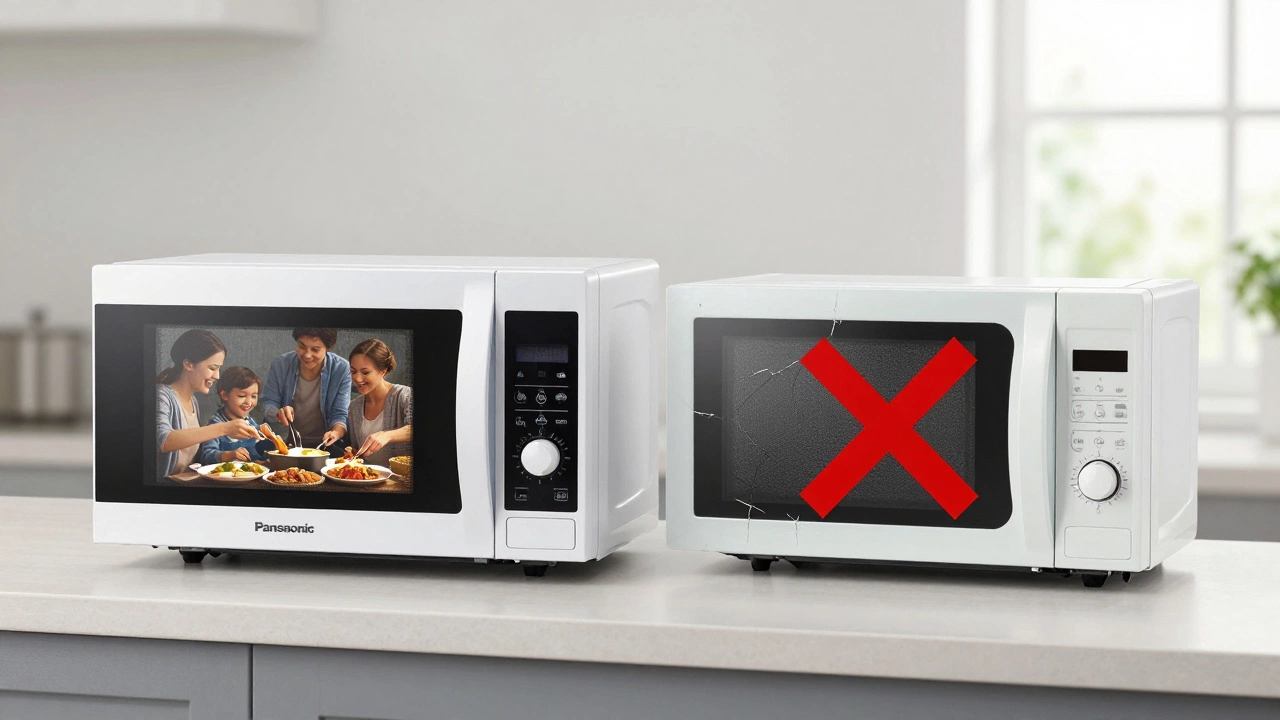
A family in Bristol had a 2019 Panasonic microwave that stopped heating. They called a local repair service. The technician confirmed the magnetron was dead. The total cost: £95. They chose to repair it. Two years later, it’s still working. Meanwhile, their neighbour bought a new £80 microwave the same week - and it broke within 18 months.
Quality matters. A decent microwave, repaired properly, can outlast a cheaper replacement.
Final decision checklist
Here’s a quick way to decide:
- How old is the microwave? (Under 6 years? Go for repair. Over 7? Consider replacement.)
- What did it cost new? (Under £70? Replace it. Over £100? Repair it.)
- Are other parts failing? (Sticky buttons, noisy turntable? Replace the whole unit.)
- Can you safely replace the magnetron yourself? (If not, weigh labour costs.)
- Do you have warranty coverage? (If yes, repair is almost always the better choice.)
There’s no single answer. But if you’ve got a decent microwave that’s still in good shape, replacing the magnetron is often the smarter, more sustainable choice. If it’s old, cheap, or falling apart - just get a new one. You’ll save time, money, and hassle in the long run.
Can a magnetron be repaired instead of replaced?
No, magnetrons cannot be repaired. They are sealed units with high-voltage components and vacuum tubes that degrade over time. Once they fail, the only solution is replacement. Attempting to open or repair one is dangerous and ineffective.
How long does a magnetron last?
A magnetron typically lasts 5 to 10 years, depending on usage. Heavy daily use - like running the microwave 5+ times a day - can shorten its life to 3 or 4 years. Light use, such as reheating coffee once a day, can extend it beyond 10 years.
Is it dangerous to use a microwave with a failing magnetron?
It’s not dangerous in terms of radiation leakage - modern microwaves have multiple safety interlocks that prevent operation if the door isn’t sealed. But a failing magnetron can cause arcing, sparking, or overheating, which may damage other parts or pose a fire risk. If you see sparks inside, stop using it immediately.
Do all microwaves have the same magnetron?
No. Magnetrons vary by model, wattage, and manufacturer. A 700W microwave won’t use the same magnetron as a 1200W model. You need the exact part number from your microwave’s label (usually inside the door frame or on the back). Using the wrong one can damage the unit or cause unsafe operation.
Can I buy a magnetron online and install it myself?
Yes - but only if you know what you’re doing. You can find magnetrons on Amazon, eBay, or appliance parts sites like Partmaster or Appliance Parts Direct. Always match the part number exactly. Before you start, watch a step-by-step video for your exact model. Disconnect power, discharge the capacitor, and wear insulated gloves. If you’re unsure, hire a professional.