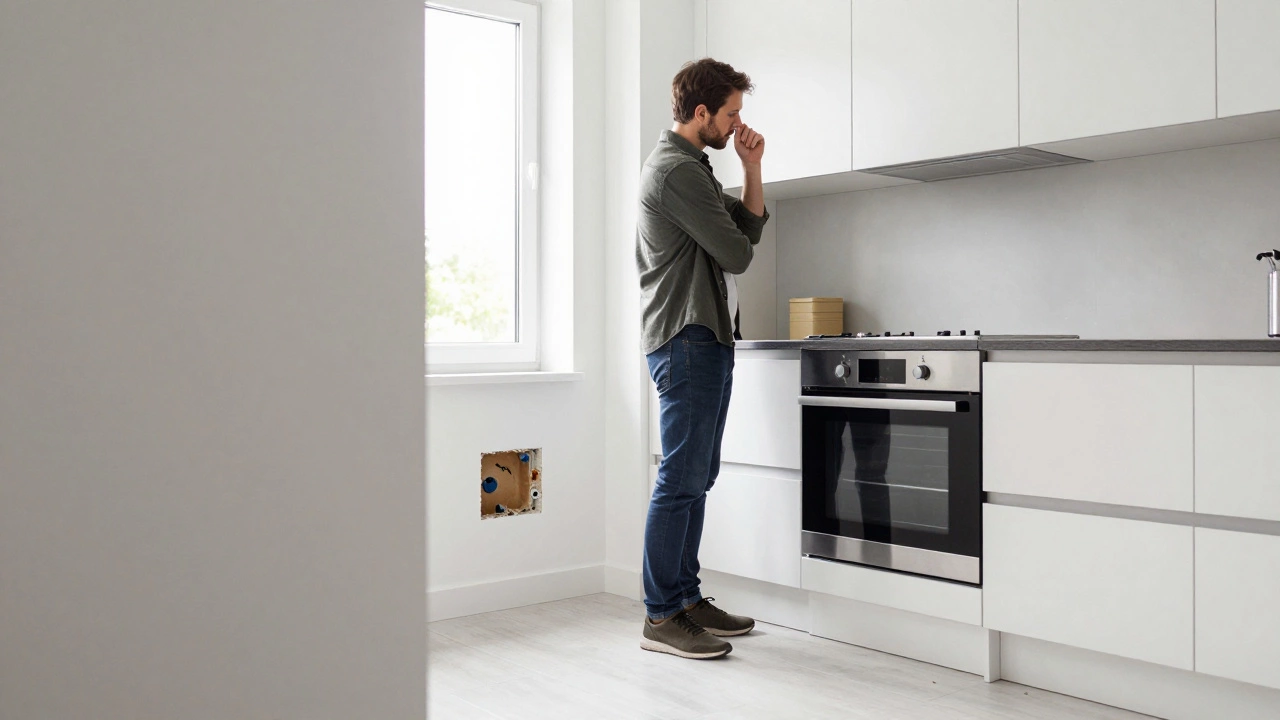
Learn if you can replace an electric oven yourself. This guide covers safety checks, wiring requirements, and step-by-step installation tips for DIYers.

If the lights flicker or a socket stops working, the first thing to check is the circuit breaker. It’s the safety switch that stops electricity from flowing when a circuit overloads or shorts. Knowing how it works can save you a lot of hassle and keep your home safe.
A circuit breaker protects wiring, appliances, and you from fire hazards. When too many devices run on the same line, the breaker trips – it flips to the "off" position. This stops the current and prevents wires from heating up. Without a breaker, an overload could melt insulation and spark a fire.
Modern homes use a main breaker and several smaller ones for separate rooms or high‑power appliances. The main breaker controls the whole house, while individual breakers let you isolate problems without cutting power to everything. This design makes it easy to see which area has an issue.
First, stay calm. A tripped breaker is a warning, not an emergency. Go to your consumer unit (the box on the wall) and locate the breaker that’s in the "off" or "tripped" position. It will usually sit in the middle of the switch.
Flip the breaker fully to the "off" position, then back to "on". You should hear a click. If power returns, the problem cleared itself – maybe a short burst of demand from a dryer or heater.
If the breaker trips again right away, unplug everything on that circuit. Turn the breaker on again. If it stays on, plug devices back in one at a time. The one that causes the trip is likely faulty or drawing too much power.
Common reasons for repeated trips include a damaged appliance, a loose wire, or a line that’s simply overloaded. For example, running a kettle, toaster, and hair dryer on the same socket can push the circuit past its limit.
When you suspect a wiring issue – such as scorch marks, a buzzing sound, or a persistent smell of burning – call a qualified electrician. Trying to fix wiring yourself can be dangerous and may void insurance.
Regular maintenance helps prevent trips. Keep the consumer unit clean, check for corrosion, and test the main breaker every few years. If you notice breakers that trip more often than before, it’s a sign something’s wrong.
Knowing the basics of circuit breakers lets you act quickly when power drops. Resetting a breaker is simple, but repeated trips mean it’s time for professional help. Keep your home safe, and don’t ignore the warnings your electrical system gives you.
Learn if you can replace an electric oven yourself. This guide covers safety checks, wiring requirements, and step-by-step installation tips for DIYers.

Dealing with a water heater that constantly trips the circuit breaker can be frustrating, leading to unexpected cold showers and potential home electrical issues. This article provides practical advice on diagnosing the problem, common causes including wiring issues, faulty parts, or electrical overloads, and tips to safely resolve it. By understanding these issues, homeowners can decide when to tackle repairs themselves or when to call a professional. Knowing how to maintain your water heater can prevent future issues.