Wondering how long your tumble dryer will last? Discover average lifespans by type, signs of wear, and when to repair versus replace.

Got a dryer that’s taking forever to dry or making weird noises? Most of those issues are fixable with a bit of routine maintenance. A clean, well‑kept dryer not only saves energy but also cuts down the risk of a lint fire. Below are the everyday actions you can take and the signs that tell you it’s time to call an expert.
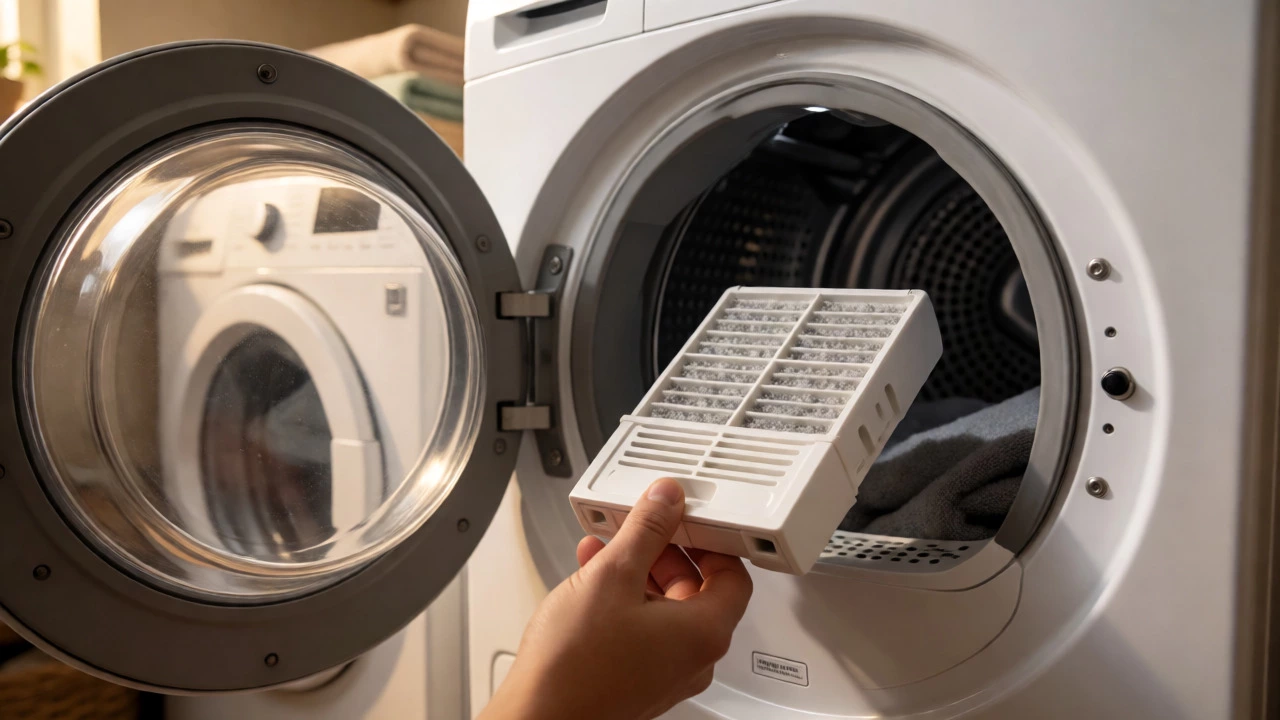
Clean the lint filter after each load. It only takes a few seconds, but removing lint improves airflow and reduces drying time. If the filter looks damp or clogged, give it a quick shake or rinse before letting it dry.
Check the vent hose regularly. A vent that’s blocked with lint or debris can overheat the dryer and waste electricity. Pull the hose out from the back of the machine, detach it from the wall vent, and brush away any buildup. A vacuum with a narrow nozzle works well for tight spots.
Inspect the drum and door seal. Look for small pieces of fabric or foreign objects that might have slipped in during a load. Wipe the drum with a soft, damp cloth to remove residue that could cause slipping or noise.
Don’t overload the dryer. Packing too many clothes reduces airflow, making the dryer work harder. Follow the manufacturer’s capacity guidelines – usually listed in the user manual or on a label inside the door.
Use the right settings. Heavy‑cotton items need a longer cycle, while synthetics dry faster on a lower heat. Matching the load to the cycle avoids excess heat and wear on components like the belt and motor.
Schedule a deep clean once a year. This means removing the dryer from the wall, cleaning the interior exhaust, and checking the heating element for any signs of damage. If you’re not comfortable moving the unit, that’s a good moment to call a professional.
If you notice any of these red flags, it’s time to get a qualified technician involved:
These symptoms often point to problems with the motor, belt, heating element, or vent system that need proper tools and expertise. Trying to fix them yourself could void warranties or cause safety hazards.
When you call a professional, give them a quick rundown of what you’ve already checked. This saves time and helps the technician focus on the likely culprits. Most repairs, like belt replacement or vent clearing, can be done in under an hour and will restore your dryer’s efficiency.
Remember, a little routine care goes a long way. By cleaning the lint filter, keeping the vent clear, and avoiding overloads, you’ll see faster drying, lower energy bills, and a dryer that lasts many years. And when something feels off, don’t hesitate to reach out to a trusted repair service – it’s the safest way to keep your home running smoothly.
Wondering how long your tumble dryer will last? Discover average lifespans by type, signs of wear, and when to repair versus replace.

Dryers can be lifesavers, but when they stop working, it can be a major hassle. This article explores the most common problems that can afflict your dryer and what you can do to address them. From dealing with overheating to fixing peculiar noises, understanding how to diagnose and fix these issues can save you time and money. Whether it's lint blockages, faulty thermostats, or simple cleaning tips, this guide provides practical advice for keeping your dryer running smoothly.

When your tumble dryer stops spinning, it may feel like you've been thrown into a laundry nightmare. Common causes include a worn-out belt, faulty motor, or blocked vents, each with its own set of fixes. Knowing what signs to look for and how to troubleshoot effectively can bring your dryer back to life. Discover practical tips and interesting facts that will help you understand and address common problems with your dryer.