
- 31 Aug 2026
- Gideon Thornton
- 0
Dryer Repair vs. Replace Calculator
Use this tool to determine if it's financially smarter to fix your current machine or invest in a new one. This calculator applies the "50% Rule" and considers brand longevity factors.
Enter your details to see if you should Repair or Replace.
You just pulled a steaming load of towels from the drum, and for a second, you panicked. Did that grinding noise mean your machine is on its last legs? It’s a common worry. Nobody wants to spend £600 on a new unit if the current one has another three years left in it. But nobody wants to keep throwing money at repairs for a dying beast, either.
The short answer? A typical tumble dryer lasts between 10 to 13 years. That’s the industry standard backed by data from the National Association of Home Builders and major manufacturers like Miele and Bosch. But here’s the kicker: some die at year five, while others chug along happily until year fifteen. The difference isn’t luck; it’s usage patterns, maintenance habits, and whether you’re using a vented or condenser model.
The Real Numbers Behind Dryer Lifespans
Let’s look at what actually kills these machines. It’s rarely the motor burning out in a dramatic puff of smoke. Usually, it’s a slow decline caused by lint buildup, worn belts, or failing heating elements. If you treat your dryer like a car-checking fluids (or rather, cleaning filters) and listening for weird noises-you can push past that 10-year mark easily.
Vented dryers tend to have slightly longer lifespans than condenser models because they are mechanically simpler. There’s no complex heat pump system or water tank to manage. However, modern heat pump dryers, which use refrigerant technology similar to a fridge, are becoming more durable as manufacturing improves. In 2026, we’re seeing heat pump units lasting closer to 12 years if serviced annually, whereas ten years ago, they struggled to hit eight.
| Dryer Type | Average Lifespan (Years) | Common Failure Point | Maintenance Effort |
|---|---|---|---|
| Vented Electric | 10-13 | Heating element / Belt | Low |
| Vented Gas | 13-15 | Igniter / Vent blockage | Medium |
| Condenser | 8-10 | Pump failure / Sensor issues | High |
| Heat Pump | 10-12 | Refrigerant leak / Filter clog | Very High |
Signs Your Dryer Is Nearing the End
How do you know if you’re in the danger zone? Ignore the marketing hype about "smart features" and focus on physical symptoms. If your clothes come out damp after a full cycle, that’s not always a fault-it might just be a blocked vent. But if cleaning the filter and checking the exhaust hose doesn’t fix it, the airflow system is compromised.
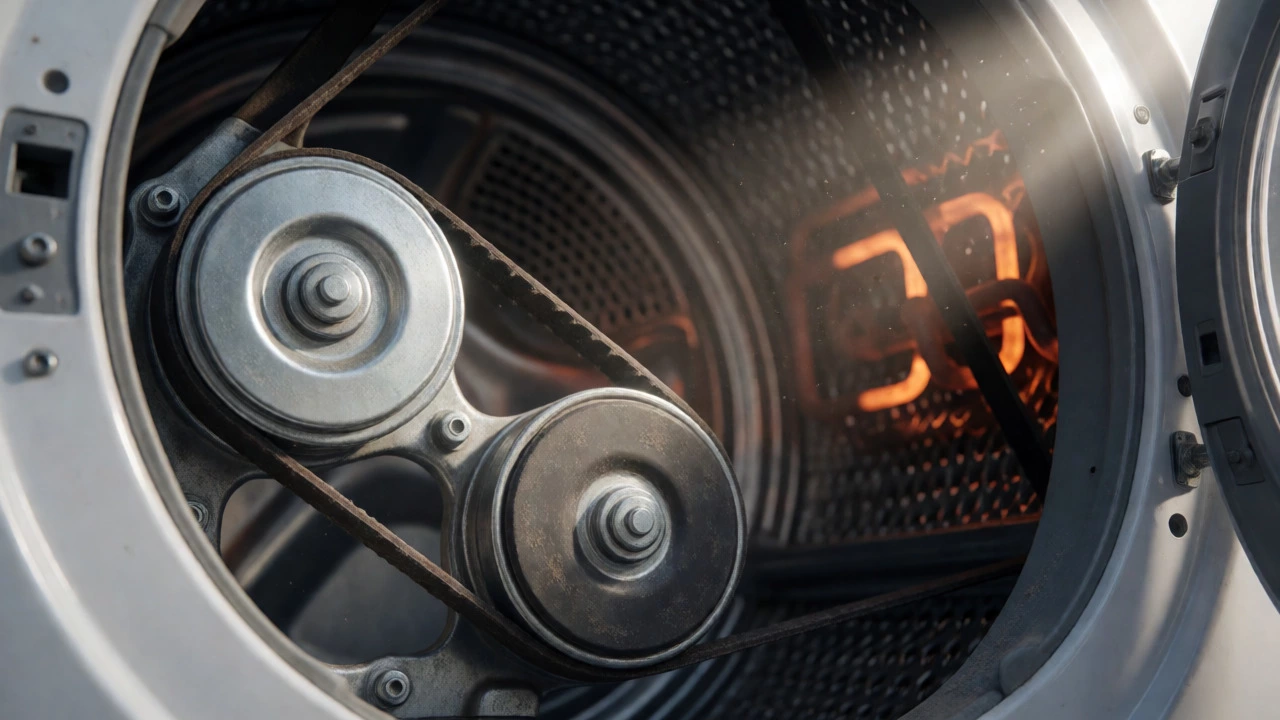
Listen to the drum. A rhythmic thumping usually means the idler pulley or rollers are shot. These parts cost maybe £20-£40 to buy. Replacing them is a weekend DIY job for many. But if you hear a high-pitched squeal that changes pitch when you spin the drum by hand, the rear bearing might be gone. On cheaper models, replacing a rear bearing often costs more in labour than the machine is worth.
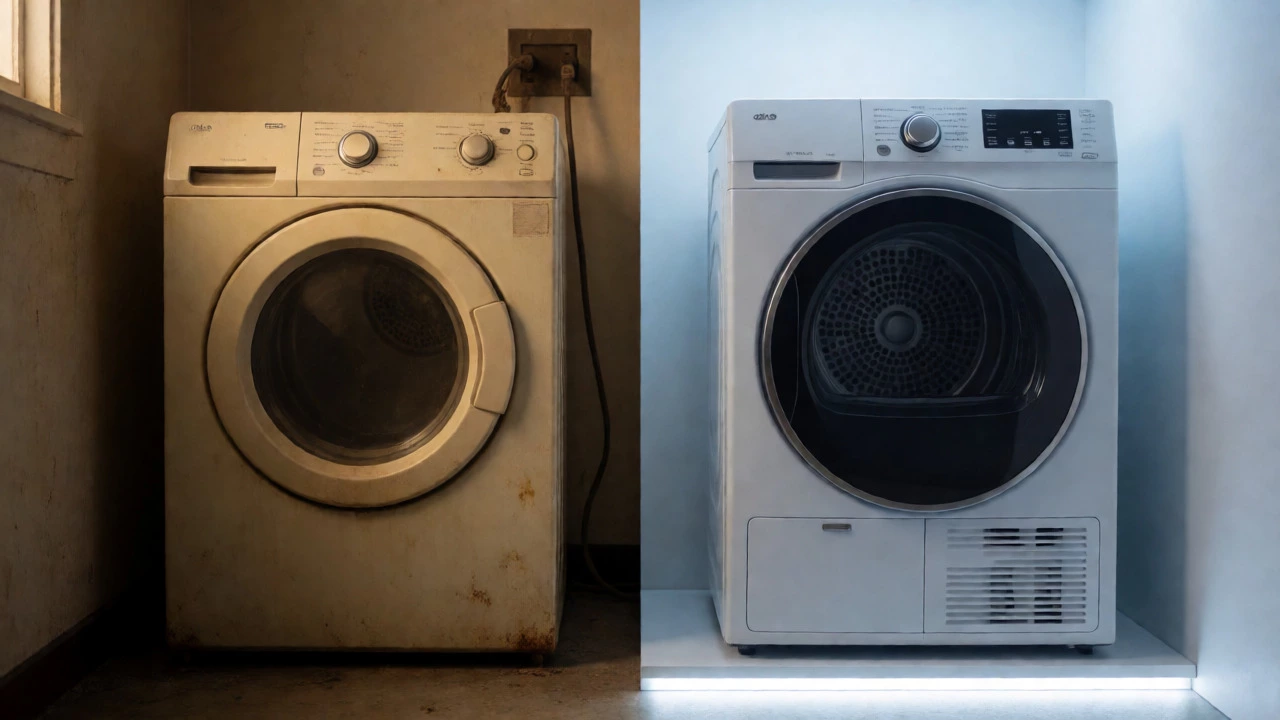
Another red flag? Age combined with frequency. If you have a budget brand (think basic White Goods brands) and it’s over seven years old, and you run it daily, you’re likely hitting the wear-out phase. Premium brands like Miele build their drums with stainless steel and stronger motors designed for commercial-like cycles. They expect to last 20 years. Budget brands? They plan for obsolescence around the warranty expiry plus two years.
Repair vs. Replace: The Break-Even Math
This is where most people get stuck. Should you pay £150 for a technician to swap a heating element on a nine-year-old dryer? Or should you put that money toward a deposit on a new one?
Use the 50% rule. If the repair cost exceeds 50% of the price of a comparable new model, replace it. But there’s a nuance here. If your dryer is under 7 years old, even a £200 repair might be worth it because you still have 3-5 years of life left. If it’s 12 years old, spending £150 buys you uncertainty. You might fix the heater today, but the control board could fail next month.
Consider energy efficiency too. An old electric dryer uses significantly more power than a modern A++ rated heat pump model. Over five years, the energy savings from a new efficient dryer can offset a portion of the purchase price. Check your electricity bill. If drying costs are skyrocketing, an upgrade pays dividends.
How to Extend Your Dryer’s Life
You can’t change the age of your machine, but you can stop premature aging. Here’s what actually works:
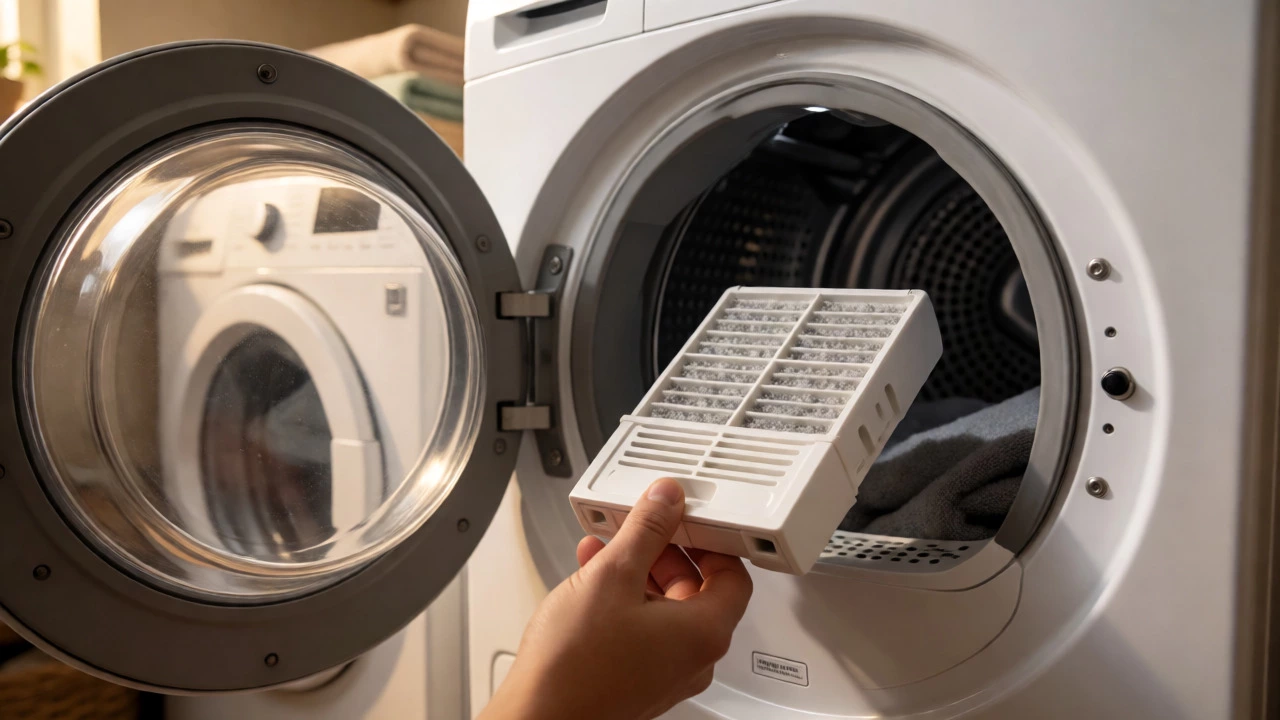
- Clean the lint trap every single time. No exceptions. Lint restricts airflow, forcing the heating element to work harder and hotter, which burns it out faster.
- Check the external vent cap. Once a season, go outside and make sure air is blowing out strongly. Birds love nesting in vent hoods. A blocked vent causes overheating and trips the thermal fuse repeatedly.
- Don’t overload the drum. Clothes need space to tumble. Stuffing the drum blocks airflow, leaving clothes damp and straining the motor and belt.
- Level the machine. If your dryer walks across the floor, it’s vibrating excessively. This shakes loose internal components and wears down bearings unevenly.
For condenser and heat pump models, emptying the water tank is obvious, but cleaning the condenser unit itself is critical. Dust accumulates in the fins of the condenser. If you don’t vacuum it monthly, the heat exchange efficiency drops, and the compressor works overtime.
When to Call a Pro vs. DIY
Can you fix it yourself? For simple things like a broken door latch, a clogged lint trap housing, or a snapped belt, yes. YouTube tutorials are excellent for these tasks. You’ll save £80-£120 in callout fees.
But leave electrical diagnostics to the pros. Testing a thermal fuse requires a multimeter and knowing where to probe without shocking yourself. Gas dryers? Unless you’re qualified, never touch the gas valve or igniter assembly. A leaking gas connection is dangerous, not just expensive.
In Bristol, local technicians often see the same pattern: people ignore strange noises for months, then call us when the drum won’t turn at all. By then, the belt has shredded and damaged the idler pulley. Catching it early saves cash. If your dryer starts making noise, stop using it immediately and investigate. Continuing to run a jammed dryer can burn out the motor, turning a £50 repair into a £300 disaster.
Frequently Asked Questions
Is it worth repairing a 10-year-old dryer?
It depends on the repair cost and the brand. If it’s a premium brand like Miele or Siemens and the repair is under £100, yes. If it’s a budget brand and the repair is over £150, probably not. At 10 years, you’re near the end of the average lifecycle, so investing heavily carries risk.
Why did my new dryer break after only 3 years?
This is often due to poor ventilation. If the external vent was blocked during installation or never cleaned, the machine overheats constantly. This stresses the heating element and control board. Regular maintenance prevents this premature failure.
Do heat pump dryers last longer than vented ones?
Not necessarily. Heat pump dryers have more complex components (compressors, refrigerant lines, sensors), which creates more potential failure points. Vented dryers are simpler and thus often have fewer things to go wrong, though they are less energy-efficient.
What is the most common reason dryers stop working?
The #1 cause is a blown thermal fuse due to restricted airflow from lint buildup. It’s cheap to fix (£10 part) but indicates you haven’t been cleaning the vents regularly. The second most common is a broken drive belt.
How long does a dryer belt last?
A good quality rubber belt typically lasts 5-7 years depending on usage. If you hear a loud slapping sound or the drum spins but doesn’t tumble clothes, the belt may be snapped. Replacement is inexpensive and straightforward for DIYers.