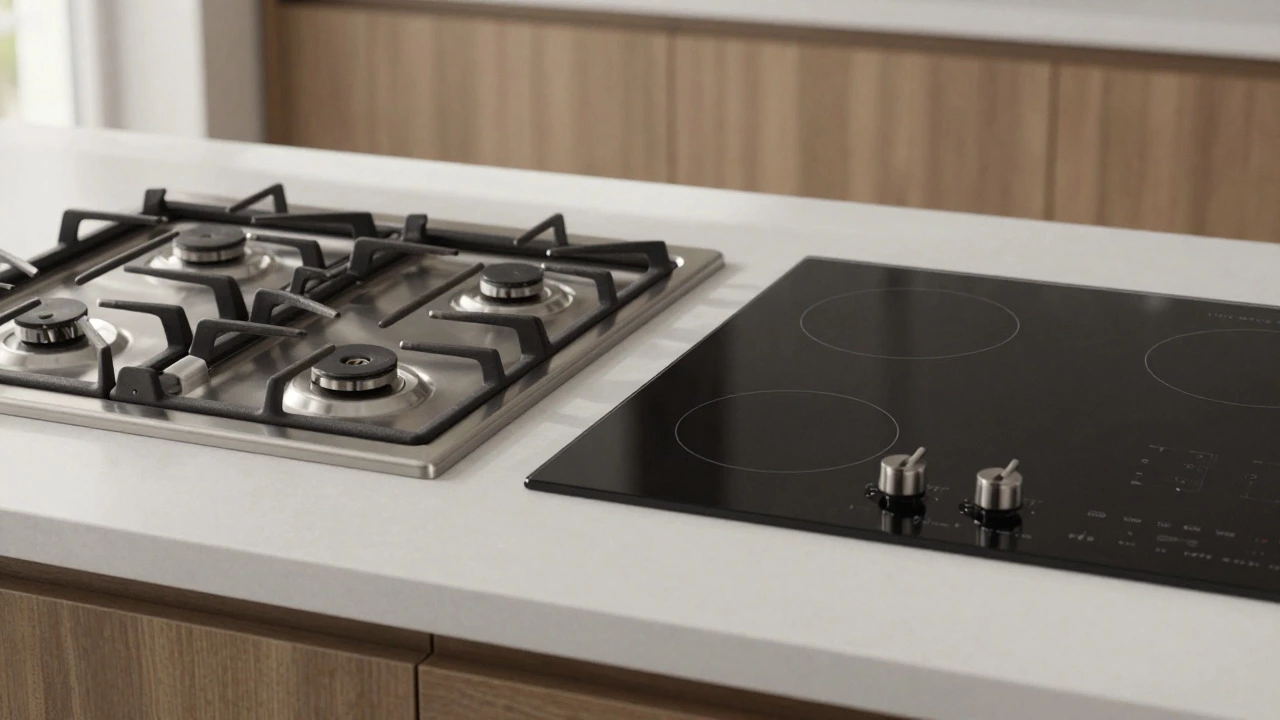
Discover the average lifespan of gas, electric, ceramic, and induction hobs. Learn key signs of failure, repair vs. replace advice, and maintenance tips to extend your hob's life.

If the burners on your electric hob are flickering, not heating, or the surface is cracked, you’re probably wondering whether to repair or replace it. The answer isn’t always obvious, but you can avoid costly mistakes by looking at the symptoms, safety issues, and the age of the unit. Below we break down the key signs that it’s time for a new hob and give you a simple step‑by‑step plan to get a fresh cooktop up and running.
First, check these common problems. If any of them match what you’re seeing, replacement is likely the smarter move:
When you spot one of these, weigh the repair cost against the price of a new unit. In most cases, a replacement under £300–£500 will give you a longer warranty and better energy use.
Ready to swap out the old hob? Follow these steps for a smooth DIY job. If you’re not comfortable with any part of the process, call a local Nuneaton technician – safety first.
That’s it – a new electric hob in a few hours. If anything feels off during the test (e.g., one burner still won’t heat), turn the power off again and double‑check the connections. Most issues are simple wiring mistakes.
When choosing a replacement, consider a model with a good warranty, easy‑clean surface, and clear control panels. Energy‑saving features like rapid‑heat zones can also cut your electricity bill.
Bottom line: if your hob shows multiple warning signs or is over a decade old, swapping it out is usually cheaper and safer than endless repairs. Follow the steps above, or let a Nuneaton professional handle the job, and you’ll have a reliable cooking surface again in no time.
Discover the average lifespan of gas, electric, ceramic, and induction hobs. Learn key signs of failure, repair vs. replace advice, and maintenance tips to extend your hob's life.

Thinking about swapping out your electric hob but not sure if you can do it yourself? This article covers whether you need an electrician for the job, what could go wrong if you try it yourself, and what UK regulations say about electrical work. Get the facts, including safety tips and cost insights, before you make a decision. We’ll also break down what happens step-by-step during a professional installation. Don’t risk your kitchen or your safety—find out the right approach.