- 2 Aug 2026
- Gideon Thornton
- 0
Hob Repair vs. Replace Calculator
Enter the details of your hob below to get a personalized recommendation.
Key Factors:
Disclaimer: This tool provides general guidance based on industry averages. Always consult with a professional technician for a definitive diagnosis.
That moment when your morning coffee routine hits a snag because one burner refuses to light or the glass surface has developed a mysterious crack-it’s frustrating. You might be wondering if it’s time to call in the pros for hob repair or if you should just bite the bullet and buy a new unit. The truth is, hobs don’t all die at the same age. A well-maintained gas model can outlive its owner, while a neglected induction cooktop might give up the ghost after just five years.
Understanding what affects the longevity of your cooking surface helps you make smarter decisions about maintenance versus replacement. It also saves you from paying for unnecessary repairs on a dying appliance or replacing a perfectly good machine that just needed a cleaning.
The Average Lifespan by Hob Type
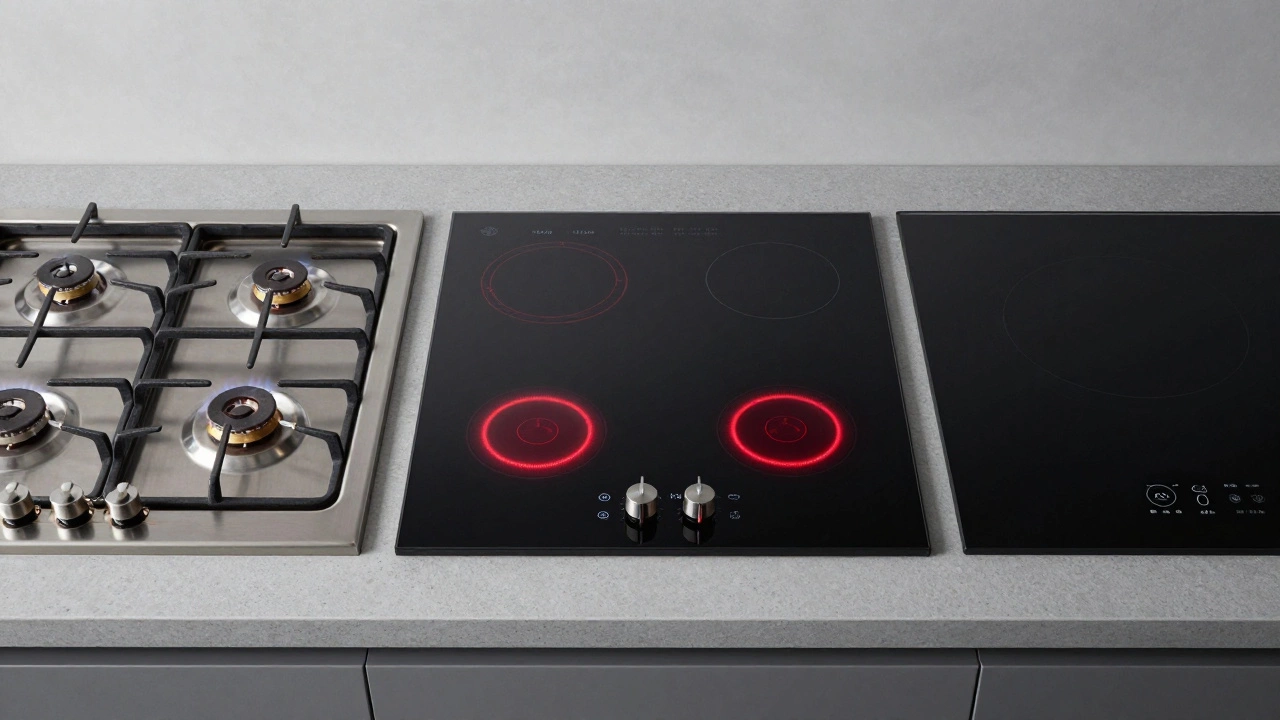
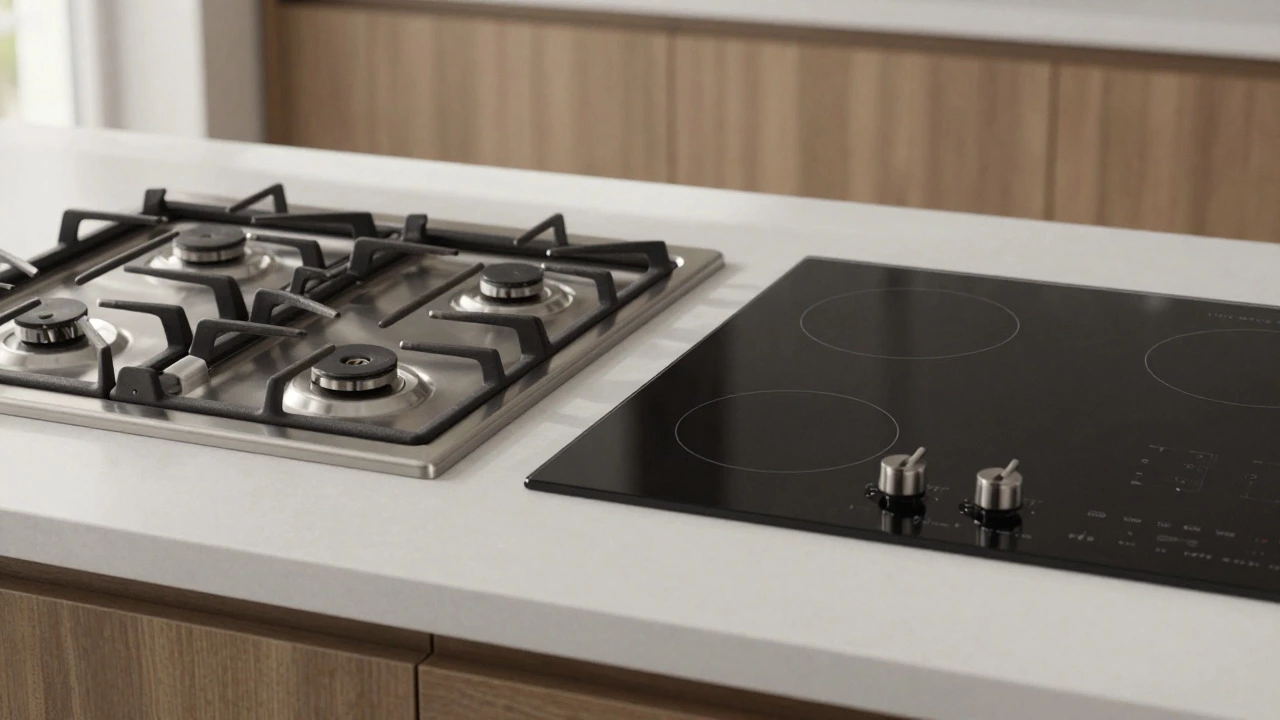
Not all cooking surfaces are created equal. The materials used and the technology behind them dictate how long they’ll last. Generally speaking, you can expect different lifespans depending on whether you have gas, electric, ceramic, or induction models.
| Hob Type | Average Lifespan | Key Failure Points |
|---|---|---|
| Gas Hob | 15-20+ years | Clogged jets, worn igniters, valve leaks |
| Electric Coil Hob | 10-15 years | Burnt-out coils, switch failures |
| Ceramic Hob | 10-13 years | Cracked glass, heating element burnout |
| Induction Hob | 10-15 years | Control board issues, sensor faults |
Gas hobs are the workhorses of the kitchen. Because they rely on mechanical valves and simple gas flow rather than complex electronics, they tend to last the longest. If the cast iron pan supports don’t rust through and the gas supply remains steady, a gas hob can easily go two decades without major issues. Electric coil hobs are simpler than their modern counterparts but suffer from physical wear on the coils themselves. Ceramic and induction hobs share similar electronic components, which means their lifespan is often dictated by the quality of the internal circuitry rather than the surface itself.
Factors That Shorten Your Hob’s Life
Why do some hobs fail early while others thrive? It usually comes down to three things: usage habits, maintenance, and environmental factors.
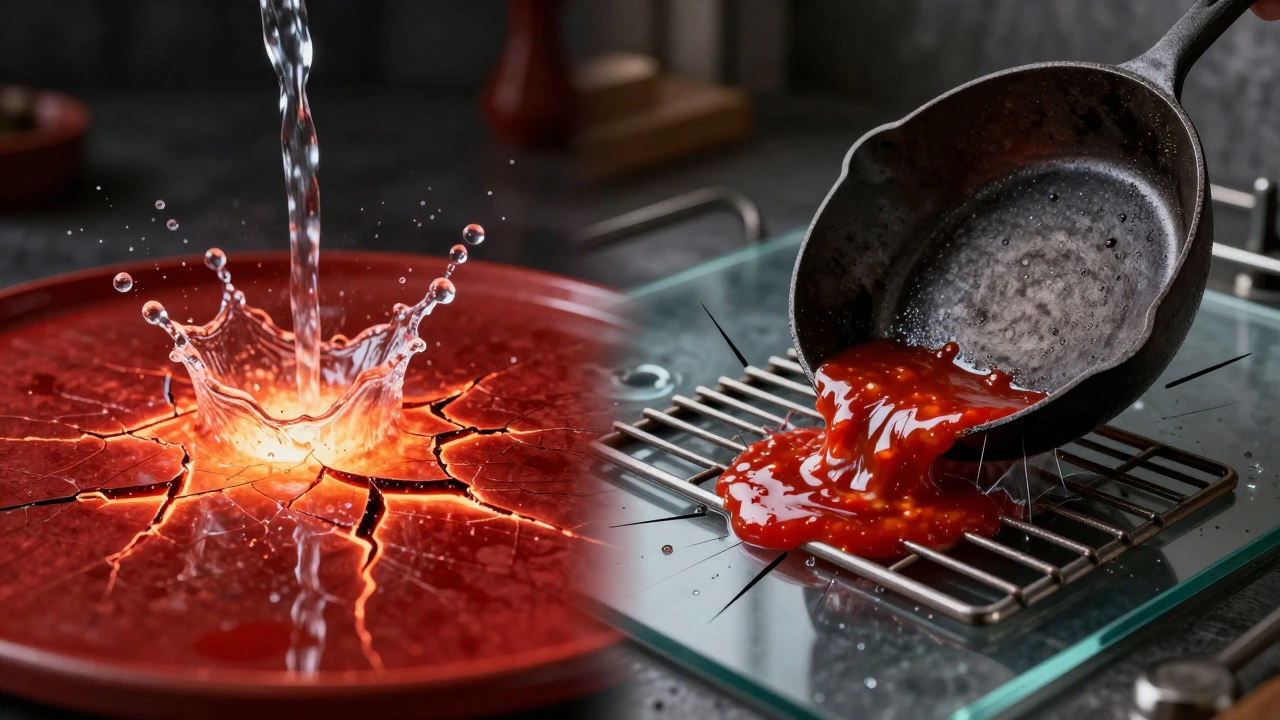
- Thermal Shock: This is the enemy of ceramic and glass hobs. Pouring cold water onto a hot surface can cause micro-cracks that eventually lead to a shattered panel. Always let the hob cool down before cleaning.
- Acidic Spills: Tomato sauce, vinegar, and citrus juices can eat away at the enamel coating of electric hobs and corrode the metal grates of gas hobs if left uncleaned.
- Heavy Pots: Dropping heavy cast-iron skillets onto a glass-ceramic surface is a recipe for disaster. Even small impacts can weaken the glass over time.
- Dust and Debris: For gas hobs, clogged burner jets cause uneven flames, which forces the gas valve to work harder and can lead to premature failure. For induction hobs, dust under the control knobs can interfere with touch sensors.
In Bristol, where we get our fair share of damp weather, humidity can also play a role. Moisture getting into the electrical connections of an induction or ceramic hob can cause short circuits. Regular drying and ensuring the area around the hob is ventilated helps mitigate this risk.
Signs Your Hob Is Dying (And Needs Attention)
You don’t need to be an engineer to spot trouble. Here are the red flags that indicate your hob is nearing the end of its useful life or needs immediate repair.
- Inconsistent Heating: If one zone heats up slowly or doesn’t reach the set temperature, the heating element or gas valve might be failing. On induction hobs, this could signal a problem with the copper coil underneath the glass.
- Strange Noises: Clicking sounds from a gas hob that won’t stop mean the spark igniter is stuck. Buzzing or humming from an electric or induction hob often points to a failing fan or transformer.
- Visible Damage: Cracks in the glass surface are dangerous. They can expose live wires or allow gas to leak. Enamel chips on electric hobs can rust and spread, ruining the look and function.
- Error Codes: Modern induction and ceramic hobs display error codes when sensors detect faults. While these can sometimes be reset, persistent errors usually indicate a hardware failure.
- Uneven Flames: On gas hobs, yellow or lifting flames suggest air intake issues or dirty jets. Blue flames should be crisp and even. Yellow flames produce carbon monoxide, so fix this quickly.
If you notice any of these signs, assess the age of your hob. If it’s within its expected lifespan, a repair is likely cost-effective. If it’s older than 10-15 years, consider whether investing in a repair makes sense compared to upgrading to a more efficient model.
Repair vs. Replace: Making the Right Choice
This is the big question. Should you spend £150-£300 on a repair, or invest £400-£1,000+ in a new hob? Here’s a simple decision framework.
Repair if:
- The hob is less than 7 years old.
- The issue is minor (e.g., clogged jet, faulty igniter, broken knob).
- The repair cost is less than 50% of the price of a new equivalent model.
- You love the current design and performance.
Replace if:
- The hob is over 10-12 years old.
- The main control board or multiple heating elements have failed.
- The glass surface is cracked (safety hazard).
- You want better energy efficiency (induction uses up to 50% less energy than gas).
- The repair quote exceeds £250 for a standard model.
In many cases, repairing a gas hob is straightforward and affordable. Replacing a gas valve or cleaning jets costs significantly less than buying a new unit. However, for induction hobs, the complexity of the electronics means that major repairs can be expensive. If the main PCB (printed circuit board) goes, it’s often cheaper to replace the whole hob.

How to Extend Your Hob’s Life
Prevention is always cheaper than cure. Follow these tips to keep your hob running smoothly for years.
- Clean Daily: Wipe up spills immediately. Use a dedicated hob cleaner for ceramic and glass surfaces. Avoid abrasive scouring pads that scratch the finish.
- Use the Right Cookware: For induction hobs, use magnetic-bottom pans. Flat-bottomed pots ensure even heat distribution and prevent hotspots. Avoid warped or dented bases.
- Don’t Overheat Empty Pans: Leaving an empty pan on high heat can damage the heating elements and warp the glass surface.
- Check Gas Jets Regularly: Every six months, remove the burner caps and clean the jets with a pin or compressed air to ensure proper airflow.
- Protect the Surface: Use trivets for hot pots when moving them off the hob. Avoid sliding heavy pans across the surface; lift them instead.
For gas hobs, inspect the rubber seals around the knobs annually. Worn seals can let moisture and grease into the mechanism, causing sticking or failure. A quick replacement of these seals can add several years to the life of your hob.
Common Misconceptions About Hob Longevity
There’s a lot of myth surrounding appliance lifespans. Let’s clear up a few common misunderstandings.
“Induction hobs are fragile.” Actually, the glass surface on induction hobs is toughened and resistant to scratches. The real vulnerability is the electronics underneath, not the glass itself. Proper care prevents most issues.
“Gas hobs are unsafe.” Modern gas hobs come with flame failure devices that cut off the gas supply if the flame goes out. As long as they’re maintained and installed correctly, they are very safe.
“Older hobs are less efficient.” While true for electric coil models, older gas hobs can still be quite efficient. However, newer induction models offer superior energy savings and faster cooking times, which can justify an upgrade even if your old hob still works.
Is it worth repairing a 15-year-old hob?
Generally, no. At 15 years old, most hobs are near or past their expected lifespan. Unless it’s a high-end gas model with a simple mechanical fault, the cost of repair often outweighs the benefit. Consider replacing it with a more energy-efficient model.
How much does hob repair cost in the UK?
Minor repairs like replacing an igniter or cleaning jets typically cost between £80 and £150. Major repairs involving control boards or heating elements can range from £150 to £300. Always get a written quote before proceeding.
Can I use any pan on an induction hob?
No. Induction hobs require ferromagnetic cookware. Test your pan with a magnet-if it sticks strongly, it will work. Non-magnetic materials like copper or aluminum (unless they have a magnetic base layer) will not heat up.
Why is my gas hob clicking but not lighting?
This is usually caused by a dirty or wet spark electrode. Clean the electrode with a dry cloth or soft brush. If the problem persists, the igniter module may need replacement.
Does cleaning affect the lifespan of a ceramic hob?
Yes. Using abrasive cleaners or steel wool can scratch the surface, making it prone to cracking. Always use a dedicated ceramic hob scraper and non-abrasive cleaner to maintain the integrity of the glass.