- 9 Nov 2026
- Gideon Thornton
- 0
Why Is Hot Water Coming Out of My Sink But Not My Shower? Causes & Fixes
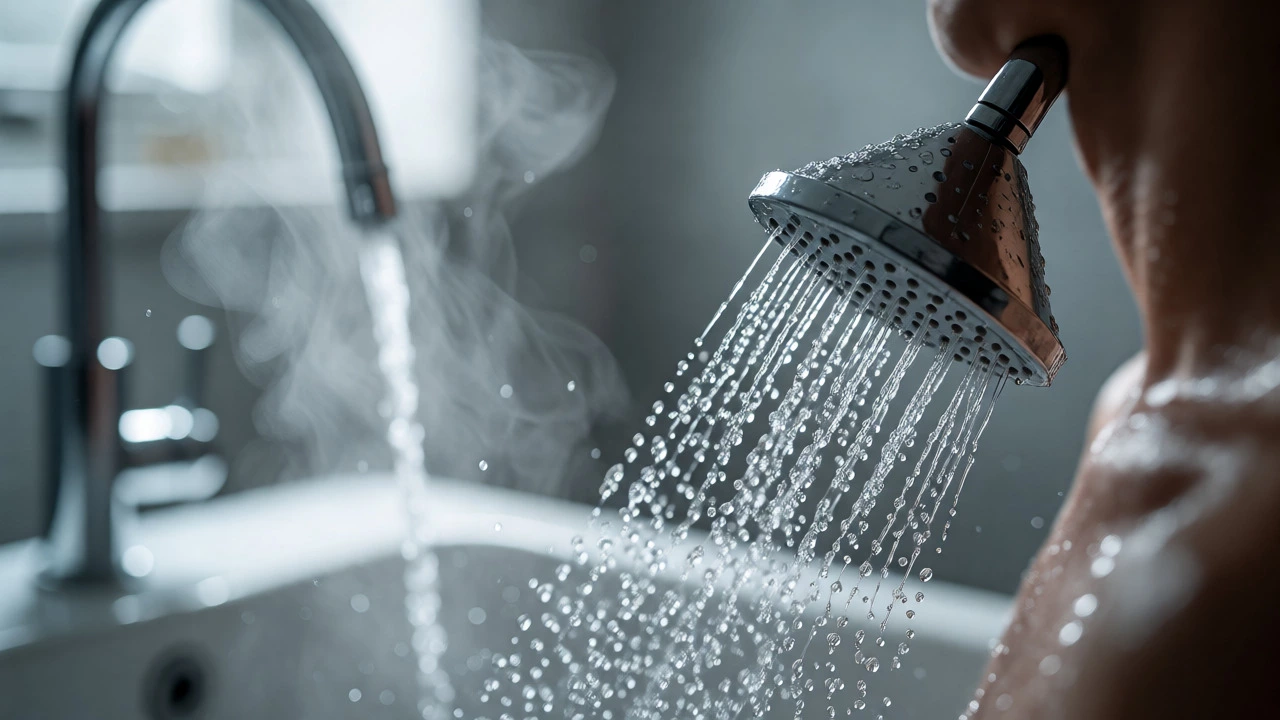
Discover why your shower lacks hot water while your sink works fine. Learn about diverter valves, limescale, and boiler flow rates.

If you’ve ever taken a cold shower because the hot water stopped, you know how annoying it can be. The good news is most hot‑water problems have simple causes you can check yourself before ringing a repair service. Below you’ll find quick checks, safety tips, and clear signs it’s time to get a qualified technician.
First, understand what usually makes a water heater quit. In Nuneaton’s climate, hard water and sediment are big culprits. Over time, minerals settle at the bottom of the tank and block the heating element or burner, causing the water to stay lukewarm.
Another frequent issue is a faulty thermostat. If the thermostat is stuck low, the heater won’t fire up enough to bring the water to the right temperature. Check whether the thermostat dial (if you have a manual one) is set to the recommended 120‑130°F (49‑54°C).
Electrical problems also play a part. Loose connections, a tripped breaker, or a blown fuse can cut power to an electric heater. For gas models, a pilot light that won’t stay lit or a bad gas valve will stop heating. These symptoms usually show up as a complete loss of hot water rather than just a temperature dip.
Here’s a quick, safe routine you can do in under ten minutes:
After each step, run hot water at a tap for a minute to see if the issue is resolved. If you still have cold or lukewarm water, it’s time to call a specialist.
When you reach out to a repair service, be ready to give them details: the type of heater (electric or gas), its age, any recent changes (like a power cut), and which DIY steps you’ve already tried. This saves time and can lower the cost of the visit.
Regular maintenance keeps your hot water reliable and extends the life of the unit. Aim to flush the tank once a year, especially if you have hard water. Check the anode rod every two years—replacing it prevents corrosion inside the tank.
Finally, remember safety first. Never work on a heater that’s still connected to power or gas unless you’re sure you know what you’re doing. If anything feels risky, call a Gas Safe registered engineer or a qualified electrician.
With these quick checks and a plan for routine care, you’ll spend less time shivering under a cold shower and more time enjoying a comfortable home. Got more hot‑water questions? Browse the articles below for deeper dives into flushing, resetting, and choosing the right replacement when the time comes.
Discover why your shower lacks hot water while your sink works fine. Learn about diverter valves, limescale, and boiler flow rates.
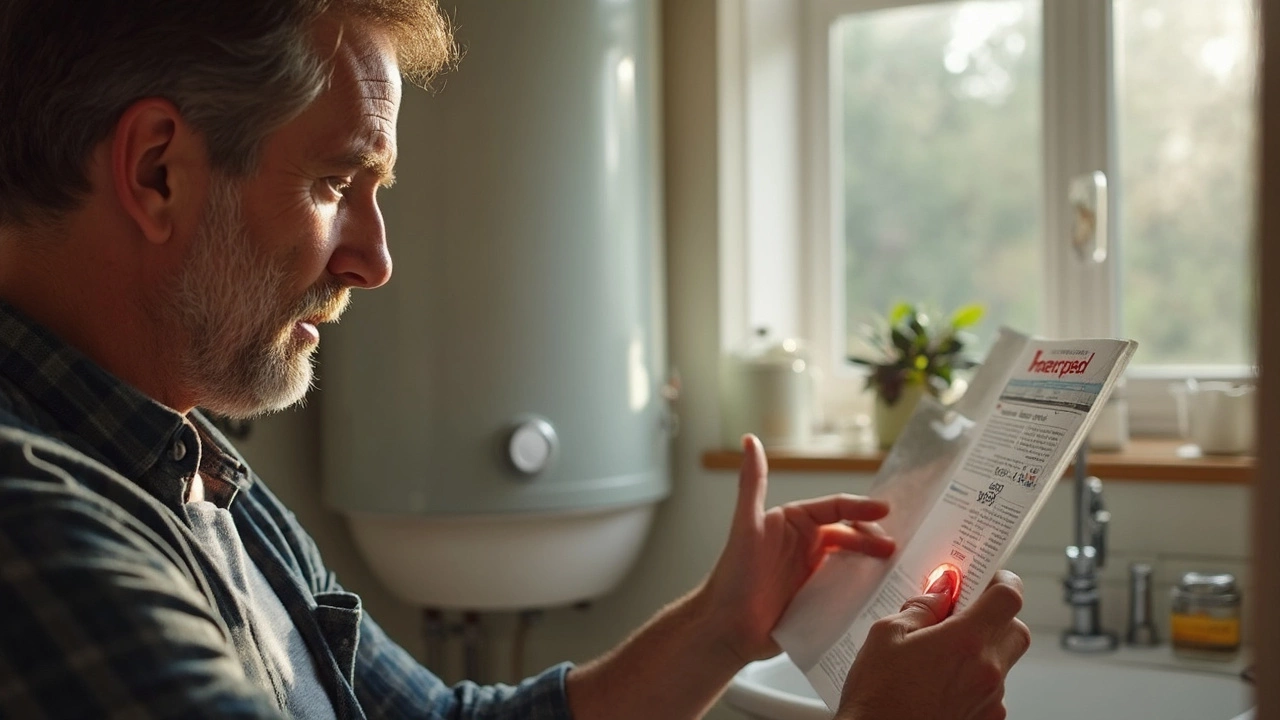
Pressing the reset button on a water heater seems simple, but timing really matters. Lots of folks rush or overhold the button, which can actually make things worse. This article covers exactly how long you should push that reset button, why it matters, and what to do if the water heater doesn’t come back to life. You’ll find easy tips and common mistakes to avoid, so your hot water comes back without extra hassle. No guesswork, just clear advice for getting your water heater running again.

Tired of cold showers and wondering where your hot water has gone? This comprehensive guide breaks down the practical steps to diagnose and resolve the issue when your shower runs cold. From checking your water heater's settings to understanding potential plumbing problems, we've got the details covered. Dive into simple fixes and learn when it's time to call an expert. Restore your hot showers and get back to comfort with these practical tips.