- 18 Oct 2025
- Gideon Thornton
- 0
Most Common Washing Machine Failure Explained
Discover the most common washing machine failure, why drum bearings fail, symptoms, DIY fixes, and when to call a professional.

When dealing with washing machine failure, the sudden loss of spin, leaks, or strange noises that halt your laundry routine. Also known as washer breakdown, it typically stems from wear on key components, electrical glitches, or blocked pathways. Washing machine failure encompasses component wear, requires diagnostic tools, and influences repair costs. Below we break down the most common culprits and how you can address them.
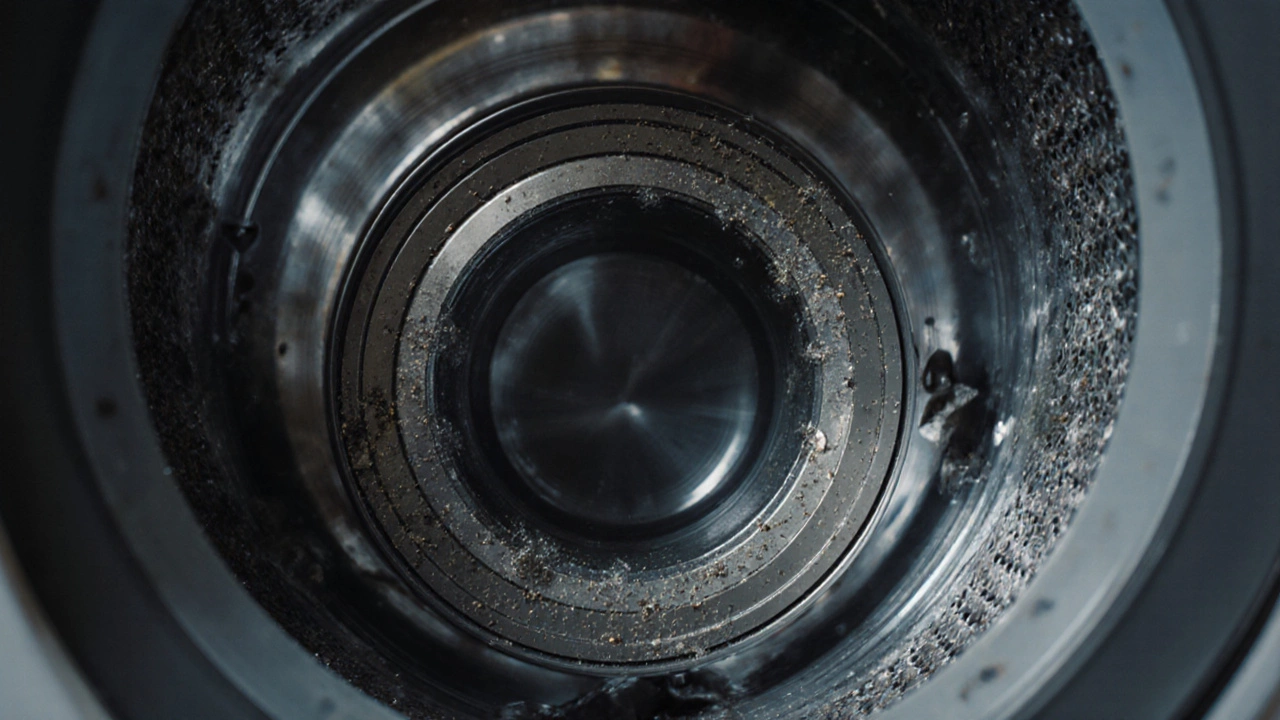
The first thing to check is the drum bearing, the part that lets the drum rotate smoothly. When a bearing wears out, you’ll hear a grinding noise and the machine may stop spinning. Replacing a drum bearing costs more than a typical service call, so many homeowners weigh the expense against buying a new washer. Another frequent offender is the control board, the electronic brain that tells the motor when to start and stop. Faulty boards often cause error codes on the display and can be diagnosed with a multimeter. If the board fails, a professional repair is usually safer than a DIY swap because of high voltage risks.
Water flow problems usually point to the water pump, the pump that extracts dirty water during the spin cycle. A blocked pump will make the machine stall or leak water onto the floor. Clearing debris from the pump filter is a quick fix most users can do in ten minutes. However, if the pump motor is burnt out, replacement costs rise quickly and many choose to replace the whole unit. These three components—drum bearing, control board, water pump—represent the bulk of repair expense, which is why understanding their symptoms helps you decide between fixing or replacing.
Beyond hardware, many failures arise from simple maintenance lapses. Overloading the drum stresses the suspension springs and can cause premature bearing wear. Using too much detergent creates excess suds that clog the pump and lead to leaks. Regularly cleaning the lint filter and running a hot rinse cycle can prevent odors and keep internal parts free of buildup. Think of maintenance as a low‑cost insurance policy that reduces the chance of expensive breakdowns.
When you spot a problem, the diagnostic process follows a clear pattern: identify the symptom, locate the related component, and test with the right tool. For example, a machine that won’t spin but fills with water often points to a broken lid switch or a faulty motor capacitor. A multimeter will tell you if the capacitor still holds a charge. Similarly, error codes displayed on modern washers usually map to specific parts, so a quick online lookup can save a service call.
Cost is another major factor. The most expensive washing machine parts—like the drum bearing assembly or control board—can run between £150 and £300 in the UK. If your washer is older than ten years, those figures may tip the balance toward a replacement, especially when energy‑efficiency standards have improved. However, a mid‑life machine with a minor pump issue can be back in action for under £100, making a repair a sensible short‑term solution.
DIY repair is tempting, and many of the fixes listed above are safe for a confident homeowner. The key is to disconnect power before you start, use the correct screwdriver sizes, and follow step‑by‑step guides that match your model. For more complex tasks—like swapping a control board—calling a certified technician ensures the work meets safety standards and preserves any remaining warranty.
In summary, washing machine failure usually stems from three main areas: worn mechanical parts, electronic control issues, and poor maintenance. Knowing which component is at fault lets you estimate repair costs, decide on DIY versus professional help, and keep your laundry routine running smoothly. Below you’ll find a curated collection of articles that dive deeper into each of these topics, from detailed part cost breakdowns to full DIY repair guides.
Discover the most common washing machine failure, why drum bearings fail, symptoms, DIY fixes, and when to call a professional.