- 29 Jun 2026
- Gideon Thornton
- 0
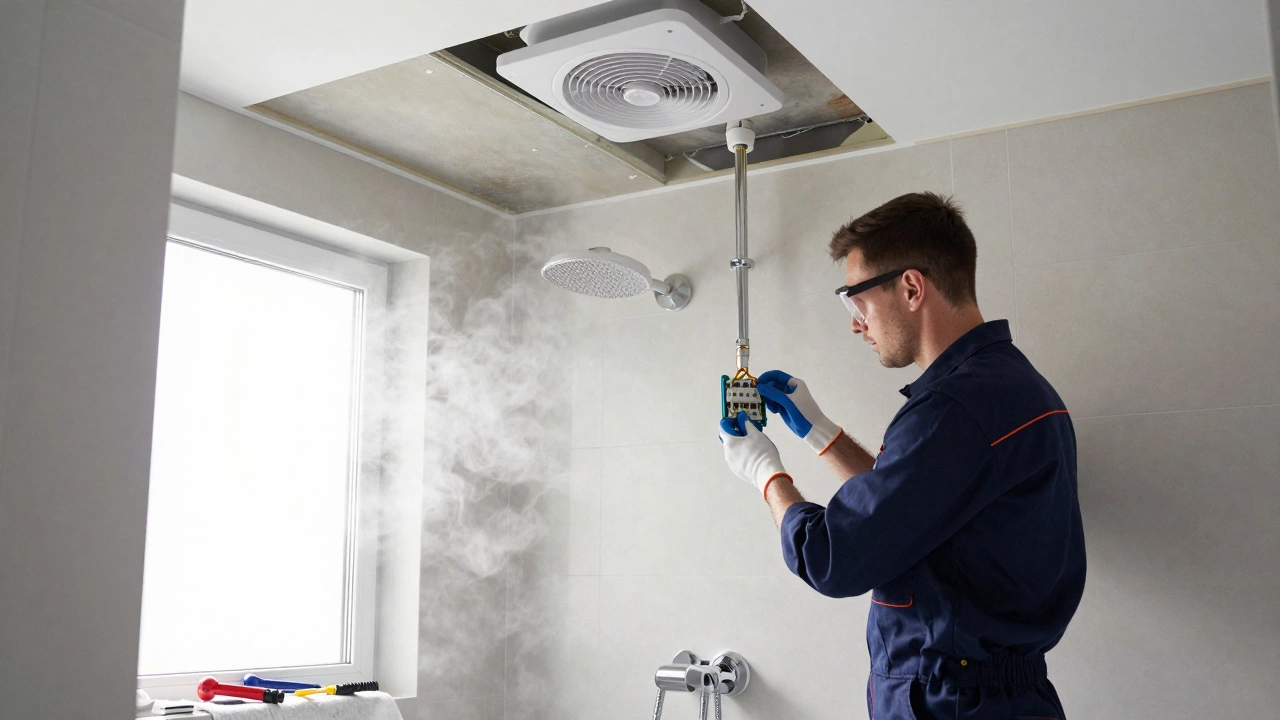
Staring at a noisy, rattling extractor fan in your bathroom or kitchen can be frustrating. You know it needs replacing, but the real question is: who actually installs these things? Can you do it yourself, or do you need to call a professional? The answer isn't as simple as 'yes' or 'no.' It depends on where the fan is going, how it’s powered, and whether you’re dealing with just a swap-out or a new electrical circuit.
In the UK, installing an extractor fan is a mechanical device used to remove moist air, odors, and pollutants from enclosed spaces like bathrooms and kitchens involves both plumbing (ducting) and electrical work. Getting this wrong doesn’t just mean a broken fan; it can lead to mold growth, structural damage, or even fire hazards if wiring is mishandled.
The Short Answer: Who Should Do It?
If you are simply replacing an existing fan with a similar model in the same location, and you are comfortable working with electricity, you might consider doing it yourself. However, for most homeowners, hiring a qualified professional is the safer and more compliant route. Here is the breakdown of who typically handles these jobs:
- Qualified Electricians: They handle the power supply, switching, and timer connections. This is mandatory if you are adding a new circuit or modifying existing wiring.
- Plumbers or Ventilation Specialists: They deal with the ductwork, ensuring air flows out correctly without leaking into loft spaces or walls.
- General Builders/DIYers: Suitable only for like-for-like replacements where no new drilling or electrical changes are needed.
When Is It a Job for an Electrician?
An electrician is a tradesperson trained to install and maintain electrical systems in buildings becomes necessary whenever the installation involves Part P of the Building Regulations in England and Wales. This part covers electrical safety in dwellings.
You definitely need an electrician if:
- You are creating a new circuit: If there is no power source nearby and you need to run a new cable from your consumer unit (fuse box), this is not a DIY job.
- You are installing a switch or timer: Most modern fans come with interlock switches or timers that stay on after the light is turned off. Wiring these requires knowledge of live, neutral, and earth connections.
- The existing wiring is old or unsafe: If the previous owner used daisy-chained plugs or damaged cables, an electrician must fix this before connecting the new fan.
Even if you are handy with a screwdriver, messing with mains electricity carries risks. A spark in a damp bathroom environment is dangerous. Furthermore, under current regulations, any new electrical work in a special location (like a bathroom) must be notified to your local building control body unless done by a registered competent person (like someone on the NICEIC or NAPIT schemes).
The Role of Plumbers and Ventilation Experts
While electricians handle the power, the physical removal of air is a mechanical task. This is where plumbers or specialized ventilation contractors step in. Their primary concern is the ducting system is the network of pipes that carries extracted air from the fan to the outside of the building.
A common mistake DIYers make is ignoring the ductwork. They buy a powerful fan but leave the old, flexible plastic hose that kinks easily. This restricts airflow, making the fan louder and less effective. Professionals will:
- Install rigid ducting (usually 100mm diameter) which offers less resistance.
- Ensure the external vent grille has a proper backdraft shutter to prevent cold air and birds from entering.
- Check that the duct doesn’t pass through uninsulated roof spaces where condensation can freeze or cause mold.
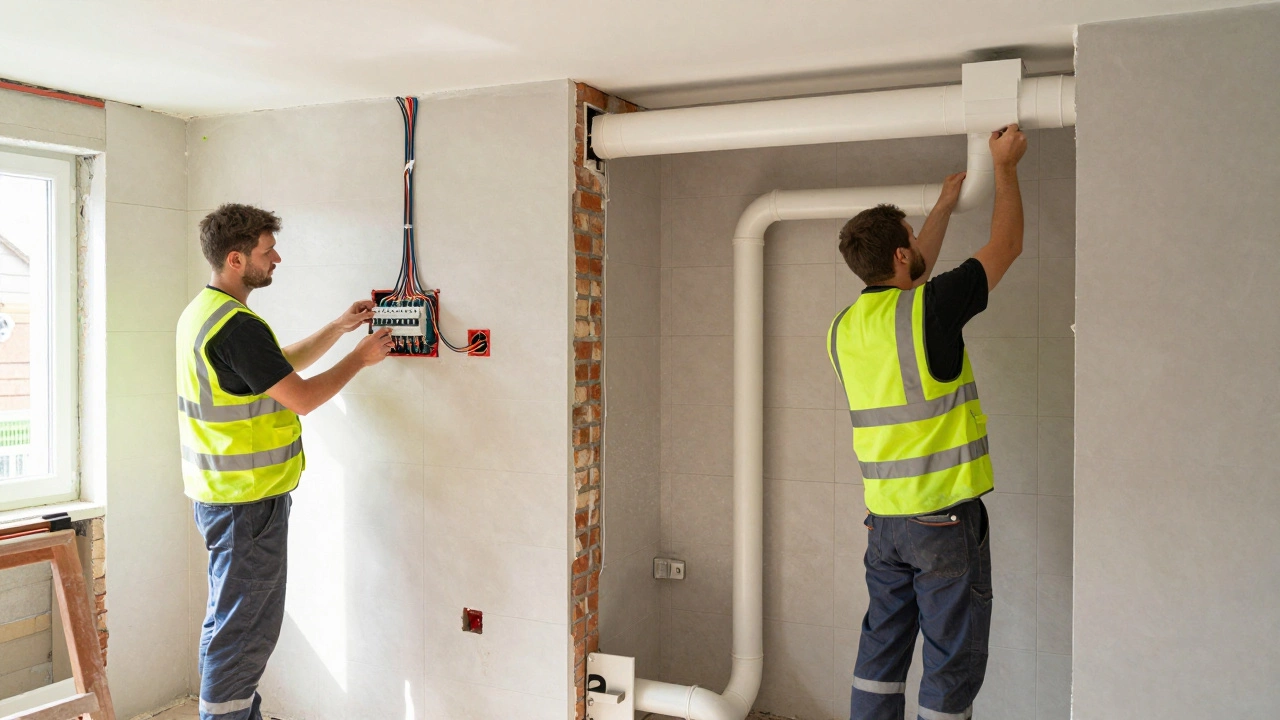
If you are renovating a bathroom, a plumber often coordinates with the tiler and electrician to ensure the fan fits perfectly behind the tiles and connects seamlessly to the wall cavity.
Can You Install an Extractor Fan Yourself? (DIY Guide)
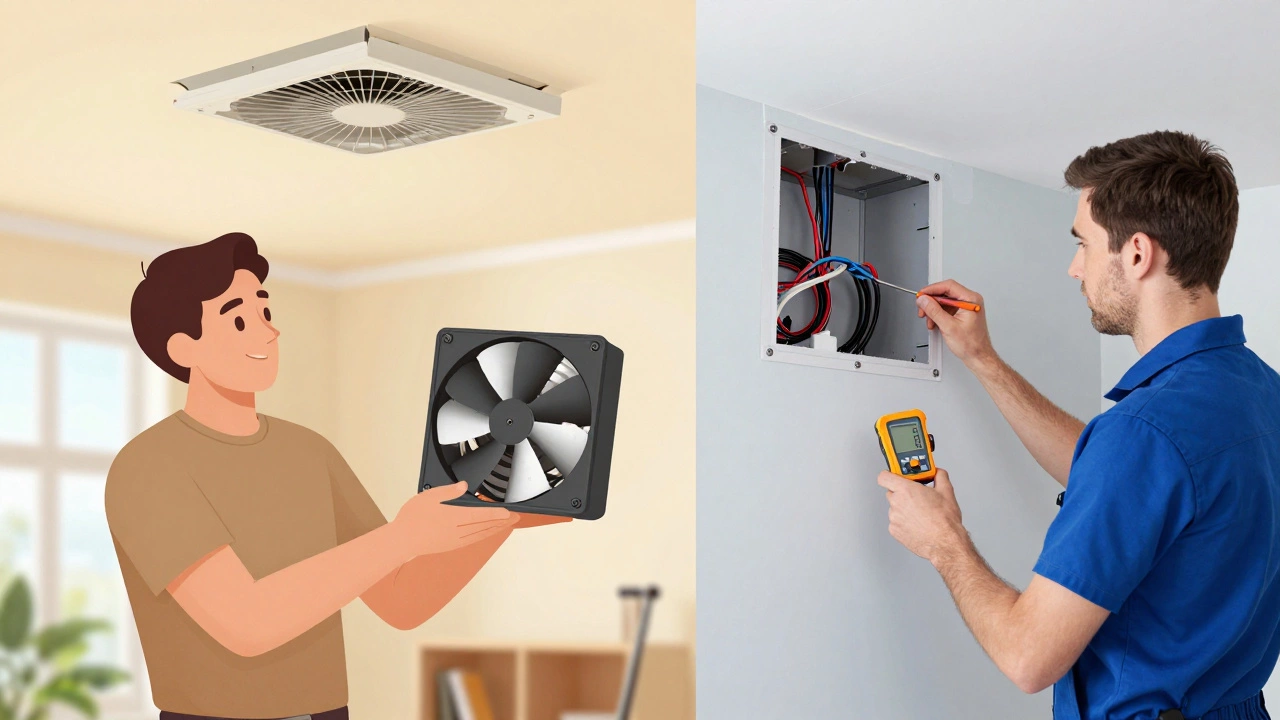
Yes, you can install an extractor fan yourself, but only under specific conditions. This is known as a "like-for-like" replacement. You are swapping an old fan for a new one in the exact same hole, using the existing power source and ducting.
Before you start, ask yourself:
- Is the new fan the same size as the old one?
- Does it have the same mounting bracket style?
- Are you confident in isolating the power at the fuse box?
- Do you understand the difference between Live (Brown), Neutral (Blue), and Earth (Green/Yellow) wires?
If the answer to all of these is yes, here is a simplified process:
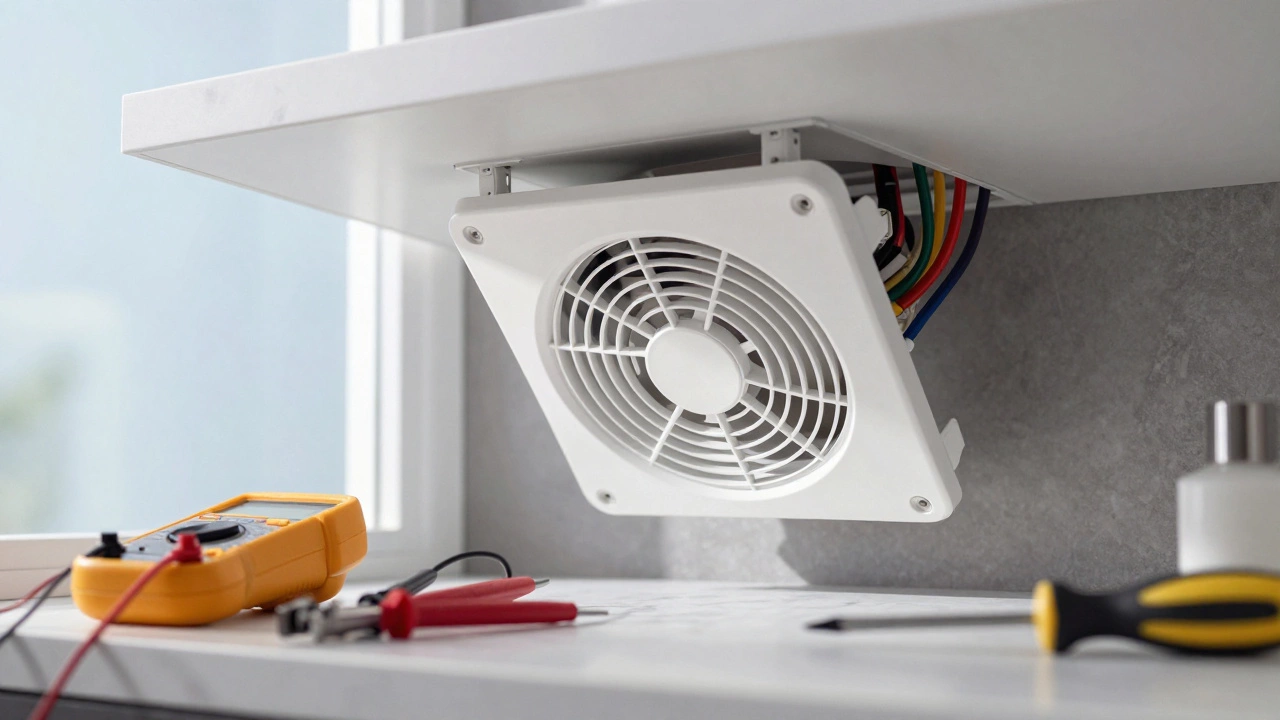
- Turn off the power: Switch off the circuit breaker for the bathroom lights/fan at your consumer unit. Test the old fan to ensure it’s dead.
- Remove the old fan: Unscrew the faceplate, disconnect the wires (take a photo first for reference), and unscrew the housing from the ceiling or wall.
- Prepare the new unit: Attach the new mounting plate if required. Check that the ducting connector aligns with the existing hole in the wall.
- Connect the wiring: Use terminal blocks or screw terminals to connect Brown to Brown, Blue to Blue, and Green/Yellow to Green/Yellow. Ensure no copper strands are exposed.
- Secure and test: Screw the fan into place, attach the faceplate, turn the power back on, and test.
Warning: If you encounter black wires (old lighting circuits) or unsure about the voltage, stop and call an electrician. Old wiring colors can be confusing.
Building Regulations and Compliance in the UK
In the UK, ventilation is governed by Building Regulations Part F is the section of UK building law that deals with ventilation standards to ensure indoor air quality. This is crucial because poor ventilation leads to condensation, which causes mold and damages plaster.
For bathrooms and en-suites, regulations require continuous extraction if the room has no window, or intermittent extraction (switched on when in use) if it does. The fan must meet a minimum airflow rate, typically measured in liters per second (l/s). For example, a small bathroom usually requires at least 6 l/s, while a larger family bathroom might need 15 l/s.
If you hire a registered electrician or installer, they will provide a certificate confirming compliance. If you DIY, you are responsible for notifying your local authority's building control department. Failure to comply can cause issues when selling your home, as buyers’ solicitors may ask for proof of compliance.
| Option | Best For | Cost Estimate (UK, 2026) | Compliance Risk |
|---|---|---|---|
| DIY Like-for-Like | Simple swaps, budget-conscious | £30 - £80 (fan cost only) | High (if not notified) |
| Qualified Electrician | New circuits, complex wiring | £150 - £300 + parts | Low (certified) |
| Ventilation Specialist | New builds, major renovations | £200 - £400 + parts | Low (certified) |
Common Mistakes to Avoid
Whether you hire a pro or do it yourself, certain pitfalls can ruin the performance of your extractor fan.
1. Using Flexible Ducting: Those silver, corrugated plastic hoses are cheap but terrible. They create turbulence and noise. Always use smooth, rigid PVC or insulated ducting.
2. Blocking the Airflow: Don’t place the fan too close to a corner where it can’t draw air effectively. Leave at least 150mm clearance around the intake.
3. Ignoring Noise Levels: Check the decibel (dB) rating. A fan rated at 40dB is quiet enough for a bedroom bathroom. One rated at 60dB sounds like a vacuum cleaner. Look for ERV (Energy Recovery Ventilation) compatible models if you want energy efficiency.
4. Forgetting Maintenance: Even the best fan fails if the filter gets clogged with grease (in kitchens) or dust. Clean the grill every six months.
How to Choose the Right Professional
If you decide against DIY, how do you find someone reliable? In Bristol and across the UK, look for:
- NICEIC or NAPIT Registration: These are the main competent person schemes for electricians. They guarantee the work meets safety standards.
- Local Reviews: Check Google or Trustpilot for recent feedback. Look for mentions of punctuality and cleanliness.
- Quotes: Get at least three quotes. Be wary of prices that seem too good to be true-they might cut corners on materials or skip testing procedures.
Ask them specifically about their experience with ventilation. An electrician who only does socket repairs might not understand airflow dynamics. A specialist ventilation contractor will offer advice on duct routing and acoustic insulation.
Can I install an extractor fan myself in the UK?
Yes, but only if it is a like-for-like replacement in an existing position and you are competent with basic electrical connections. You must still comply with Building Regulations Part F for ventilation and Part P for electrical safety. If you modify wiring or add new circuits, you must hire a qualified electrician.
How much does it cost to hire an electrician to install an extractor fan?
In 2026, expect to pay between £150 and £300 for labor, plus the cost of the fan (£30-£100). Prices vary depending on complexity, such as running new cables or drilling through solid brick walls. Always get a written quote beforehand.
Do I need planning permission to install an extractor fan?
Generally, no. Installing a standard extractor fan is considered permitted development. However, if you live in a listed building or a conservation area, you may need consent for external vents that alter the appearance of the property.
What is the difference between a bathroom and kitchen extractor fan?
Bathroom fans focus on removing moisture and preventing mold, often featuring humidity sensors. Kitchen fans (hoods) are designed to capture grease, smoke, and cooking odors, requiring regular cleaning of grease filters. They also tend to have higher airflow rates.
Why is my new extractor fan noisy?
Noise is often caused by restricted airflow due to kinked or flexible ducting, a blocked external vent, or a fan that is too powerful for the duct size. Ensure you use rigid ducting and check that the external shutter opens freely.