Pressing the reset button on your water heater might bring back hot water-but only temporarily. Learn when it's safe to reset, why it trips, and how to fix the real problem before it becomes a costly repair.

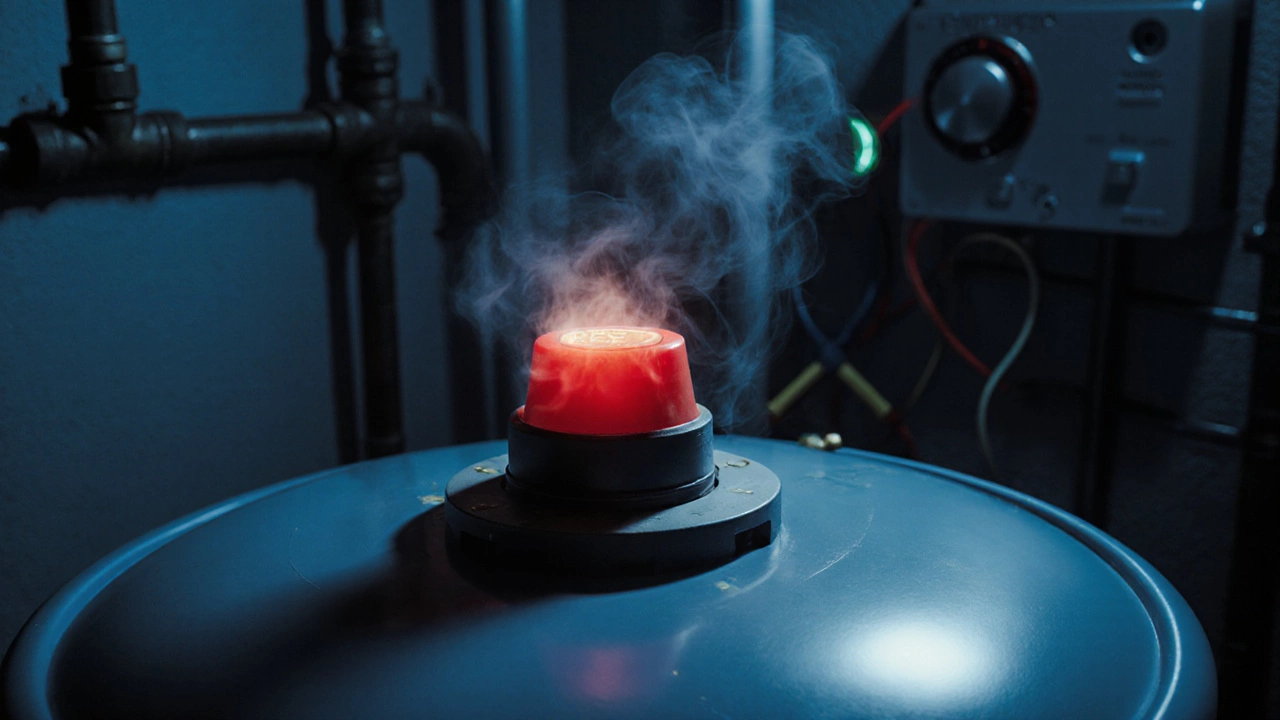
When your hot water suddenly stops, the water heater reset button, a safety feature on electric water heaters that cuts power when the unit overheats. Also known as the high-limit switch, it’s designed to prevent dangerous temperature spikes and potential damage to the tank. This small red button isn’t a magic fix—it’s a warning sign. If it pops out, something’s wrong inside your heater, and pushing it back in without checking the cause won’t solve the problem for long.
The water heater thermostat, the control that regulates the temperature of the water inside the tank is usually the reason the reset button trips. If it malfunctions and lets the water get too hot, the safety switch kicks in. A faulty heating element, the part that actually heats the water using electricity can also cause uneven heating, triggering the reset. These aren’t rare issues—in fact, they’re among the top reasons electric water heaters fail, especially in homes with hard water or older units.
You’ll find the reset button on the side of the water heater, usually near the top, behind a small metal cover. It’s red and sits right next to the thermostat. If it’s popped out, turn off the power at the breaker before touching anything. Press it gently. If it clicks and stays in, you might get hot water again—temporarily. But if it pops out again within hours, you’ve got a deeper problem. No amount of resetting will fix a broken thermostat or a shorted heating element. That’s when you need to test the parts or call in a pro.
Many people try to reset the button multiple times, hoping it’ll just work. But that’s like ignoring a car’s check engine light and just turning it off. The reset button is there for a reason—it’s your heater’s way of saying, "Something’s wrong here." The real fix isn’t pushing the button. It’s figuring out why it tripped in the first place. That’s where knowing the signs of a failing thermostat or a worn-out element makes all the difference.
Below, you’ll find real-world fixes from people who’ve been there. From diagnosing a bad thermostat to testing heating elements with a multimeter, these guides walk you through exactly what to check, what tools you need, and when to stop trying DIY and start calling a technician. No fluff. Just what works.
Pressing the reset button on your water heater might bring back hot water-but only temporarily. Learn when it's safe to reset, why it trips, and how to fix the real problem before it becomes a costly repair.