- 4 Apr 2026
- Gideon Thornton
- 0
The core responsibilities of a modern technician
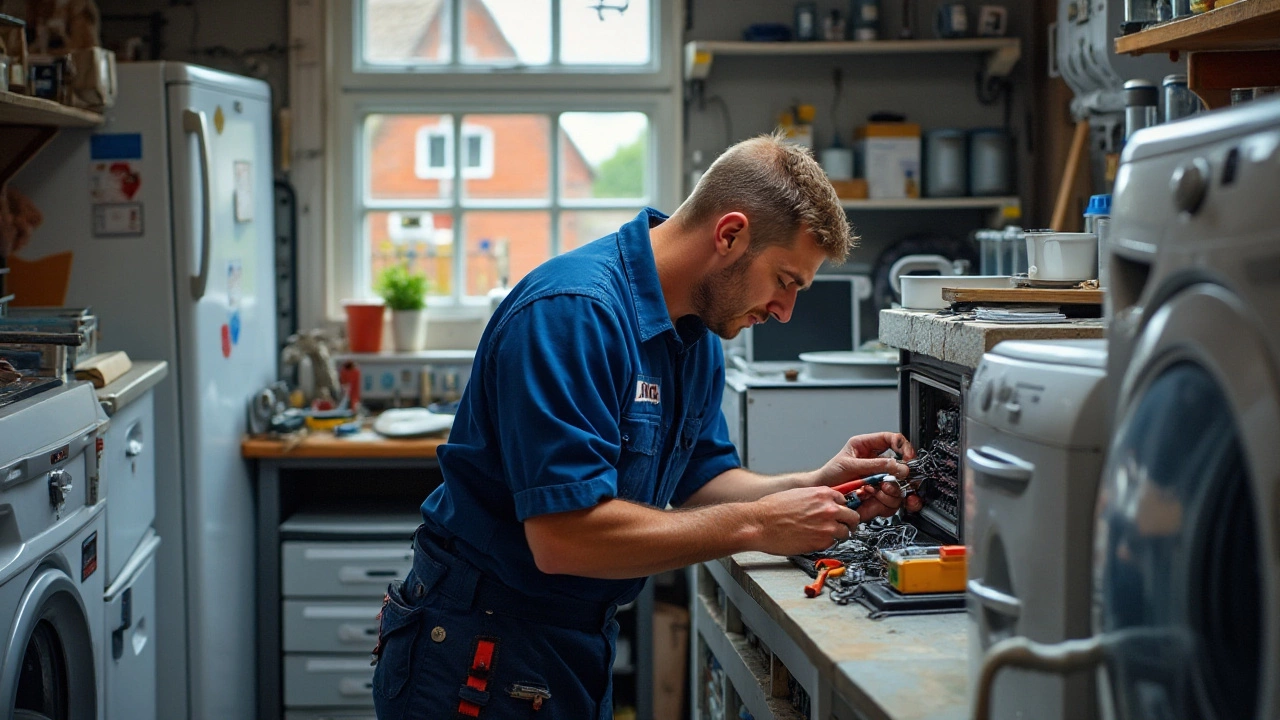
Being an appliance specialist involves a lot more than just turning a screwdriver. The job is a mix of mechanical engineering, electrical work, and customer service. One hour they might be diagnosing a faulty heating element in a dryer, and the next they're recalibrating the sensors in a high-end steam oven. Their primary goal is to ensure that home appliances-the tools we use for cooking, cleaning, and preserving food-operate safely and efficiently. This requires a deep understanding of how different systems interact. For example, a leak in a washing machine isn't always a broken hose; it could be a failed pump or a worn-out door seal. A specialist has to trace the symptom back to the actual cause without guessing, which saves the homeowner money and time.Installation and the first line of defense
Many people think the role starts when something breaks, but a huge part of the job is the initial setup. Proper installation is the best way to prevent future breakdowns. An appliance specialist ensures that a new unit is level, correctly vented, and properly connected to power or gas lines. Think about a dryer. If it's not vented correctly, lint builds up in the walls, which isn't just inefficient-it's a massive fire hazard. A pro knows the exact clearances needed for airflow. Similarly, with high-capacity washing machines, an incorrect installation can lead to "walking” machines that shake the entire house and eventually rip out the plumbing. By getting the setup right, the specialist prevents the most common causes of early appliance failure.The art of diagnostic troubleshooting
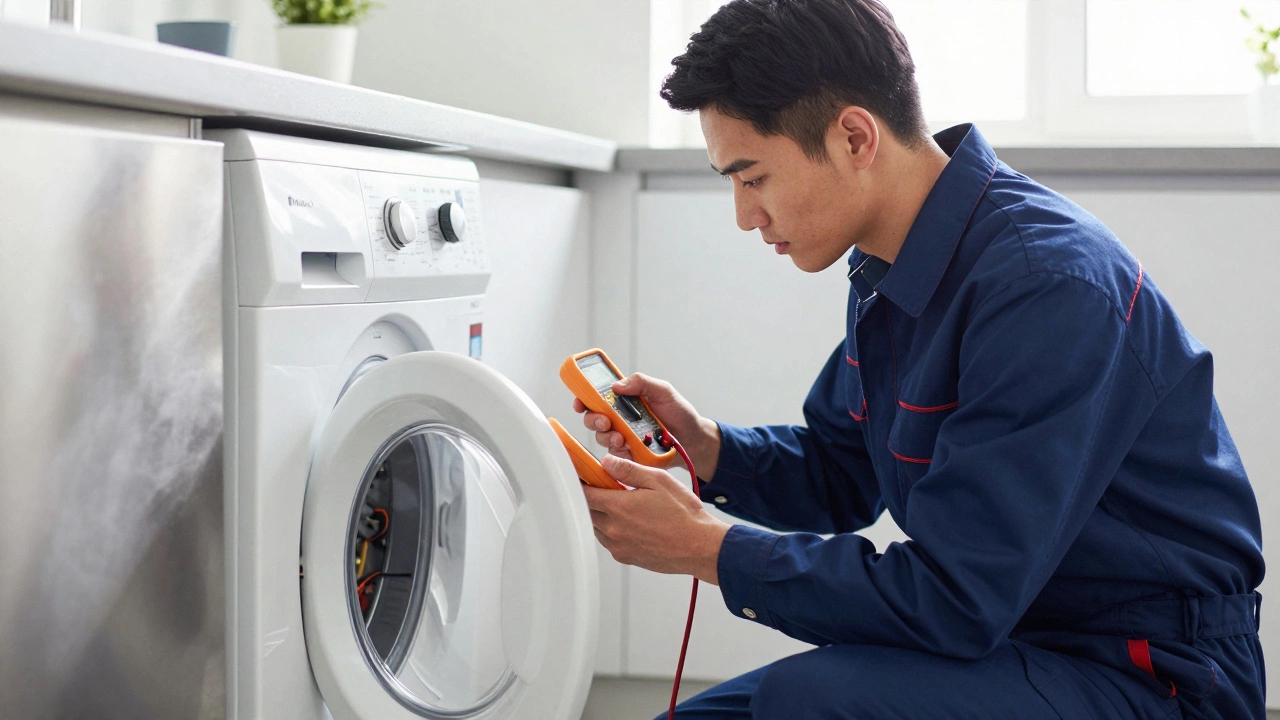
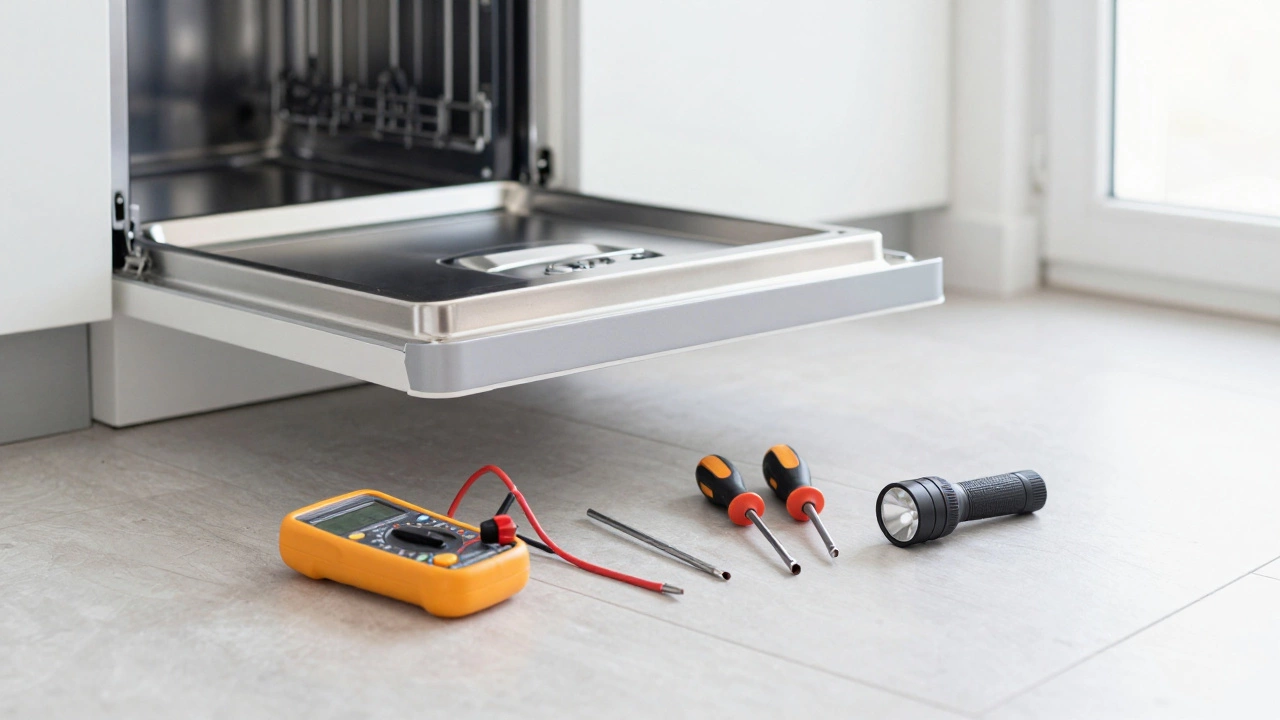
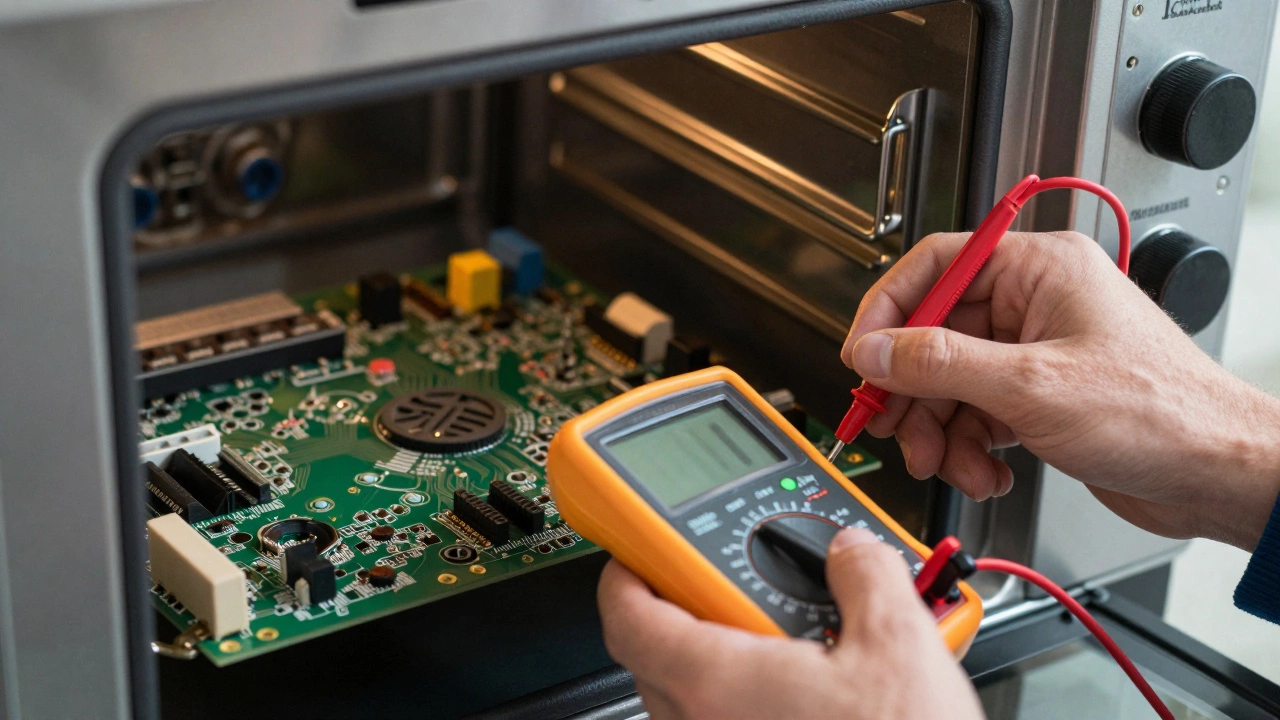
When a call comes in, the specialist becomes a detective. They use a process called differential diagnosis. They start with the most likely cause and work their way down. If a fridge isn't cooling, they don't just swap out the compressor. They check the condenser coils for dust, test the thermostat, and examine the evaporator fan first. Modern machines make this harder and more interesting. We've moved from simple mechanical dials to complex PCB (Printed Circuit Boards). Now, specialists often use digital multimeters to check for continuity or software diagnostics to read error codes. If your oven displays "F31," the specialist knows exactly which sensor is failing. This shift toward electronics means they must stay updated on firmware updates and digital circuitry, moving the role closer to IT support than traditional plumbing.| Appliance Type | Key Technical Skill | Common Component Replaced | Risk Factor |
|---|---|---|---|
| Refrigeration | Refrigerant handling | Compressor / Thermostat | Gas leaks / Food spoilage |
| Laundry (Wash/Dry) | Hydraulic & Mechanical | Water pump / Drive belt | Water damage / Fire risk |
| Cooking (Oven/Hob) | Electrical & Gas fitting | Heating element / Igniter | Carbon monoxide / Electrical shock |
| Dishwashers | Plumbing & Drainage | Drain pump / Spray arm | Flooding / Mold growth |
Preventative maintenance and longevity
Not every visit is an emergency. A smart homeowner hires a specialist for preventative maintenance. This is essentially a health check for your home. It involves cleaning coils, checking belts for cracks, and testing safety valves. For instance, a water heater that isn't flushed annually accumulates sediment at the bottom. This causes the unit to overheat and eventually crack the tank. A specialist spends a few minutes draining the tank, which can add five years to the life of the appliance. They provide the data on when it's cheaper to repair a machine versus when it's time to buy a new one, acting as a trusted advisor rather than just a technician.Navigating the challenge of proprietary parts
One of the toughest parts of the job today is dealing with "planned obsolescence" and proprietary parts. Many brands now design machines that require specific, branded components that aren't interchangeable. An appliance specialist has to manage the logistics of sourcing these parts. They often deal with global supply chains to find a specific motherboard for a 2022 model dishwasher. They also have to decide if a part is worth the cost. If a repair costs 60% of a new machine's price, the specialist helps the client weigh the pros and cons of upgrading to a more energy-efficient model, which helps reduce the amount of electronic waste entering landfills.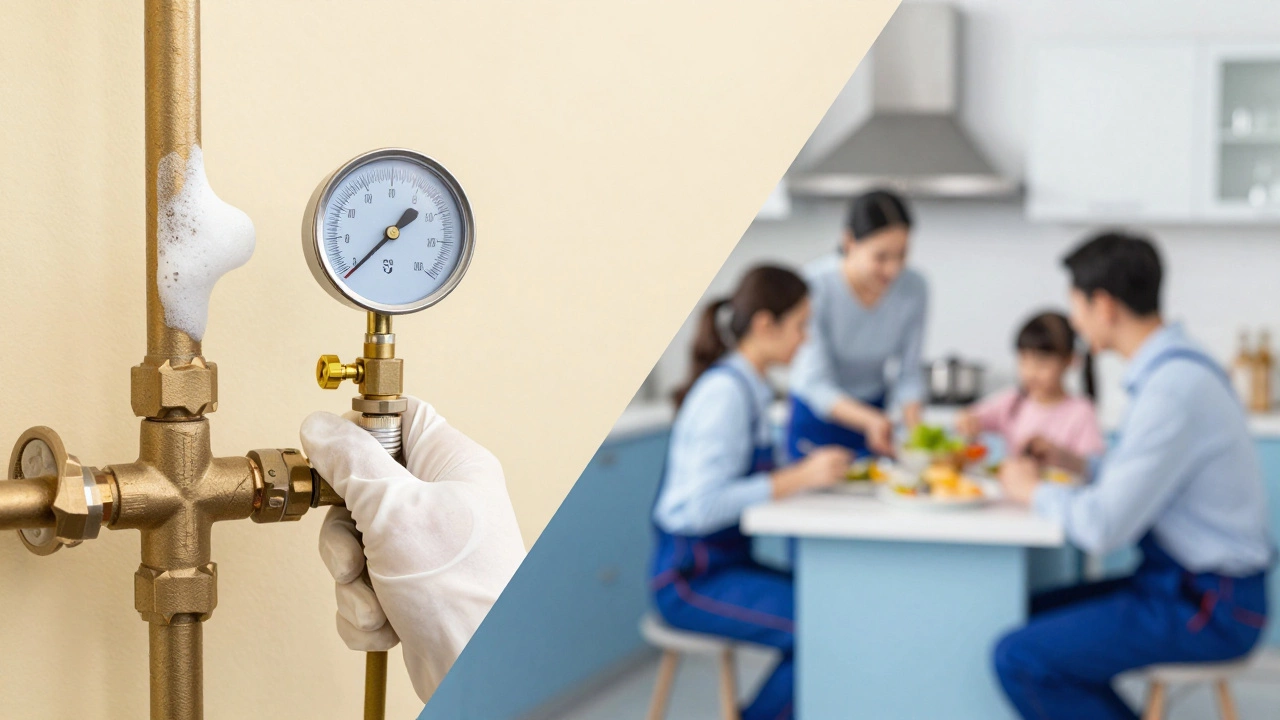
The safety aspect: Gas and Electricity
Safety is the non-negotiable part of the role. Working with gas appliances involves handling flammable materials where a tiny leak can lead to a catastrophe. This is why specialists often hold specific certifications (like Gas Safe in the UK). They check for leaks using soap solutions or electronic sniffers and ensure that carbon monoxide detectors are functioning. On the electrical side, they ensure that appliances are correctly grounded. A faulty ground wire in a washing machine can turn the entire chassis into a live conductor, posing a lethal risk to the user. The specialist's role is as much about protecting the inhabitant as it is about fixing the machine.The human element: Communication and trust
Beyond the tools, a great specialist is a great communicator. They enter a person's private home, often during a stressful time (like when the oven dies on Thanksgiving). They have to explain complex technical failures in simple terms without sounding condescending. They guide the customer through the "repair vs. replace" dilemma. Instead of saying "the solenoid valve is shot," they might explain that the part responsible for letting water into the machine has failed and will cost X amount to fix. This trust-building is what turns a one-time repair into a long-term service relationship.Do appliance specialists only work on big brands?
While some are "factory authorized" for specific brands like Samsung or LG, many are independent specialists. Independent pros often have a broader range of experience across multiple brands, whereas factory-authorized techs have deeper access to proprietary software and official warranty parts.
Can an appliance specialist fix a laptop or a phone?
Generally, no. Appliance specialists focus on "white goods"-large household machines like fridges and washers. Fixing smartphones or laptops requires a different set of micro-soldering skills and a different category of training, usually falling under consumer electronics repair.
How long does a typical appliance repair take?
A simple part replacement, like a dryer belt or a dishwasher pump, can take 30 to 60 minutes. However, complex diagnostic work or repairs involving gas lines and heavy disassembly can take several hours. The longest part of the process is often waiting for a specific part to arrive from the manufacturer.
Is it cheaper to DIY a repair or hire a specialist?
For simple things like cleaning a filter, DIY is best. But for anything involving electricity, gas, or complex circuitry, a specialist is cheaper in the long run. A DIY mistake on a motherboard can fry the entire machine, turning a $100 repair into a $1,000 replacement.
What certifications should I look for in a specialist?
Depending on your region, look for trade certifications in electrical work or gas safety. In the UK, Gas Safe registration is mandatory for anyone working on gas appliances. General trade diplomas in electromechanical engineering are also strong indicators of a qualified professional.