
- 22 Jun 2026
- Gideon Thornton
- 0
Freezer Repair vs. Replace Calculator
Use this tool to help decide whether fixing your current freezer makes financial sense or if buying a new, energy-efficient model is the better investment.
Analysis Result
Detailed Breakdown:
You open your freezer is a household appliance designed to keep food frozen at temperatures below 0°C (32°F) for long-term preservation, and the ice cream is rock hard. The motor hums quietly. Everything seems fine. But how much longer will it actually last? That question keeps many homeowners up at night, especially when they’re weighing the cost of a repair against buying a new unit.
The short answer is that most freezers last between 11 and 15 years. However, this number varies wildly depending on the type of freezer you own, how well you maintain it, and whether it’s built-in or standalone. Understanding these factors helps you decide if you should call a technician or start shopping for a replacement.
Average Lifespan by Freezer Type
Not all freezers are created equal. The design and usage patterns significantly impact how long the compressor and cooling system survive. Here is a breakdown of what you can expect from different models:
- Upright Freezers: These typically last 11-15 years. They are the most common type found in kitchens because they save floor space and allow easy access to contents.
- Chest Freezers: These often outlast upright models, lasting 15-20 years or more. Their horizontal design minimizes cold air loss when opened, putting less strain on the compressor.
- Built-in or Integrated Freezers: These usually have a shorter lifespan of 10-12 years. Because they are enclosed in cabinetry, ventilation is often restricted, causing the motor to work harder and heat up faster.
- Mini Freezers: Small units used for dorms or offices generally last 8-10 years due to smaller, less durable components.
If you own a chest freezer that has been sitting in your garage for 18 years and still works perfectly, you are an outlier-but not alone. Chest freezers are robust beasts. On the other hand, if your built-in kitchen freezer is making strange noises after 12 years, it might be nearing the end of its road.
Key Factors That Shorten Freezer Life
Why do some freezers die early while others thrive? Several environmental and behavioral factors play a major role.
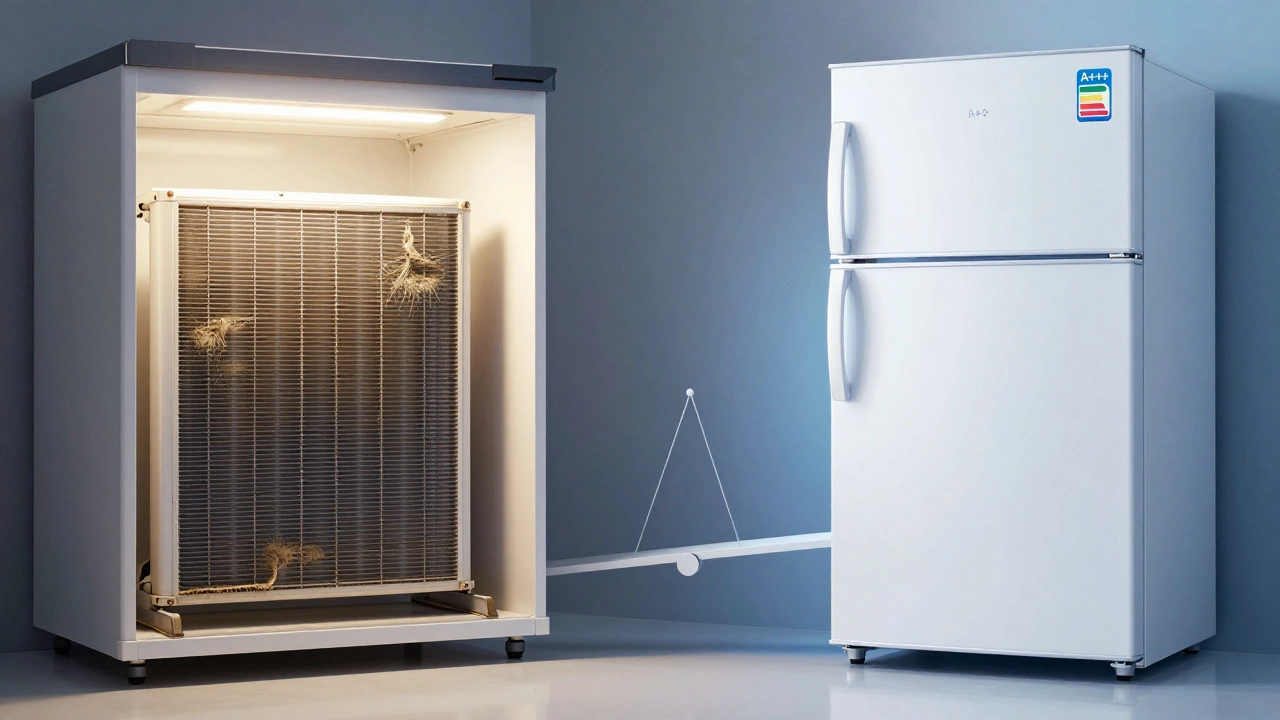
Poor Ventilation is the silent killer of integrated appliances. If your freezer is tucked into a tight cabinet without proper airflow gaps, the condenser coils overheat. This forces the compressor to run continuously, wearing out seals and bearings prematurely. Ensure there is at least 2-3 inches of clearance around the back and sides of your unit.
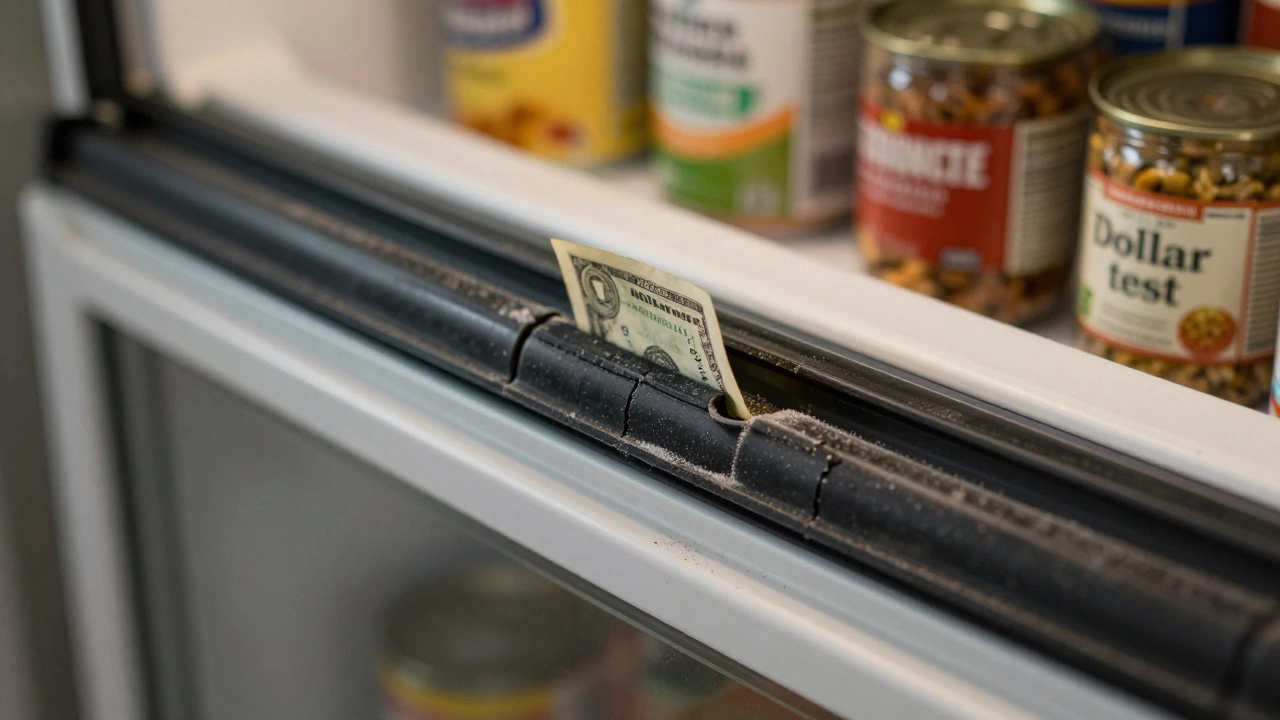
Door Seals (Gaskets) degrade over time. A cracked or loose seal lets warm air in, causing frost buildup and making the compressor work overtime. You can test this by closing the door on a dollar bill; if you can pull it out easily, your seal needs replacing. This simple fix can extend your freezer’s life by several years.
Power Surges damage electronic control boards and compressors. In areas with frequent storms or unstable grid power, using a surge protector is essential. Without one, a single lightning strike nearby can fry the motherboard instantly.
Frequent Door Openings increase internal temperature fluctuations. Every time you open the door, humidity enters the freezer. This leads to frost accumulation, which insulates the evaporator coils and reduces efficiency. Try to plan your trips to the freezer so you don’t leave the door open for extended periods.
Signs Your Freezer Is Dying
Before your freezer completely fails, it usually sends warning signals. Ignoring these signs can lead to spoiled food and expensive emergency repairs. Watch for these red flags:
- Inconsistent Temperatures: If the thermometer shows -18°C (0°F) but you find soft spots in your frozen vegetables, the thermostat or sensor may be failing.
- Excessive Frost Buildup: A small amount of frost is normal in non-frost-free models. But if thick ice accumulates quickly even in auto-defrost units, the defrost heater or timer is likely broken.
- Loud Noises: Grinding, buzzing, or clicking sounds often indicate a failing compressor or worn-out fan motor. These parts are critical to cooling performance.
- Water Leaks: Puddles under the freezer suggest a clogged defrost drain or cracked water line. While sometimes easy to fix, persistent leaks can damage flooring and cabinetry.
- High Energy Bills: An aging freezer becomes less efficient. If your electricity bill spikes without other changes, your old appliance might be consuming excessive power just to stay cold.
Repair vs. Replace: Making the Right Choice
This is where most people get stuck. Should you spend £150 on a new compressor or buy a new freezer for £400? Use this simple rule of thumb:
If the repair cost exceeds 50% of the price of a new unit, replace it. Additionally, consider the age of the appliance. If your freezer is older than 10 years, investing in major repairs rarely makes financial sense. Modern freezers are significantly more energy-efficient, saving you money on utility bills over time.
| Factor | Repair (Old Unit) | Replace (New Unit) |
|---|---|---|
| Upfront Cost | £100-£300 | £300-£800+ |
| Energy Efficiency | Low (older standards) | High (A+++ rating) |
| Warranty Coverage | None or limited | 2-5 years standard |
| Environmental Impact | Lower (reuses existing materials) | Higher (manufacturing new unit) |
| Long-Term Savings | Minimal | Significant (lower electricity use) |
Also, check if your model is still supported by spare parts. Some manufacturers discontinue production of components for older lines. If you can’t find a replacement part locally, replacement becomes the only viable option.
Maintenance Tips to Extend Freezer Life
Want to squeeze every last year out of your current freezer? Follow these practical maintenance steps:
- Clean Condenser Coils Annually: Dust and pet hair trap heat against the coils. Vacuum them every 6-12 months to improve efficiency.
- Defrost Manually When Needed: For manual-defrost models, let ice build up no more than ¼ inch before defrosting. Thick ice acts as insulation, forcing the compressor to work harder.
- Check Door Seals Regularly: Wipe gaskets with warm soapy water to remove grime. Replace any seals that show cracks or gaps.
- Avoid Overloading: Blocking air vents inside the freezer prevents cold air circulation. Leave space between items for proper airflow.
- Set Correct Temperature: Keep the freezer at -18°C (0°F). Setting it colder than necessary wastes energy and stresses the compressor.
These habits seem minor, but they collectively reduce wear and tear on critical components. A well-maintained freezer can easily exceed its average lifespan.
When to Call a Professional Technician
Some issues require expert intervention. Don’t attempt DIY fixes on electrical components or refrigerant systems. Contact a certified appliance repair technician if:
- The compressor runs constantly but the interior isn’t getting colder.
- You hear loud grinding or screeching noises from the motor.
- There is visible ice buildup on the evaporator coils behind the rear panel.
- The digital display shows error codes you cannot resolve via the manual.
Professional diagnostics can identify problems like a failed start relay or blocked capillary tube-issues that are difficult for laypeople to diagnose correctly. Early detection prevents minor faults from becoming catastrophic failures.
Choosing a New Freezer: What to Look For
If you’ve decided to replace your old unit, focus on these key features:
- Energy Rating: Opt for A++ or higher ratings. The initial investment pays off through lower electricity bills.
- No-Frost Technology: Eliminates the need for manual defrosting and maintains consistent temperatures.
- Reliable Brand Reputation: Brands like Bosch, Samsung, and Liebherr consistently rank high in durability surveys.
- Warranty Length: Longer warranties signal manufacturer confidence in product longevity.
- Size and Fit: Measure your available space carefully, including clearance for ventilation.
Consider your storage needs too. Do you freeze large batches of meals? A chest freezer offers better capacity per square foot. Do you prefer quick access? An upright model suits your lifestyle better.
How long does a typical home freezer last?
Most home freezers last between 11 and 15 years. Upright models tend toward the lower end, while chest freezers can often reach 15-20 years with proper care. Built-in units usually have shorter lifespans due to ventilation constraints.
Is it worth repairing a 12-year-old freezer?
Generally, no. If the repair cost exceeds half the price of a new unit, replacement is more economical. Older freezers also consume more electricity, so upgrading saves money long-term. Only consider repair if the issue is minor, like a faulty door switch.
What causes a freezer to fail prematurely?
Poor ventilation, dirty condenser coils, damaged door seals, and power surges are the main culprits. Restricted airflow forces the compressor to overwork, leading to overheating and eventual failure. Regular maintenance prevents most of these issues.
How can I tell if my freezer compressor is dying?
Listen for unusual noises like grinding or buzzing. Check if the exterior feels excessively hot or if the interior temperature fluctuates widely. If the compressor runs continuously without cooling effectively, it may be failing and require professional assessment.
Do chest freezers really last longer than upright ones?
Yes, chest freezers typically last longer because their horizontal design retains cold air better when opened. Less cold air escapes means the compressor doesn’t have to work as hard to maintain temperature, reducing mechanical stress over time.