- 30 Aug 2026
- Gideon Thornton
- 0
Oven Troubleshooter & Repair Estimator
1. Select Your Symptom
Click the option that best describes your oven's behavior.
2. Appliance Details
Diagnostic Result
Estimated Repair Cost
£0 - £0
Repair Threshold (50%)
£0
Quick Safety Check
- Isolate power/gas supply before inspection.
- If you smell gas, ventilate immediately and do not use electrical switches.
- Check door seals with a piece of paper test.
You turn the dial, wait ten minutes, and your Sunday roast is still cold in the middle. It’s frustrating, but before you call a technician or buy a new unit, you need to know what’s actually broken. Most oven repair jobs come down to just a handful of recurring issues. Whether you have a gas hob with an electric oven or a fully integrated electric model, understanding these common faults saves time and money.
The Heating Element: The Silent Killer
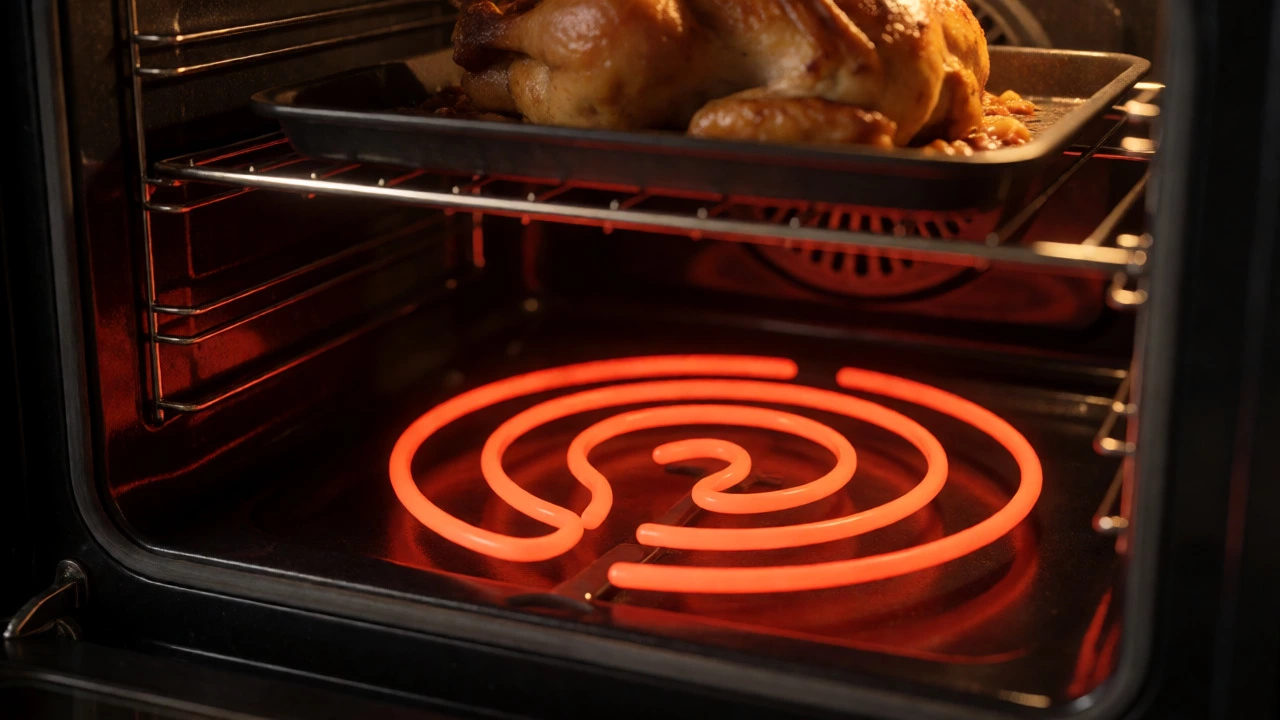
If your oven isn’t getting hot, the heating element is usually the first suspect. These are coils made of resistance wire that glow red when working correctly. In many modern ovens, there are two elements: one at the top for grilling and one at the bottom for baking. If the bottom element burns out, your cake stays raw underneath while the top browns perfectly. You can often spot a failed element by looking for visible breaks, blisters, or dark spots on the coil. However, sometimes they look fine but fail internally. A multimeter test checking for continuity confirms if the circuit is open. Replacing them is generally straightforward, involving unscrewing two terminals and swapping the part.
Thermostat Failure: Why Your Oven Runs Hot or Cold
Does your oven feel like it’s running too hot? Or perhaps it never seems to get warm enough despite being on for ages? This points to the thermostat. The thermostat regulates the internal temperature by cutting power to the heating elements once the set temperature is reached. Over time, the sensor can drift, causing the oven to overshoot or undershoot the target. A faulty thermostat might cause the fan to run continuously without heating, or conversely, keep the heat on indefinitely. While some older models use mechanical thermostats that can be recalibrated, most modern units require replacement. If you notice inconsistent cooking results across different racks, check the thermostat before blaming the element.
Ignition Issues in Gas Ovens
Gas ovens rely on an igniter to light the burner. If you hear clicking sounds but no flame appears, or if the flame lights but goes out immediately, the igniter is likely at fault. The igniter glows orange to heat up a thermocouple, which then opens the gas valve. If the igniter doesn’t glow bright enough, the valve won’t stay open. This is a common wear-and-tear item. Unlike electric elements, gas components involve safety risks. If you smell gas or suspect a leak, stop using the appliance and ventilate the area. For simple igniter replacements, ensure the gas supply is isolated first. Always consider professional help if you’re unsure about handling gas connections.
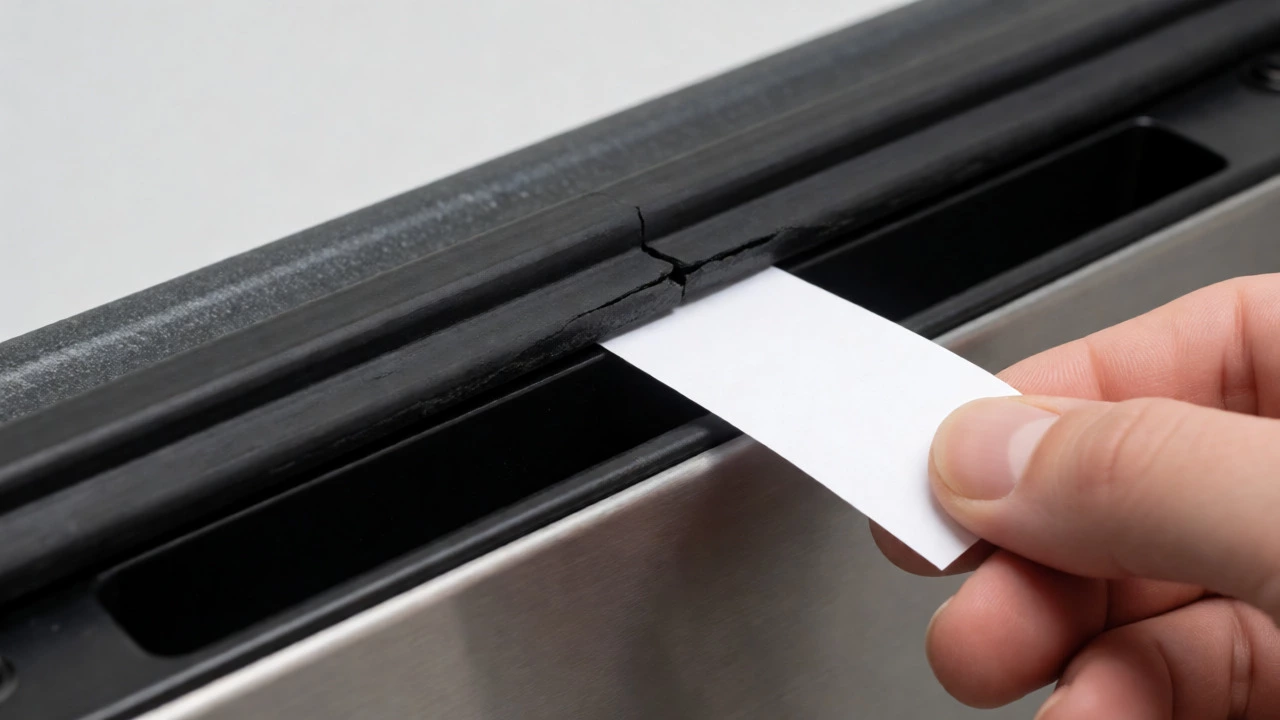
Door Seal Deterioration
It sounds minor, but a worn-out door seal impacts performance significantly. The rubber gasket around the oven door keeps heat inside. If it’s cracked, torn, or flattened, hot air escapes. This forces the oven to work harder to maintain temperature, leading to higher energy bills and longer cooking times. You might also notice condensation forming between the glass panels of the door. Inspect the seal regularly by closing the door on a piece of paper; if you can pull the paper out easily, the seal is loose. Replacing a door seal is cheap and easy, yet it restores efficiency instantly. Don’t ignore small tears-they expand quickly under high heat.
Fan Motor Malfunctions
Many modern ovens are 'fan-assisted' or convection models. They use a rear fan to circulate hot air evenly. If the fan stops spinning, food cooks unevenly, burning on one side and staying raw on the other. Often, the fan motor seizes due to grease buildup or bearing failure. Listen closely when the oven starts; a humming noise without rotation indicates a seized motor. Sometimes, the fan blade itself is obstructed by debris. Cleaning behind the fan cover can solve minor issues, but persistent silence usually means the motor needs replacing. Note that in some models, the fan only runs during specific modes, so check your manual before assuming it’s broken.
Control Board Glitches
Modern ovens are essentially computers with heaters. The control board manages settings, timers, and display functions. If buttons don’t respond, the clock resets randomly, or error codes appear (like F1 or E5), the electronic control board might be failing. Power surges or moisture ingress can damage these circuits. Resetting the oven by turning off the breaker for five minutes can clear temporary glitches. If the problem persists, the board may need replacement. This is often the most expensive component to fix, so weigh the cost against buying a new oven if the unit is over ten years old.
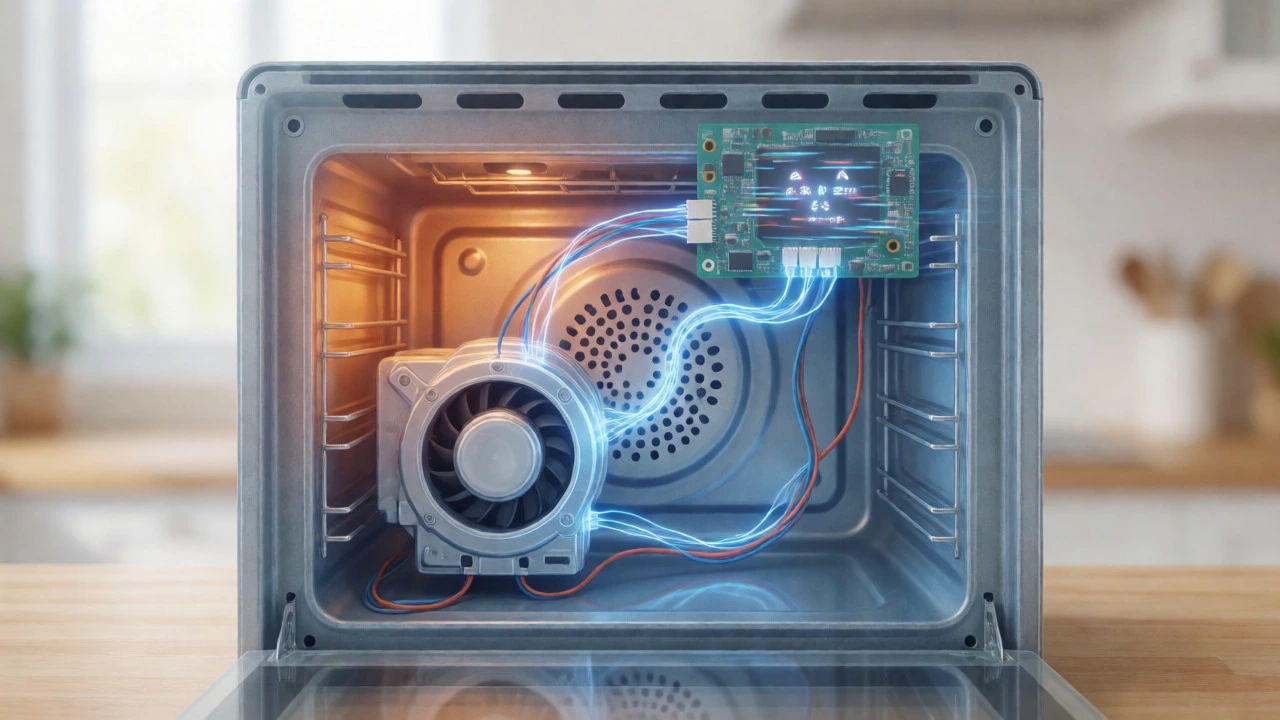
Quick Diagnostic Checklist
Before calling a pro, run through this quick check. It helps narrow down the problem and prepares you for accurate advice.
- Power Check: Is the oven plugged in? Is the fuse box tripped? Try plugging another device into the same socket.
- Element Inspection: Look for visible damage on heating coils. Do they glow when set to bake/grill?
- Door Seal Test: Close the door on a strip of paper. Does it resist pulling out?
- Fan Operation: Does the fan spin freely? Is it blocked by grease?
- Error Codes: Write down any flashing digits or letters displayed on the screen.
When to Call a Professional
While DIY fixes save money, some jobs demand expertise. Gas repairs should almost always be handled by a Gas Safe registered engineer in the UK. Electrical faults involving the main control board or internal wiring can be dangerous if you lack experience. Also, if your oven is under warranty, opening it yourself might void the coverage. Use common sense: if the repair costs more than 50% of a new oven’s price, consider upgrading instead.
Related Concepts and Maintenance Tips
Preventing these problems is easier than fixing them. Regular cleaning prevents grease from seizing fans and clogging vents. Avoid using harsh abrasive cleaners on enamel surfaces, as scratches trap dirt and accelerate corrosion. Checking the door hinge alignment annually ensures the seal remains tight. Understanding how your specific model works-whether it’s a multifunction oven with multiple heating modes or a basic static oven-helps you identify anomalies faster. Remember, an oven is a precision appliance; treating it gently extends its life significantly.
| Symptom | Likely Cause | DIY Difficulty |
|---|---|---|
| Oven doesn't heat up | Faulty heating element or thermal fuse | Medium |
| Uneven cooking | Broken fan motor or door seal | Low/Medium |
| Gas won't ignite | Dirty or failed igniter | High (Gas) |
| Temperature fluctuates | Faulty thermostat | Medium |
| Display not working | Control board failure or power issue | High |
How do I know if my oven heating element is broken?
Look for visible breaks or blistering on the coil. If it looks intact, use a multimeter to check for continuity. No continuity means the element is dead and needs replacing.
Why is my oven taking too long to heat up?
This is often caused by a leaking door seal letting heat escape, or a partially failed heating element. Dirty oven interiors can also insulate walls, reducing efficiency.
Can I replace an oven thermostat myself?
Yes, if you are comfortable disconnecting power and accessing the back panel. Ensure you match the exact part number. If unsure, consult a technician, as incorrect installation affects safety.
What does an F1 error code mean on my oven?
Error codes vary by brand, but F1 often indicates a shorted touchpad membrane or a faulty control board. Check your user manual for brand-specific definitions.
Is it worth repairing an old oven?
If the oven is under 7-8 years old and the repair cost is less than half the price of a new unit, yes. For older models with multiple failures, replacement is usually more economical long-term.