- 29 Oct 2026
- Gideon Thornton
- 0
Fridge Troubleshooting Checklist
Is your fridge acting up? Before you panic or call an expensive engineer, follow this logical order of operations. This checklist helps you identify simple fixes that solve nearly 30% of "dead" fridge calls.
Step 1 Check Power Supply & Outlet
Why: The interior light circuit is often separate from the compressor. A working light does not guarantee the motor is getting power.
Step 2 Verify Thermostat Settings
Why: Kids or accidental bumps can turn the dial to "Off" or minimum. Thermal mass means it takes time to cool down after adjustment.
Step 3 Inspect Condenser Coils
Why: Dusty coils act like a clogged radiator. The compressor overheats and shuts down if heat cannot escape.
Step 4 Listen to the Compressor
Why: Silence suggests no power/motor failure. Clicking suggests a faulty start relay. Humming is normal operation.
Step 5 Check Door Seals & Airflow
Why: Weak seals let warm air in, causing ice buildup. Blocked vents prevent cold air circulation.
Diagnostic Summary
You walk into the kitchen, open the fridge door, and that familiar hum is gone. The light might still be on, but the air feels wrong-stale, warm, and ominous. Before you panic about a ruined dinner or call an expensive engineer, pause. There is one specific thing you need to check first. It sounds too simple to be true, but it solves nearly 30% of "dead" fridge calls I see in Bristol homes every week.
That first check isn't the compressor. It isn't the gas levels. It’s the power supply and the thermostat setting. Yes, really. But before you just plug it back in, we need to look closer. This guide will walk you through the logical order of operations so you don't waste time or money on unnecessary repairs.
The Power Supply Myth: Why the Light Lying to You
Here is the most common mistake people make: they assume if the interior light turns on, the fridge is getting enough power to cool. That is false. In many modern refrigerators, the lighting circuit and the compressor circuit are separate. The light uses minimal amperage; the compressor needs a significant surge to start. If your outlet has a loose connection, or if the internal fuse (found on some older models) has blown, the light works fine while the motor sits dead.
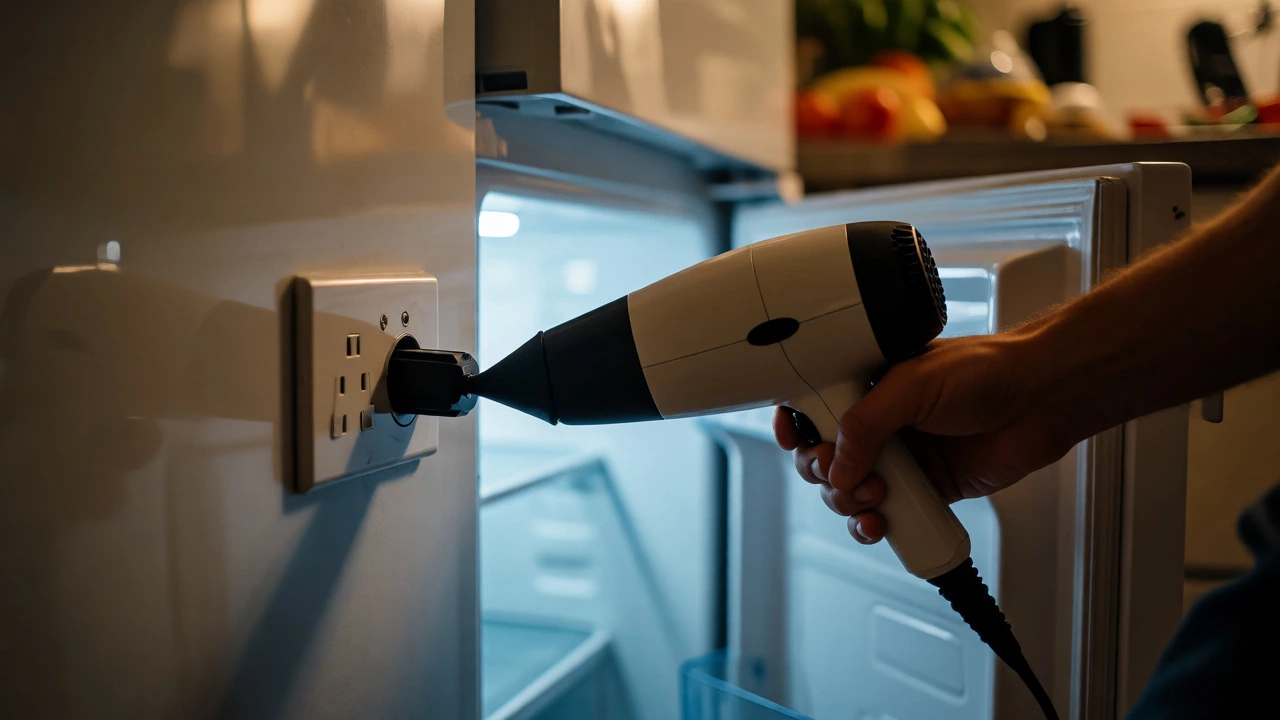
Start by checking the wall socket. Plug a hairdryer or phone charger into it. Does it work? If yes, the issue likely lies within the fridge's cord or internal components. If no, check your consumer unit (fuse box). Look for a tripped RCD or MCB. Resetting this takes ten seconds and saves you a £60 call-out fee. However, if the breaker trips again immediately after plugging the fridge in, do not keep resetting it. That indicates a short circuit inside the appliance, and you need a professional.
The Thermostat Trap
Once you confirm the fridge is receiving stable power, move to the control panel. Did someone bump the dial? Kids love playing with these knobs. A fridge set to "Off" or the lowest possible setting will run its fan but never engage the compressor hard enough to cool effectively. Turn the dial to a mid-range setting (usually 3 or 4 on a 1-5 scale) and wait two hours. Do not judge the temperature immediately. Thermal mass means the food blocks heat transfer slowly. Give it time.
If your fridge has digital controls, check for error codes. Brands like Bosch, Whirlpool, and Samsung display alphanumeric codes (like E1 or F1) when sensors fail. Note these down before calling anyone. They tell the engineer exactly which part to bring, saving you from multiple visits.
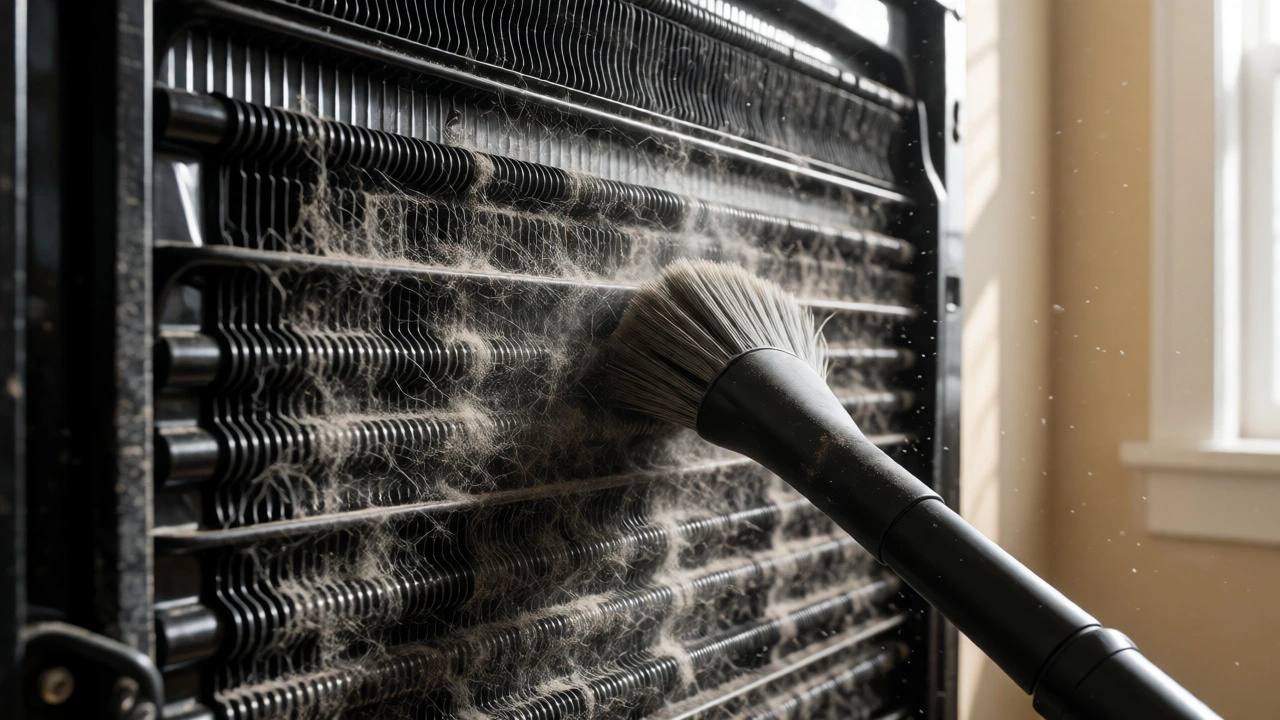
Clean the Coils: The Silent Killer of Efficiency
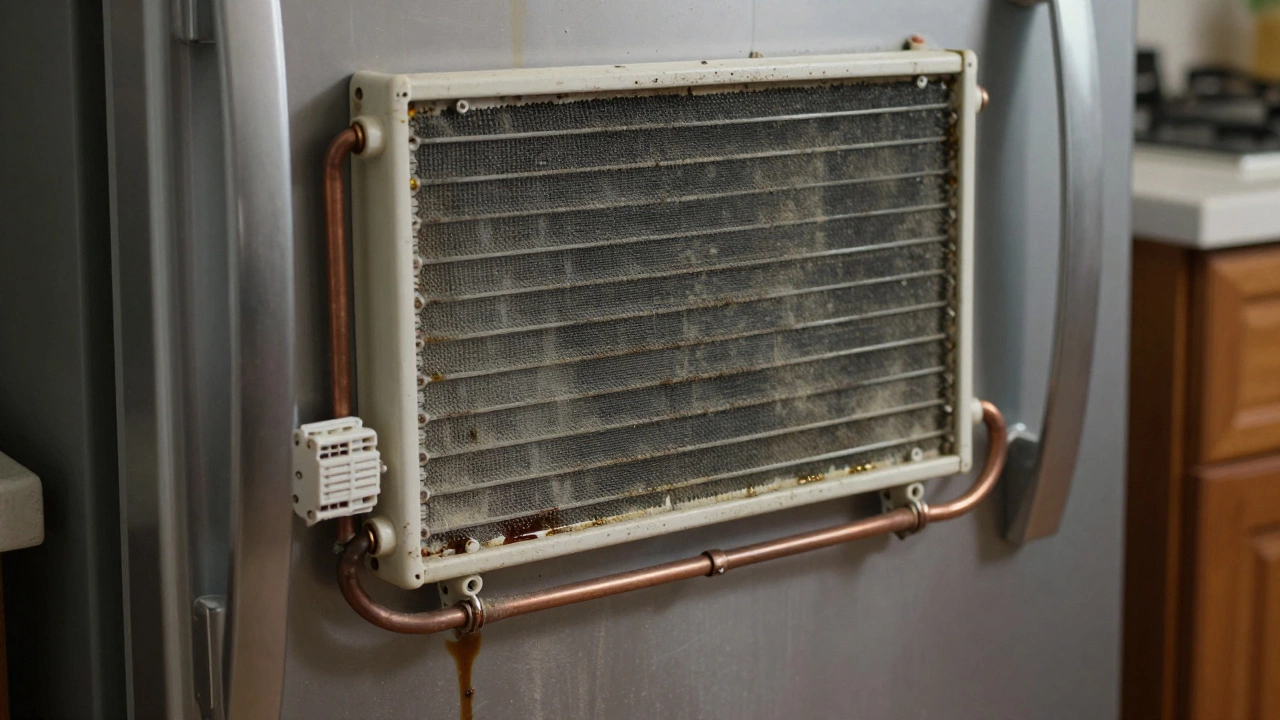
If power and settings are fine, but the fridge is running constantly yet barely cooling, look at the condenser coils. These are the black metal grids usually located at the back or under the front kickplate. Over time, dust, pet hair, and lint coat them. Think of them as the fridge's radiator. If they are caked in fur, the heat cannot escape. The compressor works harder, overheats, and eventually shuts down to protect itself.
| Symptom | Likely Cause | DIY Fix? |
|---|---|---|
| No lights, no sound | Power supply / Door switch | Yes |
| Lights on, no sound | Compressor / Start Relay | Maybe |
| Loud clicking, no cooling | Start Relay failure | Yes (Advanced) |
| Running constantly, warm | Dusty coils / Low gas | Cleaning: Yes |
To clean them, unplug the fridge. Pull it away from the wall carefully. Use a vacuum cleaner with a brush attachment or a specialized coil brush. Get between the fins. Do not bend the fins; they are delicate. Once cleaned, push the fridge back, ensuring there is at least 5cm of space behind it for airflow. This single maintenance task can restore cooling performance in units that seem "broken."
Listen to the Compressor: Clicking vs. Humming
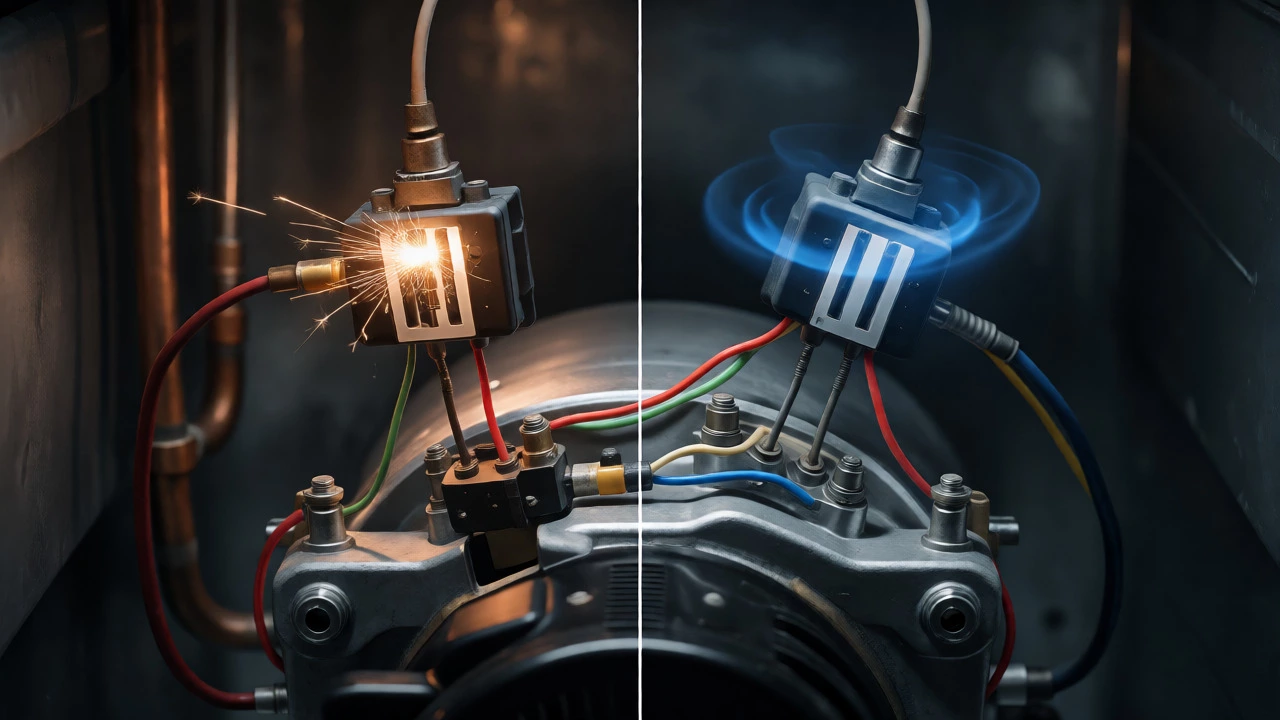
Put your ear near the bottom rear of the fridge. What do you hear? Silence is bad. A steady hum is good. A rapid clicking sound is very telling. That click-click-click is often the start relay failing. The relay tries to send power to the compressor, fails, cuts power, and tries again. This creates a buzzing or clicking noise without starting the motor.
A faulty start relay is a cheap part (£15-£25) and relatively easy to replace if you are handy. Unplug the fridge, remove the cover plate on the compressor, and swap the relay. But if the compressor runs continuously for hours without stopping, or if it shuts off due to overheating, you might have a sealed system issue (refrigerant leak). That requires a certified technician with gauges and a vacuum pump.
Door Seals and Airflow Blockages
Before you buy parts, check the physical environment. Is the fridge overloaded? If you pack it tight, cold air cannot circulate. The evaporator fan blows cold air over the coils, but if boxes block the vents, the air stays trapped in one spot. Rearrange your groceries. Ensure vents are clear.
Next, test the door gaskets. Close the door on a piece of paper. If you can pull the paper out easily, the seal is weak. Warm, humid air from the kitchen rushes in, creating ice buildup on the evaporator coils. This ice insulates the coils, stopping cooling. In frost-free models, the defrost heater should melt this ice automatically. If it doesn't, the defrost timer or heater has failed. You will see visible ice on the back wall inside the fridge compartment. Leave the door open for 24 hours to melt it manually, then monitor. If ice returns quickly, you need a repair.
When to Call a Professional
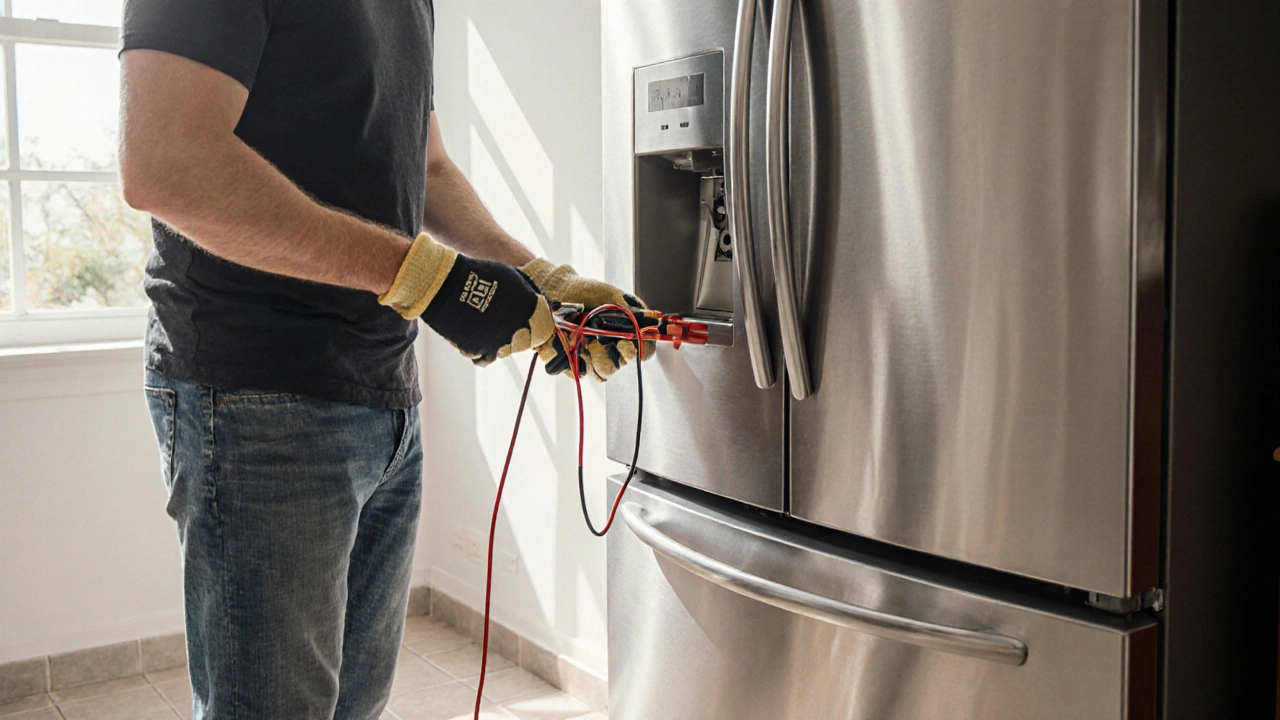
Do not attempt to fix electrical components if you are unsure. Refrigerators hold high voltage even when unplugged (capacitors). Also, handling refrigerant requires EPA-certified tools and licenses. If you have checked the power, cleaned the coils, verified the thermostat, and listened for relay clicks, but the fridge still won't cool, it is time to book a service.
In the UK, look for engineers registered with Gas Safe (if applicable to integrated units) or NICEIC for electrical competence. Ask for a fixed-price diagnosis if possible. Many local independent technicians offer lower rates than manufacturer-approved networks, often saving 30-40% on labor costs.
How long does it take for a fridge to get cold again after being turned off?
Typically, it takes 4 to 24 hours for a fridge to reach safe temperatures (below 5°C) after being reset or repaired. If you placed warm food inside, it may take longer. Do not add more food until it stabilizes.
Can I put hot food directly into the fridge?
It is better to let food cool to room temperature first. Hot food raises the internal temperature, forcing the compressor to work harder and potentially spoiling other items nearby. Modern fridges handle it better, but efficiency drops significantly.
Why is my freezer working but the fridge section is warm?
This usually points to a blocked air duct or a faulty damper control. Cold air is made in the freezer and blown into the fridge. If the passage is blocked by ice or debris, the fridge warms up while the freezer stays cold.
Is it worth repairing an old fridge?
If the repair cost exceeds 50% of the price of a new energy-efficient model, consider replacing it. Older fridges use significantly more electricity. A new A-rated model could save you £50-£80 per year in energy bills, paying for itself over time.
What causes water pooling under the crisper drawers?
A blocked defrost drain tube. During the defrost cycle, water melts and should drain into a pan underneath the fridge. If the tube is clogged with slime or ice, the water backs up and leaks onto the shelf floor.