- 21 Dec 2025
- Gideon Thornton
- 0
Water Heater Replacement Checker
Check your water heater's condition
This tool helps you identify signs that your water heater may need replacement based on key indicators described in the article. Select all signs that apply to your situation.
If your hot water suddenly turns cold in the middle of a shower, or you notice rust-colored water coming out of the tap, you’re not imagining things. Your water heater might be on its last legs. In the UK, where winters are long and hot showers are non-negotiable, a failing water heater isn’t just inconvenient-it’s a daily nuisance that can turn into a full-blown emergency. Most people wait too long to replace theirs, hoping it’ll bounce back. But water heaters don’t heal. They fail. And when they do, they often leave you with a flooded basement, a broken boiler, or a cold house in January.
It’s Older Than 10 Years
The average lifespan of a standard tank-style water heater in the UK is 8 to 12 years. If yours is 10 or older, you’re already in the danger zone. Manufacturers don’t lie about this. A 12-year-old water heater isn’t just worn out-it’s a ticking time bomb. Corrosion builds up inside the tank over time. Even if it’s still heating water, the tank walls are thinning. One small leak can turn into a flood overnight. I’ve seen homes in Bristol where homeowners ignored the age of their heater, only to wake up to a foot of water in the utility room. Replacing it before it fails saves you thousands in repairs and clean-up.
There’s Rust or Discoloured Water
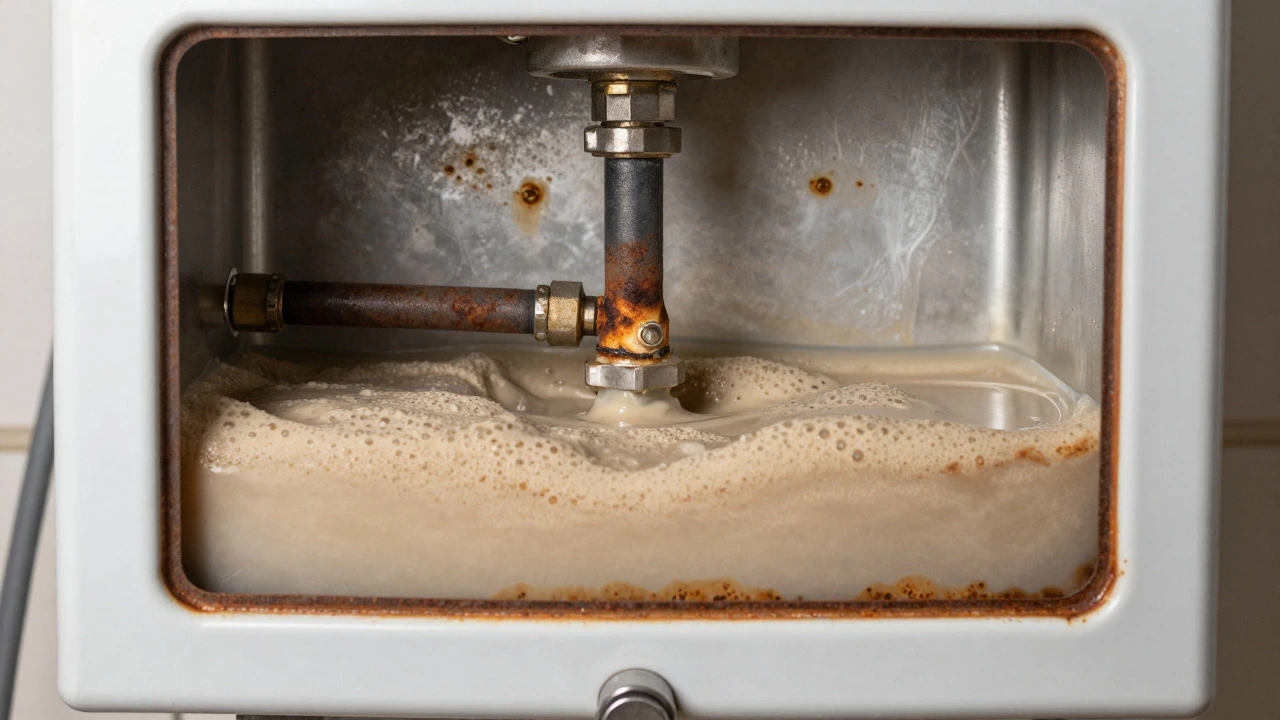
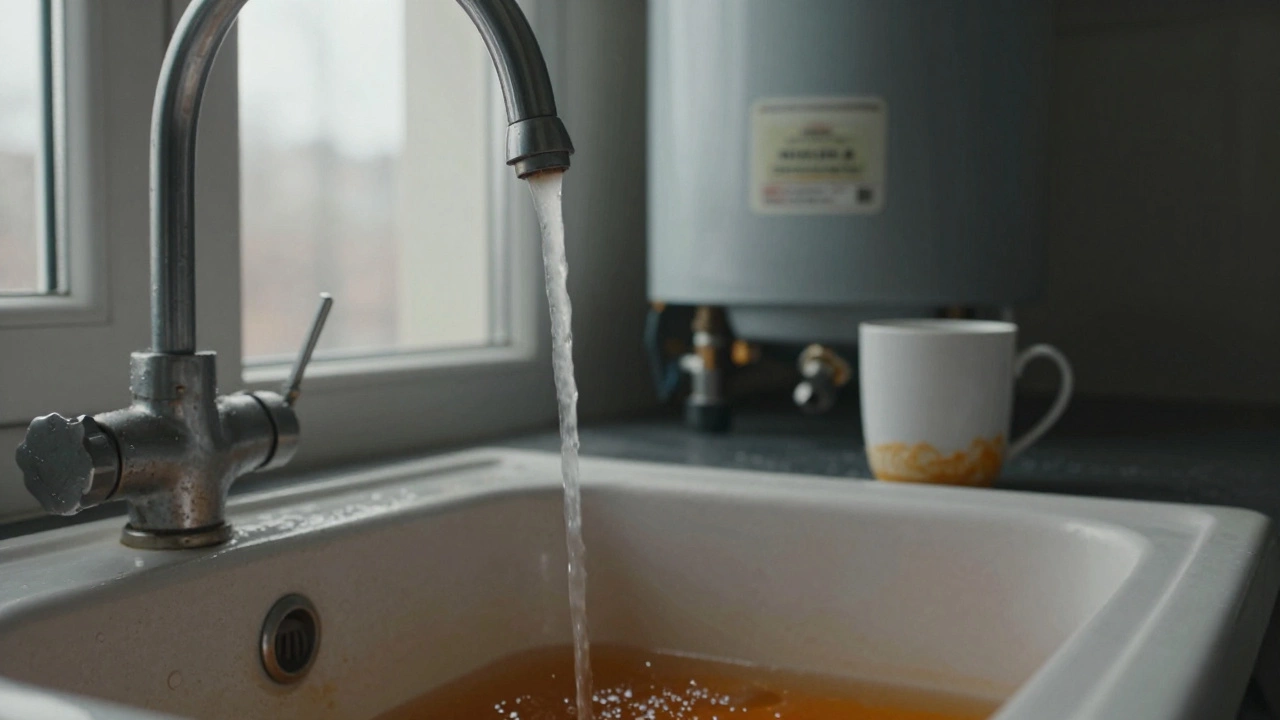
Clear, clean hot water is normal. Orange, brown, or rusty-looking water is not. That colour comes from rust inside the tank, usually from the anode rod wearing out or the tank lining breaking down. If you’re seeing rust in your taps, especially after the heater has been sitting idle for a while, it means the metal tank is corroding from the inside. You can’t fix that. Flushing the tank won’t help. Replacing the anode rod might buy you a year or two, but if the tank itself is rusting, it’s only delaying the inevitable. Once rust gets into the water, it’s not just a visual problem-it clogs showerheads, damages washing machines, and can even affect your skin. If you’re regularly cleaning sediment from your taps or noticing discolouration, it’s time to replace the unit.
You Hear Strange Noises
That popping, banging, or rumbling sound coming from your water heater? It’s not your imagination. It’s mineral buildup-mostly limescale, common in hard water areas like Bristol and the South West. When water heats up, calcium and magnesium drop out of solution and settle at the bottom of the tank. Over time, this layer gets thick. The heating element has to work harder to push heat through the scale, causing the water trapped underneath to boil. That’s the noise. It’s inefficient, it wears out the element faster, and it can crack the tank lining. You might think a descaling flush will fix it. It might help temporarily. But if the noise has been getting louder over the past year, the tank’s integrity is already compromised. No amount of cleaning will restore the metal. Replace it.
Water Is Leaking Around the Base
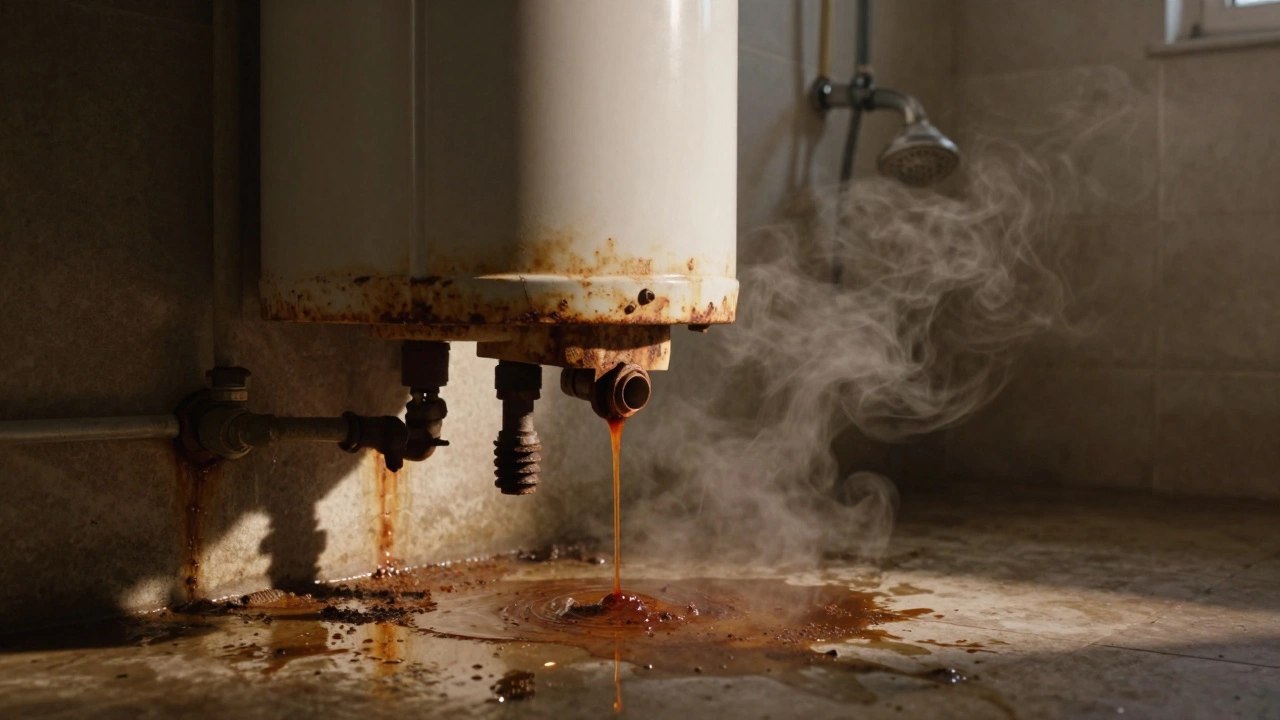
A small puddle under your water heater is a red flag. Not a yellow one. A red one. Many people assume it’s just a loose pipe or a dripping valve. But if the leak is coming from the tank itself-especially if it’s dripping from the seams or the bottom-you’re looking at a failed tank. Water heaters have a steel casing lined with enamel. Once that enamel cracks, moisture gets in, and rust eats through the metal from the inside. You can’t patch it. You can’t weld it. Even a tiny leak means the tank is compromised. And if you’ve got an older unit, that leak is likely to grow. I’ve seen houses where a slow drip turned into a flood in less than 24 hours. Don’t wait for the basement to float. If you see water pooling under the heater, call a professional. Not to fix it-to replace it.
Your Water Isn’t Hot Enough Anymore
If your shower starts hot but turns lukewarm after five minutes, your water heater is struggling. This isn’t always about the thermostat. It could be sediment buildup reducing efficiency, a broken dip tube, or a failing heating element. But if you’ve checked the thermostat, flushed the tank, and replaced the element-and you’re still running out of hot water faster than before-it’s a sign the tank’s capacity is shrinking. The tank might still hold 120 litres, but the heat isn’t transferring properly. The water’s not staying hot. That’s a sign the tank’s insulation has degraded or the internal structure is failing. A new 120-litre tank will give you consistent, reliable hot water for another decade. Your old one won’t.
The Pilot Light Keeps Going Out (Gas Models)
If you’ve got a gas water heater and the pilot light keeps flickering or going out, it’s not just a draft. It’s usually a faulty thermocouple, a blocked vent, or a gas valve issue. But if you’ve replaced the thermocouple, cleaned the burner, and checked the gas supply-and it still won’t stay lit-you’re fighting a losing battle. Gas water heaters are designed to be simple, but when the control system starts failing repeatedly, it’s often because the entire unit is outdated. Modern gas heaters have electronic ignition, better safety sensors, and 90%+ efficiency. Your 15-year-old model is probably running at 60%. That’s wasting money every month. Replacing it with a new condensing model could cut your gas bill by 30%.
High Energy Bills for Less Hot Water
Are your gas or electric bills creeping up while your hot water supply shrinks? That’s the classic sign of inefficiency. Older water heaters lose heat through the tank walls. They also have to work harder to overcome sediment buildup. A 10-year-old tank might use 30% more energy than a new one with modern insulation. In a typical UK household, that’s £100 to £150 extra a year. Multiply that over five years, and you’ve spent more on wasted energy than the cost of a new unit. New models come with better insulation, smart thermostats, and heat pump options. If your heater is older than 8 years and your bills are rising, it’s not just a coincidence. It’s a financial drain.
It’s Making You Sick
Some people don’t realise their water heater is making them sick. If you’ve got a tank that hasn’t been flushed in years, it can harbour bacteria like Legionella. That’s the bacteria that causes Legionnaires’ disease-a serious lung infection. It thrives in warm, stagnant water between 20°C and 45°C. Older tanks often have poor temperature control and dead zones where water sits for hours. If you’ve got elderly family members, young children, or anyone with a weakened immune system at home, this isn’t just a maintenance issue. It’s a health risk. Newer water heaters have built-in safety features: higher minimum temperatures, better circulation, and self-cleaning systems. Replacing an old tank isn’t just about comfort. It’s about safety.
What to Do Next
If you’re seeing two or more of these signs, it’s not a question of “if” you need to replace your water heater-it’s a question of “when.” Don’t wait for the big flood. Don’t wait for the coldest night of the year. Start researching now. Look at tankless models if you want endless hot water. Look at heat pump water heaters if you want to slash your energy bills. If you’re on a budget, a standard 120-litre tank with a 10-year warranty is still the most reliable choice for most UK homes.
When you’re ready, get quotes from two or three local installers. Ask them to check your pressure relief valve, your pipe fittings, and your water pressure. A new heater won’t last if your plumbing is bad. And make sure the installer disposes of your old unit properly. Many councils in the UK now require certified removal to prevent landfill waste.
What to Avoid
Don’t buy a water heater from a DIY store and install it yourself unless you’re a licensed plumber. Water heaters involve gas, electricity, pressure, and hot water. One mistake can lead to explosion, electrocution, or flooding. Don’t ignore the warranty. A 6-year warranty is standard. A 10-year warranty is better. A 12-year warranty? That’s the gold standard. And don’t skimp on the anode rod. It’s the one part that protects your tank from rust. Make sure your new heater comes with a magnesium anode rod-it lasts longer in hard water areas.
What’s the Right Size?
Most UK homes need a 120-litre tank. If you’ve got a family of four or more, go for 150 litres. If you live alone or in a small flat, 80 litres might be enough. Tankless units are great for small spaces, but they need high gas pressure or a dedicated electrical circuit. Check your home’s capacity before choosing. A 10kW electric tankless heater needs a 40-amp circuit. Most UK homes have 32-amp circuits. You might need an upgrade.
How long does a water heater usually last in the UK?
Most tank-style water heaters in the UK last between 8 and 12 years. Tankless models can last up to 20 years with proper maintenance. The lifespan depends on water hardness, how often it’s serviced, and whether the anode rod is replaced.
Can I repair a leaking water heater instead of replacing it?
You can fix a leak from a valve or pipe, but if the tank itself is leaking, no repair will hold. The tank is made of thin steel lined with enamel. Once that lining cracks and rust forms inside, the metal weakens permanently. Welding or patching won’t stop corrosion from spreading. Replacing the unit is the only safe, long-term solution.
Is it worth switching to a tankless water heater?
It depends. Tankless heaters save energy and give you endless hot water, but they cost more upfront-between £1,500 and £3,000. They also need high gas pressure or a dedicated electrical circuit. If you have a large family and use a lot of hot water, it’s a good investment. If you’re in a small flat or on a tight budget, a new 120-litre tank is more practical.
Why does my water smell like rotten eggs?
That smell usually comes from sulphur bacteria reacting with the magnesium anode rod in your tank. It’s more common in hard water areas. Flushing the tank with hydrogen peroxide can kill the bacteria temporarily. But if the smell keeps coming back, replacing the anode rod with an aluminium one or upgrading to a new heater with a different rod material will solve it permanently.
How much does it cost to replace a water heater in the UK?
A standard 120-litre tank replacement costs between £800 and £1,500, including installation. Tankless models range from £1,500 to £3,000. Heat pump water heaters start at £2,200 but can cut energy bills by up to 60%. Always get at least two quotes and check if the installer offers a warranty on both the unit and the work.
Final Thought
Your water heater is one of the most overlooked appliances in your home. You don’t see it. You don’t hear it-until it fails. But when it does, it doesn’t whisper. It shouts. By the time you notice rust, noise, or cold showers, it’s already too late for a simple fix. Replacing your water heater before it breaks isn’t an expense. It’s insurance. Against cold showers. Against flooded floors. Against expensive emergency calls in the middle of winter. Don’t wait for disaster. Check the age. Check the water. Check the noise. And if you’re unsure, call a professional. A five-minute inspection could save you a week of headaches.