- 22 Mar 2026
- Gideon Thornton
- 0
Extractor Fan Diagnostic Tool
Step-by-Step Fan Check
Follow these diagnostic steps from the article to identify your fan's issue. Check each item and select your result.
Is your kitchen extractor fan making strange noises, not pulling out smoke, or just not working at all? You don’t need to call a technician just yet. Testing a kitchen extractor fan is something any homeowner can do with basic tools and a little patience. In the UK, extractor fans are required by building regulations to remove moisture and cooking fumes - so if yours isn’t working, you’re risking mould, lingering odours, and even structural damage over time.
What to Check First: Power and Switches
Before you start taking apart the fan, make sure it’s getting power. Start at the simplest place: the wall switch. Flip it on and off a few times. Sometimes switches get sticky or develop internal faults. If the fan has a pull cord or a timer dial, try those too. A common mistake is assuming the fan is broken when it’s just set to a delayed shut-off mode - many modern fans run for 5 to 15 minutes after you turn them off to clear residual steam.
Check the circuit breaker. Go to your fuse box and look for a tripped switch labeled "kitchen extractor" or "hood fan." If it’s tripped, reset it. If it trips again immediately, there’s a short circuit - don’t keep resetting it. That’s a job for an electrician.
Some extractor fans have built-in sensors. If you have a humidity or smoke-activated fan, it might not turn on manually until conditions are right. Try running the stove or boiling a kettle to see if it kicks in automatically.
Listen for the Motor - Is It Running?
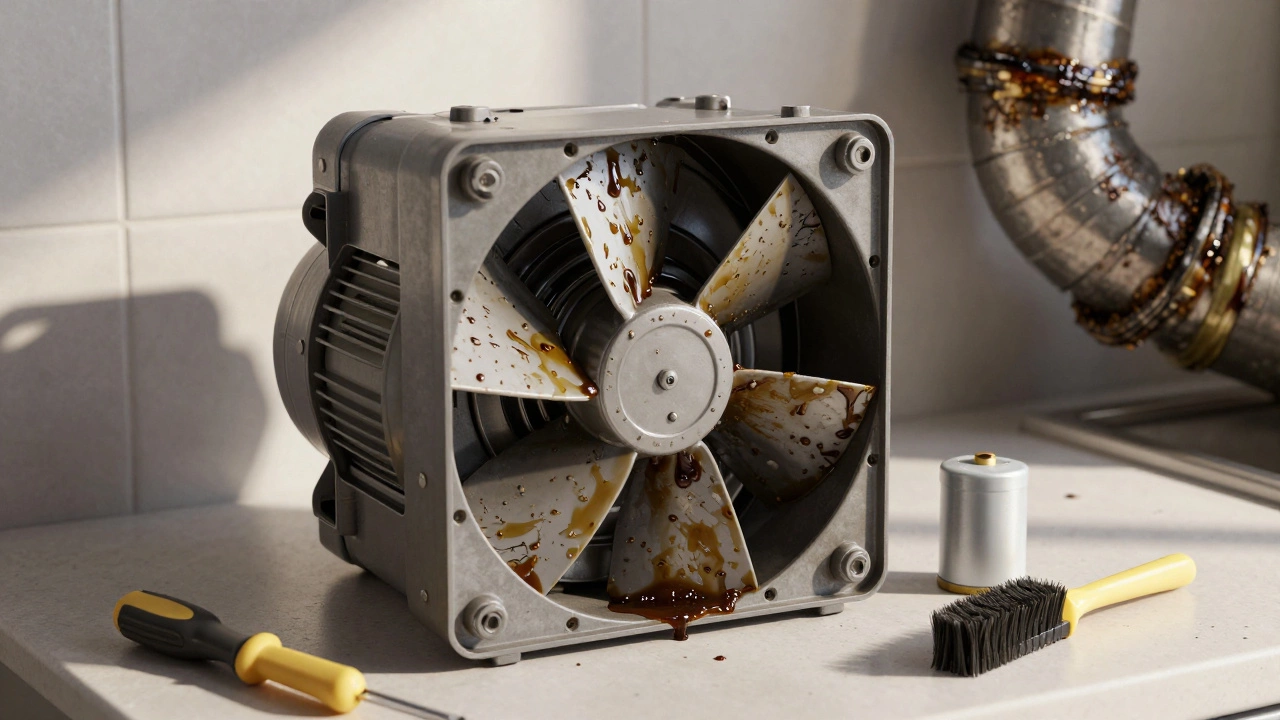
Turn the fan on and stand right underneath it. Listen closely. Do you hear a low hum? That’s the motor running. If you hear nothing at all, the motor may be dead. If you hear a clicking or buzzing but no spinning, the capacitor might be faulty. Capacitors are small cylindrical components that help start the motor. They’re cheap to replace - under £10 online - but require opening the fan housing.
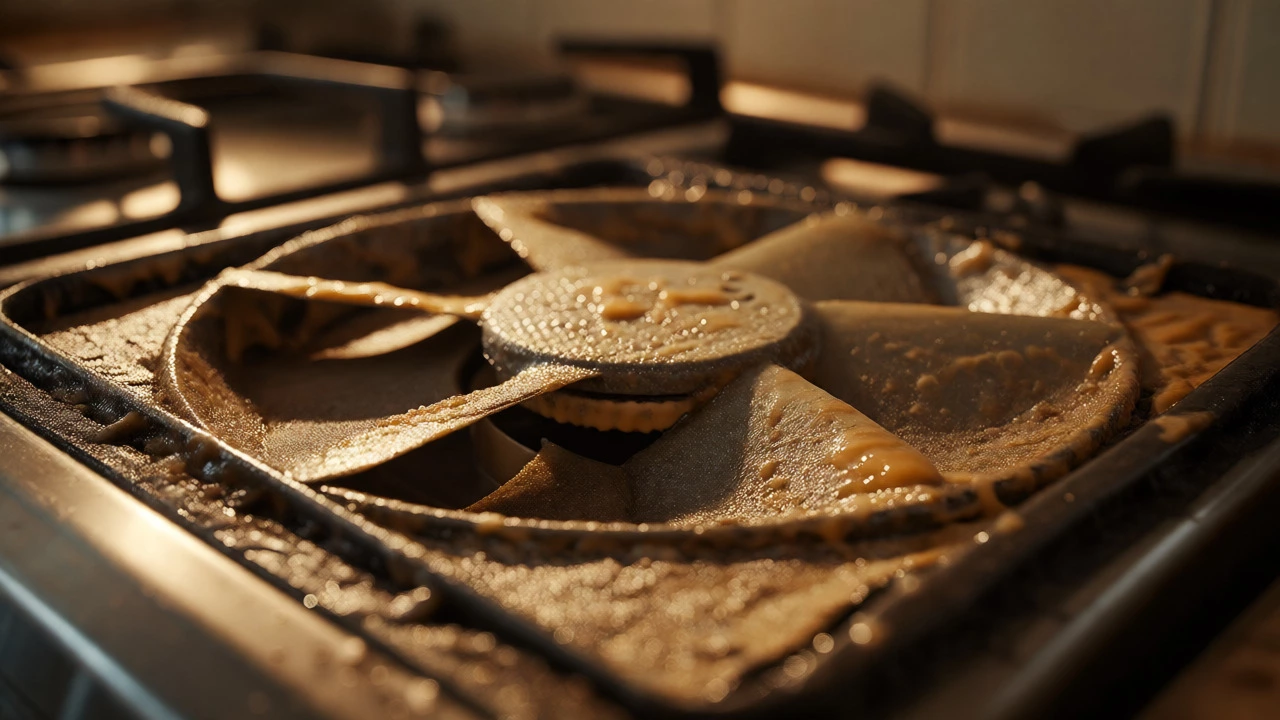
A fan that runs but sounds like a rattling tin can? That’s usually a loose blade or a worn bearing. You’ll need to remove the grease filter and the front cover to inspect. Most UK extractor fans use standard 120mm or 150mm blades. If one is cracked, bent, or covered in thick grease, it’ll throw off balance and cause vibration. Clean the blades with warm soapy water and a toothbrush. If they’re damaged, replace them. You can order replacements from the manufacturer or a supplier like Extractor Fan Direct a UK-based supplier of replacement parts for domestic extractor fans, offering models compatible with brands like Bora, Elica, and Falmec.
Test Airflow - The Real Indicator of Performance
Power and noise don’t tell the whole story. The real question is: is air actually moving?
Here’s a simple test you can do in under a minute:
- Turn the fan on to its highest setting.
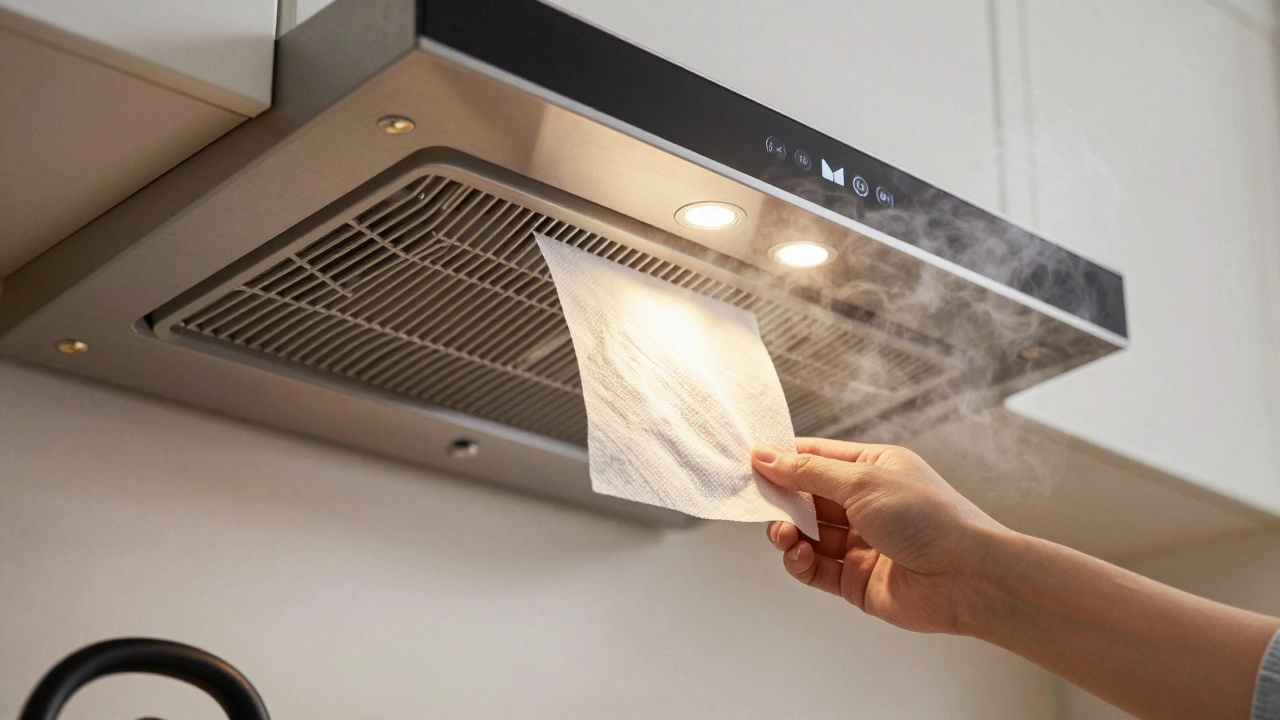
- Hold a piece of kitchen tissue or a lightweight paper towel about 10cm away from the exhaust grille.
- Watch how it reacts.
If the paper is pulled firmly toward the grille and stays stuck, airflow is strong. If it flutters weakly or doesn’t move at all, your fan isn’t pulling air effectively.
Another method: light a match or use a candle. Hold it near the intake (not the exhaust) while the fan is running. The flame should lean sharply toward the fan. If it barely moves, you’ve got a blockage or a weak motor.
Why does this matter? Building regulations in England and Wales require extractor fans to move at least 15 litres of air per second. A fan that moves less than 10 L/s is ineffective for a standard kitchen. You can buy a simple anemometer online for under £20 to get an exact reading - useful if you’re buying a replacement later.
Check the Ducting - The Hidden Culprit
Most extractor fan failures aren’t the fan itself - they’re the ducting. In older UK homes, especially those built before 2010, ducts are often made of flexible plastic or poorly insulated metal. Over time, they collapse, get kinked behind cabinets, or fill with grease.
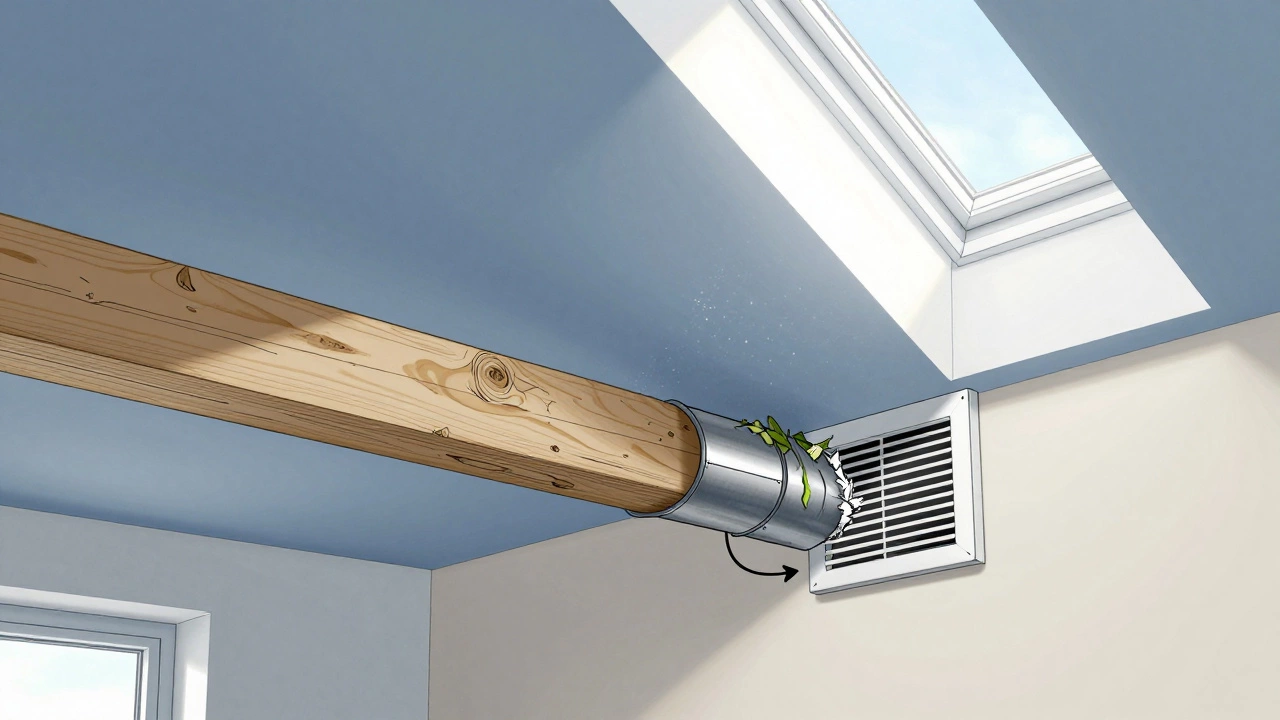
Go to your loft or attic and trace the duct from the fan to the external vent. Look for:
- Flattened or crushed sections
- Excessive bends (more than two 90-degree turns reduces airflow by over 40%)
- Grease buildup inside the pipe - if you can see dark, sticky residue, that’s a blockage
- Loose connections where the duct meets the fan or the wall vent
Even a small gap can let air escape, reducing suction. Seal joints with aluminium foil tape - not duct tape. Duct tape degrades in heat and humidity. Also, make sure the external vent flap opens freely. If it’s stuck shut from dirt or birds’ nests, clean it out. A blocked external vent is one of the most common reasons fans seem "broken."
Grease Filters - Clean or Replace?
Most extractor fans have removable grease filters. These are usually made of metal mesh or charcoal. Metal filters can be washed. Take them out, soak them in hot water with washing-up liquid for 20 minutes, scrub with a brush, rinse, and dry completely before putting them back. Never reinstall a wet filter - it’ll cause the motor to overheat.
Charcoal filters (used in recirculating fans) can’t be cleaned. They absorb odours and need replacing every 3 to 6 months. If you’ve got a recirculating fan and it smells like last week’s curry, the filter is saturated. You can buy replacements from the same suppliers as blades - just match the model number.
When to Replace Instead of Repair
Not every fan is worth fixing. Ask yourself:
- Is the fan over 10 years old?
- Does it have a single-speed motor? (New models have 3 or more speeds and humidity sensors.)
- Is the casing cracked or corroded?
- Are replacement parts hard to find?
If you answered yes to any of these, it’s cheaper and smarter to replace it. Modern extractor fans use 60% less energy than models from 2010. A new quiet fan with a timer and humidity sensor costs around £80 to £150. You’ll save money on electricity and avoid future breakdowns.
Quick Diagnostic Checklist
Here’s a simple checklist to run through when testing your fan:
- ✅ Power switch is on and not tripped
- ✅ Motor hums or spins (no clicking or silence)
- ✅ Grease filter is clean and properly installed
- ✅ Ducting is straight, unblocked, and sealed
- ✅ External vent opens and closes freely
- ✅ Tissue test shows strong airflow
- ✅ No unusual smells or excessive noise
If you’ve checked all these and the fan still underperforms, it’s likely a failed motor or capacitor. At that point, consider replacement. Most manufacturers offer 2- to 5-year warranties - if your fan is still under warranty, contact the supplier before attempting repairs.
Prevent Future Problems
Once your fan is working right, keep it that way:
- Wash metal filters every month if you cook daily
- Replace charcoal filters every 4 months
- Inspect the ducting once a year - especially before winter
- Don’t leave the fan off for weeks - moisture builds up in the duct
- Use the fan during and after cooking, even for boiling water
A well-maintained extractor fan lasts 15 years. A neglected one can fail in 5 - and cause damp patches on your ceiling.
Why does my extractor fan make a loud rattling noise?
A loud rattling usually means a loose or damaged fan blade. Turn off the power, remove the front cover, and check if the blades are wobbly or cracked. Grease buildup can also unbalance the motor. Clean the blades and tighten the central hub. If the noise continues after cleaning and tightening, the motor bearings may be worn - replacement is the best fix.
Can I test an extractor fan without turning it on?
No - you can’t fully test airflow or motor function without powering it. However, you can check for physical blockages, inspect the ducting, and clean filters without turning it on. These are important maintenance steps, but the real test requires the fan to be running.
Is it safe to clean an extractor fan myself?
Yes, if you follow basic safety steps. Always unplug the fan or turn off the circuit breaker before removing covers or filters. Avoid using harsh chemicals - warm soapy water is enough. If you’re uncomfortable handling electrical parts, stick to cleaning filters and ducts. Leave motor or wiring repairs to qualified electricians.
What’s the difference between ducted and recirculating extractor fans?
Ducted fans push air outside through a pipe - this is the most effective for removing moisture and smells. Recirculating fans filter air through charcoal and blow it back into the kitchen - they’re cheaper to install but less effective. If you’re replacing a fan, choose ducted unless you can’t run ducting to an external wall.
How often should I replace my extractor fan?
Most extractor fans last 10 to 15 years with regular maintenance. If you notice a drop in airflow, increased noise, or frequent breakdowns before then, it’s time to replace. Modern models are more energy-efficient and quieter. Replacing a 15-year-old fan can cut your energy use by half.