- 21 Jun 2026
- Gideon Thornton
- 0
Extractor Fan Maintenance Cost Calculator
Your Setup
Cost Breakdown
Enter your details and click Calculate to see estimated costs.
Your kitchen smells like last night's dinner. Your bathroom mirror fogs up instantly during a shower and stays that way for twenty minutes. You crank the heat in winter, but the room feels stuffy and humid. It’s easy to blame bad luck or poor design, but the culprit is often hiding in plain sight: your extractor fan, also known as a range hood or exhaust fan, is a mechanical device designed to remove smoke, grease, cooking odors, moisture, and pollutants from indoor air. If you haven’t serviced it in over a year, it’s likely choking on grease and dust, working twice as hard to do half the job.
The short answer to "should extractor fans be serviced?" is yes. Absolutely. But why does this matter so much? It isn't just about fresh air. It’s about fire safety, energy bills, and the lifespan of your appliance. Let’s break down exactly what needs to happen, when it should happen, and how you can keep your ventilation system running smoothly without breaking the bank.
The Hidden Cost of Neglecting Your Ventilation
We tend to treat extractor fans like set-and-forget appliances. You install them, maybe change the lightbulb once a decade, and ignore them until they make a grinding noise. This approach is dangerous. An unserviced fan doesn’t just stop working; it becomes a hazard.
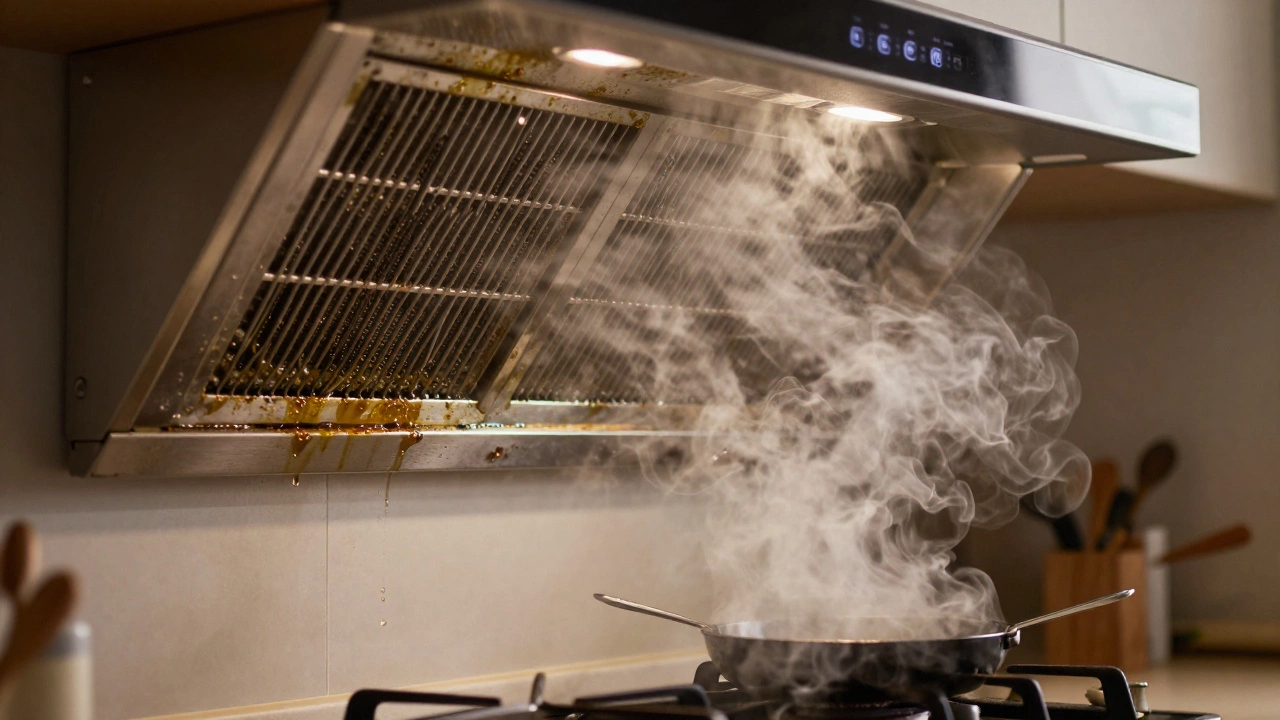
Consider the grease buildup. In a kitchen, every time you fry, sauté, or grill, microscopic oil particles fly into the air. Without a clean filter and ductwork, these particles settle on the fan blades, the motor housing, and inside the ducts. Grease is highly flammable. A single spark from an overheated motor or a nearby burner can ignite that accumulated grime. Fire departments frequently cite uncleaned range hoods as a primary cause of residential kitchen fires.
Then there’s the efficiency angle. A clogged fan has to spin faster to move the same amount of air. This puts strain on the motor, causing it to draw more electricity. Over a year, this inefficiency can add noticeable weight to your utility bill. Plus, if the fan can’t pull moisture out of your bathroom or kitchen, you invite mold and mildew. That leads to structural damage and health issues for anyone with allergies or respiratory conditions.
What Actually Needs Servicing?
When professionals talk about servicing an extractor fan, they aren’t just wiping down the outside. The process involves several critical components. Understanding these parts helps you decide whether you can DIY the task or need to call in an expert.
- Filters: These are the first line of defense. Mesh filters catch large grease particles, while charcoal filters absorb odors. Mesh filters need regular washing; charcoal filters need periodic replacement.
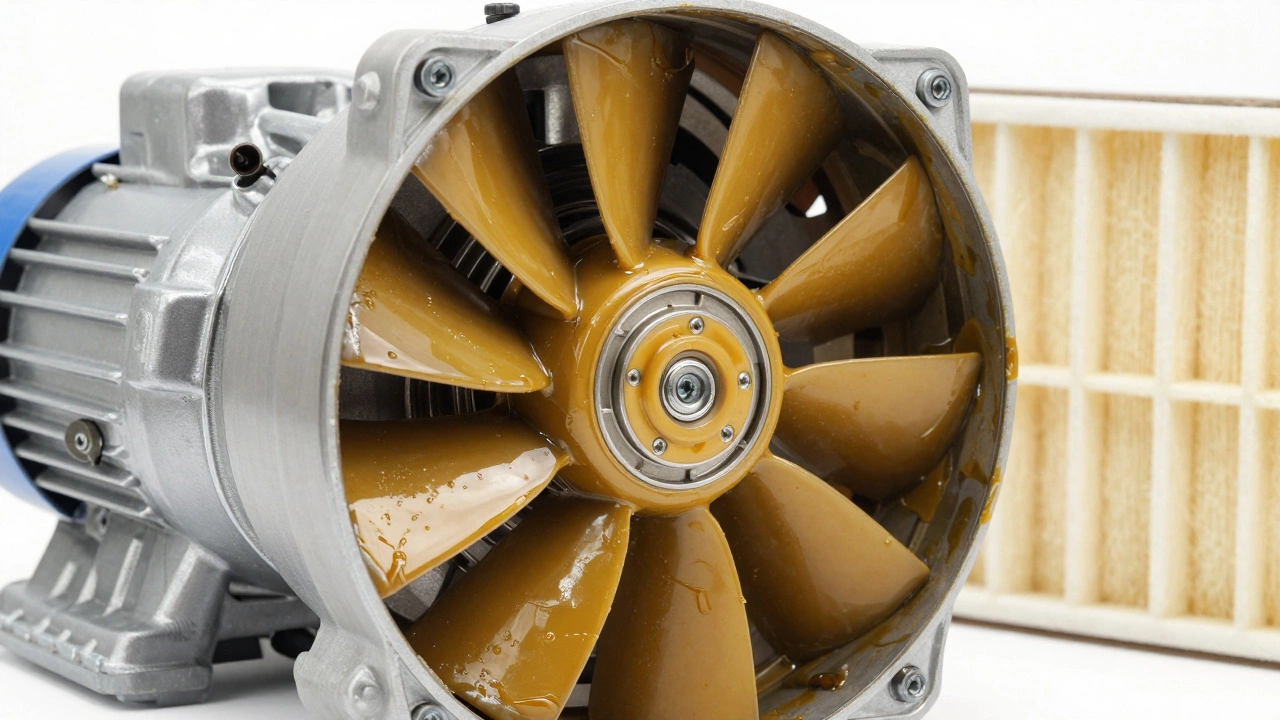
- Fan Blades: Coated in sticky grease, blades become unbalanced. This causes vibration, noise, and reduced airflow. They require degreasing and rebalancing.
- Motor: The heart of the unit. Motors need lubrication and inspection for worn bearings. If the motor is humming but not spinning, the capacitor might be dead.
- Ductwork: Often overlooked, the pipes carrying air outside get clogged with lint, dust, and grease. Blocked ducts render even the most powerful fan useless.
- Electrical Connections: Loose wires or corroded contacts can lead to failure or electrical faults. A technician checks these for safety.
DIY vs. Professional Service: Where to Draw the Line
You don’t need a professional for everything. In fact, some maintenance tasks are perfect for homeowners. Knowing the difference saves money and prevents unnecessary service calls.
Tasks You Can Do Yourself:
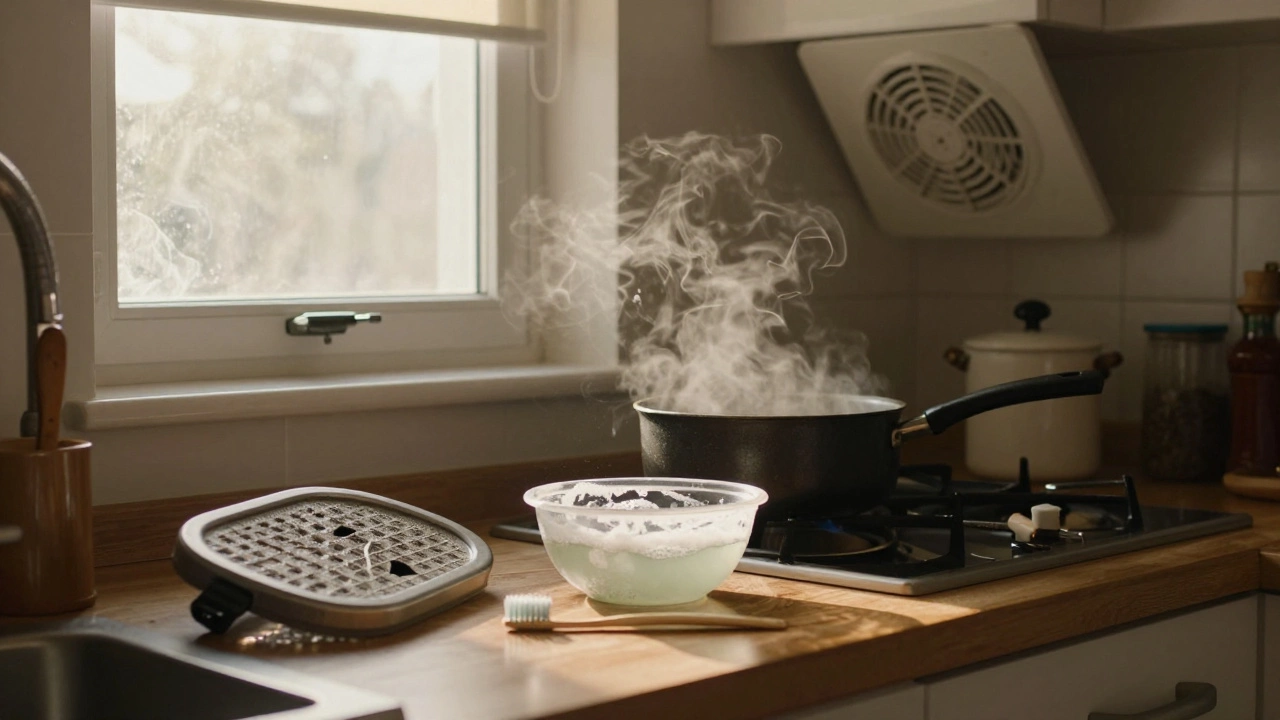
- Cleaning Mesh Filters: Remove the metal mesh filters and soak them in warm, soapy water or a mixture of baking soda and vinegar. Scrub gently, rinse, and let them dry completely before reinstalling. Do this every month for heavy cooking households, or every three months for light use.
- Replacing Charcoal Filters: If you have a recirculating hood (one that doesn’t vent outside), it uses charcoal filters. These cannot be washed. Replace them every six to twelve months, depending on usage.
- Wiping Down Surfaces: Use a non-abrasive cleaner to wipe the exterior, lights, and control panel. Avoid harsh chemicals that could damage the finish.
Tasks Requiring a Pro:
- Deep Cleaning the Interior: Removing the fan assembly to clean the blades and motor housing requires disassembly skills. Doing this incorrectly can void warranties or damage the unit.
- Duct Cleaning: Cleaning long runs of ductwork often requires specialized brushes and vacuums. If you suspect a blockage deep in the pipes, leave it to the experts.
- Motor Repair or Replacement: Electrical work carries risks. If the fan is making strange noises, sparking, or failing to start, a qualified technician should diagnose and fix the issue.
- Installation Checks: If your new fan isn’t performing well, a pro can check for improper installation, such as incorrect duct sizing or too many bends in the pipe.
| Task | Difficulty | Frequency | Cost Estimate |
|---|---|---|---|
| Clean Mesh Filters | Easy | Monthly - Quarterly | $0 (Soap & Water) |
| Replace Charcoal Filters | Easy | 6-12 Months | $15 - $40 per set |
| Deep Clean Fan Assembly | Moderate/Hard | Annually | $100 - $200 (Pro) |
| Ductwork Inspection/Cleaning | Hard | Every 2-3 Years | $150 - $300 (Pro) |
| Motor Repair/Replacement | Expert Only | As Needed | $200 - $500+ (Pro) |
Signs Your Extractor Fan Is Crying for Help
How do you know when routine cleaning isn’t enough? Pay attention to these warning signs. Ignoring them usually leads to a complete breakdown, which is far more expensive to fix than a simple service.
- Loud Noise: A healthy fan hums quietly. If you hear rattling, grinding, or screeching, the bearings may be worn, or debris is hitting the blades. This is a urgent signal.
- Poor Airflow: Turn on the fan at high speed. Hold a tissue near the vent. If the tissue barely moves, your filters or ducts are blocked.
- Grease Drips: If you see grease dripping from the hood onto your stove, the filters are saturated and the internal components are coated. This is a fire risk.
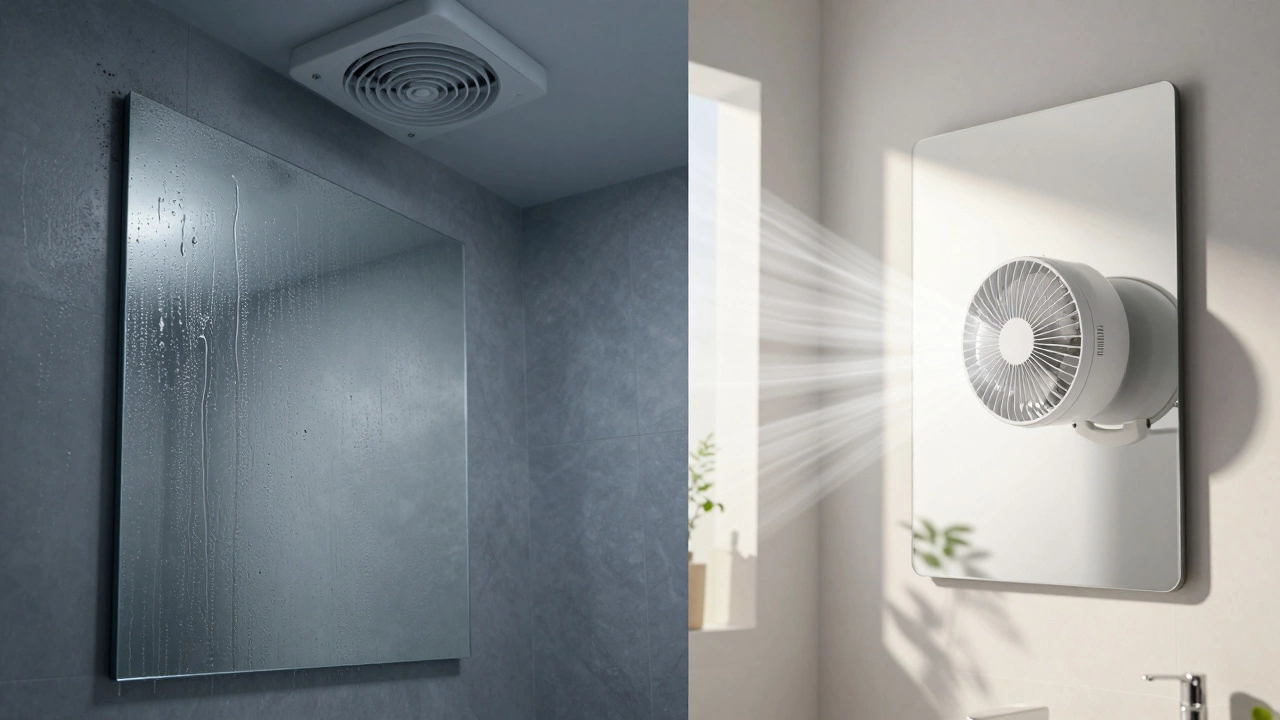
- Humidity Issues: In bathrooms, if steam lingers long after you turn off the fan, the unit isn’t moving enough air. Check for condensation on windows or walls.
- Burning Smell: A faint burning odor suggests the motor is overheating due to friction or electrical issues. Turn it off immediately and call a technician.
Creating a Maintenance Schedule That Sticks
Consistency is key. You don’t need to memorize complex manuals. Just follow this simple schedule based on typical household usage.
Monthly: Inspect and wash mesh filters. Wipe down the exterior. Check that the vent outlet outside isn’t blocked by bird nests or leaves.
Semi-Annually: Deep clean the interior housing if accessible. Test the airflow with the tissue trick. Listen for unusual noises.
Annually: Schedule a professional inspection. Have a technician clean the motor, check electrical connections, and inspect the ductwork for leaks or blockages. This is especially important for commercial kitchens or homes with heavy daily cooking.
Every 3-5 Years: Consider replacing charcoal filters if they haven’t been swapped recently. Evaluate the overall condition of the unit. Older models may become less efficient, making replacement a better financial choice than repeated repairs.
Common Mistakes Homeowners Make
Even well-intentioned owners can damage their fans. Avoid these pitfalls.
Using Harsh Chemicals: Bleach and ammonia can corrode metal parts and degrade plastic components. Stick to mild detergents or dedicated degreasers.
Ignoring the Duct: Many people clean the hood but forget the pipe leading outside. If the duct is clogged, cleaning the hood is pointless. Ensure the external flap opens freely when the fan is on.
Overloading the System: Running the fan at max speed constantly wears out the motor. Use lower speeds for light cooking and reserve high power for frying or boiling.
Skipping Filter Changes: Charcoal filters lose effectiveness over time. Keeping a spent filter gives a false sense of security. Mark your calendar for replacements.
When to Repair vs. When to Replace
Servicing extends life, but nothing lasts forever. How do you decide if it’s worth fixing? Look at the age and cost.
If your fan is less than ten years old and the problem is a dirty filter, a worn belt, or a faulty switch, repair is usually cost-effective. Parts are often affordable, and labor costs are reasonable.
If the unit is older than fifteen years, consider replacement. Newer models are significantly more efficient, quieter, and feature better filtration technology. The energy savings alone can offset the purchase price within a few years. Additionally, modern fans often include smart features like automatic shut-off and LED lighting that improve usability.
However, if the motor itself has failed in a mid-life unit, weigh the cost of a new motor against the price of a new fan. Sometimes, buying new makes more sense than investing heavily in an aging machine.
How often should I service my extractor fan?
For most households, a basic cleaning of filters should happen monthly. A deeper internal cleaning and professional inspection should occur annually. If you cook heavily or live in a dusty area, consider servicing every six months.
Can I clean my extractor fan myself?
Yes, you can clean the exterior and wash removable mesh filters yourself. However, deep cleaning the motor, blades, and ductwork requires specialized tools and knowledge. It is safer and more effective to hire a professional for these tasks.
Why is my extractor fan making a loud noise?
Loud noises like grinding or rattling usually indicate worn bearings, loose screws, or debris caught in the fan blades. Grease buildup can also cause imbalance. This requires immediate attention to prevent motor failure.
Do I need to replace charcoal filters regularly?
Yes, if you have a recirculating hood. Charcoal filters trap odors and cannot be cleaned. They typically need replacement every 6 to 12 months depending on how much you cook. Saturated filters reduce airflow and allow smells to linger.
Is it dangerous to ignore a broken extractor fan?
It can be. In kitchens, lack of ventilation leads to grease accumulation, which is a significant fire hazard. In bathrooms, it causes excess humidity, leading to mold growth and potential structural damage. Always address malfunctions promptly.
How much does professional extractor fan servicing cost?
Costs vary by location and complexity. A standard cleaning and inspection typically ranges from $100 to $200. More extensive repairs, such as motor replacement or duct cleaning, can cost between $200 and $500. Get multiple quotes for accurate pricing.
What are the signs that my extractor fan needs repair?
Key signs include loud operating noises, reduced airflow, visible grease drips, burning smells, and persistent humidity or odors in the room. If the fan fails to turn on entirely, it likely has an electrical issue requiring professional diagnosis.