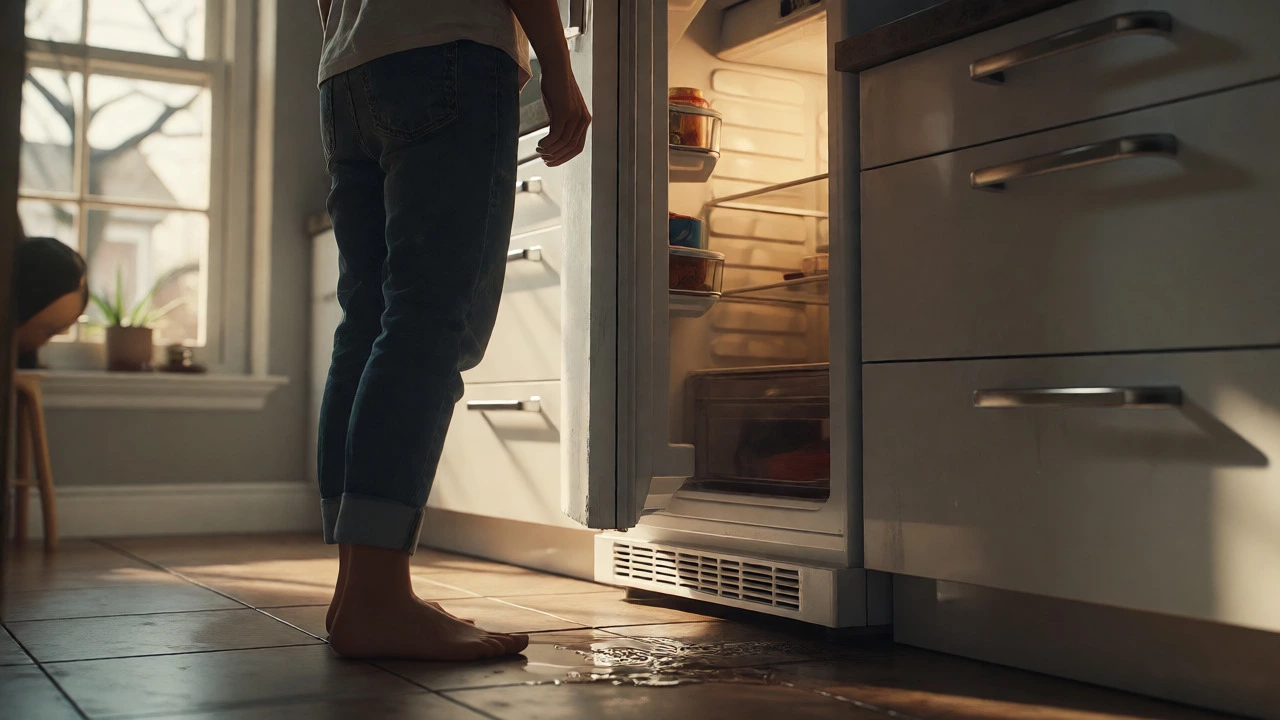
Deciding whether to repair or replace a 7-year-old fridge freezer? We break down costs, energy savings, and common faults to help you make the smart choice.

Got a broken fridge, a noisy washing machine, or an oven that won’t heat? Before you panic, know that most repairs cost far less than a brand‑new replacement. In this guide we break down the usual price ranges, the factors that push the bill up, and simple ways to keep costs down.
In the UK, a call‑out fee usually starts around £40‑£60. After that, the labour and parts decide the final amount.
These numbers are averages from local Nuneaton repair services. Prices can swing up if the technician needs to order a hard‑to‑find part or work after hours.
Understanding the cost drivers helps you ask the right questions during the phone call.
Age of the appliance. Older models often need parts that are no longer stocked, so the shop may have to source a used component. That adds a markup.
Severity of the fault. A simple loose wire is cheap to fix, but a broken motor or sealed‑system leak means more labour time.
Brand reputation. Premium brands sometimes carry higher part prices because the manufacturer controls the supply chain.
Time of service. Emergency or weekend visits usually carry a premium surcharge of £20‑£40.
Ask the repairer for a written estimate before they start work. A clear breakdown of labour, parts, and any extra fees lets you compare quotes easily.
Now that you know the basics, here are three practical tips to keep the repair cost low.
1. Spot the problem early. Small issues, like a noisy washer or an oven that takes longer to heat, often turn into big repairs if ignored. A quick check – cleaning filters, tightening loose connections, or resetting the appliance – can save you a call‑out fee.
2. Get multiple quotes. A 10‑minute phone call to two local repair firms can reveal a £20‑£30 price gap. Use the same symptom description each time so the quotes are comparable.
3. Ask about refurbished parts. Many technicians have access to re‑conditioned components that work as well as new ones but cost half the price. Just confirm the warranty – most reputable shops offer a 6‑month guarantee on refurbished parts.
If the repair quote is close to the appliance’s current market value, it might be smarter to replace. A good rule of thumb is the “50% rule”: if the repair costs more than half of a new unit, start looking at replacement options.
At Nuneaton Appliance Repair Experts we always give a free diagnosis and a transparent estimate. Our goal is to fix the problem without the guesswork, so you know exactly what you’re paying for.
Whether you’re dealing with a hiccup in your washing machine or a full‑blown fridge failure, understanding the cost structure puts you in control. Use the price ranges above as a benchmark, ask the right questions, and you’ll avoid surprise bills while keeping your home running smoothly.
Deciding whether to repair or replace a 7-year-old fridge freezer? We break down costs, energy savings, and common faults to help you make the smart choice.
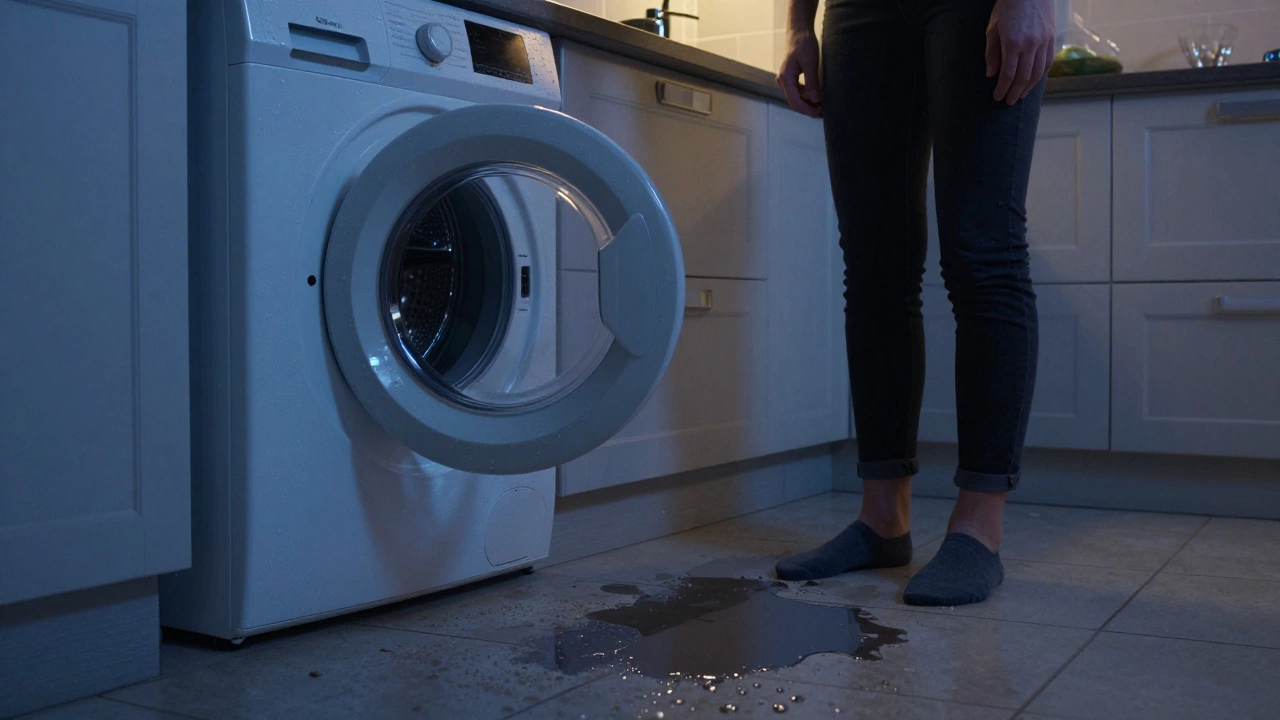
Deciding whether to repair or replace a washing machine? Learn the 50% rule, compare costs, and discover when it's time to upgrade for better efficiency.

Deciding whether to repair or replace a dishwasher? Learn the real costs, when to walk away, and how to pick a better new model that saves money and time.

Learn how to decide if fixing a 10‑year‑old stove makes sense. Compare repair costs, safety risks, energy savings and recycling options to choose wisely.

Trying to decide if fixing your 7 year old refrigerator is a smart move or just throwing money away? This article breaks down the real math, common problems at this age, actual repair costs, and when it makes more sense to ditch your old fridge for something new. You'll get no-nonsense tips on spotting red flags that signal it's time to replace and learn about hidden costs nobody warns you about. By the end, you'll have a clear plan for your next step—no guesswork or regret.