
- 20 Sep 2026
- Gideon Thornton
- 0
Fridge Freezer Repair vs. Replace Calculator
Use this tool to apply the "50% Rule" and factor in energy costs to make an informed decision about your 7-year-old fridge freezer.
1. Appliance Details
2. Energy & Condition Factors
Financial Analysis
- • 50% Threshold:
- • Repair Cost:
- • Energy Payback Period:
Risk Assessment
- • Fault Severity:
- • Other Issues:
- • Structure:
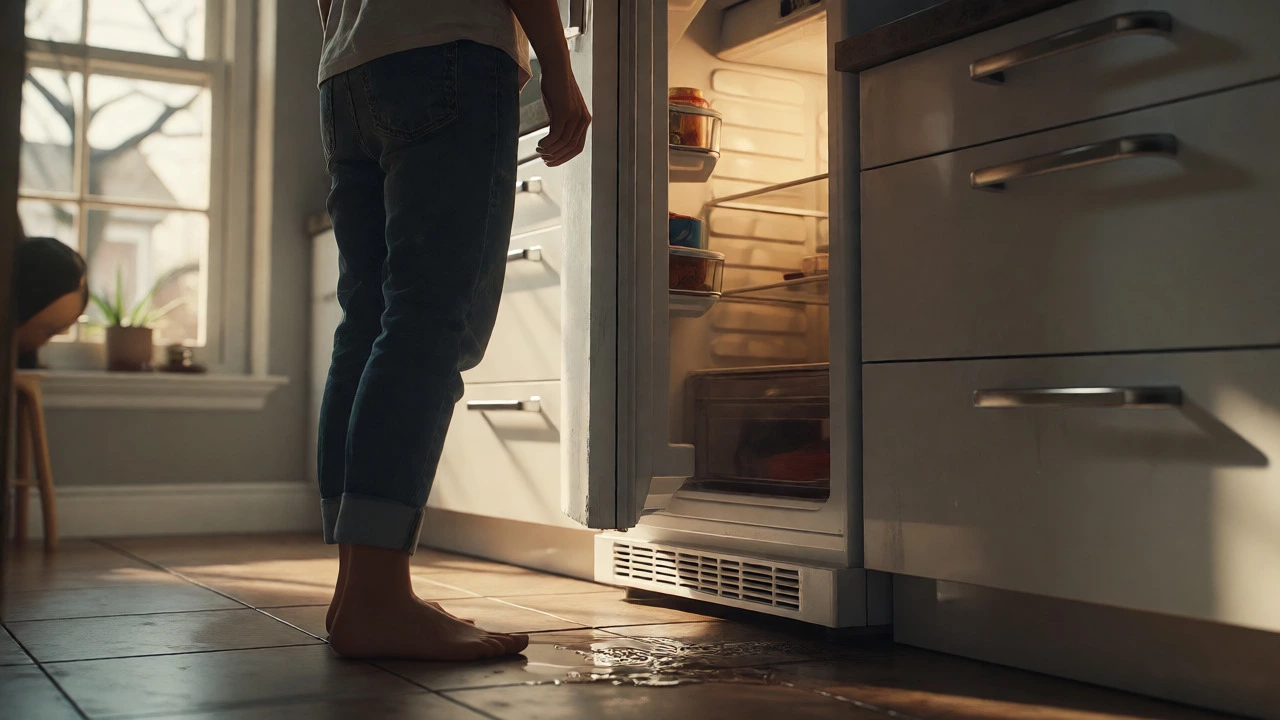
You’re standing in your kitchen, staring at that puddle of water on the floor or listening to the weird humming noise coming from behind the door. Your fridge freezer is seven years old. It’s not new, but it’s not ancient either. The repair quote sits in your inbox, and you’re torn. Do you fix it, or do you bite the bullet and buy a new one?
This isn’t just about money; it’s about peace of mind. A broken fridge can mean spoiled milk, thawed chicken, and a weekend spent cleaning up messes. But replacing an appliance is expensive, and manufacturing a new one has its own environmental cost. So, how do you decide? It comes down to three things: the specific problem, the cost of the fix versus the value of the unit, and your long-term energy bills.
The 50% Rule for Appliance Repairs
There’s a golden rule in the appliance world called the 50% rule. If the cost to repair your fridge freezer is more than half the price of buying a brand-new equivalent model, you should usually replace it. For a standard integrated fridge freezer in the UK, a new unit might cost between £400 and £800 depending on the brand and features. So, if a repairman quotes you £300, you’re likely better off with a new machine.
But here’s the catch: this rule assumes the rest of the fridge is healthy. If your appliance has other minor issues-like a dodgy door seal or a noisy fan-that will need fixing soon, those costs add up. Seven years is often the tipping point where multiple components start to wear out simultaneously. Replacing one part now might just be delaying the inevitable expense of replacing another next month.
What’s Actually Broken?
Not all repairs are created equal. Some fixes are cheap and easy; others are complex and risky. Here’s how to categorize the common faults found in 7-year-old units:
- Minor Fixes (Worth Doing): These include replacing door gaskets (seals), thermostats, light bulbs, or fans. These parts are relatively inexpensive (£20-£60) and labor costs are low. If your fridge is otherwise working well, these repairs extend its life significantly.
- Major Fixes (Proceed with Caution): Compressor failures, sealed system leaks, or control board errors. These are the big-ticket items. A compressor replacement can cost £200-£400 because it involves handling refrigerant gas and specialized labor. At seven years old, spending this much is often throwing good money after bad.
- Diagnostic Fees: Always ask if the diagnostic fee is waived if you proceed with the repair. Many reputable engineers in Bristol will deduct the call-out charge from the final bill.
The Energy Efficiency Argument
A seven-year-old fridge freezer was likely built under older energy standards. Newer models are significantly more efficient thanks to better insulation, smarter compressors, and LED lighting. According to recent data from the Energy Saving Trust, upgrading from an older appliance to a modern A-rated (or higher) model can save you anywhere from £15 to £30 per year on electricity bills.
Let’s do the math. If you keep repairing an inefficient fridge for another five years, you might spend £100 extra on energy compared to a new model. That’s £100 you could have saved by buying new upfront. When you factor this into the "repair vs. replace" equation, the break-even point moves closer. If the repair is expensive, the energy savings from a new unit help justify the purchase faster.
| Component Failure | Estimated Repair Cost (UK) | Verdict for 7-Year-Old Unit |
|---|---|---|
| Door Seal/Gasket | £40 - £80 | Repair. Cheap and improves efficiency. |
| Thermostat/Sensor | £60 - £100 | Repair. Low risk, high reward. |
| Fan Motor | £80 - £120 | Repair if unit is clean and quiet otherwise. |
| Control Board | £150 - £250 | Risky. Check for other electrical faults first. |
| Compressor | £250 - £450 | Replace. Too close to new unit price. |
| Sealed System Leak | £200 - £350 | Replace. High failure rate post-repair. |
Lifespan Expectations: How Long Should It Last?
The average lifespan of a fridge freezer is typically quoted as 10 to 15 years. However, real-world usage varies wildly. Factors like ambient temperature, frequency of door openings, and maintenance habits play huge roles. A fridge sitting in a hot garage or next to an oven will struggle more than one in a cool pantry.
If your unit is running fine aside from the current issue, getting to year 10 or 12 is realistic. But if the cabinet is rusting, the shelves are cracked, or the interior plastic is brittle, the structural integrity is failing. No amount of mechanical repair fixes a decaying body. In these cases, even a minor fault signals the end of the road.
Environmental Impact: Fix or Buy?
We often talk about recycling, but we forget that manufacturing a new appliance consumes significant resources. Steel, plastics, copper, and rare earth metals are all required. Plus, shipping a large box across the country adds carbon emissions.
From a sustainability perspective, extending the life of existing goods is usually better than buying new, provided the appliance isn’t drastically inefficient. If your fridge uses 100 kWh more per year than a modern equivalent, the carbon payback period for buying new is roughly 3-5 years. If the difference is smaller, keeping your current fridge longer is the greener choice. Don’t let eco-guilt push you into unnecessary replacements, but don’t ignore massive inefficiencies either.
How to Make the Final Decision
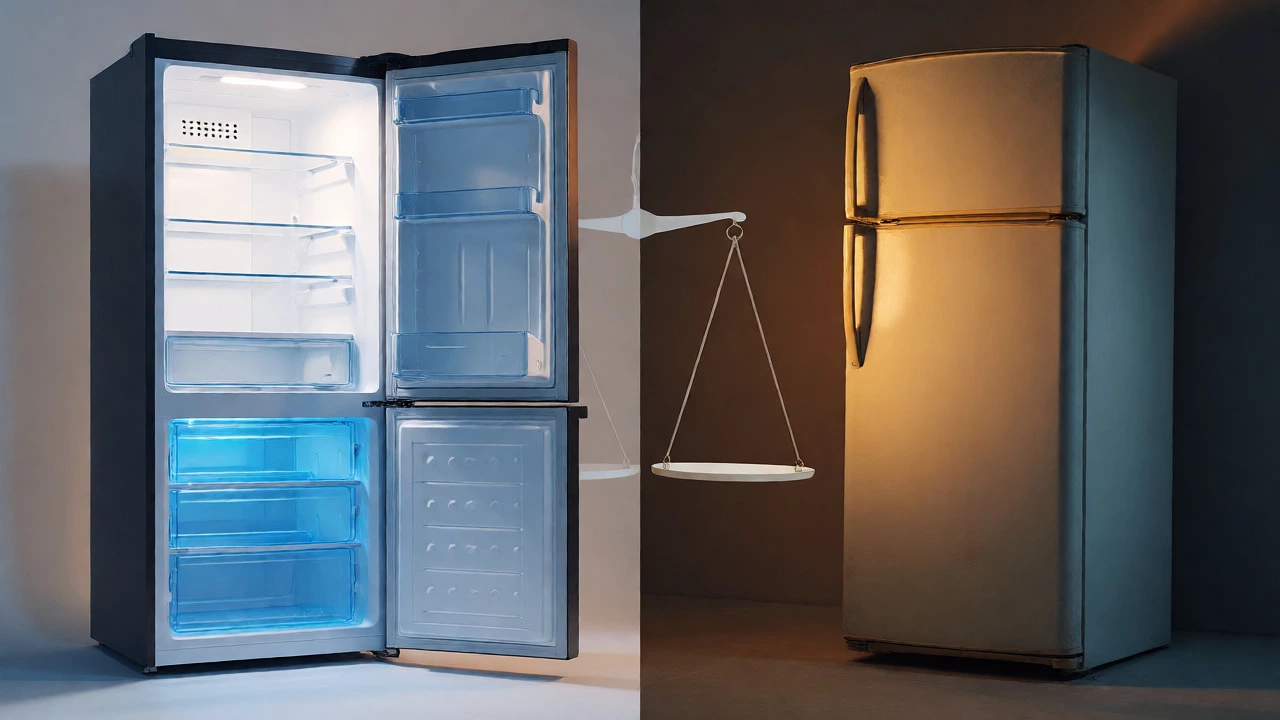
Here is a quick checklist to help you decide right now:
- Get a Firm Quote: Don’t guess. Call two local repair services. Ask specifically for parts and labor separately.
- Check the Age of Other Parts: Does the ice maker work? Is the freezer frost-free? If other systems are acting up, walk away.
- Compare to New Prices: Look at retailers like Currys or AO.com for similar specs. Remember to account for delivery and disposal fees (often £30-£50).
- Evaluate Your Budget: Can you afford a new one now without debt? If not, and the repair is under £150, take the repair. It buys you time to save.
In my experience helping friends in Bristol navigate these choices, the emotional attachment to a reliable appliance is real. But logic must win. If the repair is under £100 and fixes a critical cooling issue, do it. If it’s over £200, start shopping for sales. Black Friday and January sales often drop prices on white goods by 20-30%, making replacement surprisingly affordable.
Frequently Asked Questions
Is it cheaper to repair or replace a fridge freezer?
It depends on the fault. Minor repairs like seals or thermostats are almost always cheaper than replacement. Major repairs involving the compressor or sealed system are often more expensive than a basic new model, especially when factoring in future energy savings.
How long does a fridge freezer last?
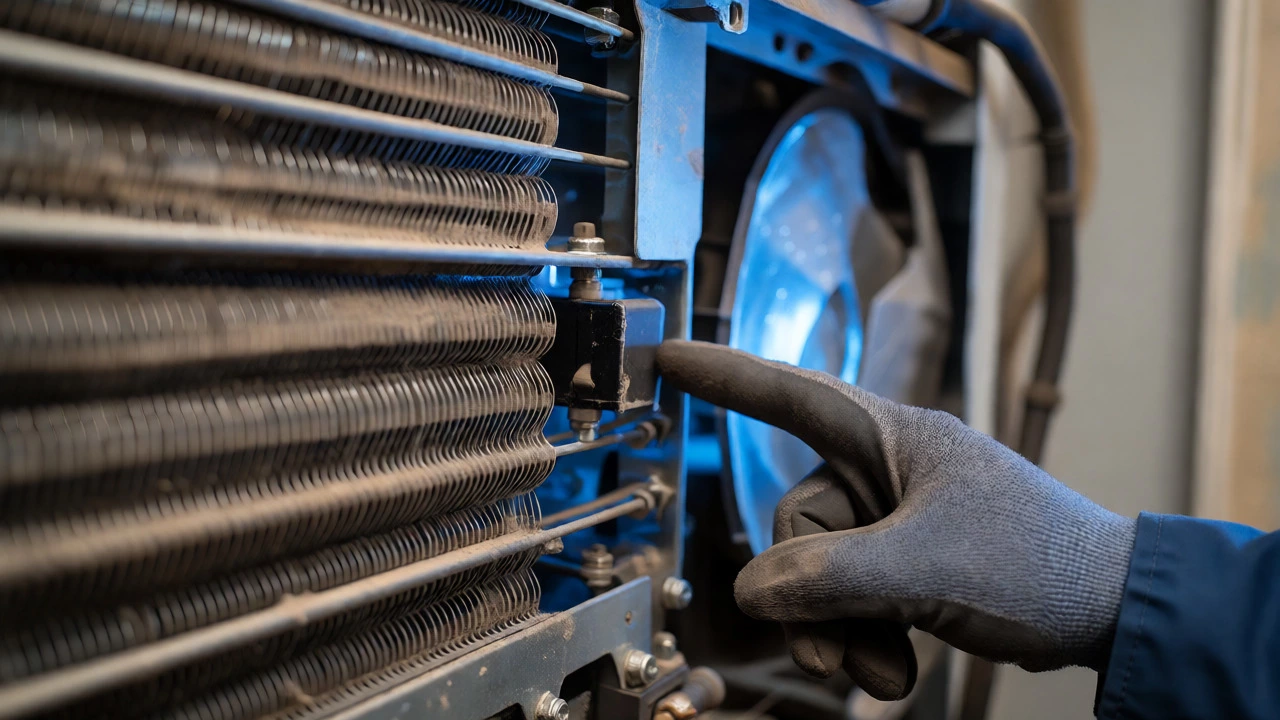
The average lifespan is 10 to 15 years. High-end brands like Bosch or Miele may last longer, while budget models might fail sooner. Regular cleaning of condenser coils and maintaining proper ventilation can extend this lifespan.
Should I repair a 7-year-old fridge?
Yes, if the repair cost is less than 50% of a new unit's price and the fridge is otherwise in good condition. If the compressor fails or there are multiple faults, replacement is usually the wiser financial and practical choice.
Are newer fridges really more energy efficient?
Yes, significantly. Modern appliances use advanced insulation and variable-speed compressors. Upgrading can reduce annual electricity consumption by 20-40% compared to models from the mid-2010s, saving money over time.
What is the most common cause of fridge failure?
Dirty condenser coils and faulty door seals are top causes of poor performance. Mechanical failures often involve the evaporator fan motor or the defrost timer. Compressor failures are less common but more costly.