- 28 Jun 2026
- Gideon Thornton
- 0
Washing Machine Repair vs. Replace Calculator
The 50% Rule ToolCost Inputs
Machine Condition
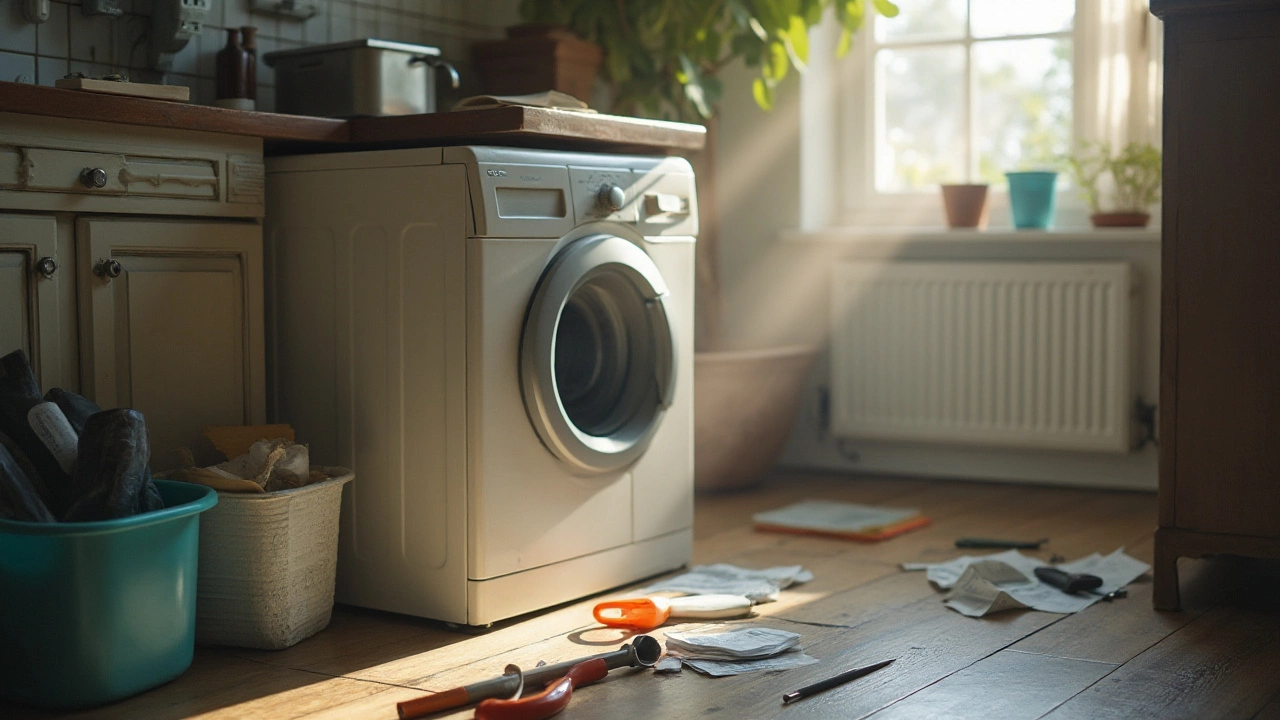
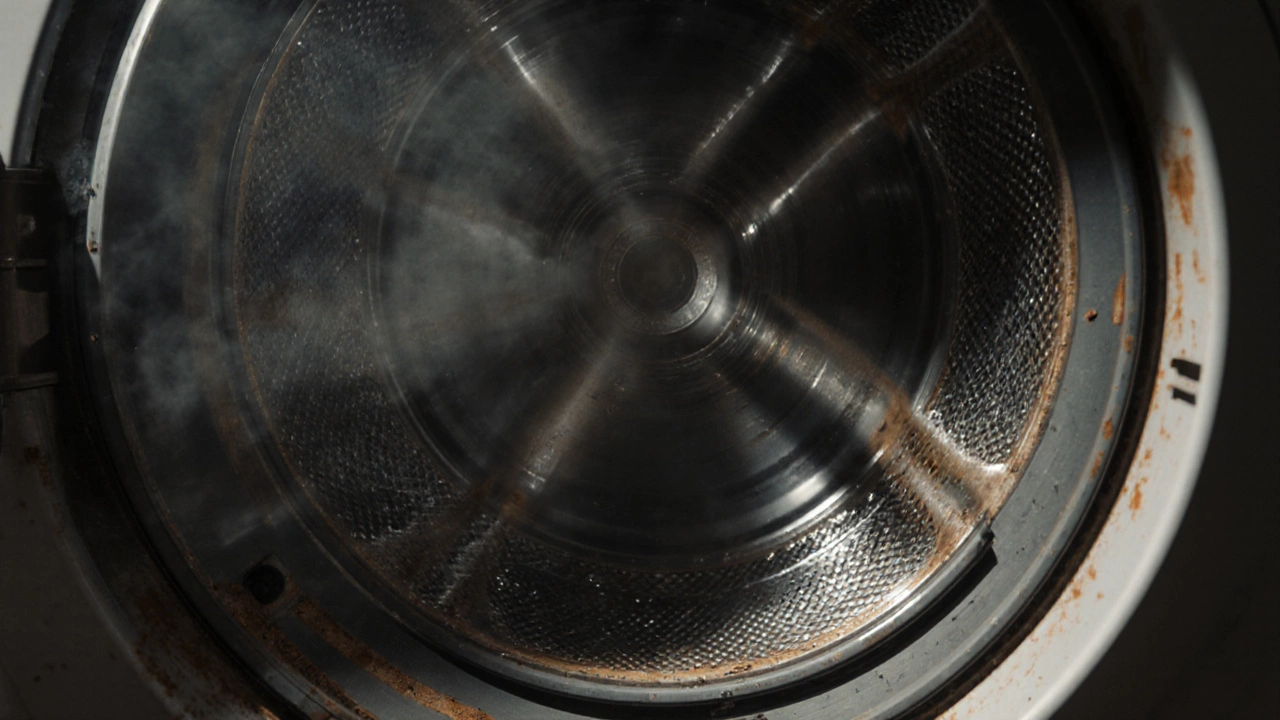
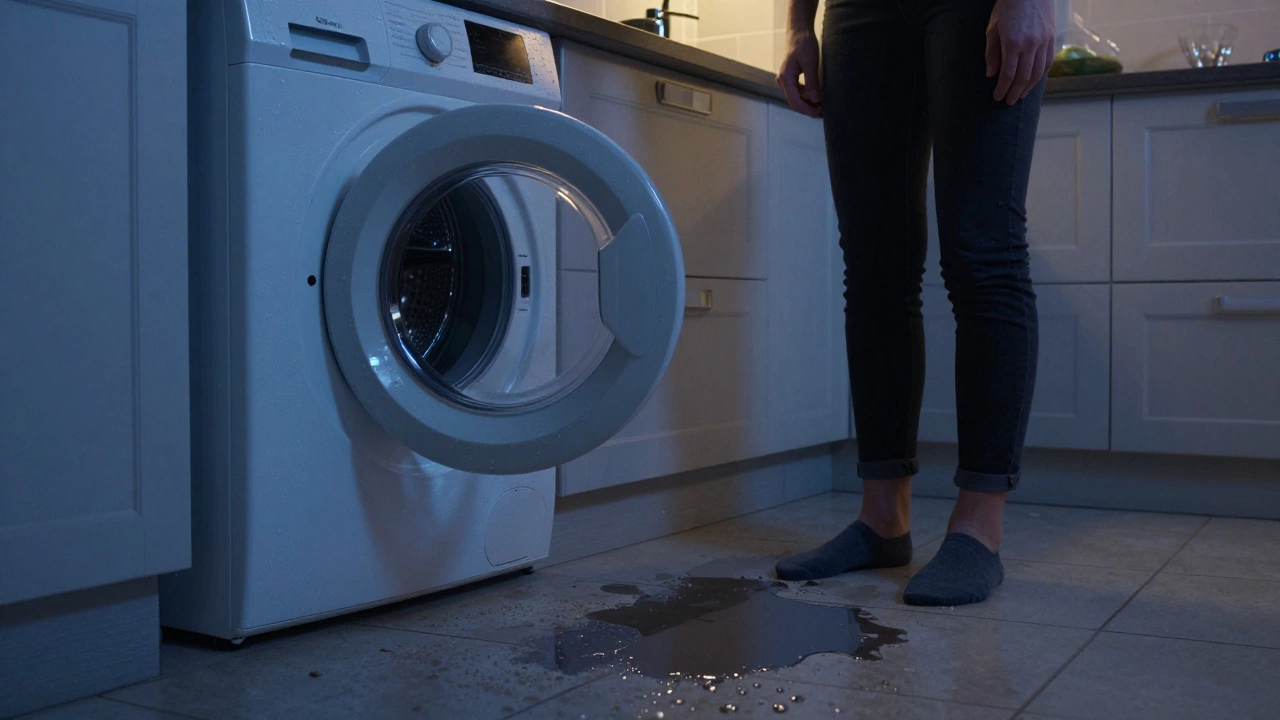
It’s 7:30 PM on a Tuesday. You’ve just loaded your week’s worth of laundry, hit start, and gone to make dinner. Ten minutes later, you hear it: a grinding noise that sounds like a blender full of gravel, followed by the sudden silence of a dead motor. Or maybe it’s worse-the floor is slowly turning into a swimming pool because the door seal has given up the ghost.
You stand there in your socks, staring at the spinning drum or the puddle, with one question burning in your mind: Is it worth repairing a washing machine, or should I just throw this thing out and buy a new one?
This is the most common dilemma homeowners face when appliances break down. We hate waste, but we also hate spending money on things that might break again next month. In 2026, with inflation still making household budgets tight and new machines packed with complex electronics, the answer isn’t always obvious. But there is a simple math formula-and a few hidden costs-that will tell you exactly what to do.
The Golden Rule: The 50% Cost Threshold
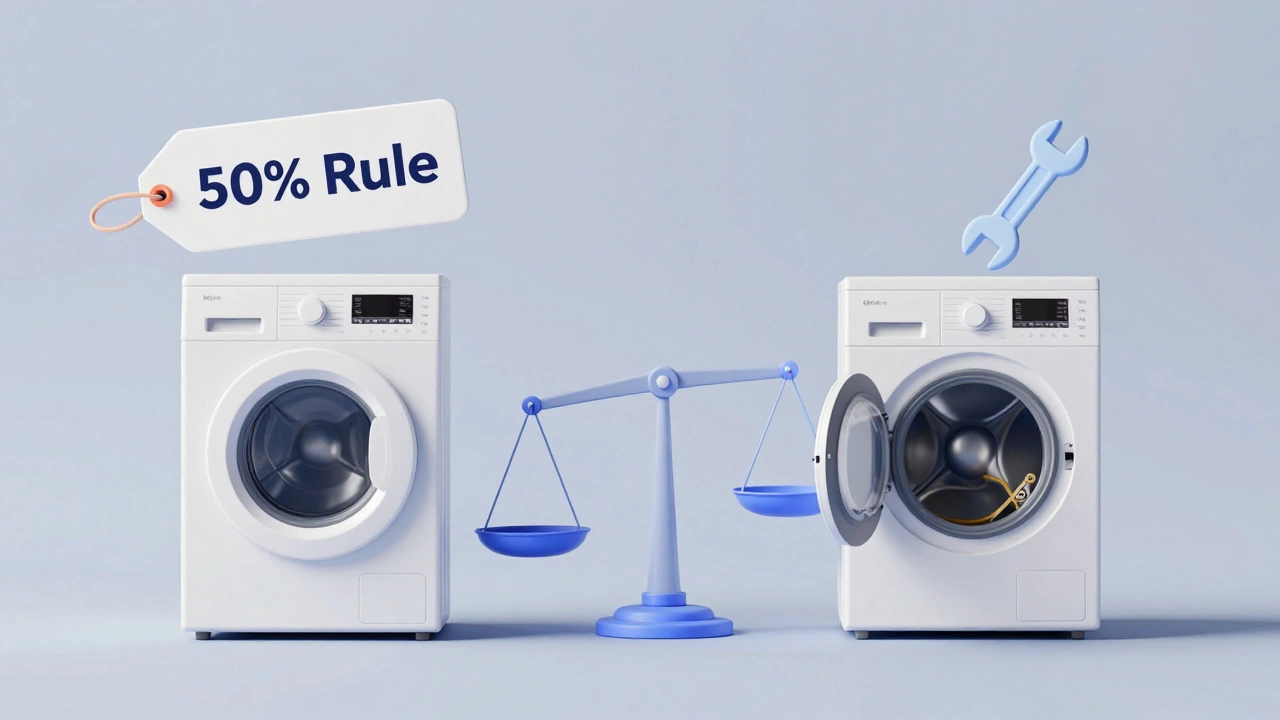
If you want a quick answer without digging into technical manuals, use the "50% Rule." This is the standard heuristic used by professional technicians across the UK. Here is how it works:
- Find the price of a comparable new machine. Don’t look at the fancy smart models with Wi-Fi and steam cycles. Look for a reliable, mid-range model with similar capacity (e.g., 8kg-9kg) and spin speed (1200-1400 RPM). In 2026, a decent new washing machine typically costs between £400 and £600.
- Get a quote for the repair. This must include parts and labor. A technician shouldn’t just charge you for the belt; they charge for their time to diagnose and fix it.
- Compare. If the repair costs more than 50% of the price of a new machine, replace it. If it’s less, repair it.
Let’s put numbers to it. If a new machine costs £500, the threshold is £250. If the repair quote is £180, you repair. If it’s £300, you replace. Simple, right? Mostly. But life-and appliances-are rarely that clean. There are variables that can shift this balance, especially regarding the age of your machine and the specific part that failed.
Age Matters: The Lifespan Reality Check
The 50% rule assumes your current machine has years left in it. But if your washing machine is 12 years old, fixing a £150 problem might not be wise. Why? Because washing machines have a finite lifespan. Most modern machines last between 10 and 15 years. If yours is nearing the end of that window, you aren’t just buying a repair; you’re buying a temporary fix for a dying system.
Think of it like a car. If your 15-year-old sedan needs a new transmission for £2,000, you might skip it. But if it just needs brakes for £300, you fix it. With washing machines, major components tend to fail around the same time as the machine ages. The motor, the drum bearings, and the control board all wear out over decades of use.
If your machine is under 7 years old, lean heavily toward repair. These machines are built to last longer, and a single part failure is usually an isolated incident. If it’s over 10 years old, lean toward replacement unless the repair is trivial (like a blocked pump filter or a loose hose).
Repair vs. Replace: Breaking Down the Costs
To make an informed decision, you need to understand what you’re actually paying for. Let’s break down the typical costs involved in both scenarios in the current market.
| Item | Estimated Cost (GBP) | Notes |
|---|---|---|
| New Mid-Range Machine | £400 - £600 | Includes delivery and basic installation |
| Diagnostic Fee | £50 - £80 | Often waived if you proceed with repair |
| Minor Repair (Hose/Filter) | £80 - £120 | Labor + small parts |
| Major Repair (Motor/PCB) | £200 - £350 | High labor intensity + expensive parts |
| Disposal of Old Machine | £0 - £50 | Free if retailer collects; fee otherwise |
Notice the diagnostic fee. Many people forget this. When you call a technician, they charge for the visit to figure out what’s wrong. If you say no to the repair, you still pay this fee. However, reputable engineers will deduct this from the final bill if you accept the work. Always ask about this upfront.
Hidden Factors: Energy Efficiency and Water Usage
Here is where the math gets interesting. Older washing machines are significantly less efficient than those sold today. In 2026, energy efficiency standards are stricter, and new machines use far less water and electricity per cycle.
An 11-year-old washing machine might use 150 liters of water per wash. A new A-rated model might use only 40-50 liters. Over a year, that adds up. If you wash clothes twice a week, you’re saving thousands of liters of water and reducing your electricity bill. While the savings won’t pay for the new machine overnight, they add up over the next 10 years. Plus, newer detergents are formulated for high-efficiency machines. Using them in an old machine often leads to poor cleaning results and residue buildup, meaning you have to re-wash clothes-wasting even more resources.
If your old machine is leaking slightly, running noisy cycles, or leaving clothes smelling musty despite fresh detergent, the inefficiency is already costing you money and sanity. Replacement becomes the smarter long-term financial move.
Common Repairs: What’s Actually Fixable?
Not all breakdowns are created equal. Some issues are cheap and easy to fix; others are death sentences for the appliance. Knowing which category your problem falls into can save you hours of stress.
- Door Seal Leaks: Often caused by mold or tears. Replacement seals are cheap (£20-£40), but labor is moderate. Usually worth repairing if the machine is young.
- Drain Pump Blockage: Very common. Often just requires clearing debris from the filter. If the pump itself is broken, it’s a relatively inexpensive part (£30-£50). Highly worth repairing.
- Belt Drive Failure: Makes a squealing noise. Belts are cheap and easy to replace. Definitely repair.
- Control Board (PCB) Failure: The machine doesn’t turn on or errors flash randomly. PCBs are expensive (£100+) and labor-intensive to swap. If the machine is older than 8 years, this is often a sign to replace.
- Drum Bearings: Causes loud roaring noises during spin. This is a major job requiring the entire tub to be removed. Labor costs are high (£150+). Almost never worth repairing on an older machine.
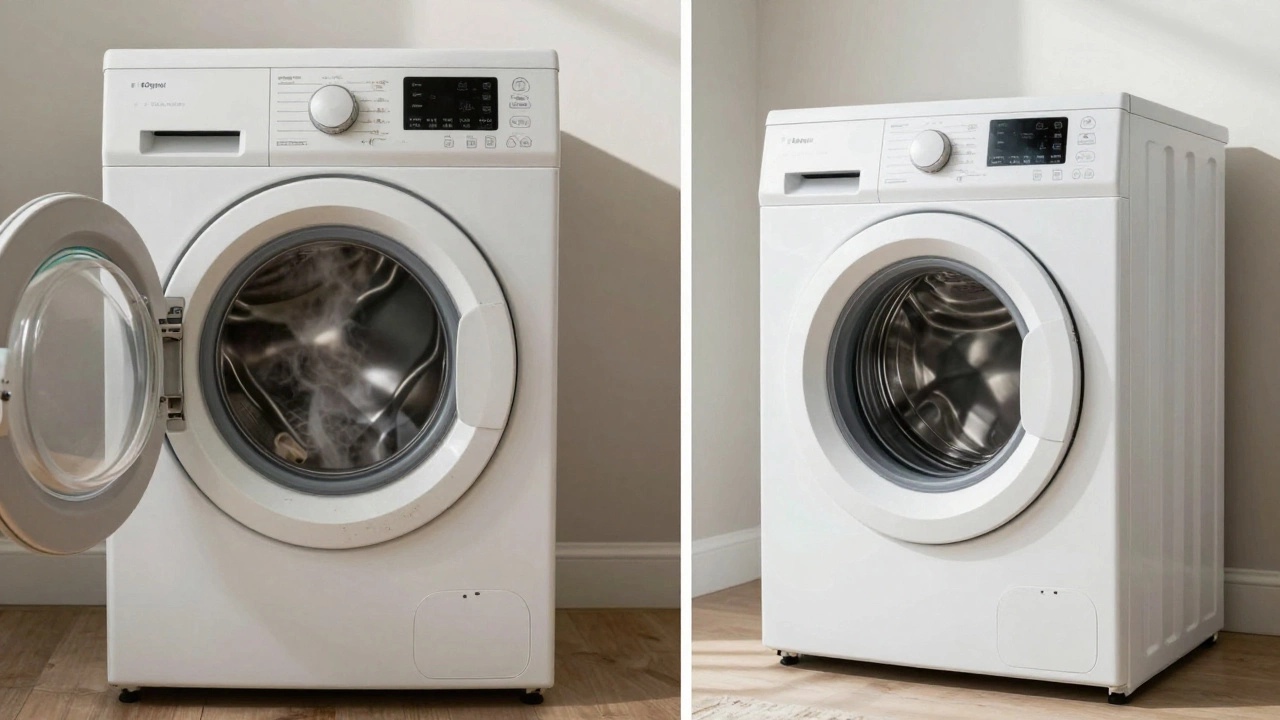
Environmental Impact: Is Repairing Greener?
We all want to do the right thing for the planet. Intuitively, repairing feels greener because you’re keeping e-waste out of landfills. And technically, you are. Manufacturing a new washing machine involves mining metals, producing plastics, and shipping heavy goods across the globe. The carbon footprint of a new machine is significant.
However, consider the operational carbon footprint. As mentioned, older machines consume more water and energy. If your old machine is inefficient, replacing it with a high-efficiency model can offset the manufacturing emissions within a few years of use. The Environment Agency suggests that extending the life of durable goods is generally better, but for white goods like washing machines, the efficiency gains of new models often tip the scales toward replacement if the machine is past its prime.
If you do choose to replace, ensure the old machine is recycled properly. Many retailers offer take-back schemes, and local councils often have bulky waste collection services. Never leave it on the curb illegally.
When to DIY vs. Call a Pro
Before you call a technician, ask yourself: Can I fix this myself? Some repairs are straightforward enough for a handy homeowner. Clearing a blocked drain pump filter, checking for foreign objects in the seal, or descaling the machine are tasks you can handle with a YouTube tutorial and a screwdriver. These fixes cost nothing but time.
However, avoid DIY if the issue involves:
- Electrical components (control boards, wiring)
- Water pressure valves
- Internal drum mechanisms
Mistakes here can lead to electrical shocks, further damage to the machine, or voiding any remaining warranty. Also, remember that DIY repairs don’t come with a guarantee. If you replace a bearing incorrectly, it might fail in a month, costing you double. Professional repairs usually come with a 12-month guarantee on parts and labor, giving you peace of mind.
Decision Checklist: Your Final Verdict
Still unsure? Run through this quick checklist. If you answer "Yes" to three or more questions, it’s time to buy a new washing machine.
- Is the repair cost more than 50% of a new machine?
- Is the machine older than 10 years?
- Has it required multiple repairs in the last two years?
- Is the repair involving the main control board or drum bearings?
- Does the machine use excessive water or energy compared to modern standards?
If you answered "No" to most of these, go ahead and get it fixed. You’ll extend the life of a perfectly good appliance, save money in the short term, and reduce waste. Just make sure to maintain it well-clean the filter regularly, use the correct amount of detergent, and wipe the door seal after use-to keep it running smoothly for years to come.
How much does it cost to repair a washing machine in the UK?
The average cost for a washing machine repair in the UK ranges from £80 to £250, depending on the issue. Minor fixes like replacing a hose or clearing a blockage cost less, while major repairs involving motors or control boards can exceed £300. Always get a written quote before authorizing work.
Is it cheaper to repair or replace a washing machine?
It depends on the age and cost of the repair. Use the 50% rule: if the repair costs more than half the price of a new machine, replacement is usually cheaper in the long run. For minor issues on younger machines, repair is almost always the more economical choice.
What are the signs my washing machine needs replacing?
Key signs include frequent breakdowns, loud grinding or banging noises during spin cycles, persistent leaks that return after repair, error codes that reset frequently, and visible rust or corrosion. If the machine is over 10 years old and showing multiple symptoms, replacement is likely best.
Can I repair a washing machine myself?
You can perform basic maintenance and minor repairs, such as cleaning the drain pump filter, checking for obstructions in the door seal, or descaling the drum. However, complex issues involving electrical components, motors, or internal drums should be left to professionals to avoid safety risks and further damage.
Does repairing a washing machine void the warranty?
If your machine is still under manufacturer warranty, unauthorized repairs may void it. Always contact the manufacturer or an approved service provider first. For out-of-warranty machines, DIY repairs won't affect any existing guarantees, but professional repairs often come with their own service warranty.