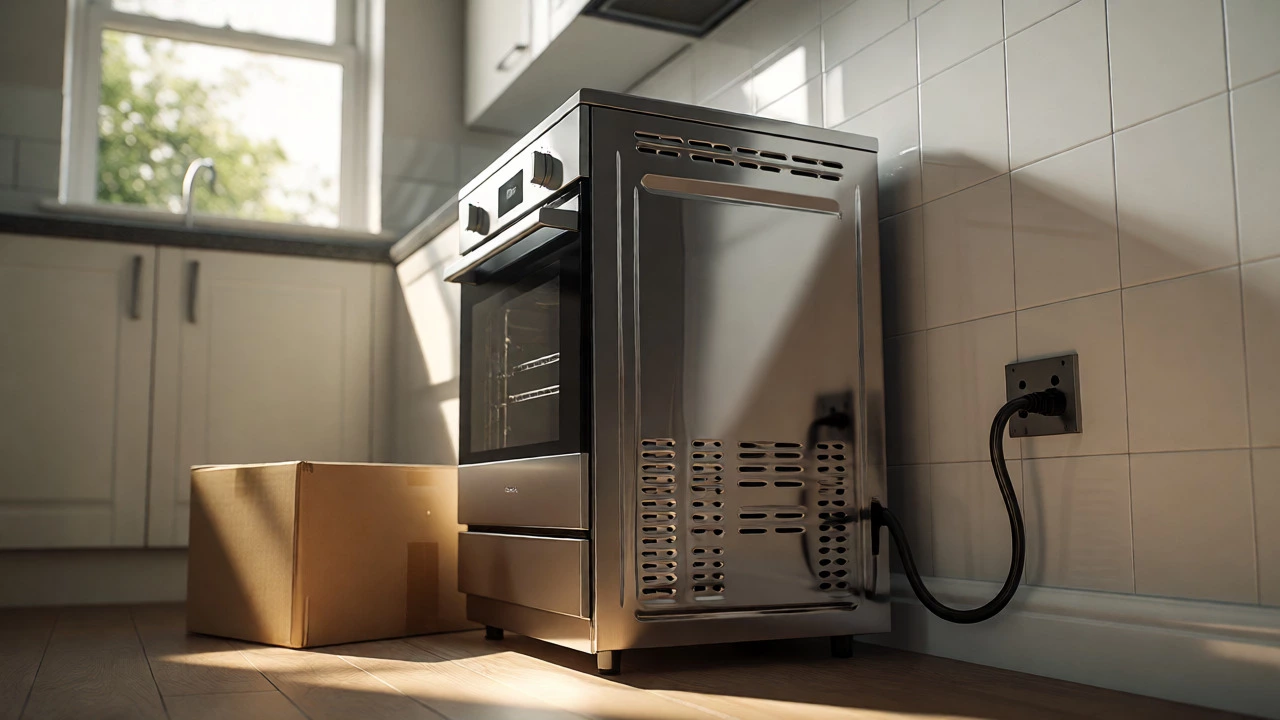
Wondering if you need an electrician to replace your electric oven? Learn when DIY is safe, how Part P regulations apply, and why hiring a pro protects your insurance.

That moment when your oven refuses to heat up or the timer quits working can feel like a kitchen nightmare. Before you call it quits and buy a brand‑new model, ask yourself if a replacement is really the only solution. In most cases, a few tell‑tale signs mean it’s time to replace, not repair, and knowing the cost drivers can keep you from getting a surprise bill.
First, look for consistent performance problems. If the heating elements are hot but the oven stays cold, or if you hear a buzzing sound every time you set a temperature, the internal electronics are likely dead. Another red flag is age: electric ovens typically last 12‑15 years. If yours is older than that and you’ve already paid for several repairs, the odds are higher that a new unit will be cheaper in the long run.
Other clues include broken doors, rusted interiors, and faulty thermostats that cause the oven to over‑heat or never reach the set temperature. When the issue is safety‑related – for example, exposed wiring or a cracked door that lets heat escape – replace it ASAP. Ignoring these problems can lead to higher energy bills or even a fire.
Installation costs vary, but most UK homeowners see a price range of £120‑£250 for a professional fit. The final amount depends on a few factors: the type of oven (built‑in vs freestanding), any necessary electrical work, and whether the installer needs to modify cabinetry. Ask for a detailed quote that lists labour, parts, and any extra work so you can compare offers.
Going the DIY route might save money, but it’s not recommended unless you’re a qualified electrician. Electric ovens are wired to the mains, and a mistake can damage the appliance or create a hazard. A certified installer not only follows the latest BS 7671 regulations but also guarantees the work, which can be handy if something goes wrong later.
When choosing a pro, check their Gas Safe or Electrical Safety certification, read recent customer reviews, and ask about warranties. A good installer will also help you pick an oven that matches your cooking habits – whether you need a convection fan, a grill, or just a simple bake function.
Finally, think about energy efficiency. Modern electric ovens often carry an A+ rating, meaning lower running costs and a smaller carbon footprint. The upfront price might be higher, but the savings over a decade can be worth it.
In short, if your oven shows multiple performance issues, is over a decade old, or poses safety risks, replacement is the smarter move. Get a few quotes, verify the installer’s credentials, and choose a model that fits your kitchen and budget. With the right plan, you’ll be back to baking, roasting, and heating up meals without a hitch.
Wondering if you need an electrician to replace your electric oven? Learn when DIY is safe, how Part P regulations apply, and why hiring a pro protects your insurance.

Replacing an electric oven may seem daunting, but it's often simpler than expected with the right guidance. Knowing the basic steps can help anyone decide whether to tackle the job themselves or call in the pros. It's essential to consider elements like power disconnection, size, and fitting to ensure a smooth swap. This article unpacks those details and offers helpful tips for a hassle-free replacement.