
- 11 Oct 2026
- Gideon Thornton
- 0
Electric Oven Installation Advisor
Answer the questions below to assess whether your oven replacement is a safe DIY project or requires a qualified electrician.
Verdict
Risk LevelAnalysis will appear here.
Estimated Costs
Key Advice
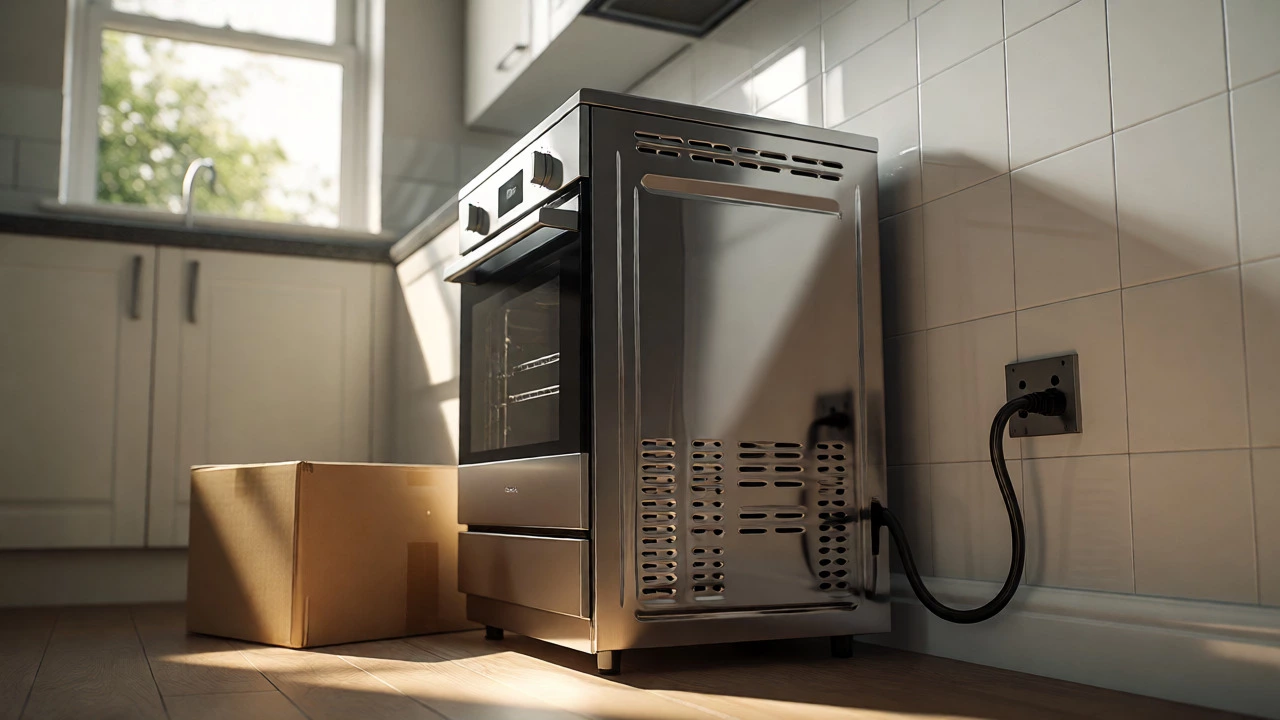
You just bought a shiny new electric oven, and the delivery guy left it on your kitchen floor. It looks heavy, complicated, and slightly intimidating. The natural question that hits you next is: "Can I swap this myself, or do I need to call in a pro?" In the UK, this isn't just about whether you’re handy enough to plug something in. It’s about safety, insurance validity, and strict building regulations known as Part P.
The short answer? If you are simply swapping an old built-in oven for a new one using the existing connection point (a fused spur), you can often do it yourself. But if you need to move the socket, change the cable size, or install a new circuit, you absolutely need a qualified electrician. Getting this wrong doesn’t just risk a shock; it could invalidate your home insurance if a fire starts.
Understanding Your Connection Type
Before you pick up a screwdriver, look at what’s currently behind your old oven. Most modern built-in ovens in the UK don’t use a standard three-pin plug. They draw too much power-often between 3kW and 5kW-which would melt a standard plug fuse. Instead, they connect via a fused spur or a direct hardwired connection.
A fused spur is a small box on the wall with a switch and a fuse holder. This is the most common setup. If your new oven comes with a plug and you have a standard 13A socket nearby, you might be lucky. However, high-power ovens usually require a dedicated 32A radial circuit or a specific fused spur rated correctly for the appliance's amperage. If your old oven was hardwired directly into the wall terminal block without a visible switch nearby, that’s a red flag for DIY beginners. You’re dealing with live terminals that stay hot even when the oven is off, unless the main consumer unit is switched.
When You Can Do It Yourself
You can likely handle the swap yourself if all these conditions are met:
- Like-for-Like Replacement: The new oven has the same power rating and connection type as the old one.
- Existing Fused Spur: There is already a compliant fused spur within reach of the new oven’s cable.
- No New Wiring: You aren’t drilling through walls or extending cables to a new location.
- Correct Cable Size: The existing cable is 6mm² twin and earth, which is standard for 32A circuits, or appropriately sized for the fused spur.
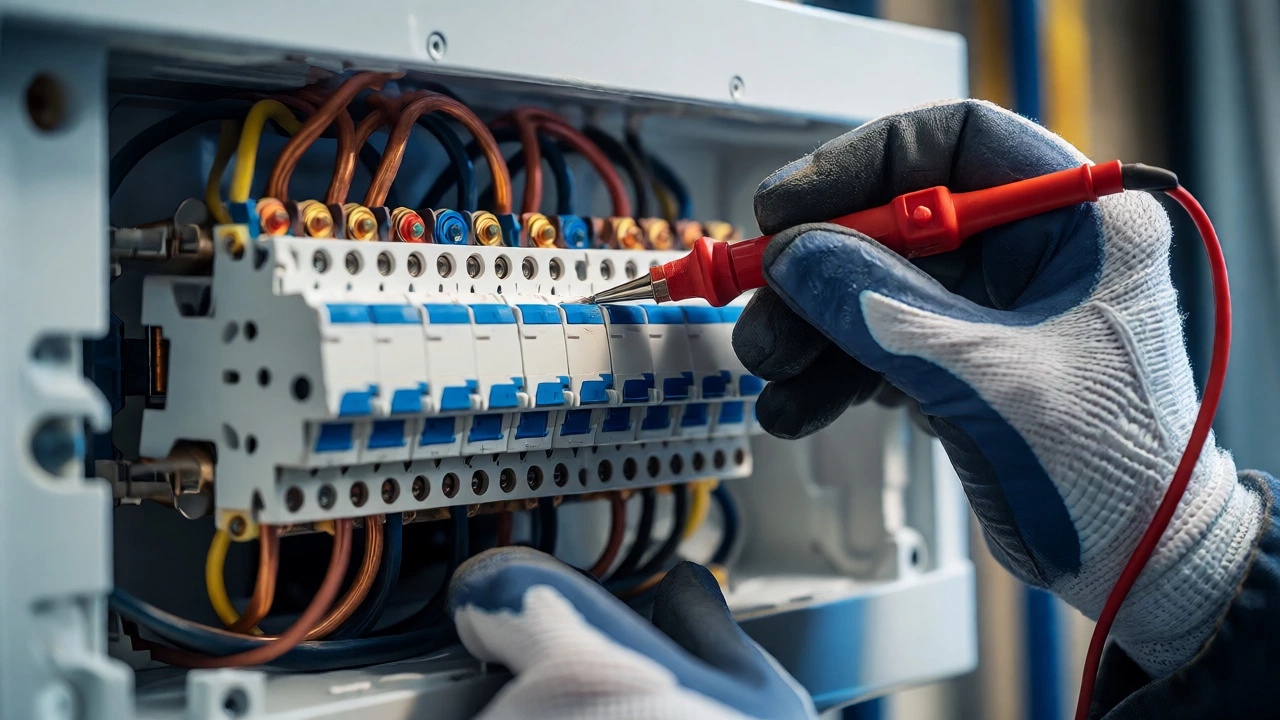
If you tick every box, the job is mechanical rather than electrical. You disconnect the old unit, remove the trim, slide out the new one, and reconnect the wires to the new terminal block. It takes about 45 minutes if you’re careful. Always turn off the circuit at the consumer unit first. Don’t rely on the isolated switch alone; verify with a multimeter that no current is flowing.
Why You Might Need a Professional
Here is where things get tricky. Under Part P of the Building Regulations, certain electrical work in kitchens is notifiable. While replacing a like-for-like appliance isn’t always notifiable, altering the circuitry is. If your new oven requires a different amperage, or if the old fused spur is damaged or outdated, you need a pro.
Consider hiring a registered electrician if:
- Moving the Appliance: You want the oven in a different spot, requiring new cabling.
- Upgrading Power: Your new induction hob or steam oven draws more power than the old setup can handle.
- Older Properties: Homes built before 2004 might have older wiring standards that don’t meet current safety codes for high-load appliances.
- Lack of Certification: You want a Minor Works Certificate or Electrical Installation Certificate for peace of mind and future house sales.
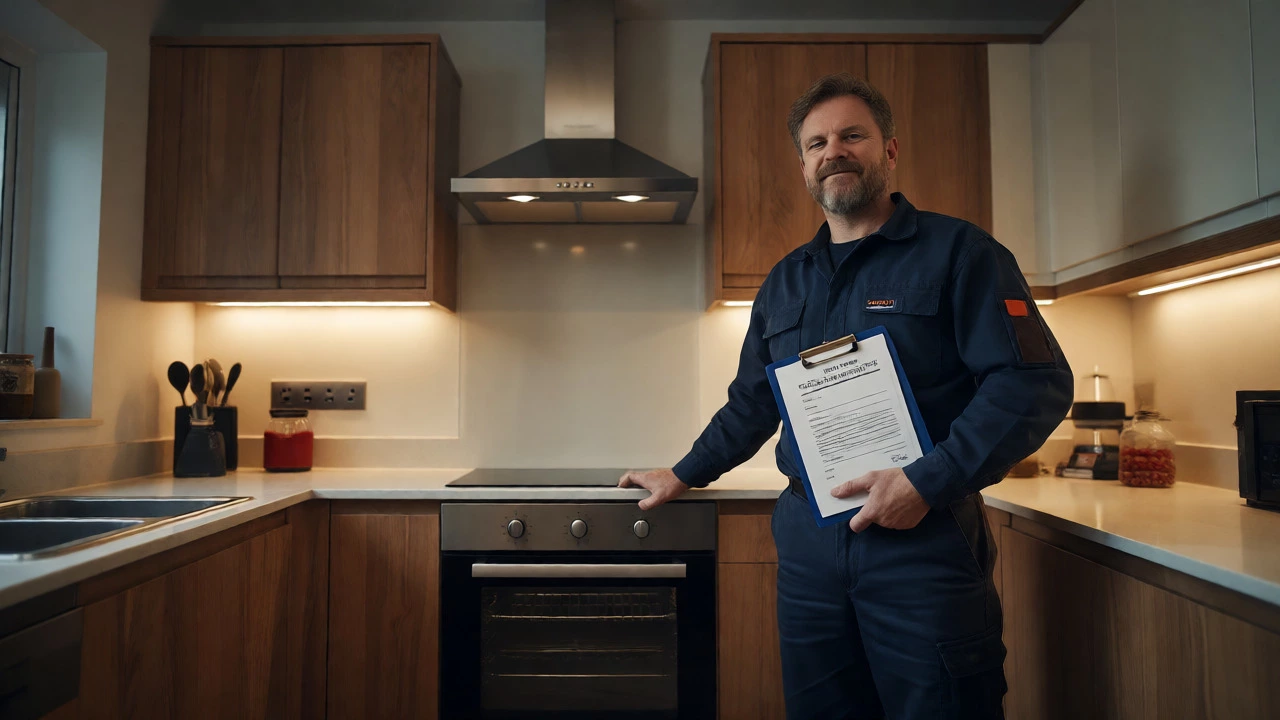
Electricians registered with bodies like NICEIC or NAPIT can self-certify their work. This means they notify the local council on your behalf, saving you the hassle of dealing with building control departments directly.
The Cost-Benefit Analysis
Let’s talk money. Hiring a local electrician in Bristol (or anywhere in the UK) typically costs between £80 and £150 for a simple swap or minor adjustment. This includes their labor, travel time, and the issuance of any necessary certificates. Doing it yourself costs nothing but time and perhaps £10 for replacement screws or cable ties.
| Scenario | Estimated DIY Cost | Estimated Pro Cost | Risk Level |
|---|---|---|---|
| Like-for-like swap with existing spur | £0 - £15 (tools/consumables) | £80 - £120 | Low |
| Replacing damaged fused spur | £10 (parts) + Time | £100 - £150 | Medium |
| Running new 32A circuit | £50 (materials) + High Effort | £250 - £400 | High |
Is £100 worth the insurance? For many homeowners, yes. If you make a mistake with the live wire, you could arc flash, damage the new oven’s electronics (which cost £500+), or worse. A professional also ensures the earthing is solid, which is critical for metal-bodied appliances in a wet environment like a kitchen.
Safety Checks Before You Start
If you decide to go the DIY route, treat electricity with respect. Never assume the power is off because the oven isn’t heating up. Use a two-pole voltage tester or a non-contact voltage detector to confirm the absence of current at the terminal block. Wear insulated gloves if you’re nervous. Keep your hands dry. And never force connectors-if the new oven’s cable doesn’t fit easily into the old spur, don’t jam it in. That’s a sign of incompatibility.
Also, check the manufacturer’s instructions. Some brands void the warranty if the installation isn’t performed by a certified installer. Read the fine print in your manual before unplugging the old unit. It’s frustrating to find out your new £800 oven has a five-year warranty, but only if installed by a pro.
Frequently Asked Questions
Can I replace an electric oven myself?
Yes, if you are replacing a like-for-like appliance using an existing, compliant fused spur or socket. You must ensure the power is isolated at the consumer unit and that the cable sizing matches the new appliance's requirements. If you need to run new cables or modify the circuit, you should hire a professional.
Do I need a certificate for replacing an oven?
For a simple like-for-like replacement, a formal certificate is not legally required under Part P, but it is highly recommended for insurance and resale purposes. If you alter the circuit or add new wiring, a Minor Works Certificate or Electrical Installation Certificate from a registered electrician is essential.
What happens if I don't use an electrician?
If you perform unsafe DIY electrical work, you risk fire hazards, electric shocks, and damaging the appliance. More critically, if a fire occurs due to poor installation, your home insurance provider may refuse to pay out. Proper documentation proves the work was done safely.
How much does it cost to have an oven wired?
In the UK, a simple swap or connection to an existing spur typically costs between £80 and £150. Running a completely new 32A circuit from the consumer unit can cost between £250 and £400, depending on the distance and complexity of routing the cable through walls and floors.
Can I plug an electric oven into a normal socket?
Only if the oven is low-powered (usually under 3kW) and comes with a standard 13A plug. Most full-sized built-in ovens draw too much current for a standard socket and require a dedicated fused spur or hardwired connection to prevent overheating and tripping breakers.