- 13 Aug 2026
- Gideon Thornton
- 0
Extractor Fan Replacement Advisor
Answer the following questions about your current extractor fan to get a personalized recommendation.
That high-pitched whine coming from your ceiling or above the stove isn’t just annoying-it’s a warning. Most homeowners treat extractor fans as silent workhorses that run indefinitely without needing attention. But they don’t last forever. A motor burning out in the middle of a curry night or a damp bathroom mirror after a shower is more than an inconvenience; it’s a sign that your ventilation system has failed.
You might be wondering if you can just clean the filter and call it a day. Sometimes, yes. But often, the internal components have degraded beyond simple cleaning. Knowing when to repair and when to replace saves you money and prevents long-term damage to your home’s structure. Let’s break down exactly how long these units last and what signals tell you it’s time for a swap.
The Average Lifespan of an Extractor Fan
If you’re looking for a single number, here it is: most quality extractor fans last between 10 and 15 years. This range applies to both kitchen hoods and bathroom exhaust fans, assuming they are installed correctly and maintained reasonably well. However, "average" doesn’t account for usage intensity.
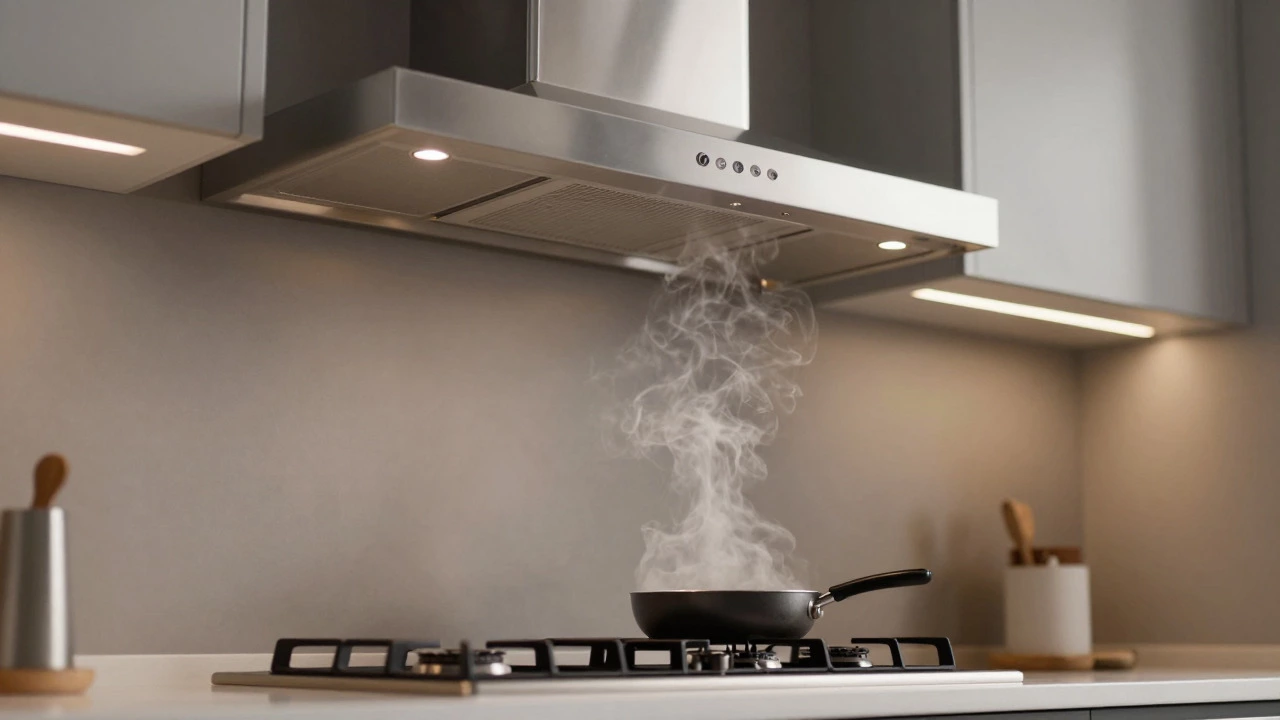
A fan in a guest bathroom used twice a week will likely outlast one in a master suite used by two people daily. Similarly, a kitchen hood in a home where stir-frying happens nightly faces much higher grease and heat loads than one used only for boiling pasta. The bearings inside the motor wear down over time due to friction and dust accumulation. Once those bearings fail, the motor seizes. At that point, no amount of cleaning brings it back to life.
Cheaper models found in budget hardware stores may start showing signs of failure after just five or six years. Higher-end brands with stainless steel impellers and sealed ball bearings often push past the 15-year mark. If your current unit is older than 12 years, keep a closer eye on its performance. It’s not broken yet, but it’s entering the danger zone.
Signs Your Extractor Fan Needs Replacement
Waiting for total failure is risky. A dead fan means moisture gets trapped in walls (leading to mold) or grease builds up in ductwork (creating a fire hazard). Here are the specific red flags that indicate replacement is necessary:
- Persistent Noise: A slight hum is normal. Rattling, grinding, or screeching indicates worn bearings or a loose impeller. If tightening screws doesn’t fix it, the motor housing is likely damaged.
- Reduced Airflow: Hold a tissue paper near the intake grille while the fan is on. If it doesn’t stick firmly, the motor is losing torque or the ductwork is blocked. Clean the filters first; if airflow remains weak, the motor is dying.
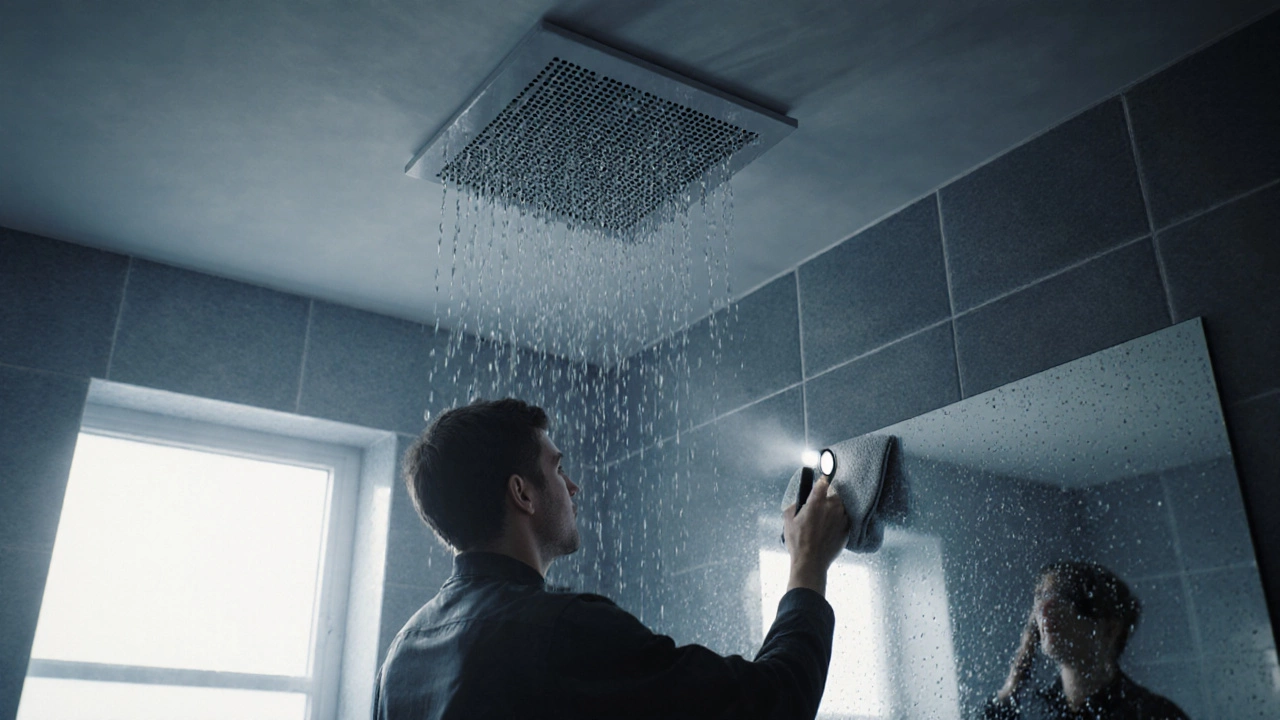
- Visible Moisture or Mold: In bathrooms, check for condensation on windows or walls shortly after showering. If the fan runs but doesn’t clear the steam, it’s no longer effective. In kitchens, look for blackened grease spots around the edges, which suggest poor suction.
- Frequent Tripping of Circuit Breakers:: If turning on the fan causes the lights to flicker or the breaker to trip, there’s an electrical short or overload. This is a safety risk and requires immediate professional inspection.
- Age Over 15 Years: Even if it seems to work, older units lack modern energy efficiency standards. Replacing it now can lower your electricity bill and improve air quality.
Repair vs. Replace: Making the Right Choice
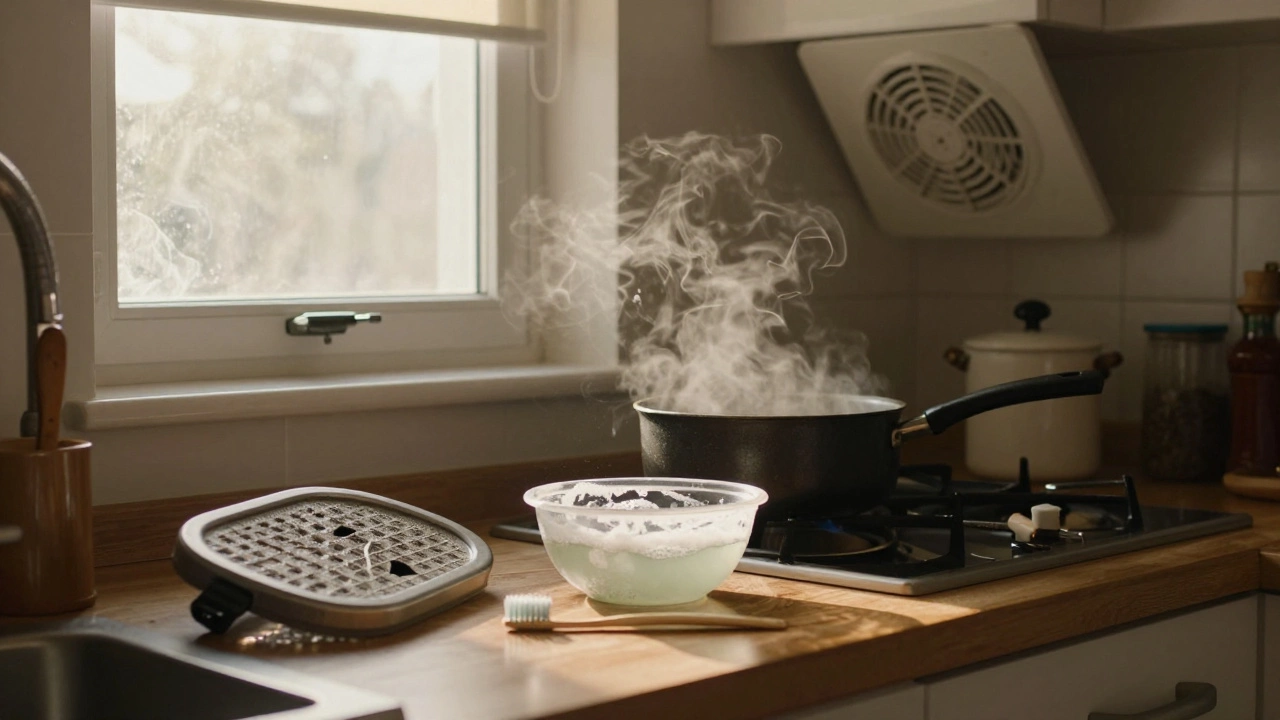
Before buying a new unit, ask yourself if a repair makes sense. Minor issues like clogged filters, dirty blades, or loose mounting brackets are easy fixes. You can clean aluminum mesh filters with hot soapy water and degreaser. Plastic foam filters should be replaced every three months regardless of condition.
However, if the problem lies within the motor assembly, repair costs often exceed £80-£120 including labor. Since a decent replacement fan costs between £50 and £150 depending on features, replacing the entire unit is usually more cost-effective. Plus, you get a fresh warranty. Motor repairs also rarely restore original performance levels-you’ll still deal with reduced airflow and noise.
Consider this rule of thumb: If the fan is less than 7 years old and the issue is minor (like a faulty switch), repair it. If it’s over 10 years old or the motor is making noise, replace it. Don’t throw good money after bad.
Factors That Shorten Fan Lifespan
Why do some fans die young? Several environmental and usage factors accelerate wear:
- Grease Buildup: In kitchens, grease coats the impeller blades, making them unbalanced. This imbalance stresses the motor bearings. Regular cleaning extends life significantly.
- Moisture Corrosion: Bathroom fans exposed to high humidity without proper sealing corrode internally. Ensure your bathroom fan is rated for wet areas.
- Ductwork Blockages: If your external vent flap is stuck shut or bird nests block the pipe, the fan works harder against resistance. This overheats the motor.
- Poor Installation: Vibration from improper mounting shakes components loose over time. Use vibration-dampening mounts if possible.
Choosing the Right Replacement Unit
When shopping for a new fan, match the specifications to your space. For kitchens, prioritize CFM (Cubic Feet per Minute) ratings based on your cooker’s BTU output. A general guideline is 100 CFM per 10,000 BTUs. For bathrooms, building codes typically require at least 50 CFM for standard-sized rooms.
Look for features like timer switches (which keep the fan running after you leave the room) and humidity sensors (which auto-start the fan when moisture rises). These add convenience and ensure complete ventilation. Also, check noise levels measured in sones. Lower sone ratings mean quieter operation-aim for under 1.5 sones for bedrooms and bathrooms.
| Feature | Kitchen Hood | Bathroom Exhaust Fan |
|---|---|---|
| Primary Function | Remove grease, smoke, odors | Remove moisture, prevent mold |
| Recommended CFM | 100-400+ (based on cooktop power) | 50-110 (based on room size) |
| Filter Type | Aluminum mesh (washable) or charcoal | Usually none or simple plastic screen |
| Noise Level Target | Under 3 sones acceptable | Under 1.5 sones preferred |
| Lifespan Expectancy | 10-15 years with regular cleaning | 10-15 years with minimal maintenance |
Maintenance Tips to Extend Life
Preventive care is cheaper than replacement. Here’s a simple routine:
- Clean Filters Monthly: Wash kitchen filters in dishwater or soak in vinegar solution. Rinse thoroughly and dry before reinstalling.
- Check Ductwork Annually: Ensure the external vent opens freely. Clear any debris from the outside flap.
- Test Airflow Quarterly: Use the tissue test mentioned earlier. If suction drops, inspect for blockages.
- Lubricate Bearings (if applicable): Some older models allow drop-in lubrication. Check your manual. Modern sealed motors don’t need this.
DIY Installation vs Professional Help
Replacing an extractor fan is moderately difficult. If you’re comfortable with basic electrical work and drilling into ceilings or walls, DIY is feasible. Turn off the power at the consumer unit first! Connect wires according to color codes (live, neutral, earth) and secure the housing firmly.
Hire a professional if:
- Your existing ductwork needs rerouting.
- You’re installing a new vent through an exterior wall (requires weatherproofing).
- The electrical wiring looks outdated or damaged.
- You live in a flat/apartment where shared ducts are involved.
Professional installation ensures compliance with UK building regulations regarding ventilation rates, especially important in newer homes built since 2010.
Can I replace just the motor in my extractor fan?
Technically yes, but it’s rarely worth it. Motors are model-specific and hard to source. Labor costs plus parts often equal or exceed the price of a new fan. Unless it’s a high-end commercial unit, buy a replacement whole unit instead.
How do I know if my bathroom fan is working properly?
Run the fan during a hot shower. After 10 minutes, turn it off. If fog clears quickly from mirrors and windows, it’s working. If moisture lingers, check for clogged vents or a failing motor. Also listen for unusual noises indicating bearing wear.
Is it safe to use a kitchen extractor fan without an external vent?
Recirculating (ductless) fans use charcoal filters to trap odors but don’t remove heat or moisture effectively. They’re less efficient and require frequent filter changes. For health and safety reasons, externally vented systems are strongly recommended to prevent grease buildup and fire risks.
What causes an extractor fan to smell?
Burnt smells usually come from overheating motors or accumulated grease catching fire. Musty odors indicate mold growth in damp ductwork or behind the fan housing. Clean or replace filters immediately and inspect the interior for debris.
Do extractor fans need to be serviced annually?
Not necessarily. Homeowners can handle basic cleaning themselves. Annual professional servicing is only needed for commercial kitchens or large residential hoods with complex duct networks. Regular monthly filter cleaning suffices for most households.