- 19 Mar 2026
- Gideon Thornton
- 0
Who to Call for an Extractor Fan Repair? Experts, Costs, and What to Expect
When your extractor fan stops working, know exactly who to call for repair. Learn costs, what to expect, and how to avoid scams in 2026 UK.

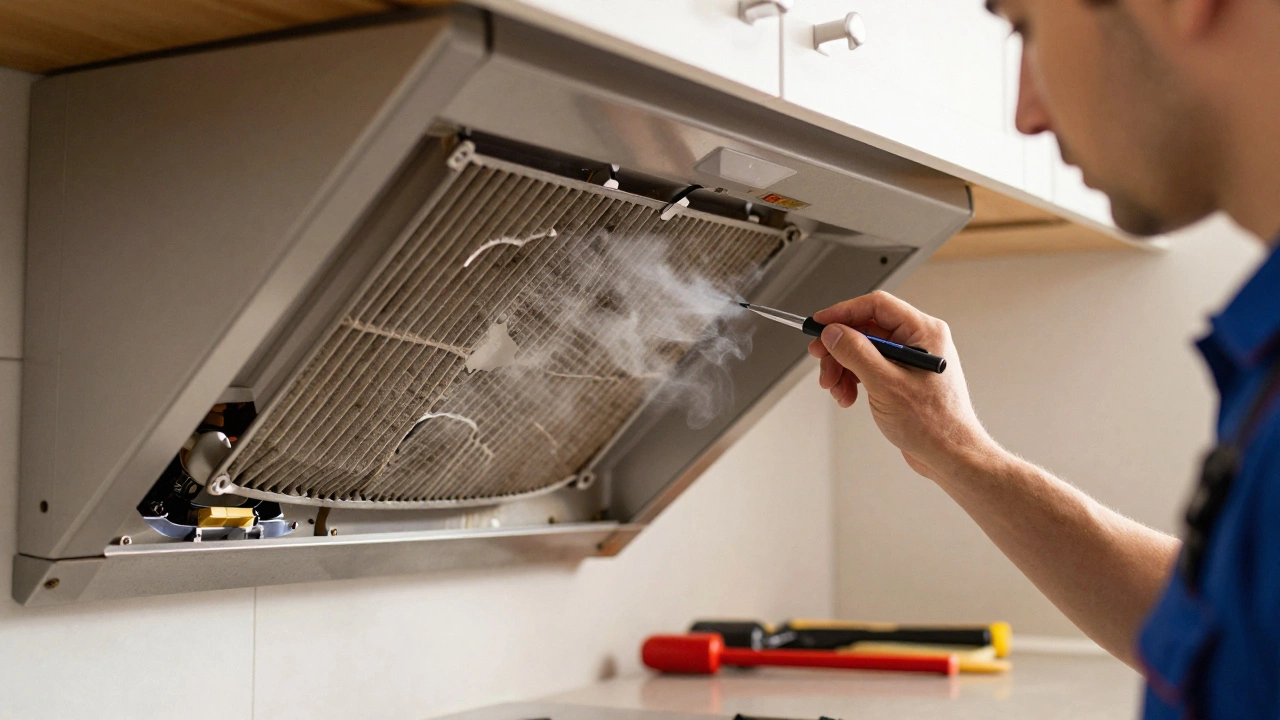
When your extractor fan, a ventilation device designed to remove steam, smoke, and cooking odors from kitchens and bathrooms. Also known as range hood, it stops working, it’s not just about smell—it’s about mold, moisture, and long-term damage to your walls and ceiling. Most extractor fans aren’t broken beyond repair. Often, it’s just a worn capacitor, a clogged duct, or a motor choked with grease that’s causing the problem. You don’t always need a full replacement. A proper extractor fan service, professional maintenance and repair work focused on restoring ventilation performance can bring it back to life for under £60.
Many people assume extractor fans are simple, so they ignore them until the noise gets unbearable or the air feels thick. But these fans are part of your home’s health system. Without them, humidity builds up, leading to black mold on tiles, peeling paint, and even respiratory issues. The kitchen extractor fan, the most common type found above stoves, designed to pull air through ducts to the outside doesn’t need fancy tech to work—it just needs cleaning and occasional part swaps. The extractor fan motor, the core component that spins the fan blade and moves air is the most frequent failure point, but it’s also one of the easiest to replace. You don’t need an electrician for every issue—many fixes can be done with a screwdriver and a bit of patience.
Still, knowing when to call a pro matters. If the wiring is frayed, the duct is collapsed, or the fan is over 10 years old and struggling, replacement might be smarter than repair. A good extractor fan replacement, the process of removing a faulty unit and installing a new, more efficient model can cut energy use and noise in half. The key is diagnosing the root cause—not just slapping on a new cover. That’s why the posts below cover everything from grease buildup and wiring faults to how to tell if your fan is even the real problem. You’ll find real fixes, not guesses. No fluff. Just what works in real homes in Nuneaton and beyond.
Below, you’ll find step-by-step guides on fixing common extractor fan issues, what parts actually wear out, who to call for help, and whether it’s cheaper to repair or replace. Whether you’re dealing with a silent fan, a loud one, or one that just won’t turn on, there’s a solution here—no guesswork needed.
When your extractor fan stops working, know exactly who to call for repair. Learn costs, what to expect, and how to avoid scams in 2026 UK.
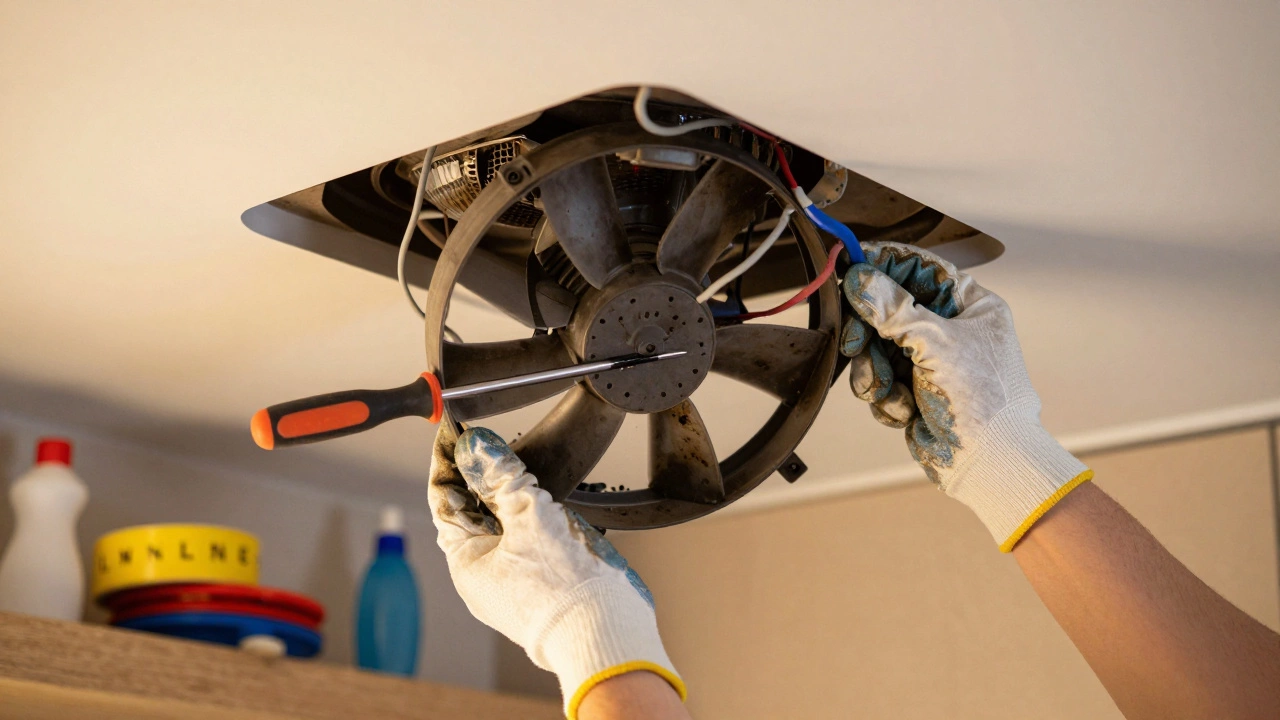
Servicing an extractor fan is simple and saves money. Clean the blades, check the duct, and replace filters regularly to keep it running quietly and efficiently. Most failures are due to grease buildup-not broken parts.

Extractor fan repair times vary from 15 minutes for a dirty filter to 4 hours for a full replacement. Learn what causes delays, when to DIY, and how to avoid costly mistakes.