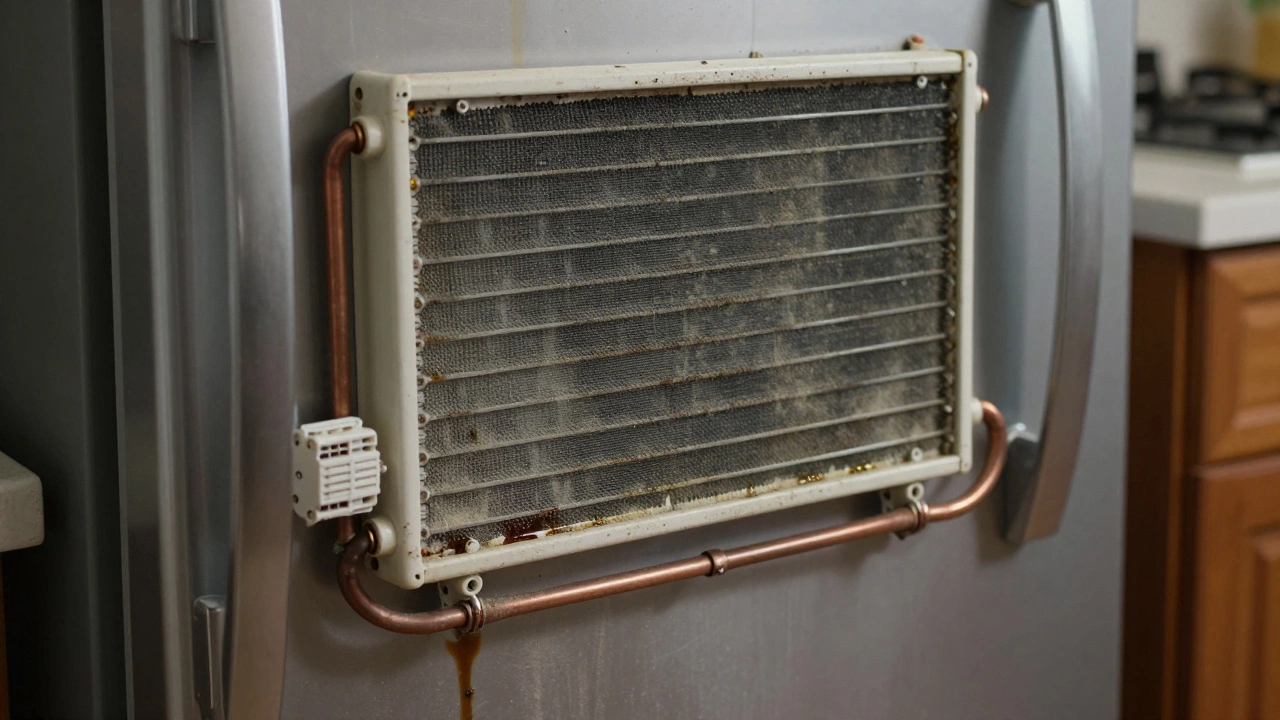
If your fridge isn't cooling, the compressor might be dead. Learn how to check for humming, warm coils, temperature issues, and oil leaks to confirm compressor failure-and whether to repair or replace.

When your fridge stops cooling, the culprit is often the fridge compressor, the heart of the refrigeration system that circulates coolant to keep temperatures low. Also known as refrigerator compressor, it’s the part that runs constantly behind or underneath your fridge—and when it fails, your food starts to spoil fast. Unlike a broken light or noisy fan, a failing compressor doesn’t just annoy you—it puts your groceries at risk.
A refrigerator compressor, a motor-driven pump that moves refrigerant through the cooling system doesn’t just wear out randomly. It fails because of overheating, dirty coils, low coolant, or constant strain from poor ventilation. Many people think a fridge that’s not cold means the thermostat is broken, but if the compressor isn’t running—or it’s running but not cooling—then the real issue is deeper. You might hear it clicking but not humming, or it might run nonstop without lowering the temperature. That’s not normal. That’s a compressor warning sign.
What makes it worse? Older fridges, especially those over 10 years old, are more likely to have compressor problems. And if you’ve been ignoring dusty coils or blocking the vents behind the fridge, you’ve been making the compressor work harder than it should. A fridge repair, a service that fixes mechanical or electrical faults in household refrigerators can sometimes save it—especially if the issue is a faulty start relay or capacitor. But if the compressor itself is dead, replacement costs can hit £300–£600, and that’s often more than half the price of a new fridge. That’s why knowing the signs early matters.
Don’t assume every cooling problem needs a new fridge. Sometimes it’s just a clogged condenser coil, a bad fan, or a thermostat that’s misreading the temperature. But if your fridge is warm, the compressor is hot to the touch, and it’s making loud buzzing or grinding noises, you’re looking at compressor failure. And that’s not a DIY fix. Trying to recharge coolant or open the sealed system without proper tools and certification can make things worse—or worse, dangerous.
Below, you’ll find real-world guides from local technicians who’ve fixed hundreds of these issues in Nuneaton homes. You’ll see how to tell if your compressor is truly dead, what repair options actually make financial sense, and when it’s smarter to walk away. Whether you’re trying to save a 12-year-old fridge or just want to understand why your food is warming up, these posts give you the facts—not the fluff.
If your fridge isn't cooling, the compressor might be dead. Learn how to check for humming, warm coils, temperature issues, and oil leaks to confirm compressor failure-and whether to repair or replace.
Your fridge suddenly stopped cooling? It could be a simple power issue, dirty coils, or a failing compressor. Learn the top 5 causes and what to do before calling a repair technician.
Fridges usually fail because of worn door seals, dirty coils, or clogged drains. Learn the top 5 common problems and how to spot them before your food spoils or your bill spikes.