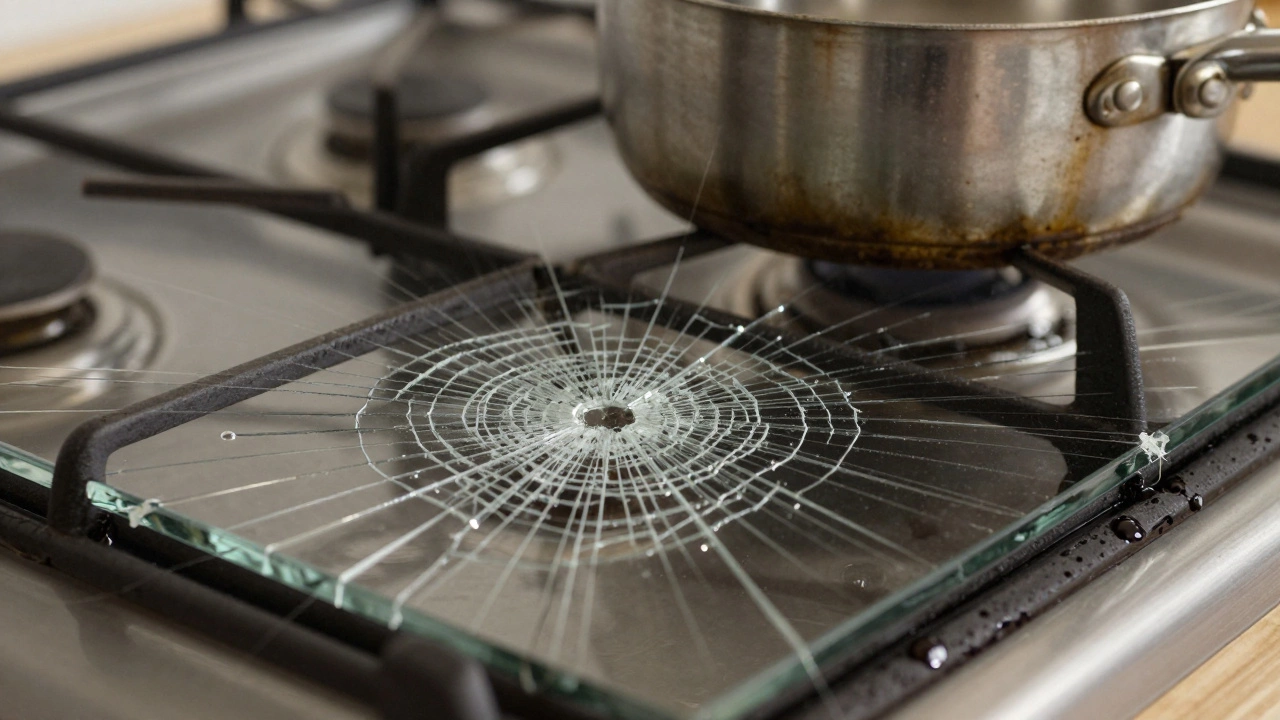
Cracked glass hobs can't be safely repaired-here's why DIY fixes fail, when replacement is necessary, and how to handle it safely. Learn the real risks and what to do next.

When your glass cooktop, a smooth, flat cooking surface made of tempered glass or ceramic glass used in modern electric stoves. Also known as ceramic hob, it's designed to be easy to clean and sleek—but it’s not indestructible. A crack, chip, or spiderweb of damage isn’t just ugly—it’s dangerous. Even a small crack can let moisture in, cause electrical shorts, or turn into a bigger break under heat. If you’ve seen a crack after dropping a pot or noticed your cooktop heating unevenly, you’re not alone. Many homeowners assume it’s just wear and tear, but most glass cooktop damage comes from specific, avoidable mistakes.
Ceramic hob, a type of electric cooktop with a smooth glass surface that heats through embedded coils. These surfaces look tough, but they’re brittle. The most common cause? Thermal shock. That’s when you put a cold pan on a hot zone, or splash cold water on a heated surface. It’s not the weight of the pot—it’s the sudden temperature change. Other big culprits: dragging heavy pots, using cast iron with rough bottoms, or letting metal utensils slide across the surface. Even a dropped spoon can create micro-cracks that grow over time. And if you’ve ever cleaned it with abrasive pads or harsh chemicals? You’ve likely weakened the surface without even knowing it.
Some people think a cracked cooktop means a full stove replacement. But that’s not always true. If the damage is small and isolated, a professional repair can seal it safely. If the heating elements underneath are still working, you might save hundreds by fixing just the glass. On the other hand, if the crack runs deep or you’ve got multiple hotspots, it’s time to consider a full replacement. The key is knowing the difference. And that’s what these posts help you figure out.
Below, you’ll find real-world fixes for common cooktop problems—from how to tell if your damage is cosmetic or structural, to why some repairs cost less than a new pot. You’ll learn what tools actually work for minor chips, when to call a technician, and how to avoid making the same mistake twice. No fluff. Just clear, practical advice from people who’ve been there.
Cracked glass hobs can't be safely repaired-here's why DIY fixes fail, when replacement is necessary, and how to handle it safely. Learn the real risks and what to do next.