
- 25 May 2026
- Gideon Thornton
- 0
Boiler Service Responsibility Checker
Your Situation
Select your options and click "Check Who Pays" to see your liability.
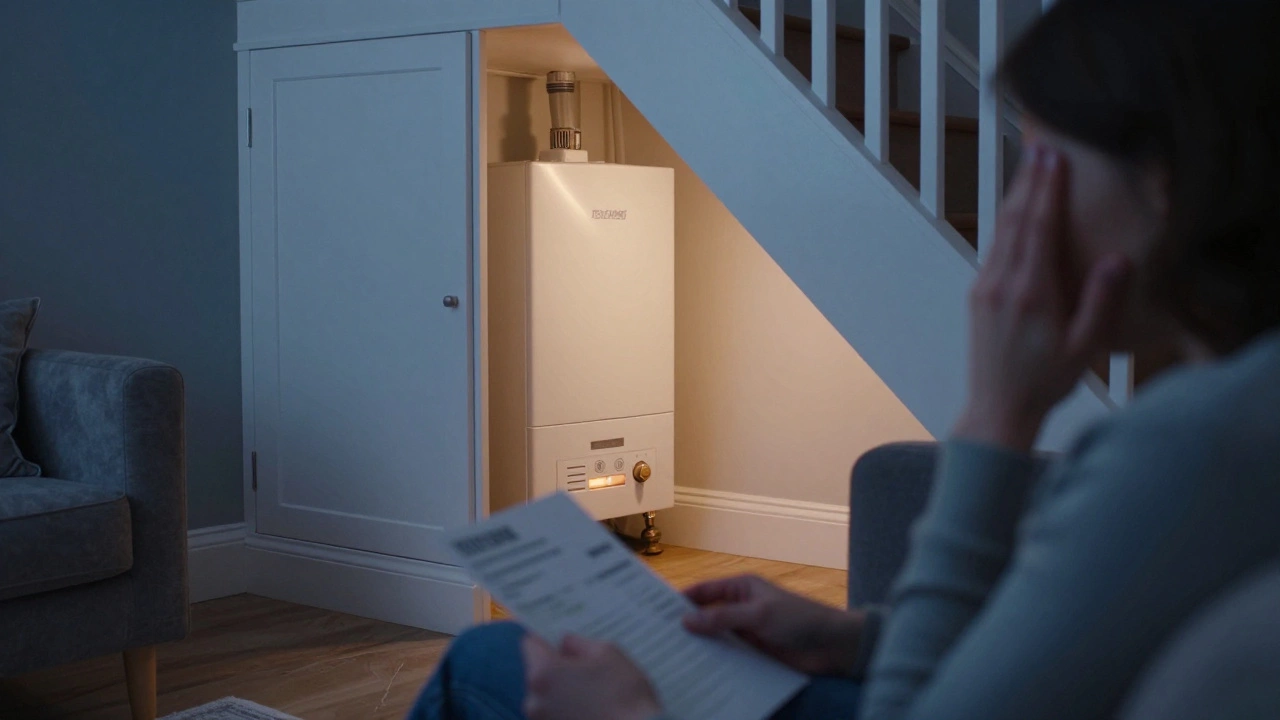
It’s the middle of winter. The heating kicks in, but there’s a strange clunking noise coming from the cupboard under the stairs. You call a technician, who confirms what you suspected: your boiler is a central heating system that provides hot water and warmth to a home needs an immediate safety check and servicing. The quote lands on your desk: £85. Now comes the real question-whose wallet does this come out of?
The answer isn't as simple as "the homeowner pays." It depends entirely on where you live, who owns the property, and what kind of contract you signed when you moved in. Getting this wrong can lead to broken leases, voided insurance policies, or unexpected bills that drain your savings.
Landlords vs. Tenants: Who Holds the Bag?
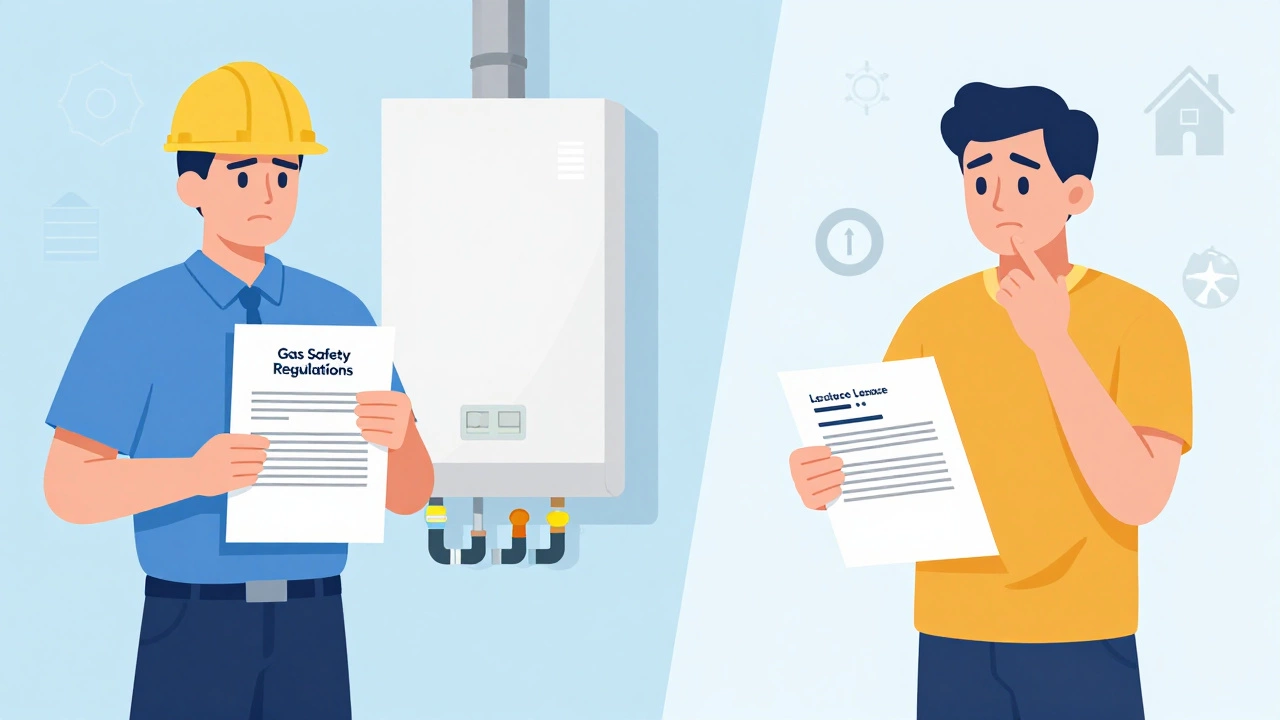
If you are renting a property, the rules are strictly defined by law in many jurisdictions, particularly in the UK and parts of Europe. For most residential tenancies, the responsibility falls squarely on the landlord is the owner of a rental property responsible for maintaining structural integrity and major appliances.
In the United Kingdom, the Gas Safety (Installation and Use) Regulations 1998 mandate that landlords must ensure all gas appliances, flues, and chimneys are maintained in a safe condition. This means they must arrange an annual gas safety check is an annual inspection by a certified engineer to ensure gas appliances are safe to use performed by a Gas Safe registered engineer. The cost of this statutory check is non-negotiable; it is the landlord's legal obligation.
However, a distinction exists between a "safety check" and a full "service." A safety check verifies that carbon monoxide leaks aren't occurring and that the appliance is venting correctly. A full service involves cleaning the heat exchanger, checking pressure valves, and ensuring efficiency. While the law requires the safety check, standard tenancy agreements often leave the full servicing ambiguous unless explicitly stated otherwise.
- Statutory Requirement: The landlord pays for the annual Gas Safety Certificate (CP12).
- Full Servicing: If the lease specifies that the tenant maintains the boiler's efficiency, the tenant may pay for the deeper clean, though this is rare in unfurnished rentals.
- Breakdowns: If the boiler breaks due to lack of maintenance, the landlord pays. If it breaks because the tenant turned off the power to freeze pipes, the tenant might be liable.
Tenants should never feel pressured to pay for a mandatory safety inspection. If a landlord asks you to cover the cost of their legal compliance, push back politely but firmly, citing the relevant housing regulations.
Homeowners: The Sole Responsibility
If you own your home, the situation is straightforward but financially significant. You are solely responsible for every aspect of your heating system. There is no one else to blame if the pump fails or the pressure drops.
Most homeowners opt for an annual service plan, costing between £70 and £120 per year depending on the region and the complexity of the unit. This proactive approach prevents catastrophic failures during peak winter months. Without regular maintenance, a boiler's efficiency can drop by up to 10%, leading to higher energy bills that often exceed the cost of the service itself.
Consider the lifespan of a typical combi boiler. With proper servicing, it lasts 10-15 years. Without it, you might see premature failure at the 7-year mark, forcing you into a £2,000+ replacement bill instead of a modest annual maintenance fee.
Can Home Insurance Cover Boiler Service Costs?
This is where many people get tripped up. Most standard home insurance policies do not cover routine maintenance. Insurance is designed for sudden, unforeseen events-like a burst pipe or a fire-not for wear and tear.
However, some insurers offer optional add-ons or "home care" plans that include annual boiler servicing. These plans typically cost an additional £10-£20 per month. If you already have such a plan, check your policy documents. You might find that the service is included, saving you the hassle of finding a separate engineer.
| Coverage Type | Covers Annual Service? | Covers Breakdowns? | Typical Cost |
|---|---|---|---|
| Standard Home Insurance | No | Yes (accidental damage only) | £15-£30/month |
| Home Care Plan (Add-on) | Yes | Yes | +£10-£20/month |
| Manufacturer Warranty | No (but required to keep valid) | Yes (parts/labor) | Free with purchase |
| Standalone Service Contract | Yes | No | £60-£100/year |
Note that even if you don't have insurance covering the service, you almost certainly need proof of annual servicing to keep your manufacturer's warranty valid. Skipping the service to save £80 could invalidate a warranty worth thousands.
New Builds and Developer Warranties
If you’ve recently moved into a new-build home, the dynamics change again. Many developers provide a 10-year structural warranty (such as NHBC in the UK) which often includes a 2-year comprehensive guarantee on fixtures and fittings, including the boiler.
During this initial period, the developer or their appointed contractor handles all servicing and repairs. After two years, you usually transition to a parts-and-labor warranty, but you still need to prove annual servicing to keep it active. In this phase, you pay for the service, but the developer covers the repair costs if something goes wrong.
Shared Ownership and Leasehold Properties
Living in a flat or apartment introduces another layer of complexity. If you live in a leasehold property, the building management company or freeholder may be responsible for communal heating systems. However, if you have an individual boiler in your unit, you are likely responsible for its maintenance.
Check your lease agreement carefully. Some service charges for blocks of flats include boiler servicing for individual units, while others treat each unit as a separate entity. Misunderstanding this can lead to disputes with neighbors or management companies.
How to Avoid Unexpected Bills
Regardless of your living situation, transparency is key. Here’s how to protect yourself financially:
- Read the Lease: Before signing any rental agreement, look for clauses mentioning "maintenance," "utilities," or "appliances." Ask specifically who pays for boiler servicing.
- Document Everything: Keep copies of all service certificates. If you’re a tenant, send these to your landlord to show you’ve cared for the property. If you’re a homeowner, store them for warranty claims.
- Schedule Proactively: Don’t wait for a breakdown. Schedule your service in spring or early autumn when engineers are less busy and prices may be lower.
- Verify Credentials: Ensure any engineer performing work is certified (e.g., Gas Safe in the UK). Unqualified work can void warranties and insurance, shifting liability back to you unexpectedly.
Understanding who pays for boiler service isn’t just about splitting a bill-it’s about protecting your home, your health, and your financial stability. Whether you’re a landlord complying with the law, a tenant asserting your rights, or a homeowner planning ahead, clarity prevents conflict.
Does a landlord have to pay for boiler repairs?
Yes, in most residential tenancies, landlords are legally required to maintain gas appliances in a safe condition. This includes paying for necessary repairs to ensure the boiler functions safely and efficiently. Tenants should report issues immediately to avoid being held liable for neglect.
Is boiler servicing covered by home insurance?
Standard home insurance policies typically do not cover routine maintenance like annual servicing. However, some insurers offer optional home care plans that include these services. Check your specific policy details or consider adding a maintenance rider if you want coverage for regular upkeep.
What happens if I skip my annual boiler service?
Skipping annual servicing can void your manufacturer's warranty and potentially invalidate your home insurance claim if a breakdown occurs. It also reduces efficiency, increasing energy bills, and poses safety risks such as carbon monoxide leaks. Regular maintenance extends the boiler's lifespan and ensures safe operation.
Who pays for boiler service in a new build home?
In new builds, the developer often covers servicing for the first two years under a comprehensive guarantee. After this period, the homeowner is responsible for arranging and paying for annual services to maintain the remaining warranty coverage. Always check your warranty documentation for specific terms.
Can a tenant refuse to pay for boiler maintenance?
Tenants can generally refuse to pay for mandatory safety checks and major repairs, as these are the landlord's legal responsibilities. However, if the lease explicitly states that the tenant is responsible for minor maintenance or if the damage was caused by tenant negligence, they may be liable. Review the lease agreement carefully.