
- 5 Jul 2026
- Gideon Thornton
- 0
Washing Machine vs. Broken Boiler Checker
Find out immediately if you can do your laundry while your heating is down.
Recommended Action:
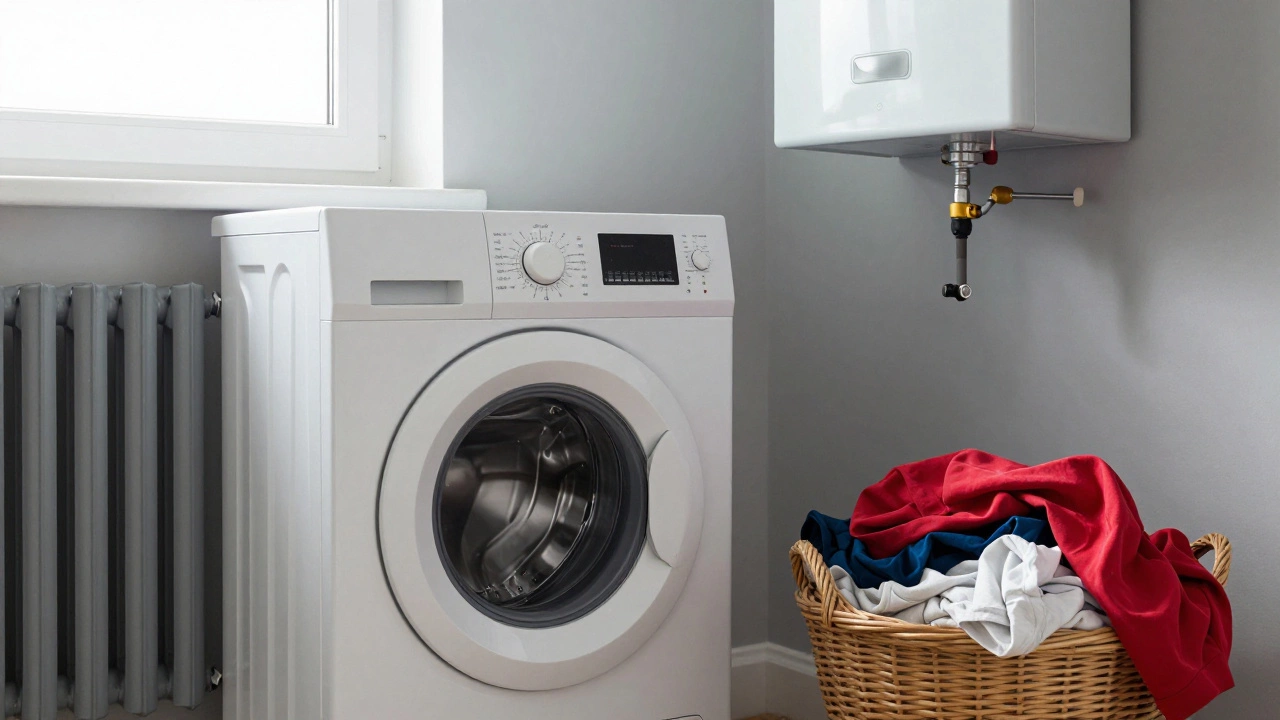
Imagine standing in your kitchen or utility room, staring at a pile of laundry that needs doing. You press the start button on your washing machine, expecting it to chug away for an hour. Instead, you realize the central heating system is dead. The radiators are stone cold. Panic sets in: *Is my washing machine useless now?*
The short answer is: **Yes, but only if you use the right settings.**
In most modern British homes, the relationship between your boiler and your laundry is more complex than people think. Many households assume their washing machine generates its own heat. It doesn't. Or rather, it depends entirely on how your home was plumbed decades ago. Understanding this connection can save you from ruined clothes, wasted electricity, and unnecessary calls to emergency repair services.
How Your Washing Machine Gets Hot Water
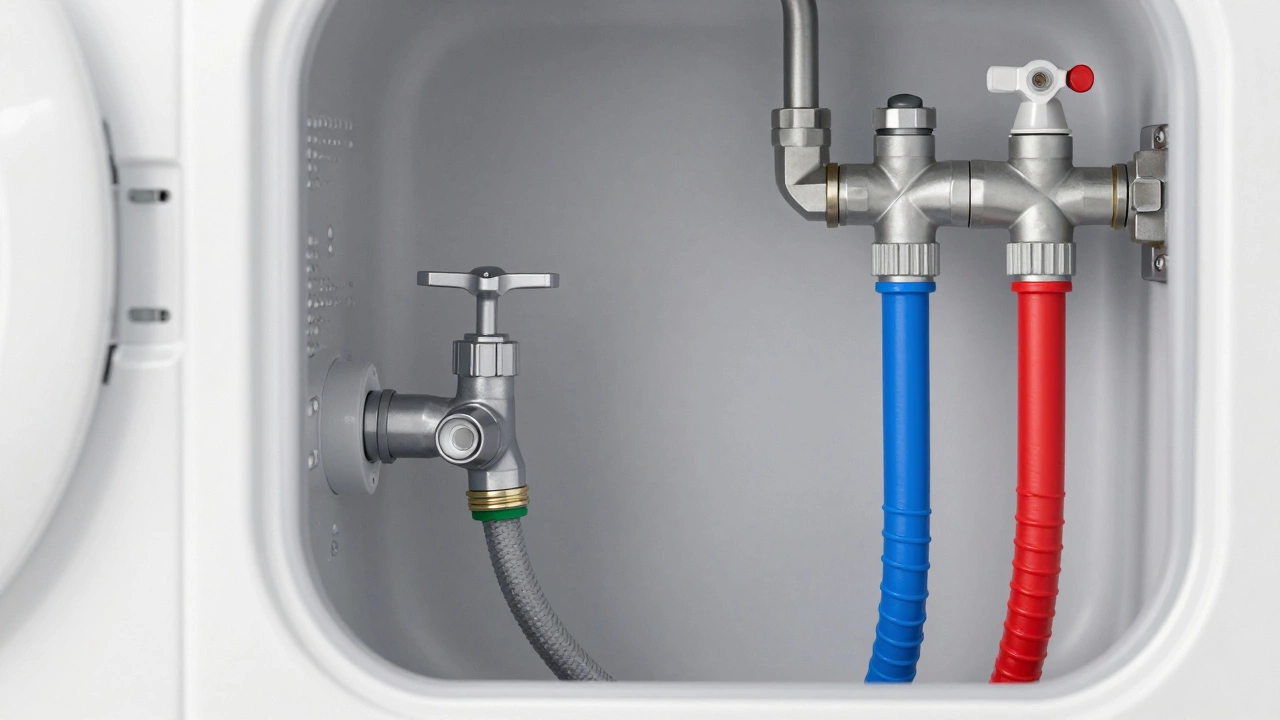
To understand why a broken boiler might stop your laundry, we need to look under the hood-or rather, behind the back panel-of your appliance. There are two main ways washing machines receive water supply in the UK:
- Electrically Heated Machines (Most Common): These machines have internal heating elements. They take cold water from your mains supply and heat it up inside the drum using electricity. This is the standard for almost all new washing machines sold in the last 15 years.
- Mains-Fed Hot/Cold Machines (Older Models): Older machines, particularly those installed before the early 2000s, often had two separate hoses: one for cold water and one for hot water. The hot hose connected directly to your boiler’s hot water tank or cylinder.
If you have a modern machine with a single inlet hose, your boiler’s status matters less for the washing process itself, but it still affects your ability to dry clothes or rinse effectively if the water pressure drops. However, if you have an older model with two hoses, a broken boiler means no hot water enters the machine at all.
Washing Machine Heating Element is a resistive component inside modern washing machines that heats incoming cold water to the selected temperature. It typically consumes between 1,500W and 3,000W of power, which is why hot washes significantly increase your electricity bill compared to cold cycles.Scenario 1: You Have a Modern Washing Machine
If your washing machine was bought in the last decade, it likely has an integrated heater. In this case, your washing machine will work perfectly fine even if your boiler is completely broken.
Here is why:
- Cold Water Intake: The machine draws cold water from the mains tap.
- Internal Heating: When you select a 40°C, 60°C, or 90°C cycle, the machine uses its internal electric element to heat that water.
- Independence: This process does not rely on your gas boiler, combi-boiler, or hot water cylinder.
So, if your boiler breaks down on a Tuesday morning, you can still run a hot wash on Wednesday. The only downside? Electricity is generally more expensive per unit of energy than gas in the UK. Running a 60°C wash with an electric heater will cost you more than if your boiler were working and providing pre-heated water (though, as noted above, most modern machines don’t use boiler water anyway).
Scenario 2: You Have an Older Washing Machine
If you’re still using a vintage machine with two taps-one marked 'C' for cold and one marked 'H' for hot-you are in trouble when the boiler dies.
These machines do not have powerful enough heaters to bring cold mains water up to temperature quickly. They rely on the boiler to send them already-hot water. If the boiler is broken:
- No Hot Wash: Selecting a hot cycle will result in the machine filling with lukewarm or cold water from the cold tap, while the hot tap delivers nothing (or air, if there's a leak).
- Poor Cleaning: Detergents, especially powder detergents, struggle to dissolve and activate in cold water. Your clothes may come out smelling musty or looking dull.
- Hygiene Risks: Bacteria like E. coli and Staphylococcus thrive in lower temperatures. Without the high-temperature kill step provided by a proper hot wash, towels and bed linens won’t be sanitized.
In this scenario, your options are limited. You can either switch to a dedicated "Cold Wash" detergent (which contains enzymes designed to work at low temperatures) or wait until the boiler is fixed. Do not try to bypass the issue by running the hot tap into a bucket and pouring it in manually; this risks overfilling the drum and triggering error codes.
The Hidden Impact: Pressure and Power Cuts
Even if your washing machine has its own heater, a broken boiler can indirectly affect your laundry routine in two subtle ways.
1. Water Pressure Drops
In many homes, especially those with gravity-fed systems (a cold water tank in the loft), the same pump or pressure system that feeds the boiler also influences the static head pressure for other outlets. If your boiler breakdown involves a loss of pressure in the entire system, your washing machine might fill very slowly. Some modern machines have safety sensors that will pause or abort the cycle if water doesn’t reach the required level within a set time (usually 10-15 minutes). If this happens, check your main water valve. If the house-wide pressure is low due to the boiler issue, you may need to wait for repairs.
2. Electrical Load During Blackouts
While rare, some boiler failures are linked to broader electrical issues in older properties. If your boiler tripped the main consumer unit (fuse box), your washing machine won’t get power either. Always check your circuit breakers. If the "Heating" or "Immersion" breaker is tripped, reset it. If it trips again immediately, leave it alone and call a professional. Meanwhile, your washing machine remains safe to use as long as the general lighting/power circuits are intact.
| Feature | Modern Machine (Electric Heat) | Older Machine (Mains Hot/Cold) |
|---|---|---|
| Hot Wash Capability | Works normally (uses electricity) | Fails (no hot water supply) |
| Cold Wash Capability | Works normally | Works normally |
| Energy Cost | Higher (electricity rates) | N/A (cannot perform hot wash) |
| Detergent Type | Standard powder/liquid | Must use "Cold Wash" specific detergent |
| Risk of Damage | Low | Medium (if forced to run hot cycle without water) |
What To Do While Waiting For Boiler Repairs
Let’s say you’ve called a technician in Bristol, and they’re booked up for three days. You have a mountain of laundry. Here is your survival guide.
1. Switch to Cold Wash Cycles
Almost all modern fabrics are designed to be washed in cold water. Cottons, synthetics, and delicates rarely need heat unless they are heavily soiled or require sanitization. Check the care labels on your clothes. If they say "30°C" or "40°C," you can usually get away with a 20°C or "Cold" setting, provided you use a good detergent.
2. Use Enzyme-Rich Detergents
Traditional detergents rely on heat to break down grease and stains. Look for detergents labeled "Cold Active" or containing enhanced enzymes. Brands like Persil Bio or Ariel Powergems have formulas specifically engineered to lift stains at lower temperatures. Avoid non-bio detergents if possible, as they often require higher temperatures to activate fully.
3. Pre-Treat Stains Manually
Since you can’t rely on the machine’s heat to tackle tough spots, do the work yourself. Apply stain remover directly to collars, cuffs, and armpits. Let it sit for 15 minutes before loading the machine. This compensates for the lack of thermal energy during the wash cycle.
4. Air Dry Everything
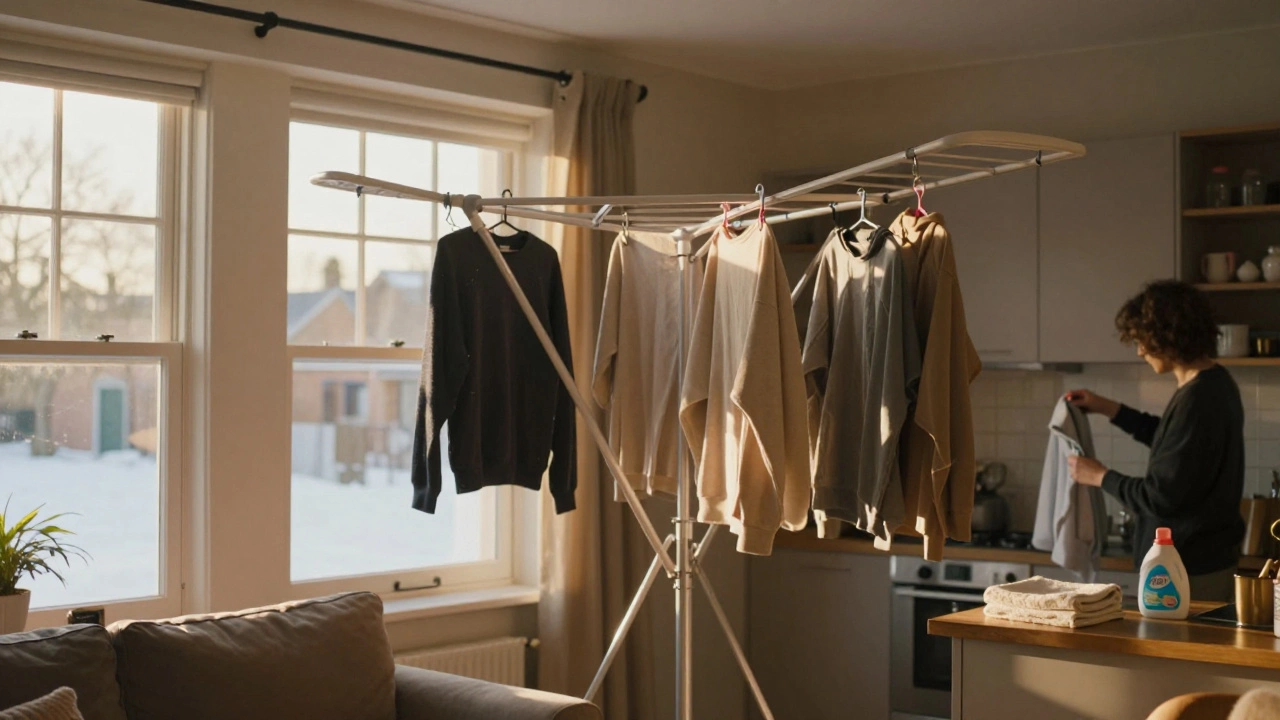
This is the critical part. If your boiler is broken, your tumble dryer probably won’t work either (unless it’s a condenser dryer that uses ambient air, but even then, it performs poorly in a cold house). Plus, drying clothes indoors with a faulty heating system leads to dampness and mold. Hang your clothes on a radiator (if any residual warmth exists) or use indoor airers. Keep windows slightly open to ventilate the room.
When Does A Broken Boiler Actually Stop The Washing Machine?
There are specific technical scenarios where the link is direct. These are less common but worth knowing if you live in an older property or a flat with shared systems.
- Combi-Boiler Systems with Priority Settings: Some advanced combi-boilers have a "domestic hot water priority" mode. If the boiler is in fault mode, it may cut off all hot water outputs to prevent damage. Since your washing machine doesn’t use this hot water (in modern setups), this usually doesn’t matter. However, if your washing machine is plumbed into the hot outlet (rare, but happens in DIY installs), it will fail.
- Shared Pump Failures: In some older installations, the circulation pump for the central heating also assists in pushing water through the hot water cylinder. If this pump fails, you lose both heating and instant hot water. Again, this only impacts older washing machines.
- Frost Protection Mode: If your boiler is broken because of a frozen pipe, the entire water supply might be compromised. In this case, no water reaches the washing machine at all, regardless of temperature settings.
Troubleshooting Checklist
Before you panic about your laundry, run through this quick diagnostic list:
- Check the Hoses: How many hoses go into the back of your washing machine? One? You’re safe. Two? You’re stuck with cold washes.
- Test the Taps: Turn on the kitchen sink tap. Is there hot water? If yes, your boiler isn’t fully dead-it might just be the heating controls. Your washing machine (if modern) is unaffected.
- Listen for the Heater: Start a 40°C wash. After the first few minutes, listen closely. Do you hear a faint humming or buzzing? That’s the heating element working. If it’s silent, the machine might be in error mode or the element is broken (unrelated to the boiler).
- Check Error Codes: If the machine displays an error like "E10" (water intake) or "E11" (drainage), these are plumbing issues, not boiler issues. Fix the plumbing first.
Long-Term Advice: Upgrade Your Setup
If you find yourself constantly juggling boiler repairs and laundry schedules, it might be time to consider upgrades. Modern condensing boilers are highly efficient and reliable. Replacing an old G-ascent boiler with a new A-rated model can reduce breakdowns by up to 70%.
Additionally, if you have an older washing machine, replacing it with a modern eco-model offers benefits beyond convenience. New machines use less water (often under 50 liters per cycle) and have better insulation, meaning they retain heat better and waste less energy. Over five years, the savings on water and electricity bills often offset the cost of the new appliance.
Remember, your washing machine and your boiler are partners in home maintenance, but they don’t always need to hold hands. By understanding how your specific setup works, you can keep your clothes clean even when your heating goes on strike.
Can I run a hot wash if my boiler is off?
If you have a modern washing machine with a single inlet hose, yes. It uses an internal electric heater to warm the water. If you have an older machine with two hoses (hot and cold), no. It relies on the boiler for hot water, so you will only get a cold wash.
Does using the washing machine heat up the house?
Slightly. The motor and the heating element generate waste heat. During a hot wash, you might notice a small increase in temperature in the utility room, but it is not enough to replace a functioning boiler for whole-house heating.
Will running the washing machine damage a broken boiler?
No. The washing machine operates on a separate electrical circuit and draws water independently (for modern models). Running it will not stress or damage your boiler further.
Why is my washing machine filling slowly when the boiler is broken?
This is likely due to low water pressure in your home system. If the boiler failure caused a drop in mains pressure or blocked a shared pipe, the washing machine’s intake valve may struggle to fill the drum. Check your other taps; if they are also weak, the issue is house-wide pressure, not the machine itself.
Is it cheaper to wash in cold water or use the boiler?
It depends on your energy tariffs. Generally, gas is cheaper than electricity per kWh. However, since most modern machines heat water internally using electricity, switching to a cold wash saves money regardless of your boiler status. Using a cold wash with a "cold active" detergent is the most economical option.