- 25 Jun 2026
- Gideon Thornton
- 0
Boiler Replacement Safety Checker
How to use: Select the option that best matches your current situation for each step. The tool will analyze the risks and provide specific instructions.
Step 1: Main Stopcock Status
Is the main water supply (stopcock) currently open or closed?
Step 1: Main Stopcock Status
Is the main water supply (stopcock) currently open or closed?
Step 2: Boiler Type
What type of boiler is being installed?
Step 2: Boiler Type
What type of boiler is being installed?
Step 3: Installation Stage
What stage is the plumber at?
Step 3: Installation Stage
What stage is the plumber at?
Picture this: you’re mid-replacement of your gas boiler, dust is settling, and suddenly nature calls. The question isn’t just about comfort-it’s about physics, plumbing logic, and whether your house will flood or freeze. Can you actually use the toilet while your heating system is being swapped out?
The short answer is yes, but with major caveats that depend entirely on how your home’s plumbing is wired. If you ignore these details, you might end up with a cold shower, a blocked pipe, or worse-a burst radiator because someone forgot to isolate the right valve.
How Your Plumbing System Actually Works
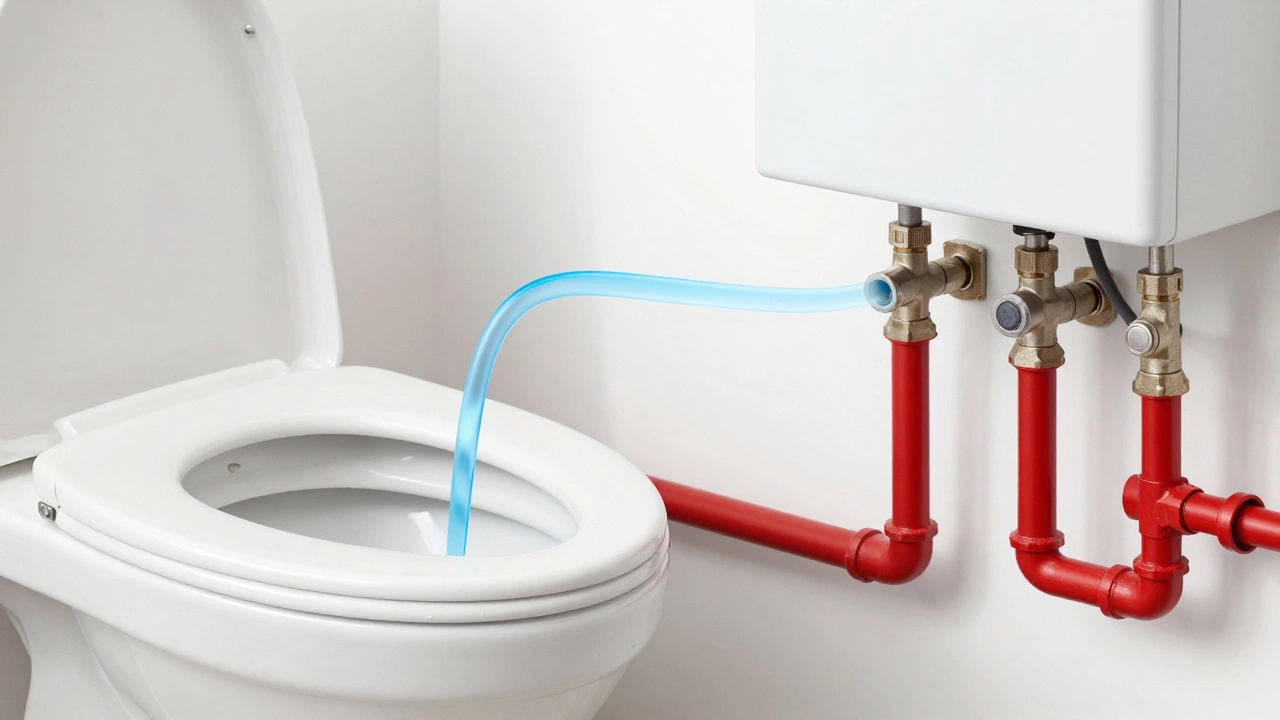
To understand why toilets behave differently during a boiler swap, you need to see how water moves through your house. Most homes in the UK have two separate water circuits:
- Cold water mains: Comes directly from the street supply into your kitchen sink, bathroom taps, and cisterns. This line never touches the boiler.
- Hot water system: Heated by the boiler, stored in a cylinder (if indirect) or generated instantly (combi), then distributed to showers, baths, and sinks.
Your toilet cistern uses only cold water from the mains. It doesn’t care if your boiler is running, broken, or being replaced. So technically, flushing works fine. But here’s where it gets tricky: if your plumber has shut off the main stopcock to replace the boiler, *all* water stops-including the toilet.
| Component | Dependent on Boiler? | Usable During Swap? |
|---|---|---|
| Toilet Cistern | No | Yes-if main stopcock is open |
| Kitchen Sink Tap | No | Yes-if main stopcock is open |
| Bathroom Hot Tap | Yes | No-until new boiler is commissioned |
| Radiators | Yes | No-system drained for safety |
| Washing Machine | No (cold inlet) | Yes-but no hot wash cycles |
When You Should NOT Flush the Toilet
Even though toilets run on cold water, there are three scenarios where flushing becomes risky:
- Main stopcock is closed: Plumbers often shut off the entire house water supply when replacing boilers to prevent leaks during pipe work. If the stopcock is off, your toilet won’t refill after flushing. You’ll be left with an empty cistern and a dry flush sound.
- Shared pipework near boiler: In older homes, especially those built before 1980, cold water pipes may run close to the boiler flue or condensate drain. If your plumber cuts into these lines temporarily, even brief water flow can cause pressure drops or airlocks.
- Condensate blockage risk: Modern condensing boilers produce acidic wastewater that drains via a small plastic pipe. If this pipe shares a vent stack with your soil stack (common in Victorian terraces), heavy toilet use could back-pressure the system before the new boiler is fully sealed.
In Bristol, many properties still have cast-iron soil stacks connected to original clay drains. These narrow pipes hate sudden surges. One too many flushes during installation might push debris into joints that haven’t been resealed yet.
What Happens If You Ignore the Rules?
I’ve seen it happen. A homeowner in Clifton flushed twice while their plumber was fitting a new Worcester Bosch Greenstar. The result? Air trapped in the rising main caused a vacuum effect that pulled loose joint compound out of a nearby elbow. Water sprayed across the kitchen floor for ten minutes before the isolation valve was found.
Another case in Bedminster involved a combi boiler swap where the technician hadn’t yet purged the system. Someone ran the washing machine-which draws cold water-and created enough turbulence to dislodge sediment from old pipes. That sludge clogged the new boiler’s heat exchanger within hours.
These aren’t hypotheticals. They’re real consequences of treating plumbing like magic instead of mechanics.
How to Stay Comfortable Without Causing Chaos
If you must use the toilet during boiler replacement, follow these steps:
- Ask first: Before pressing the button, check with your plumber. They know exactly which valves are open and which sections are pressurized.
- Use minimal flushes: Limit yourself to one flush per hour max. Avoid double-flushing unless absolutely necessary.
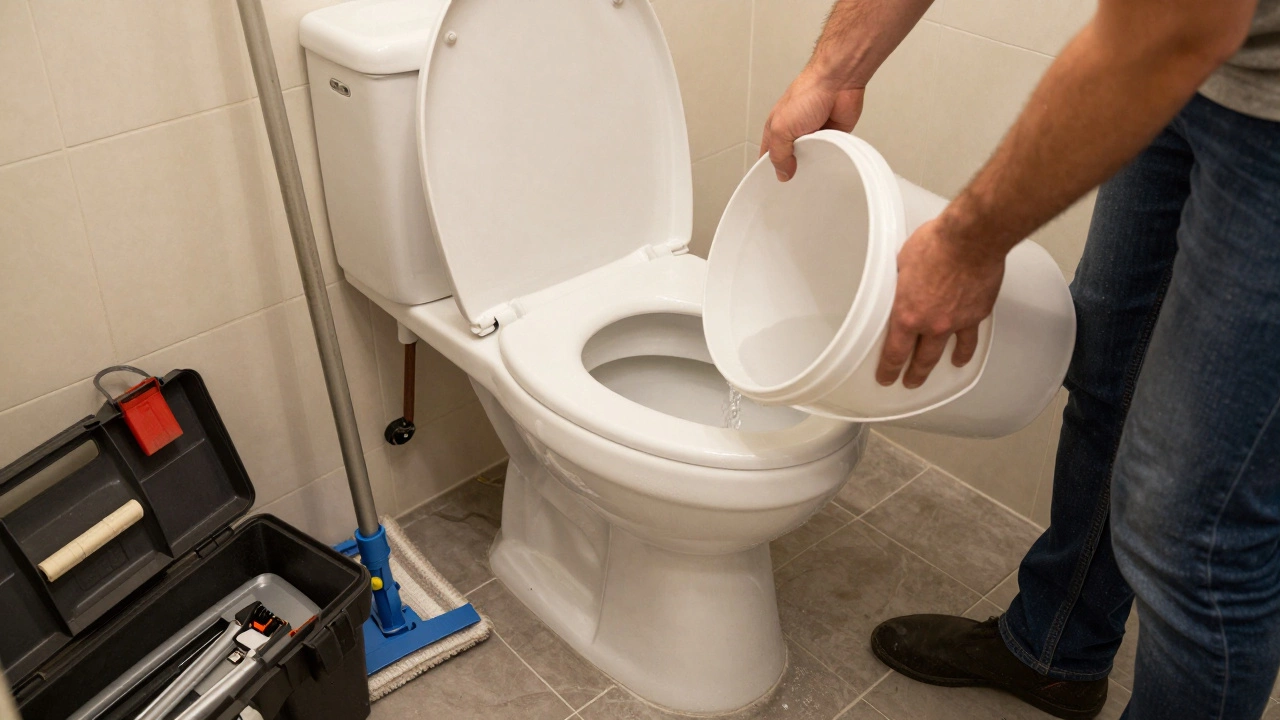
- Keep a bucket handy: Fill a large container with water beforehand. If the cistern doesn’t refill, pour water manually to trigger the float mechanism.
- Avoid simultaneous demands: Don’t run the dishwasher, washing machine, or tap while using the toilet. Each draw increases stress on partially disconnected joints.
Pro tip: Keep a roll of paper towels and a mop nearby. Even careful planning can’t predict every leak.
Special Cases: Combi vs. System Boilers
The type of boiler being installed changes everything.
Combi boilers generate hot water on demand. They don’t store it. This means they rely heavily on stable incoming water pressure. During installation, plumbers usually isolate the whole system until testing is complete. Flushing the toilet during this phase risks introducing air bubbles into the primary circuit, which can lead to noisy operation or reduced efficiency later.
System boilers connect to a hot water cylinder. These setups often allow partial restoration of services earlier. For example, once the cold feed to the cylinder is reconnected, you might get limited hot water-but only if the cylinder wasn’t drained. Toilets remain unaffected either way, provided the main stopcock stays open.
In both cases, always confirm with your engineer what stage they’re at. Never assume “it looks done” means “it’s safe to use.”
Emergency Fixes When Things Go Wrong
Sometimes despite best efforts, problems arise. Here’s how to handle common issues:
- Toilet won’t refill: Check if the main stopcock is fully open. Turn it clockwise slowly until resistance stops. Wait 30 seconds for pressure to build.
- Gurgling sounds: Indicates air in the drainage system. Stop all water usage immediately. Call your plumber-they likely need to vent the stack.
- Slow flush: Could mean low pressure due to partial blockage upstream. Do not force multiple flushes. Use a plunger gently once, then wait for professional assessment.
If any of these occur, document them with photos and note timestamps. This helps your insurer or warranty provider assess damage claims accurately.
Why Timing Matters More Than You Think
Boiler replacements typically take 4-6 hours for straightforward swaps. Complex jobs involving flue rerouting or electrical upgrades can stretch to two days. During this window, your household routines shift dramatically.
Plan ahead:
- Stock up on bottled water for drinking and cooking.
- Arrange alternative bathroom access if possible (e.g., neighbor’s guest bath).
- Inform guests or family members about restrictions early.
- Set expectations: tell everyone “no hot showers” and “limited toilet use” so nobody panics when things feel inconvenient.
In Bristol, summer months bring higher visitor numbers. If you’re hosting relatives during a boiler change, consider booking a portable chemical toilet as backup. Yes, it sounds extreme-but better than explaining why Grandma couldn’t go to the loo.
Frequently Asked Questions
Can I flush the toilet if the boiler is turned off?
Yes, as long as the main water supply remains active. The toilet operates independently of the boiler since it uses cold water from the municipal supply. However, if your plumber has closed the stopcock to replace pipes near the boiler, water flow will stop entirely-including to the toilet.
Will using the toilet damage my new boiler?
Not directly. But excessive flushing during installation can introduce air pockets or sediment into shared piping networks, potentially affecting the new boiler’s performance over time. Always consult your installer before resuming normal water usage patterns.
How long should I wait before using the toilet after boiler replacement?
You can usually resume normal toilet use immediately after the main stopcock is reopened and tested for leaks. Typically, this happens within 1-2 hours post-installation. Confirm with your plumber that all connections are secure and pressure readings are stable before proceeding.
Is it safe to use other appliances while the boiler is being replaced?
Only those connected to cold water lines. Dishwashers, washing machines, and fridge ice makers draw from cold mains and generally function normally. Avoid anything requiring heated water until the new boiler is commissioned and pressure-tested.
What should I do if my toilet starts gurgling during boiler work?
Stop all water usage immediately. Gurgling indicates air entering the drainage system, possibly due to improper venting or temporary disconnection of soil stacks. Contact your plumber right away-this issue requires professional diagnosis to prevent sewage backups or structural damage.
Does the type of boiler affect toilet usability?
Indirectly. Combi boilers require stricter isolation during installation due to integrated heat exchange components. System boilers with separate cylinders may allow earlier partial service restoration. Regardless of type, toilet functionality depends solely on cold water availability, not boiler technology.
Can I take a shower while the boiler is being replaced?
No. Showers rely on hot water generated by the boiler. Until the new unit is installed, pressurized, and tested, no hot water will be available. Cold showers are technically possible but impractical without prior preparation.
Should I inform my neighbors about boiler replacement noise?
While not required by law, courtesy dictates notifying adjacent residents-especially in flats or terraced houses. Boiler installations involve drilling, hammering, and occasional loud compressor tests. Advance notice reduces complaints and fosters goodwill.