- 18 Oct 2026
- Gideon Thornton
- 0
Heat Pump Repair vs. Replace Decision Tool
Enter the details of your current heat pump issue and unit to determine if a repair is financially sensible compared to a replacement.
Standing in your garden in Bristol, staring at an air source heat pump that’s humming but not heating, is a specific kind of frustration. It’s expensive kit, often costing between £7,000 and £14,000 installed, so the idea of paying a technician £80-£120 just to show up stings. The short answer to "can you repair a heat pump?" is yes-but with a massive asterisk. While some issues are simple enough for a handy homeowner to fix, others involve high-pressure refrigerants and complex electronics that legally require a qualified professional.
The Reality of Heat Pump Complexity
Unlike a traditional gas boiler, which burns fuel to create heat, a heat pump moves heat from one place to another using electricity. This process relies on a closed-loop system containing refrigerant, compressors, and expansion valves. If you try to open these parts without proper certification, you risk releasing harmful gases or causing an explosion. However, the outer shell-the fan, the filters, and the thermostat-is fair game for DIY intervention. Understanding where the boundary lies between "user serviceable" and "pro only" saves you money and potential safety hazards.
| Task | Who Can Do It? | Risk Level | Typical Cost (UK) |
|---|---|---|---|
| Cleaning outdoor unit coils/fins | Homeowner | Low | Free (with hose) |
| Replacing air filter (if applicable) | Homeowner | Low | £5-£15 |
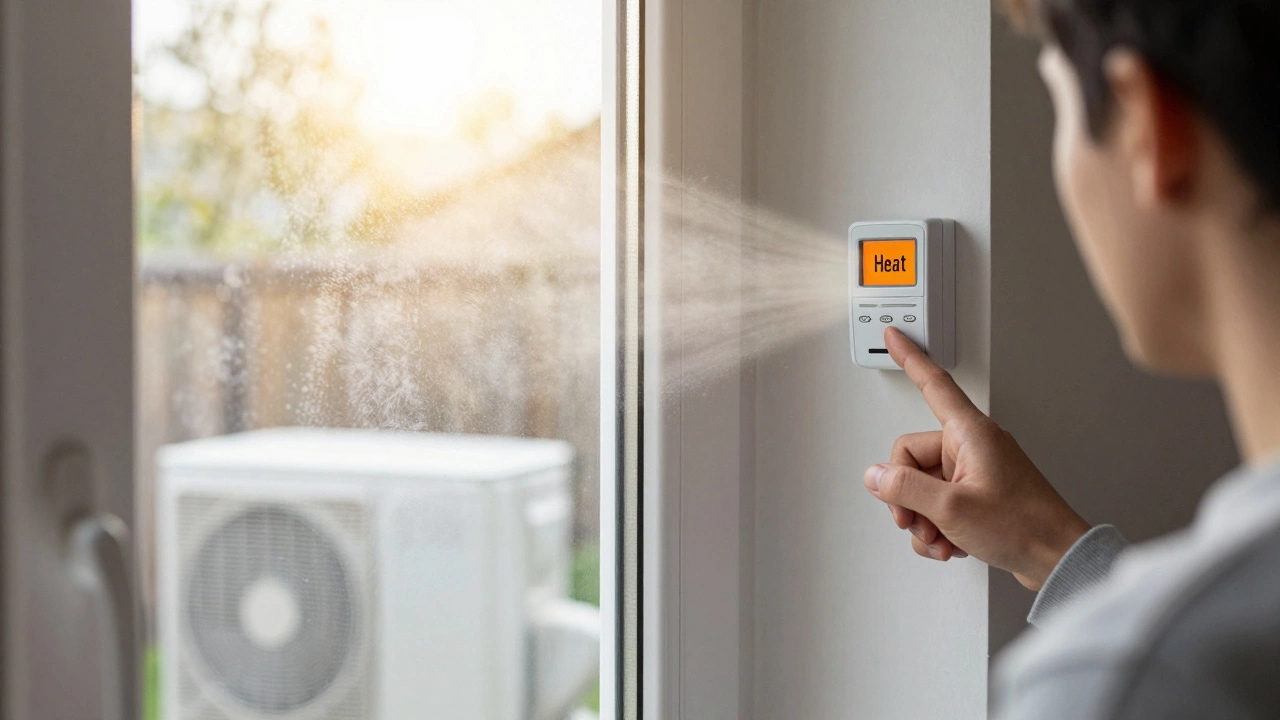
| Resetting error codes via app/panel | Homeowner | Low | Free |
| Clearing blocked condensate drain | Homeowner | Medium | £0-£20 (tools) |
| Refrigerant leak repair/recharge | F-Gas Certified Pro | High | £150-£300+ |
| Compressor replacement | Specialist Engineer | Very High | £500-£1,000+ |
| PCB (Control Board) swap | Qualified Electrician | Medium | £150-£400 |
Common Issues You Can Fix Yourself
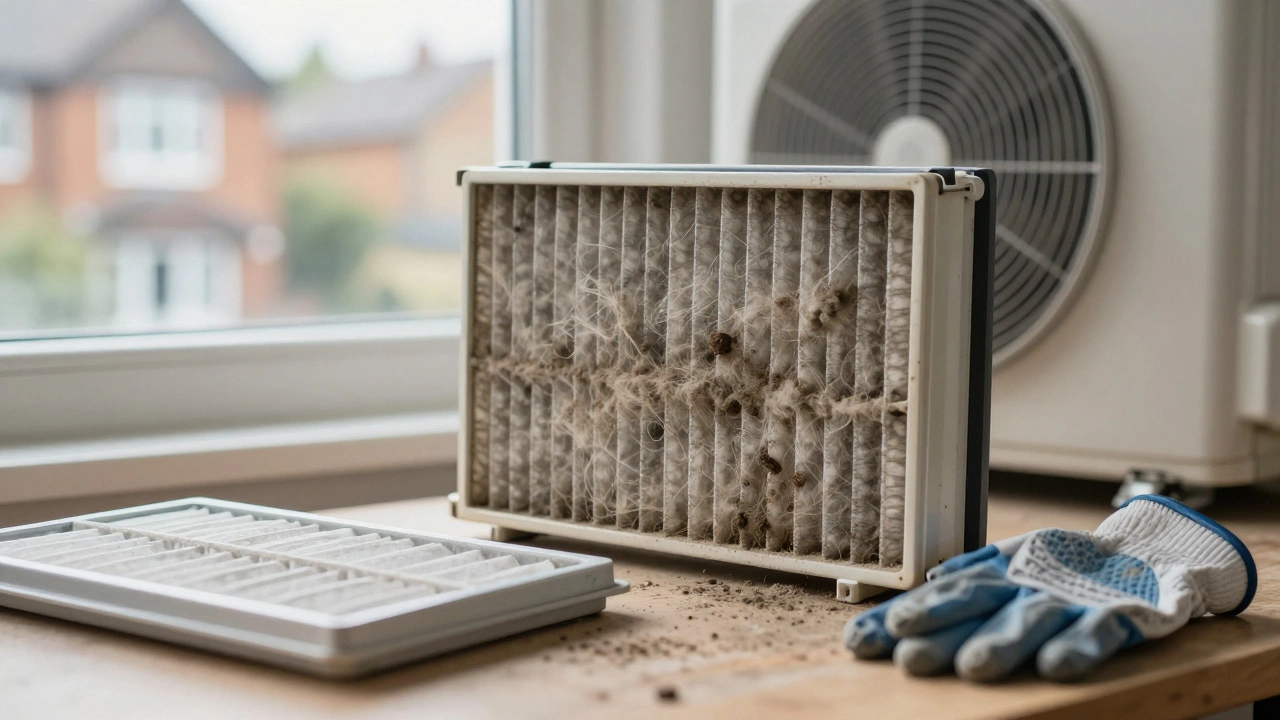
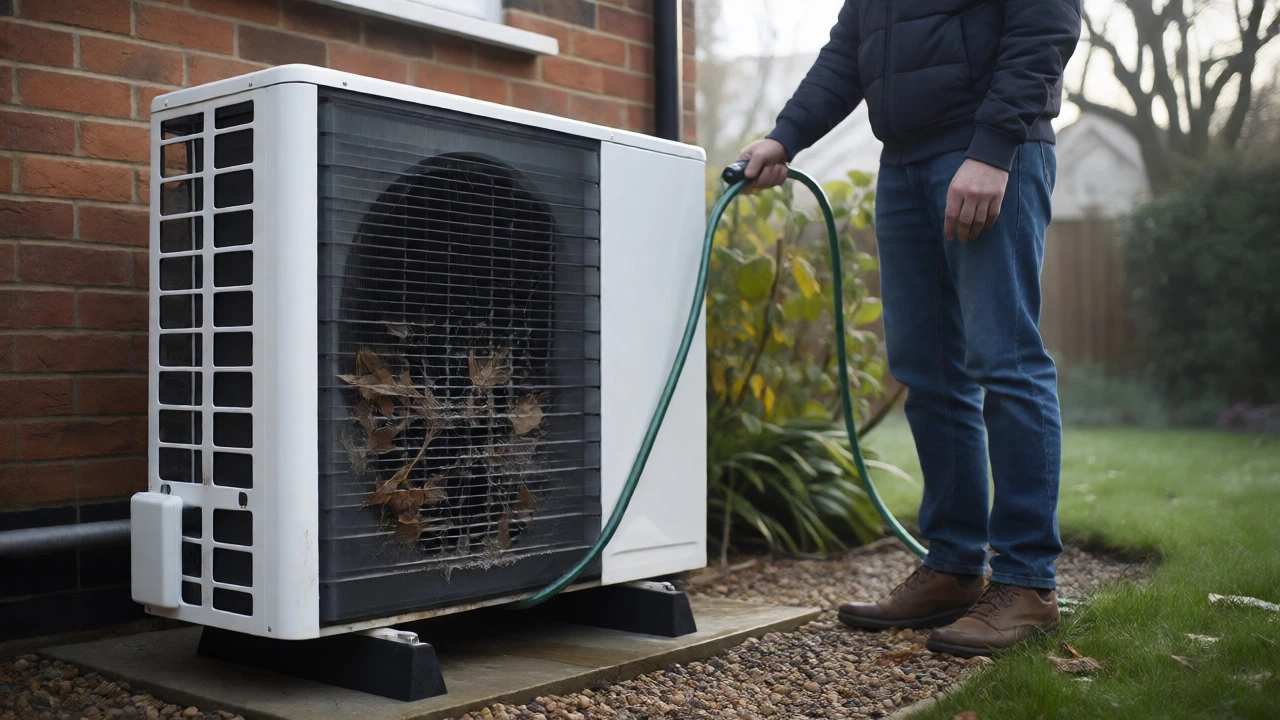
Before you dial a number, check the obvious stuff. Most "breakdowns" are actually performance drops caused by neglect or minor blockages. In the UK, leaves, pollen, and even spider webs love to clog the intake fins of outdoor units. If your heat pump is running but the house stays cold, grab a garden hose (not a pressure washer, which bends fins) and gently spray down the coil. Remove debris first. This simple act can restore efficiency by up to 15%.
Another frequent culprit is ice buildup. In damp British winters, frost forms naturally. But if you see thick, persistent ice, the defrost cycle might be failing. Check if the unit is in "defrost mode." If it isn't, try restarting the system. Sometimes the software just needs a reboot. Also, inspect the condensate tray. If water pools around the base, the drain pipe may be blocked by algae or sludge. A wet/dry vacuum or a stiff wire can often clear this blockage, preventing the unit from shutting down due to a float switch trigger.
When to Call a Professional
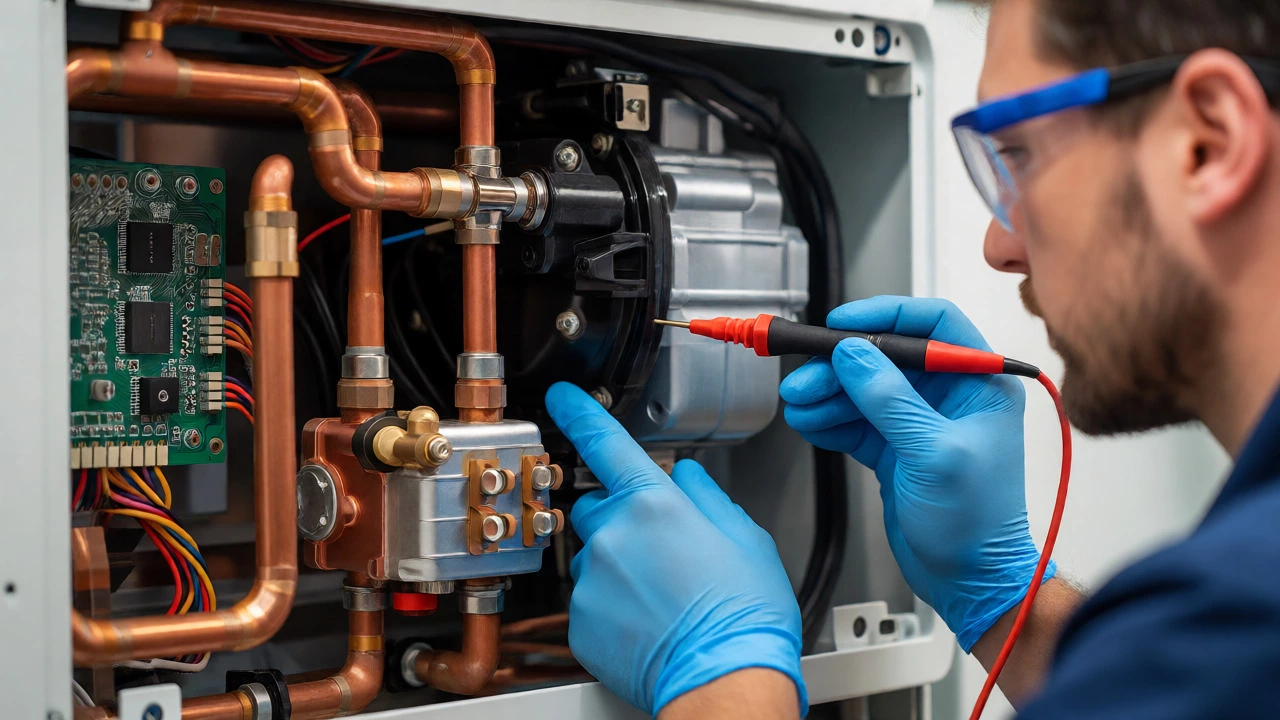
If cleaning doesn’t work, look at the error code. Modern units like those from Daikin, Mitsubishi, or Vaillant display alphanumeric codes on their control panels. Look these up in your manual. Codes related to sensors or communication errors might be resettable. However, codes indicating low pressure, high pressure, or compressor faults mean internal mechanical failure. Here, you need a technician. Why? Because handling refrigerants requires F-Gas certification under UK law. An uncertified person touching the sealed circuit can void your warranty and face fines.
Electrical issues are another gray area. If the unit trips your consumer unit immediately upon startup, stop. Do not keep resetting it. This suggests a short circuit or a seized motor. Continuing to force power through can burn out the PCB (Printed Circuit Board), turning a £50 fuse issue into a £300 board replacement. For anything involving opening the electrical enclosure, hire a Part P registered electrician or a specialist HVAC engineer.
The Cost-Benefit Analysis: Repair vs. Replace
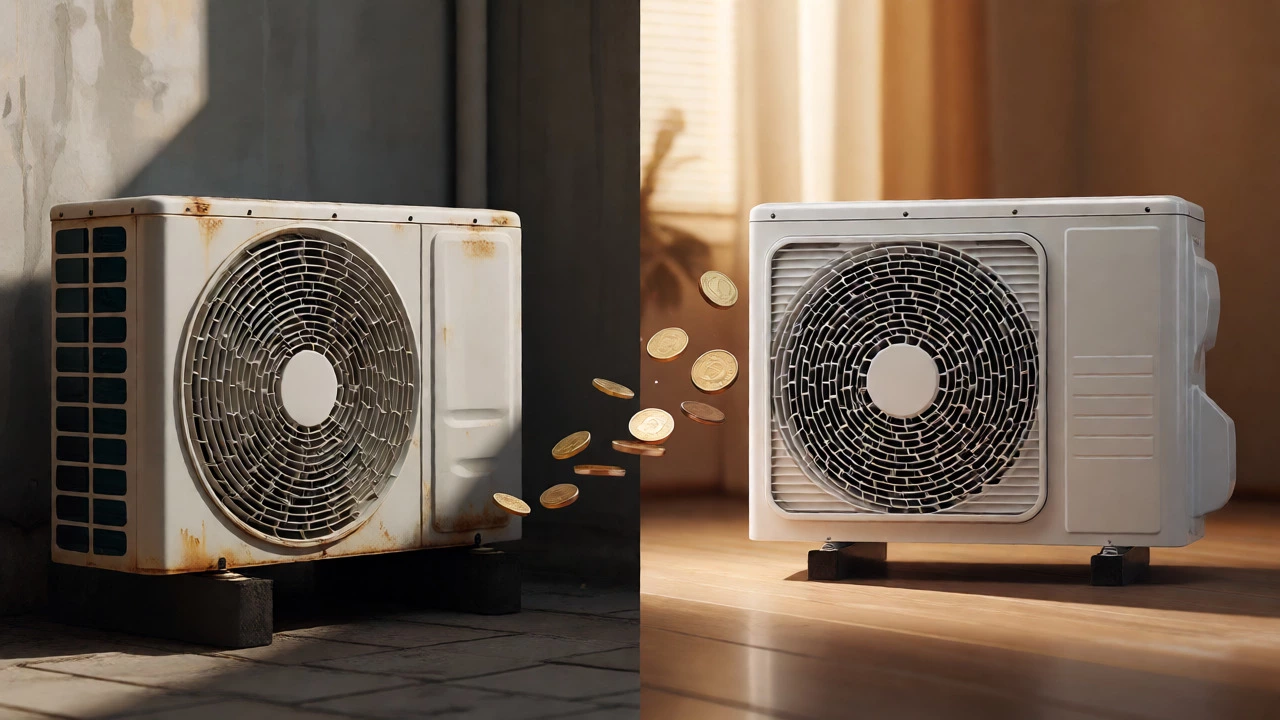
Heat pumps typically last 15-20 years. If yours is under 10 years old, repair is almost always cheaper than replacement. A new unit costs upwards of £10,000. A major repair, like replacing a compressor, might cost £800. That’s an easy decision. But as the machine ages, costs escalate. If you’re facing a repair bill exceeding 30-40% of the replacement cost, consider upgrading. Newer models are significantly more efficient, especially the R32 refrigerant variants introduced widely since 2020. These newer units use less electricity, lowering your running costs enough to offset the capital expenditure over time.
Consider the state of your home’s insulation too. If you have an older heat pump sized for a drafty house, repairing it might not solve the core problem. Upgrading to a higher SCOP (Seasonal Coefficient of Performance) model could yield better results than patching up an inefficient legacy system.
Maintenance Tips to Avoid Repairs
Prevention beats cure every time. Schedule a professional service once a year, ideally in autumn before the heating season peaks. Between services, do this monthly:
- Check airflow: Ensure no plants, boxes, or snow are blocking the front grille.
- Listen for noises: A slight hum is normal. Grinding, rattling, or screeching indicates bearing wear or loose panels.
- Monitor energy usage: If your bills spike unexpectedly, the system is working harder than it should.
Keep the area around the unit clean. Trim back ivy or shrubs that touch the casing. Vibrations from touching foliage can damage the panel seals over time, letting moisture in.
Understanding Warranty Implications
Most manufacturers offer 5-7 year warranties. These terms usually stipulate annual servicing by an approved installer. If you attempt a DIY repair on a covered component-say, swapping a sensor-and break something else, the manufacturer may reject the claim. Always document what you’ve done. Take photos before and after. If you must call someone out, ensure they are accredited by MCS (Microgeneration Certification Scheme) if you want to maintain eligibility for any future government grants or standard warranty compliance.
How much does it cost to repair a heat pump in the UK?
Call-out fees typically range from £60 to £100. Labour rates average £60-£90 per hour. Parts vary wildly: a capacitor might cost £20, while a compressor can exceed £500. Total repair bills often fall between £150 and £400 for common faults.
Can I top up the refrigerant myself?
No. In the UK, handling fluorinated greenhouse gases requires an F-Gas certified technician. Attempting this yourself is illegal and dangerous, as improper charging can destroy the compressor or cause environmental harm.
Why is my heat pump making loud noises?
Loud noises can stem from loose fan blades, worn bearings, or debris hitting the coil. Turn off the unit and inspect visually. If the noise persists after clearing debris, it likely requires a technician to lubricate motors or replace fans.
Is it worth repairing a 15-year-old heat pump?
Generally, no. At 15 years, efficiency has dropped, and parts availability decreases. Unless the fault is minor (like a cheap sensor), investing in a new, high-efficiency model usually offers better long-term savings on energy bills.
What is the most common heat pump failure?
The most common failures are electronic, such as faulty temperature sensors or PCB glitches. Mechanical failures like compressor breakdowns are less frequent but far more expensive to fix.