- 23 Aug 2026
- Gideon Thornton
- 0
Heat Pump Warm Air Troubleshooter
Has the unit been blowing cold air continuously for more than 20 minutes?
Select your symptoms on the left and click Run Diagnosis.
It’s the middle of winter in Bristol, and you’ve just turned up the thermostat, expecting a blast of cozy warmth. Instead, your heat pump is humming away but only pushing out cool or lukewarm air. It feels like the system is working, yet the room isn’t warming up. This is one of the most common complaints we hear from homeowners, and it’s rarely as simple as "it’s broken." Usually, it’s a specific component failing to do its job, or a setting that’s been accidentally changed.
Before you call for emergency service, let’s walk through the most likely culprits. We’ll start with the easy stuff you can check yourself, then move to the mechanical issues that require a pro. By the end, you’ll know exactly where to look and when to stop tinkering.
Quick Summary / Key Takeaways
- Thermostat Mode: The #1 cause. Ensure the unit is set to "Heat" mode, not "Cool" or "Fan Only."
- Air Filter: A clogged filter restricts airflow, causing the compressor to overwork and blow cold air.
- Refrigerant Levels: Low refrigerant means less heat absorption. Look for ice on the outdoor coil.
- Outdoor Unit Obstruction: Snow, leaves, or debris blocking the condenser fan reduces efficiency significantly.
- Defrost Cycle: If the unit is in defrost mode, it blows cold air temporarily. This is normal if it lasts under 15 minutes.
Check the Basics First: Settings and Power
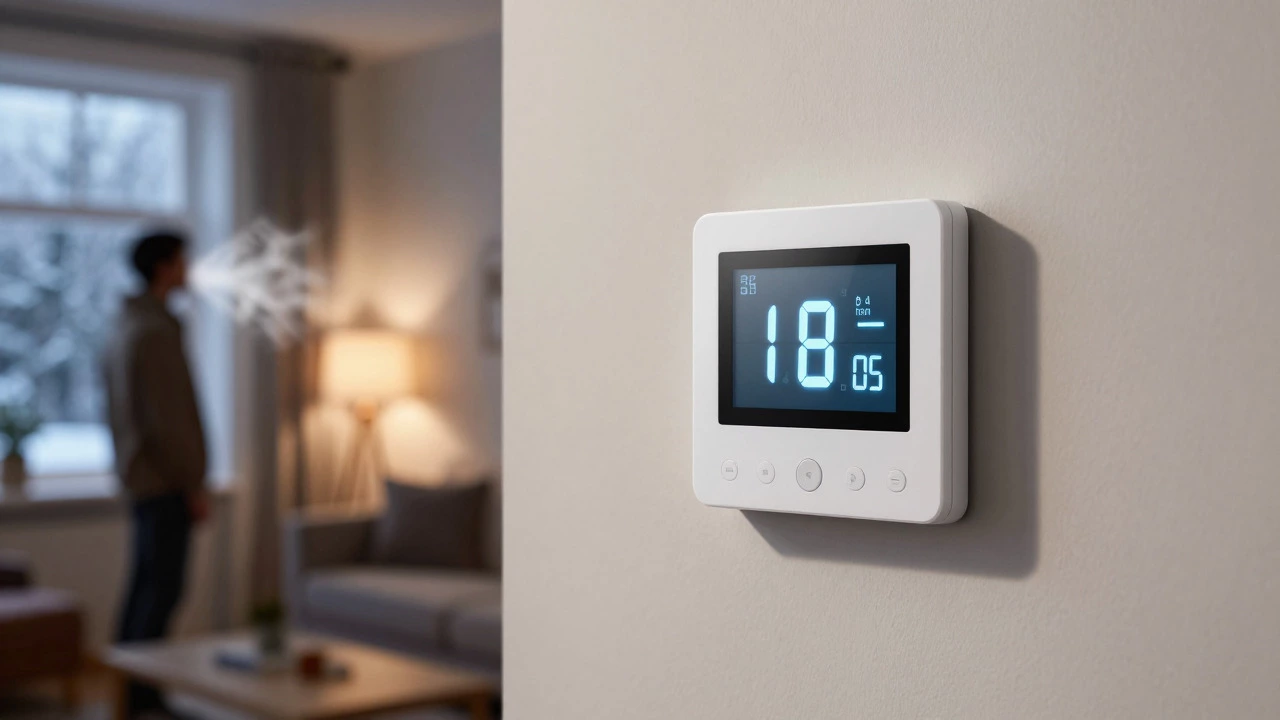
Believe it or not, the most frequent reason a heat pump doesn't blow warm air is human error. It happens more than you’d think. Start by checking your thermostat. Is it actually in "Heat" mode? Sometimes, after a power outage or a firmware update, the system reverts to "Auto" or "Cool." Even if the display says 20°C, if the mode icon shows a snowflake, you’re cooling, not heating.
Next, check the power supply. Both the indoor air handler and the outdoor condenser need electricity. If the outdoor unit isn’t spinning at all, check the breaker box. Heat pumps often have two breakers: one for the indoor blower and one for the outdoor compressor. If either is tripped, reset them. If they trip again immediately, don’t force it-that indicates a short circuit or a failing capacitor.
Also, verify the temperature setting. If your home is already at 21°C and you set the thermostat to 20°C, the heat pump won’t kick on. It needs a difference of at least 1-2 degrees to activate the compressor. Set it higher than the current room temperature to test if the system engages.
The Airflow Problem: Filters and Ducts
If the thermostat is correct and power is fine, look at the airflow. A heat pump moves heat; it doesn’t create it. If air can’t flow freely, the system chokes. The first place to check is the air filter. A dirty filter restricts airflow, causing the evaporator coil to freeze over. When that ice forms, the air passing through it is naturally cold.
Turn off the unit and pull out the filter. If it looks gray or has a thick layer of dust, replace it. For standard 1-inch filters, change them every 3 months during heavy use. For high-efficiency pleated filters, every 60-90 days is better. While you’re there, check the return vents. Are they blocked by furniture, rugs, or curtains? Even partial blockage can reduce airflow by 20-30%, which is enough to cause performance drops.
If the filter is clean, listen to the blower motor. Does it sound weak or rattling? A worn-out blower motor might spin but not push enough air. This is a mechanical issue that usually requires professional replacement, but knowing the symptom helps you diagnose it correctly before calling a technician.
Refrigerant Issues: The Silent Killer
This is where things get technical. Your heat pump uses refrigerant to absorb heat from outside air and transfer it indoors. If the refrigerant level is low, the system can’t absorb enough heat, resulting in weak or no warm air. How do you know if you have a refrigerant leak?
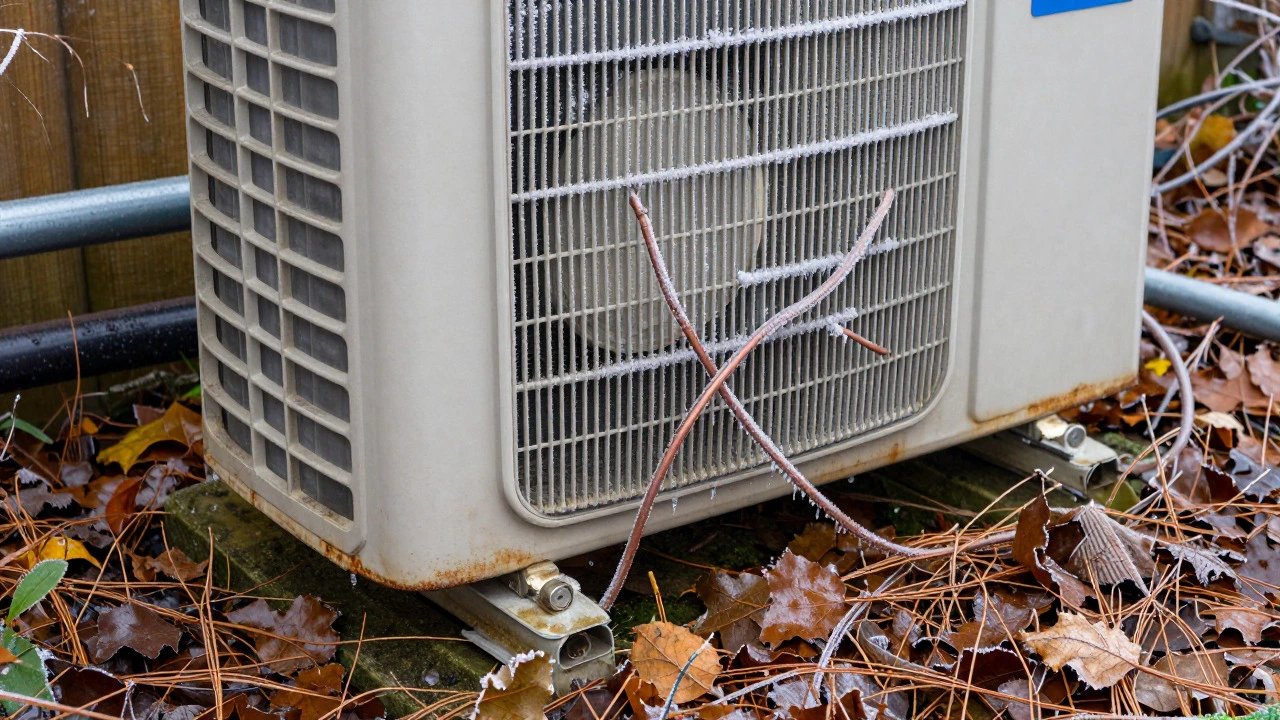
Look at the outdoor condenser unit. Do you see ice forming on the copper lines or the coil? Ice is a classic sign of low refrigerant. It also often comes with a hissing sound from the unit. Another clue is if the indoor unit is blowing air that feels "weak" even though the fan is running fast. The compressor might be cycling on and off frequently (short-cycling) because it reaches the set point quickly but fails to maintain it.
Note: You can’t just "top off" refrigerant without finding the leak. Adding more gas to a leaking system is a temporary fix that will fail within weeks. A certified HVAC technician must use electronic leak detectors to find the source, repair it, and then recharge the system to the manufacturer’s specified pressure. In the UK, this work must be done by an F-Gas certified engineer, as per HSE regulations.
Outdoor Unit Maintenance: Clearing the Path
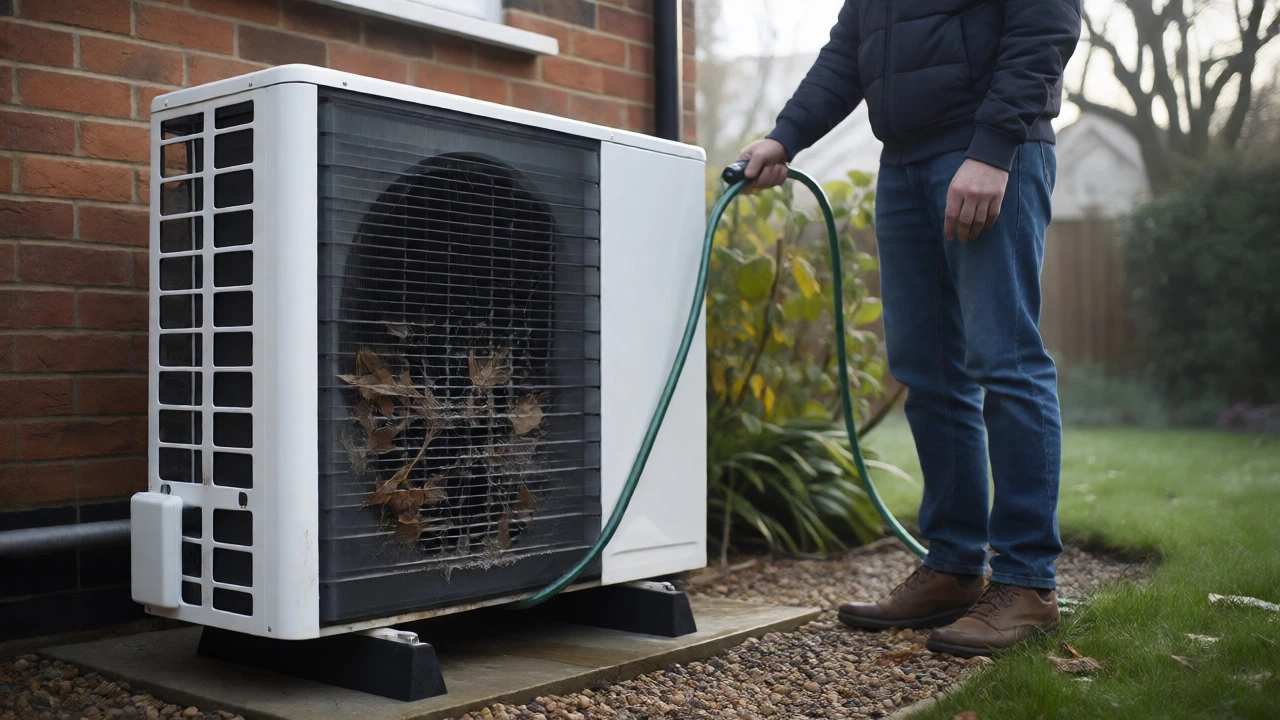
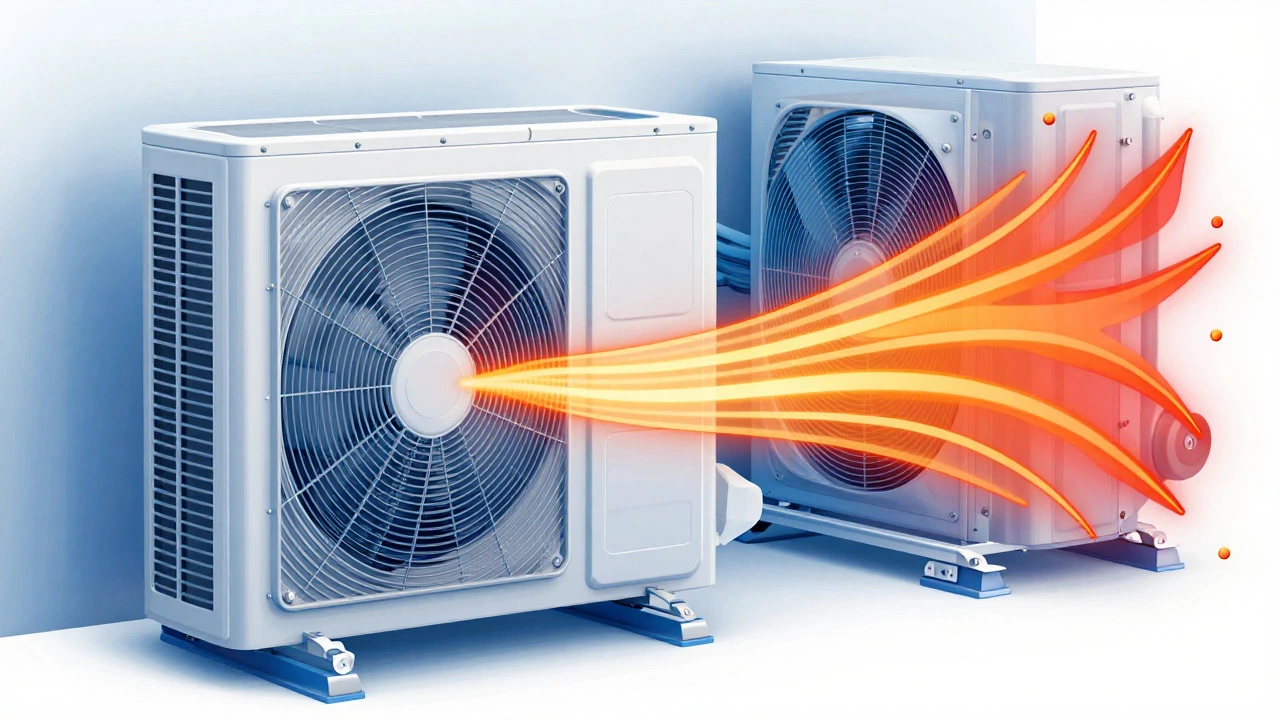
Your heat pump’s outdoor unit does the heavy lifting. It pulls in outside air to extract heat. If that path is blocked, the system struggles. Check around the condenser unit. Is it covered in leaves, pine needles, or snow? In Bristol, autumn leaf drop can bury these units if they’re placed near trees. Clear at least 2 feet of space around the unit.
Check the condenser fan blades too. Are they bent or cracked? A bent blade can unbalance the fan, causing vibration and reduced airflow. Also, ensure the fins on the coil are straight. Bending them with a fin comb tool (available at hardware stores) can restore airflow if they’ve been crushed by debris or animals.
If the outdoor unit is making loud grinding noises, the fan motor bearings might be worn out. This is a clear sign to call a pro. Running a heat pump with a failing fan motor can lead to complete compressor failure, which is one of the most expensive repairs you can face.
Defrost Cycles: Is It Actually Broken?
Here’s a tricky one. Modern heat pumps have a defrost cycle. When the outdoor coil gets icy, the system reverses flow to melt the ice. During this time, the indoor unit blows cold air for 5-15 minutes. If you noticed cold air and it started blowing warm again after 10 minutes, everything was fine. But how do you tell if it’s stuck in defrost mode?
If the cold air lasts longer than 20 minutes, or if you see frost building up on the indoor coil, the defrost sensor might be faulty. This sensor tells the control board when to start and stop defrosting. A bad sensor can cause the system to stay in defrost mode indefinitely, meaning you never get heat. Replacing this sensor is a relatively cheap fix compared to replacing the whole control board, so it’s worth diagnosing early.
When to Call a Professional vs. DIY
Not every problem needs a technician. Here’s a quick guide to help you decide:
| Symptom | Likely Cause | Action Type | Estimated Cost (UK) |
|---|---|---|---|
| No warm air, unit runs | Wrong thermostat mode | DIY | £0 |
| Weak airflow, cold air | Clogged air filter | DIY | £10-£20 (filter cost) |
| Ice on outdoor coil | Low refrigerant or airflow blockage | Pro (if filter clean) | £150-£400 |
| Loud grinding noise | Fan motor bearing failure | Pro | £200-£500 |
| Short cycling (on/off rapidly) | Compressor or capacitor issue | Pro | £300-£800 |
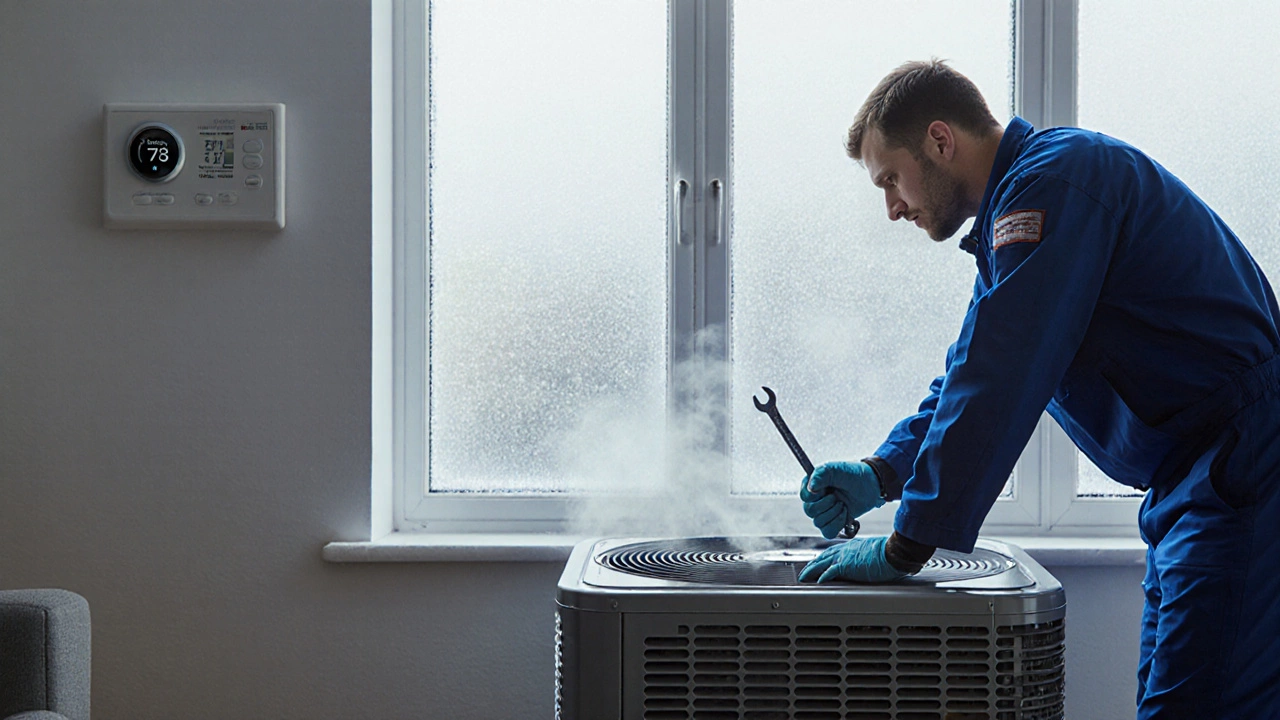
If you’ve checked the thermostat, cleaned the filter, cleared the outdoor unit, and waited out a potential defrost cycle, but still have no heat, it’s time to call a specialist. Trying to open the refrigerant lines yourself is dangerous and illegal without certification. A professional will check electrical capacitors, compressor health, and refrigerant pressure levels using gauges and multimeters.
Preventive Maintenance Tips for UK Homeowners
Most heat pump failures are preventable. In the UK climate, where humidity and seasonal changes are significant, regular maintenance pays off. Schedule a professional tune-up every year, ideally in late summer before the heating season kicks in. This allows technicians to catch small issues before they become big problems.
Between professional visits, stick to a simple routine:
- Replace air filters every 3 months during peak usage.
- Clear leaves and debris from the outdoor unit monthly from September to November.
- Check the thermostat batteries annually (dead batteries can cause mode resets).
- Listen for unusual noises. A new hum, rattle, or squeal is a warning sign.
Keeping your system healthy not only ensures comfort but also improves energy efficiency. A well-maintained heat pump can be 20-30% more efficient than a neglected one, saving you money on your energy bills every month.
Frequently Asked Questions
Is it normal for a heat pump to blow cold air sometimes?
Yes, if it’s during a defrost cycle. This happens when the outdoor coil freezes, and the system melts the ice. It should last no more than 15-20 minutes. If cold air persists longer, check for refrigerant leaks or sensor faults.
How much does it cost to fix a heat pump that isn't heating?
Costs vary widely. Simple fixes like changing a capacitor or cleaning coils might cost £150-£300. Refrigerant leaks can range from £200 to £500 depending on the leak location. Compressor replacement is the most expensive, often £800-£1,500 plus labor.
Can I add refrigerant myself to my heat pump?
No. In the UK, handling refrigerants requires an F-Gas certification. Using the wrong type or amount of refrigerant can damage the compressor. Always hire a certified HVAC technician for refrigerant work.
What if my heat pump makes a loud clicking sound but no heat?
Clicking often indicates a failing contactor or relay inside the control board. The contactor tries to engage the compressor but fails. This is an electrical issue that requires a professional to replace the part. Don’t ignore it, as repeated clicking can burn out the compressor.
Does a heat pump work efficiently in very cold UK winters?
Modern cold-climate heat pumps work down to -15°C, but efficiency drops as temperatures fall. Below 0°C, they may struggle to meet full heating demands without supplemental electric resistance heat. Ensure your model is rated for your local climate zone.