- 26 Oct 2026
- Gideon Thornton
- 0
Heat Pump Diagnostic & Cost Estimator
Select the symptoms you are experiencing with your heat pump to identify potential causes and estimated repair costs.
Diagnosis Result
No Symptoms Selected
Please select at least one symptom above to begin diagnosis.
You wake up shivering. Your heat pump is running, the fan is whirring, but the air coming out of the vents feels lukewarm at best. It’s not blowing cold, and it’s definitely not blowing hot. If this sounds familiar, you’re in good company. While heat pumps are efficient marvels of engineering, they have one Achilles' heel that plagues homeowners more than any other issue.
The single most common problem with heat pumps isn’t a broken compressor or a fried circuit board. It’s a refrigerant leak. Specifically, it’s often a slow leak that causes the system to lose its ability to transfer heat effectively. But here’s the twist: users often mistake the symptoms of low refrigerant for something else entirely, like a bad thermostat or a frozen coil. Understanding why this happens-and how to spot it before your electric bill doubles-is the key to keeping your home comfortable without breaking the bank on repairs.
Why Refrigerant Leaks Are the Silent Killer of Efficiency
A heat pump doesn’t create heat; it moves it. In winter, it pulls thermal energy from the outside air and dumps it inside. To do this, it relies on a circulating fluid called refrigerant. Think of refrigerant as the delivery truck for heat. If the truck has a hole in the bed, it can’t deliver the cargo. When refrigerant levels drop due to a leak, the pressure in the system drops too. This causes the evaporator coil (the indoor part) to get too cold, leading to ice buildup. That ice acts as an insulator, blocking heat transfer. So, while the unit runs, it produces little to no warm air.
These leaks rarely happen overnight. They develop over years due to vibration, corrosion, or poor installation joints. According to data from the Air Conditioning Contractors of America (ACCA), improper charging and leaks account for nearly 30% of all early efficiency losses in residential HVAC systems. You might notice your heating bills creeping up month by month before the system actually fails. That gradual rise is your first clue.
Spotting the Symptoms Before Total Failure
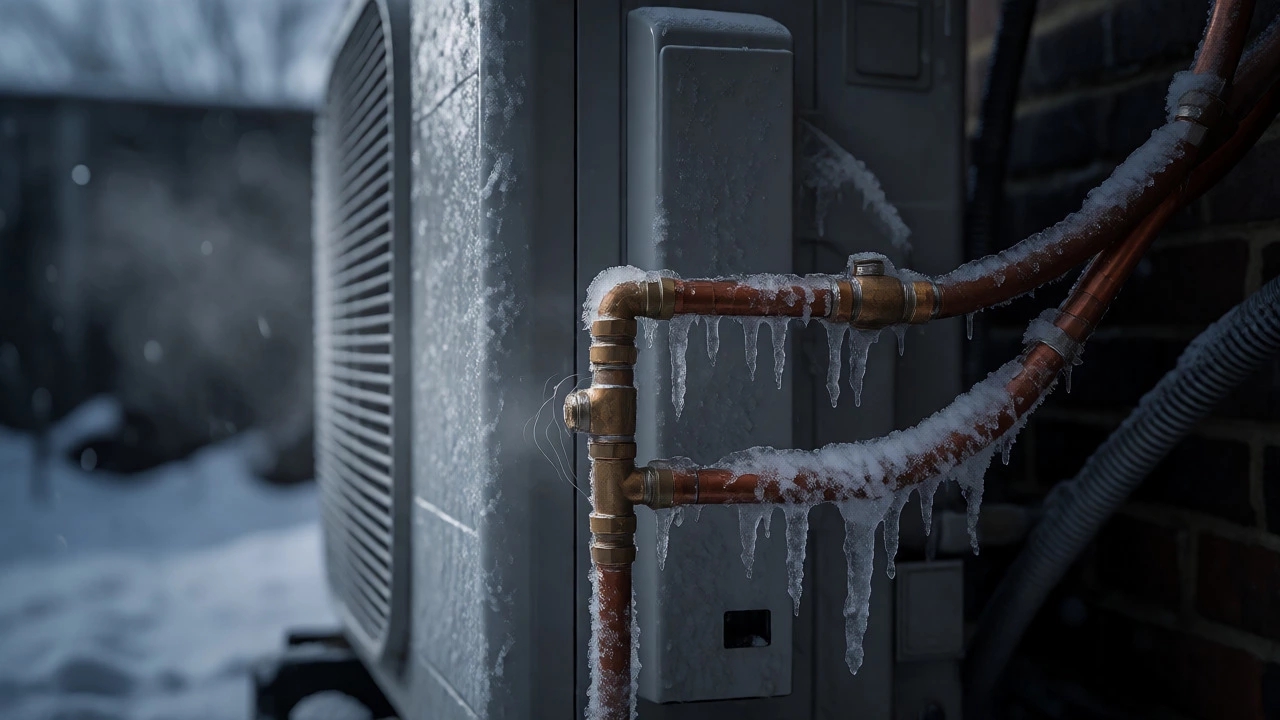
How do you know if you’re dealing with a refrigerant leak versus just a dirty filter? There are specific signs to watch for. If you see frost or ice accumulating on the copper lines running to the outdoor unit, that’s a major red flag. Healthy heat pumps should run cool enough to condense moisture, but not freeze solid. Another telltale sign is short-cycling. If your unit turns on, runs for two minutes, shuts off, and repeats this every ten minutes, it’s likely struggling to reach the target temperature because it lacks the capacity to absorb heat.
- Lukewarm Air: The air feels cooler than expected, even when set to "Heat."
- Ice Buildup: Visible frost on the indoor coil or outdoor unit pipes.
- Higher Energy Bills: A noticeable spike in electricity usage during mild weather.
- Weird Noises: Hissing or bubbling sounds near the indoor unit can indicate escaping gas.
Don’t ignore these signs. Running a heat pump with low refrigerant can cause the compressor to overheat. The compressor is the heart of the system, and replacing it costs between $600 and $2,000. Catching a leak early-when it’s just a $200 fix for recharging and sealing-saves you thousands.
The Defrost Cycle Misconception
Before you call a technician, rule out the normal operation quirks. Heat pumps enter a defrost cycle automatically when ice forms on the outdoor coil. During this mode, the reversing valve switches the flow, briefly cooling the house to melt the ice. You’ll hear a whooshing sound, and cold air might blow for 5-10 minutes. This is normal. However, if the unit stays in defrost mode for more than 15 minutes, or if it never exits defrost, that’s a control board or sensor issue, not necessarily a leak. But if the ice returns immediately after defrost completes, suspect low refrigerant again.
Many homeowners panic during defrost, thinking their system is broken. Check your thermostat. If it says "Defrost" or "Emergency Heat," let it run. If it’s stuck there, try resetting the breaker for 30 seconds. Sometimes the logic board needs a reboot. If the problem persists, then you move to professional diagnostics.

DIY Checks vs. Professional Repairs
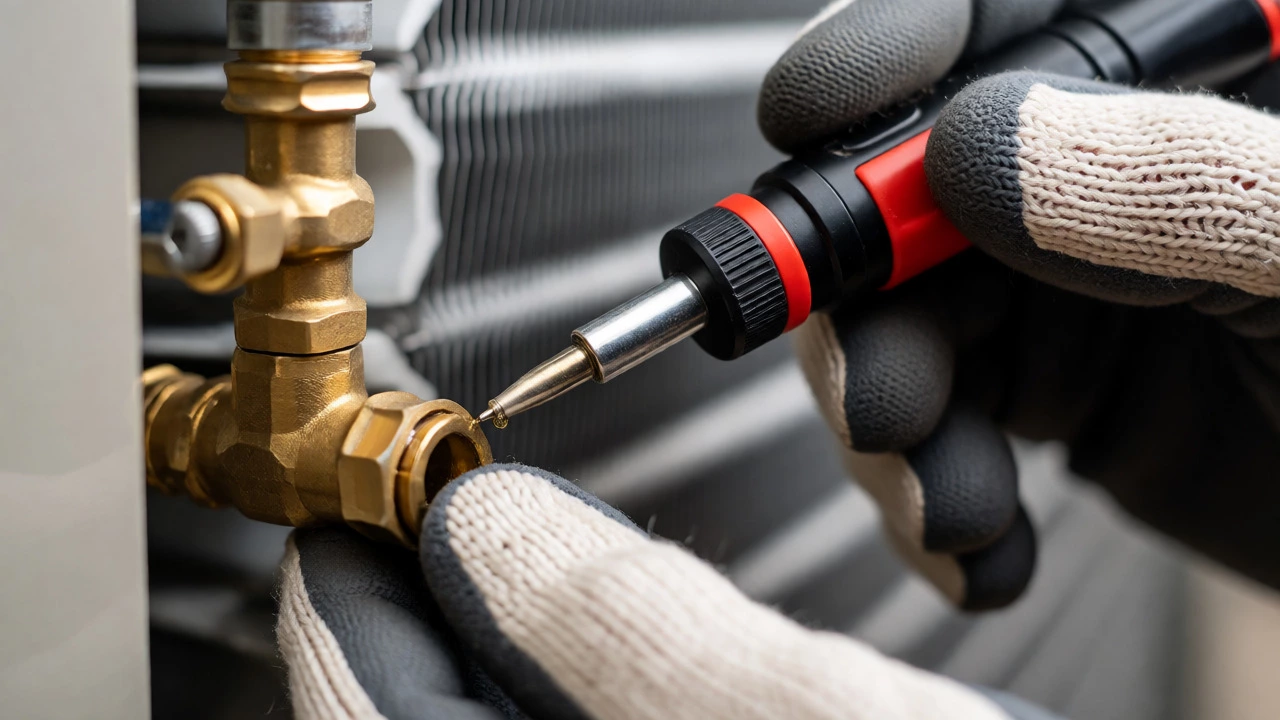
Can you fix a refrigerant leak yourself? Generally, no. Handling refrigerants requires EPA Section 608 certification in the US. Buying a can of "stop leak" additive from a hardware store might plug a tiny pinhole temporarily, but it often clogs expansion valves and orifices, creating bigger problems later. It’s a band-aid on a bullet wound.
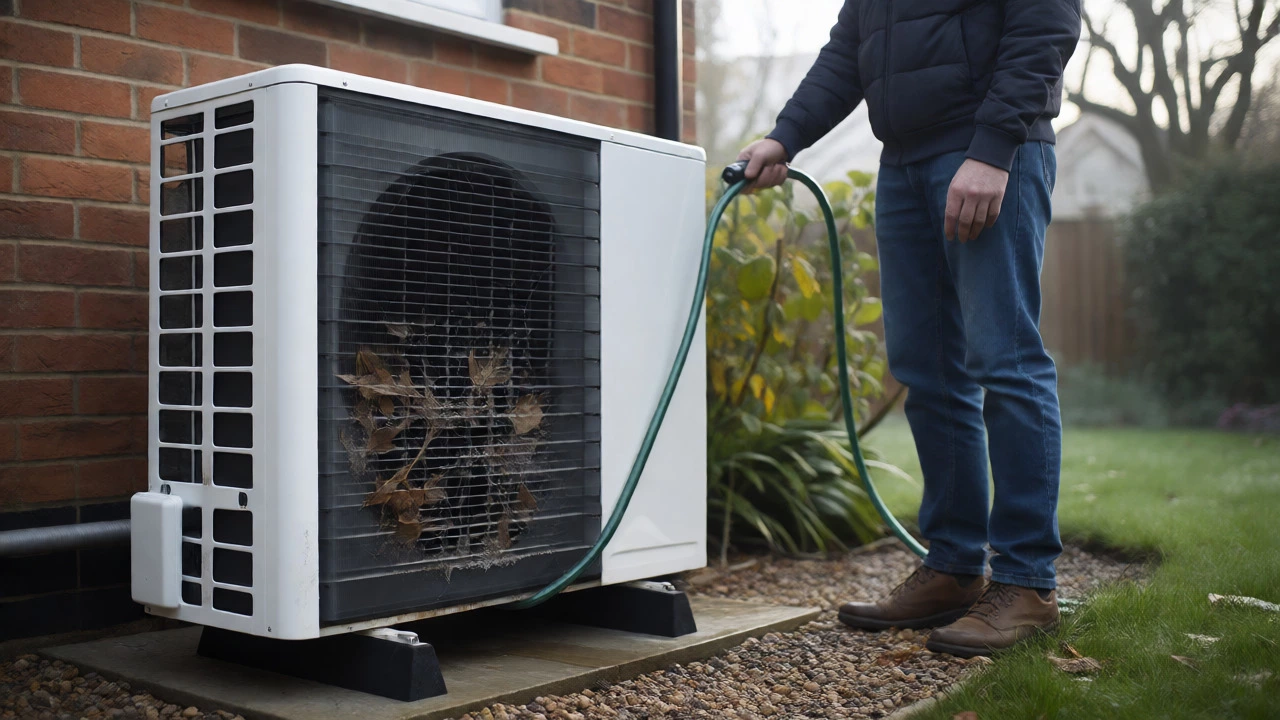
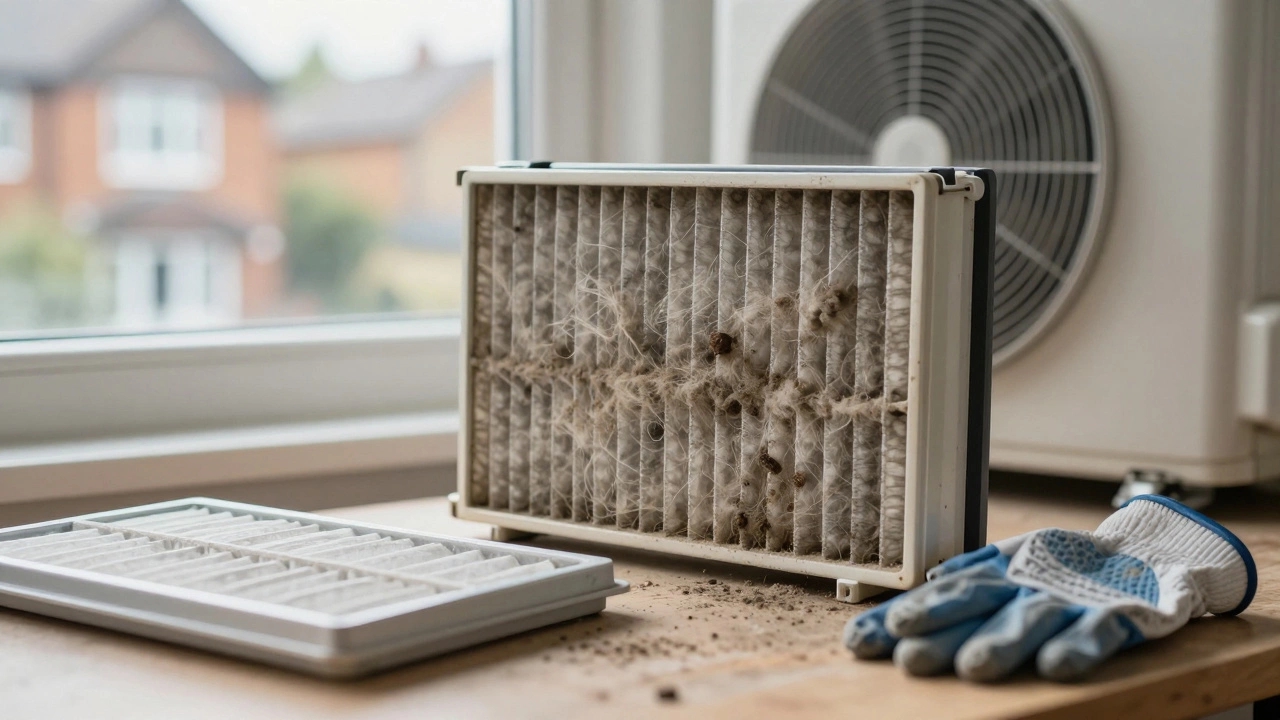
What can you do? First, check your air filters. A clogged filter restricts airflow, causing the coil to freeze, which mimics a refrigerant issue. Replace them monthly during heavy use. Second, clear debris from the outdoor unit. Leaves, grass clippings, and snow block airflow, forcing the system to work harder. Keep a 2-foot clearance around the unit. Third, listen. Does the fan motor run smoothly? If the outdoor fan is seized, the coil can’t exchange heat, leading to similar symptoms.
| Issue | Symptom | DIY Fix? | Estimated Cost |
|---|---|---|---|
| Clogged Filter | Weak airflow, freezing coil | Yes | $10-$20 |
| Refrigerant Leak | Lukewarm air, ice on lines, high bills | No | $200-$400 |
| Bad Capacitor | Fan hums but doesn't spin, hard start | Maybe (if skilled) | $50-$150 |
| Thermostat Error | Unit won't turn on/off correctly | Yes (replace/reset) | $50-$200 |
| Compressor Failure | Loud buzzing, no heat, tripped breaker | No | $600-$2,000+ |
Preventing the Next Breakdown
Prevention is cheaper than cure. Schedule a professional tune-up twice a year-once before heating season and once before cooling. Technicians will check refrigerant pressures, clean coils, and inspect electrical connections. They use electronic leak detectors to find micro-leaks you can’t see. Also, consider installing a smart thermostat. Models like the Nest or Ecobee can alert you to unusual runtime patterns, giving you early warning signs of inefficiency.
Remember, heat pumps are complex machines that bridge the gap between simple furnaces and intricate air conditioners. They require respect and regular care. By focusing on the most common culprit-refrigerant integrity-you protect your investment and ensure your home stays cozy through the coldest nights.
How much does it cost to fix a heat pump refrigerant leak?
Repairing a refrigerant leak typically costs between $200 and $400. This includes locating the leak, repairing the joint or component, evacuating the system, and recharging it with the correct amount of refrigerant. If the leak is severe and requires replacing a coil or line set, costs can rise to $500-$1,000.
Can I add refrigerant myself if my heat pump is low?
While DIY kits exist, adding refrigerant without fixing the leak is a temporary patch. More importantly, modern heat pumps require precise charging based on superheat and subcooling measurements. Overcharging or undercharging reduces efficiency and can damage the compressor. It’s highly recommended to hire a certified HVAC technician.
Why is my heat pump blowing cold air in winter?
This could be due to a few reasons: it’s in defrost mode (normal for 5-10 minutes), the refrigerant level is low, the reversing valve is stuck, or the outdoor unit is blocked by ice/debris. If it persists beyond defrost cycles, check your filters and call a pro.
Is it worth repairing an old heat pump?
If the repair cost is less than 50% of the price of a new unit and the system is under 10 years old, repair is usually worthwhile. For units over 15 years old, especially those using R-22 refrigerant, replacement is often more economical due to rising refrigerant costs and lower SEER ratings.
How long do heat pumps last?
With proper maintenance, a heat pump lasts 10 to 15 years. Coastal areas with salt air may see shorter lifespans (8-12 years) due to corrosion. Regular cleaning and annual inspections can extend this lifespan significantly.