
- 21 May 2026
- Gideon Thornton
- 0
That moment when you reach for the kettle or start dinner and realize your electric stove is a kitchen appliance that uses electricity to generate heat for cooking on a hob and baking in an oven isn’t working is stressful. You’re hungry, time is ticking, and calling a technician feels like a gamble with your wallet. The big question hanging over every homeowner’s head is simple: Is it actually worth fixing, or should you just buy a new one?
The short answer is yes, most electric stoves are highly repairable. In fact, replacing a faulty part often costs a fraction of buying a brand-new unit. However, not every breakdown is a quick swap-out job. Some issues signal the end of the road, while others are minor glitches you can handle yourself if you know what to look for. Understanding the difference between a cheap fix and a money pit is key to making the right decision.
Diagnosing the Problem Before You Call Anyone
Before you spend a penny on parts or labor, you need to figure out exactly what is broken. Electric stoves are complex machines with several distinct systems working together. If the whole thing is dead, the issue might be electrical. If only one burner works, the problem is likely localized. Taking ten minutes to diagnose the symptom can save you hours of confusion and unnecessary expenses.
- Total power loss: If nothing lights up, no display shows, and knobs don’t click, check your circuit breaker first. A tripped breaker is the most common cause of a "dead" stove. If the breaker is fine, the issue could be a blown thermal fuse or a failed control board.
- One burner not heating: This usually points to a failed heating element is the coiled wire component inside an electric stove that converts electrical energy into heat. These wear out over time due to high temperatures and physical stress.
- Oven won’t heat but lights work: The oven light draws very little power. If it’s on but the oven stays cold, your bake element is the heating coil located at the bottom of the oven cavity responsible for baking food or the broil element is the heating coil at the top of the oven used for browning and broiling has likely burned out.
- Inconsistent temperature: If the oven gets hot but then shuts off too early, or never reaches the set temp, your thermostat is a sensor that monitors internal oven temperature and signals the heating elements to turn on or off may be misreading the heat.
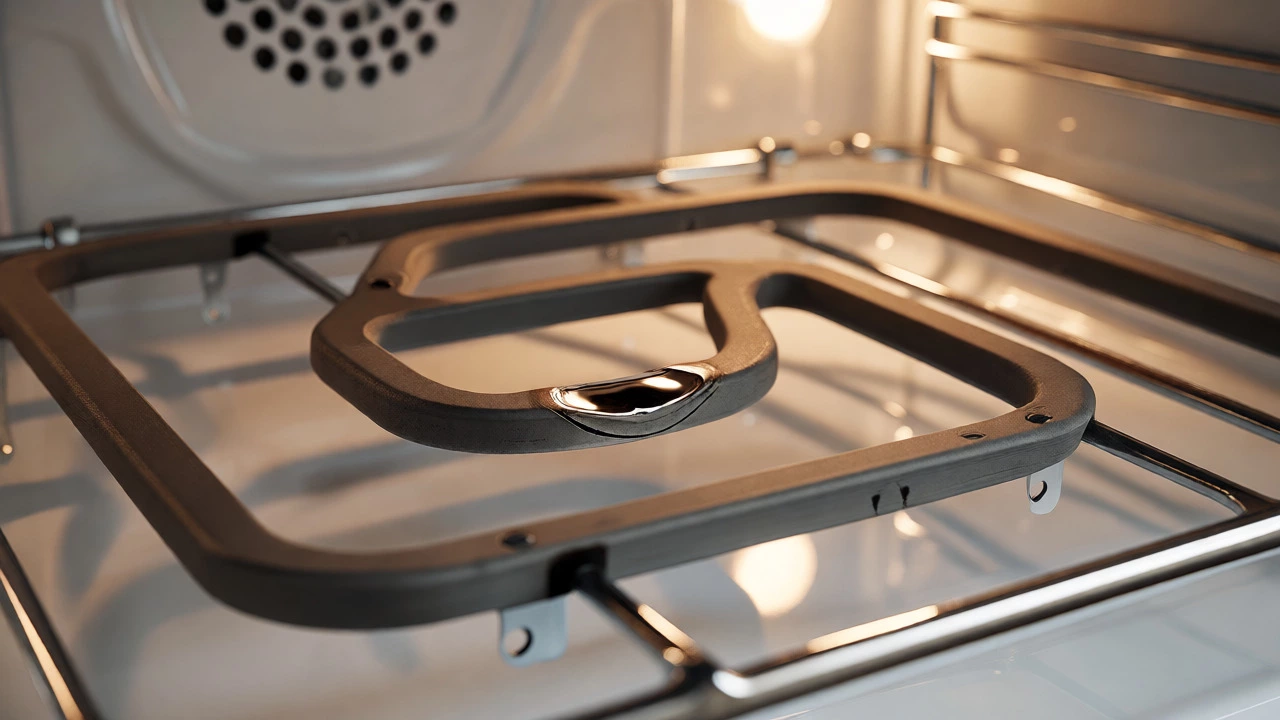
Visual inspection helps here too. Look at the coils on your hob. Do they have visible blisters, breaks, or discoloration? If you see a gap in the metal spiral, that element is toast. It cannot be repaired; it must be replaced. Similarly, check the oven interior. A bake element that looks like a crinkled piece of foil rather than a smooth coil is definitely faulty.
Common Repairs You Can DIY
If you are comfortable using a screwdriver and following instructions, many electric stove repairs are surprisingly straightforward. Manufacturers design these appliances with modularity in mind. Parts like heating elements, door switches, and even control panels are meant to be swapped out. The biggest hurdle is usually accessing the part, not installing it.
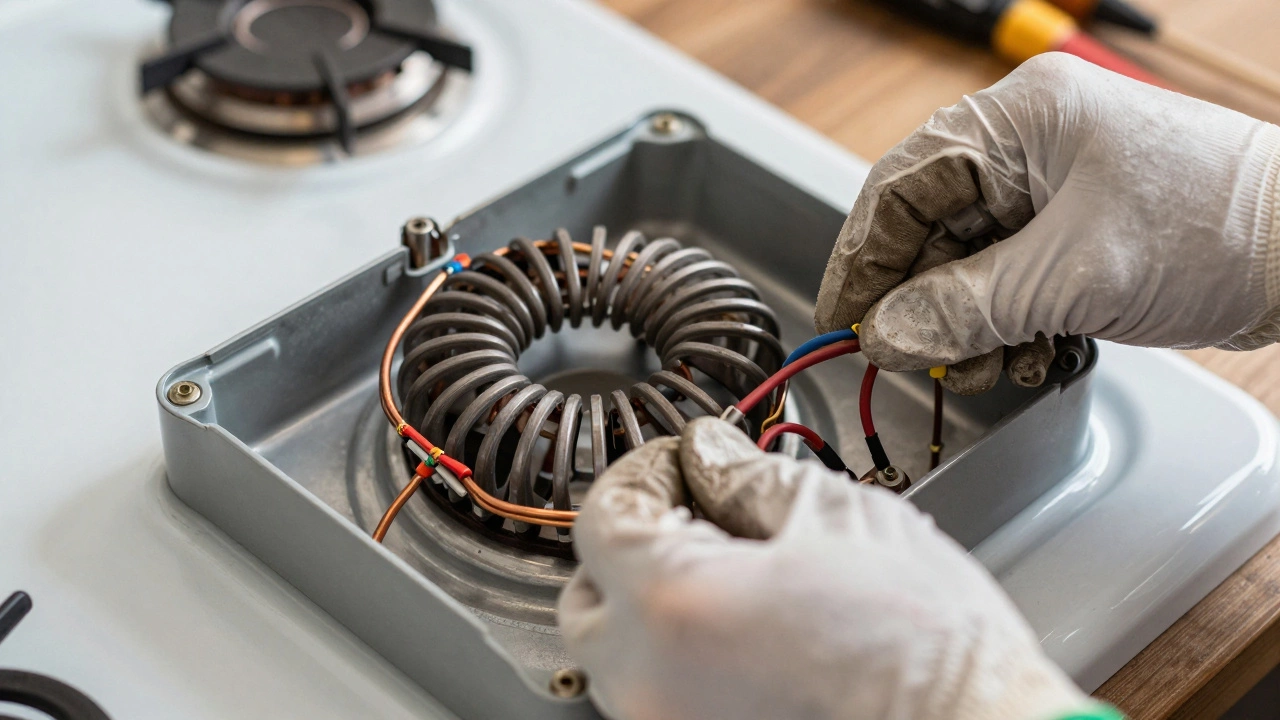
Replacing a surface heating element is one of the easiest fixes. On slide-in ranges, you often just lift the old element out, disconnect the wires, and drop the new one in. For built-in hobs, you might need to remove the glass panel, which requires care to avoid cracking. Always turn off the power at the main fuse box before touching anything. Electricity doesn’t forgive mistakes.
Another common DIY job is changing the oven door switch. If your oven won’t start because the door isn’t recognized as closed, this small plastic switch under the latch mechanism might be stuck or broken. It costs less than £10 and takes five minutes to replace. Just make sure you order the exact model number part. Universal parts rarely fit perfectly in modern appliances.
When to Call a Professional Technician
Not all repairs are safe for amateurs. If the issue involves the main power supply, the control board, or gas lines (if you have a dual fuel range), call a pro. Working with live mains voltage is dangerous. Even after unplugging, capacitors in the control board can hold a charge. A qualified electrician or appliance repair technician has the tools to test continuity and voltage safely.
Control boards are the brain of your electric stove. They manage everything from timer functions to heating cycles. When they fail, symptoms can be weird-random error codes, buttons that don’t respond, or the oven turning on by itself. Replacing a control board is technically possible for a handy person, but diagnosing why it failed is tricky. If you replace the board but miss the underlying cause (like a shorted wiring harness), the new board will burn out quickly. A technician can trace the fault back to its source.
In Bristol and across the UK, certified appliance repair services are widely available. Look for engineers registered with competent person schemes like NICEIC or OSHA-approved training. They carry genuine OEM (Original Equipment Manufacturer) parts, which ensures compatibility and longevity. While their hourly rate might seem high, their expertise prevents costly mistakes.
Repair vs. Replace: The Cost Analysis
This is the million-dollar question. Should you fix your current stove or invest in a new one? There is no one-size-fits-all answer, but there are clear guidelines. Generally, if the repair cost exceeds 50% of the price of a new equivalent appliance, replacement is the smarter financial move.
| Component/Issue | Average Repair Cost (Parts + Labor) | Lifespan Impact | Recommendation |
|---|---|---|---|
| Heating Element Replacement | £80 - £150 | High (extends life significantly) | Repair |
| Thermostat/Sensor | £100 - £200 | Medium | Repair if stove is < 7 years old |
| Control Board | £250 - £400 | Low (other parts may fail soon) | Replace if stove is > 10 years old |
| Door Hinge/Latch | £60 - £120 | Low | Repair |
| New Standard Electric Oven | £300 - £800 | N/A | Consider if multiple major failures occur |
Age matters too. An electric stove typically lasts 10-13 years. If yours is 12 years old and needs a new control board, spending £300 on a repair might not be wise. That money goes toward a new machine with a warranty and better energy efficiency. Modern ovens use up to 20% less electricity than models from a decade ago. Over three years, those savings can offset the initial purchase price.
However, if your stove is only four years old and a heating element blows, repairing it is a no-brainer. You still have seven or eight years of life left in the chassis, electronics, and insulation. Throwing away a functional appliance is wasteful and environmentally harmful.
Safety First: Electrical Hazards to Avoid
Electric stoves operate at high voltages. In the UK, standard household circuits run at 230V. Touching live wires can result in severe shock or electrocution. Never attempt any repair without confirming the power is cut at the consumer unit (fuse box). Use a multimeter to verify zero voltage at the terminal block behind the stove before removing panels.
Another hazard is heat retention. Even after turning off the stove, heating elements can remain hot enough to cause burns for several minutes. Allow sufficient cooling time before handling components. Also, watch out for sharp edges inside the oven cavity and around the mounting brackets. Gloves and safety glasses are recommended during disassembly.
If you smell burning plastic or see smoke, unplug the appliance immediately. This indicates an electrical short or melting insulation. Do not try to restart it. Call a professional. Continuing to use a smoking appliance risks fire damage to your home.
Maintenance Tips to Extend Lifespan
Prevention is cheaper than cure. Regular maintenance can add years to your electric stove’s life. Clean spills immediately. Sugary sauces and acidic foods can corrode the enamel coating on the hob and oven floor. Use non-abrasive cleaners to avoid scratching the surface. Scratches trap dirt and bacteria, leading to deeper cleaning challenges later.
Check the door seal regularly. The rubber gasket around the oven door keeps heat inside. If it’s cracked, torn, or loose, heat escapes. This forces the thermostat to work harder, increasing energy bills and wearing out the heating elements faster. Replace worn seals promptly. They are inexpensive and easy to install.
Avoid slamming the oven door. The hinges and latches are mechanical parts subject to wear. Gentle closing reduces stress on these components. Also, don’t overload the oven racks. Excessive weight can warp the racks and strain the motorized lift system in self-cleaning models.
Frequently Asked Questions About Electric Stove Repair
How much does it cost to repair an electric stove?
Costs vary widely depending on the issue. Simple fixes like replacing a heating element or door switch typically cost between £80 and £150 including labor. More complex repairs involving control boards or thermostats can range from £200 to £400. Always get a written quote before authorizing work.
Can I replace an electric stove heating element myself?
Yes, if you are comfortable with basic tools and follow safety protocols. Turn off power at the fuse box, remove the old element, disconnect the wires, and install the new one. Ensure the replacement matches the wattage and connector type of the original. It’s a common DIY task for many homeowners.
Why is my electric oven taking longer to preheat?
Slow preheating usually indicates a failing bake element or a malfunctioning thermostat. The element may not be reaching full temperature, or the thermostat is misreading the heat and cutting power too early. Check for visible damage to the element first. If it looks intact, the thermostat likely needs testing by a professional.
Is it worth repairing a 10-year-old electric stove?
It depends on the repair cost and the specific failure. If the issue is minor (like a broken knob or light bulb), repair it. If it’s a major component like the control board or main heating system, consider replacement. At 10 years, the appliance is near the end of its typical lifespan, and further failures are likely.
What causes an electric stove to spark?
Small sparks can occur when moisture or food debris bridges the connection points on a heating element. This is usually harmless but should be cleaned up. Large, persistent sparks indicate a serious electrical fault, such as a short circuit or damaged wiring. Stop using the stove and call a technician immediately.
Do electric stoves need regular servicing?
Unlike gas appliances, electric stoves do not require annual safety inspections for carbon monoxide leaks. However, periodic checks by a professional every 3-5 years can identify worn wires, loose connections, or failing components before they cause bigger problems. Routine cleaning is essential for daily operation.
How do I know if my oven thermostat is broken?
Signs include inconsistent baking results, the oven running continuously without shutting off, or significant temperature discrepancies compared to an independent oven thermometer. If you set the oven to 180°C and it reads 220°C on a separate meter, the thermostat is likely miscalibrated or faulty.