
- 6 Sep 2026
- Gideon Thornton
- 0
Heat Pump Efficiency Estimator
Enter the current outdoor temperature to see how it impacts your heat pump's performance and potential running costs.
Estimated Performance
Select a temperature and unit type to view results.
You wake up on a freezing January morning in Bristol. The thermostat says the house is 14°C, but you want it at 20°C. You check your heat pump, and it’s humming along, but the room isn’t getting warmer fast enough. Why? Is it broken? Or has the outside air just become too cold for your system to handle efficiently?
This is one of the most common questions homeowners ask when winter bites. The short answer is that heat pumps don't suddenly stop working at a specific number like a light switch turning off. Instead, their efficiency drops gradually as temperatures fall. But there are critical thresholds where performance plummets, costs spike, or the unit simply gives up. Understanding these limits helps you know when to call for heat pump repair versus when you’re just fighting physics.
The Physics of Cold: How Heat Pumps Steal Warmth
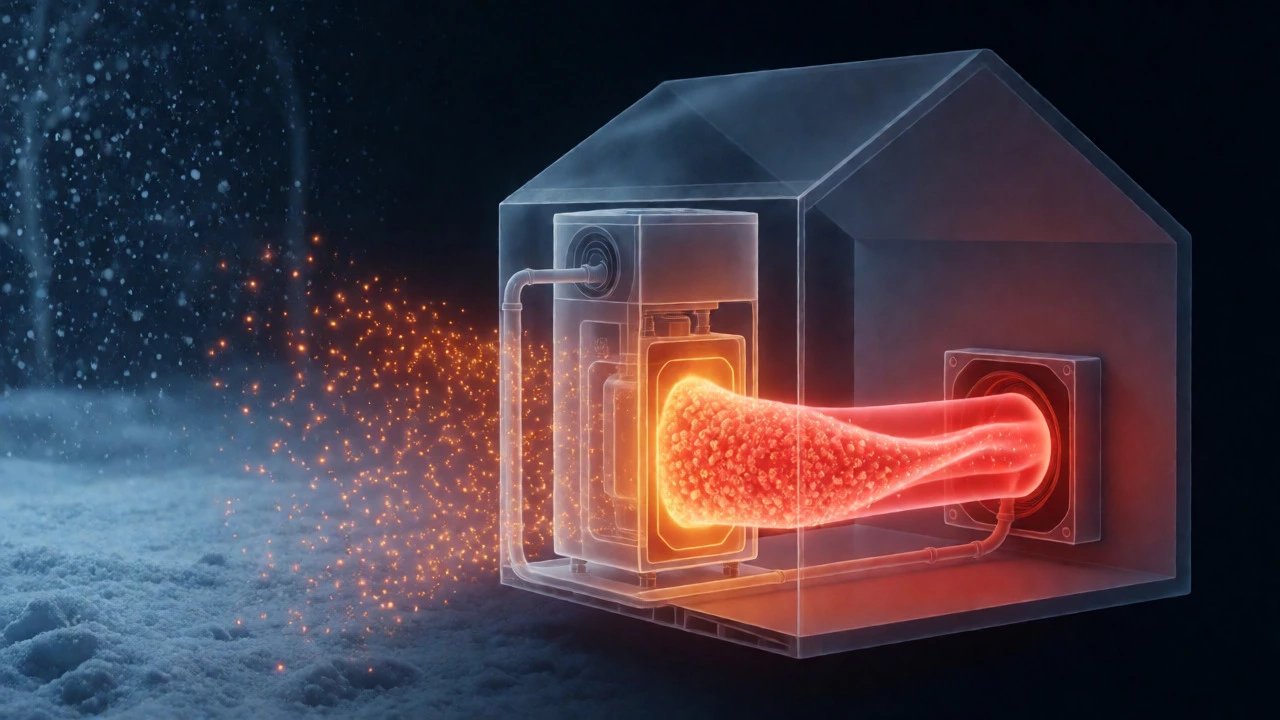
To understand efficiency limits, you have to grasp how a heat pump works. Unlike a gas boiler that burns fuel to create heat, a heat pump moves existing heat from outside into your home. Think of it like a fridge running in reverse. Even when it feels bitterly cold outside, the air still contains thermal energy. A heat pump uses electricity to power a compressor and refrigerant cycle to extract this low-grade heat and upgrade it to a higher temperature suitable for radiators or underfloor heating.
The measure of this efficiency is called the Coefficient of Performance (COP). If your heat pump has a COP of 3.0, it delivers three units of heat energy for every one unit of electricity consumed. As the outdoor temperature drops, two things happen:
- The temperature gap widens: The difference between the cold outside air and the warm indoor target increases. The compressor has to work harder to bridge this gap.
- Air density changes: Colder air is denser, which can strain fans and coils, though modern designs mitigate this well.
Most standard air-source heat pumps start losing significant efficiency once outdoor temperatures drop below -5°C to -7°C. Below this point, the COP often falls below 2.0, meaning you’re paying nearly twice as much per kilowatt-hour of heat compared to milder days.
Critical Temperature Thresholds Explained
Not all heat pumps are created equal. Your experience with cold weather depends heavily on the technology inside your unit. Here is a breakdown of typical performance bands based on current market standards in the UK and Europe.
| Outdoor Temp (°C) | Standard Unit COP | Cold Climate Unit COP | Operational Status |
|---|---|---|---|
| +7°C | 3.5 - 4.0 | 4.0 - 4.5 | Peak Efficiency |
| 0°C | 2.8 - 3.2 | 3.2 - 3.6 | Good Efficiency |
| -5°C | 2.0 - 2.5 | 2.5 - 3.0 | Efficiency Drop Begins |
| -10°C | 1.5 - 1.8 | 2.0 - 2.3 | Marginal Efficiency |
| -15°C | 1.0 - 1.2 | 1.5 - 1.8 | Backup Heater Active |
| -20°C | < 1.0 | 1.0 - 1.2 | Inefficient / Locked Out |
Notice the sharp decline after -10°C. This is where many older or budget-friendly models struggle. They might still run, but they aren't saving you money anymore. In fact, if the electric resistance backup heater kicks in fully, your running costs can rival those of direct electric heating panels.
Why Your Heat Pump Might Fail Before It Should
If your unit stops producing heat effectively at +2°C or +3°C, something is wrong. That’s not a physics limit; that’s a maintenance issue. Several factors can artificially lower your effective operating temperature range.
Refrigerant Levels: Low refrigerant charge is a classic culprit. Without enough fluid to absorb heat, the evaporator coil freezes over rapidly, even in mild frost. This triggers defrost cycles constantly, stealing energy and reducing output. If you see ice buildup that doesn’t melt during normal operation, call a technician immediately.
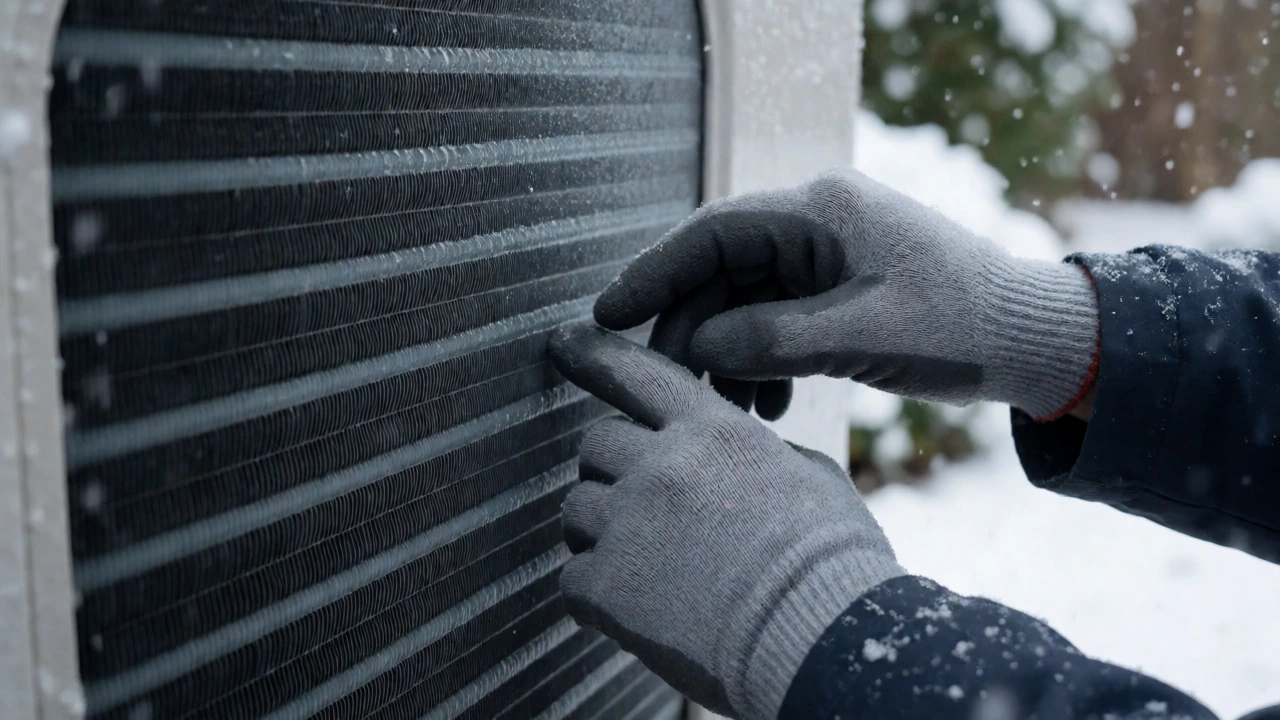
Dirty Coils and Filters: Airflow is king. If your outdoor unit’s fins are clogged with pollen, dust, or leaves, the heat exchanger can’t absorb warmth efficiently. Similarly, blocked indoor filters restrict airflow across the condenser coil, causing high-pressure cut-offs. Regular cleaning prevents these artificial efficiency losses.
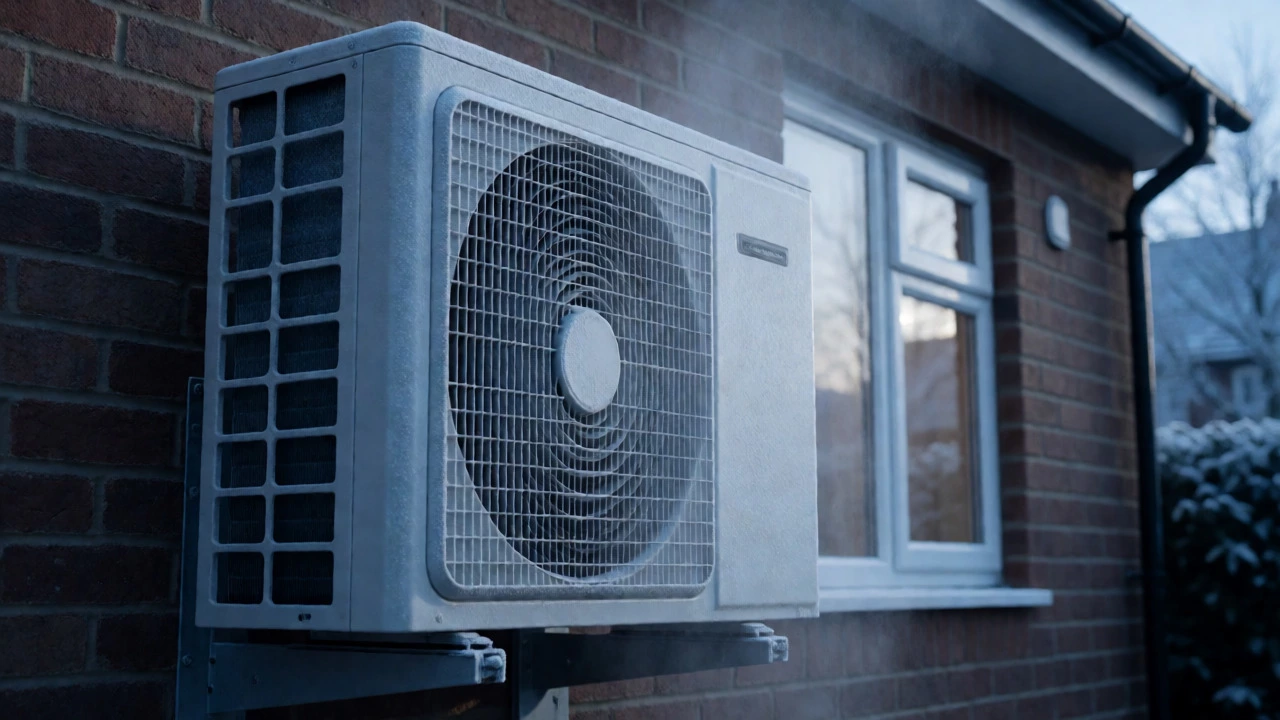
Defrost Cycle Issues: All air-source heat pumps produce frost on the outdoor coil when humidity is high and temps are near freezing. The system periodically reverses flow to melt this ice. If sensors fail or control boards glitch, the unit might get stuck in defrost mode or freeze solid. This looks like a failure, but it’s often a simple sensor replacement away from being fixed.
Cold Climate vs. Standard Models: Know Your Hardware
Manufacturers now offer "cold climate" or "extreme environment" models designed specifically for regions with harsh winters. These units use enhanced vapor injection (EVI) compressors and larger heat exchangers. While a standard model might lock out at -15°C, a cold-climate variant can maintain useful heating capacity down to -25°C or even -30°C.
However, buying a cold-climate unit isn't always necessary. In the UK, average winter lows rarely dip below -5°C for extended periods. For most homes in Bristol or London, a high-quality standard inverter-driven unit is sufficient. Investing in extreme-cold specs adds upfront cost that may never pay back if you live in a mild coastal area.
Check your manual. Look for the "minimum operating temperature." If it’s listed as -7°C, don’t expect magic at -15°C. Expect the auxiliary electric heaters to take over, which spikes your electricity bill.
The Role of Backup Heaters and Hybrid Systems
When the heat pump alone can’t meet demand, backup systems engage. Most air-source heat pumps come with built-in electric resistance elements (often called booster heaters). These are 100% efficient in converting electricity to heat (COP 1.0), but they lack the multiplier effect of the heat pump cycle.
Hybrid systems combine a heat pump with a gas boiler. When temperatures plummet, the boiler takes over because gas remains relatively cheap compared to electricity in many markets, or because the boiler can deliver higher flow temperatures needed for older radiators. If you notice your gas boiler firing frequently during cold snaps while the heat pump idles, your system is likely configured correctly for hybrid operation.
If you rely solely on electric backup, monitor your meter closely. Running a 9kW electric element continuously costs significantly more than running a heat pump at partial load. This economic crossover is why knowing your temperature limits matters for your wallet, not just your comfort.
Troubleshooting Poor Performance in Mild Weather
If your heat pump seems inefficient when it shouldn’t be-say, at +5°C-run through this checklist before booking a service call:
- Check Thermostat Settings: Ensure you aren’t demanding a rapid temperature rise. Heat pumps prefer steady, gradual heating. Cranking the thermostat up 5 degrees quickly will trigger backup heaters unnecessarily.
- Inspect Outdoor Clearance: Make sure snow hasn’t piled against the unit. Keep at least 30cm of clearance around all sides for proper airflow.
- Listen for Unusual Noises: Grinding or rattling suggests fan motor issues or loose components, which reduce efficiency.
- Review Energy Bills: Compare current usage to previous years at similar temperatures. A sudden jump indicates a fault.
Remember, heat pumps work best with underfloor heating or oversized radiators that operate at low flow temperatures (35-45°C). If your system was retrofitted onto old high-temp radiators, it will struggle earlier in the season because it has to push water hotter than it’s designed for optimal efficiency.
When to Call a Professional
Don’t try to fix refrigerant leaks or electrical faults yourself. High-voltage components and pressurized gas lines require certified technicians. Contact a specialist if:
- The unit displays error codes related to pressure sensors or inverters.
- Ice forms thickly on the outdoor coil and persists for hours.
- The compressor runs but no heat is delivered indoors.
- Your energy consumption doubles without a change in weather patterns.
Regular servicing extends the life of your unit and ensures it operates at its rated efficiency. Neglect leads to dirty coils and worn parts, lowering the effective temperature threshold long before the hardware actually fails.
At what temperature do heat pumps stop working completely?
Most standard air-source heat pumps can physically operate down to -15°C or -20°C, but their efficiency drops so low that they become uneconomical. Many units have a "lock-out" temperature, typically around -10°C to -15°C, where the compressor shuts off entirely to protect itself, relying solely on backup electric heaters or a secondary boiler.
Does a heat pump work better in dry cold or wet cold?
Dry cold is generally better for heat pump efficiency. Wet conditions (rain, fog, high humidity) cause more frequent frost buildup on the outdoor coil, forcing the system to enter defrost cycles. Defrosting consumes energy and temporarily stops heating delivery, reducing overall seasonal efficiency.
How much does heat pump efficiency drop at -5°C?
For a standard model, efficiency (COP) typically drops from around 3.5 at +7°C to approximately 2.0-2.5 at -5°C. This means you are using roughly 40-50% more electricity to generate the same amount of heat compared to mild weather. Cold-climate models perform better, maintaining a COP closer to 3.0 at this temperature.
Should I turn off my heat pump in winter?
No, do not turn it off unless you are going away for an extended period. Heat pumps are most efficient when maintaining a constant temperature. Turning them off causes the building fabric to cool down, requiring a massive energy surge to reheat, which often triggers inefficient backup heaters.
Can I improve my heat pump's cold weather performance?
Yes. Ensure your radiators are large enough to handle low-flow temperatures (under 45°C). Clean the outdoor unit regularly to remove debris. Check insulation levels in your home to reduce heat loss. Finally, ensure your installer has set the correct heating curve so the system doesn't overshoot the required temperature.