- 4 Oct 2026
- Gideon Thornton
- 0
Extractor Fan Health & Maintenance Checker
Select your fan type and usage habits to get a personalized cleaning schedule, or check specific symptoms for immediate troubleshooting advice.
Recommended Action:
Click on any symptom you are experiencing:
Diagnosis:
You turn on the light switch, and that familiar hum kicks in. It’s not loud, but it’s there. You might think, "It’s working, so I don’t need to worry about it." But here’s the uncomfortable truth: most people only pay attention to their extractor fans when they stop working completely or start making a sound like a dying lawnmower.
Ignoring them doesn’t just mean bad smells linger in your kitchen or mold creeps into your bathroom corners. It means you’re running an appliance inefficiently, potentially shortening its lifespan, and wasting electricity. So, do extractor fans actually need professional servicing? The short answer is yes, but maybe not as often as you’d service your boiler. Let’s break down what needs checking, how often, and when you can handle it yourself versus when you should call a pro.
The Hidden Cost of Neglecting Your Extractor Fan
An extractor fan is essentially a motor-driven impeller designed to move air from inside your home to the outside. Unlike a fridge or oven, it doesn’t have complex electronics or heating elements that fail frequently. However, it does have one major enemy: dust and grease.
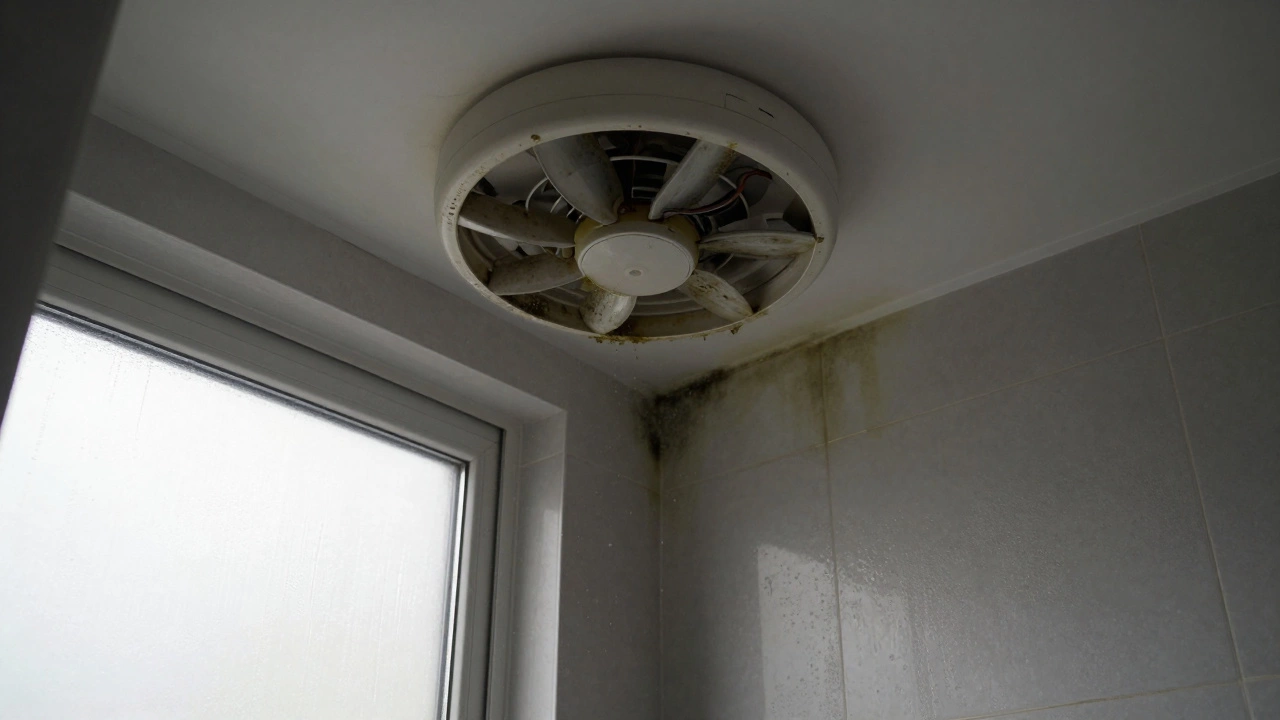
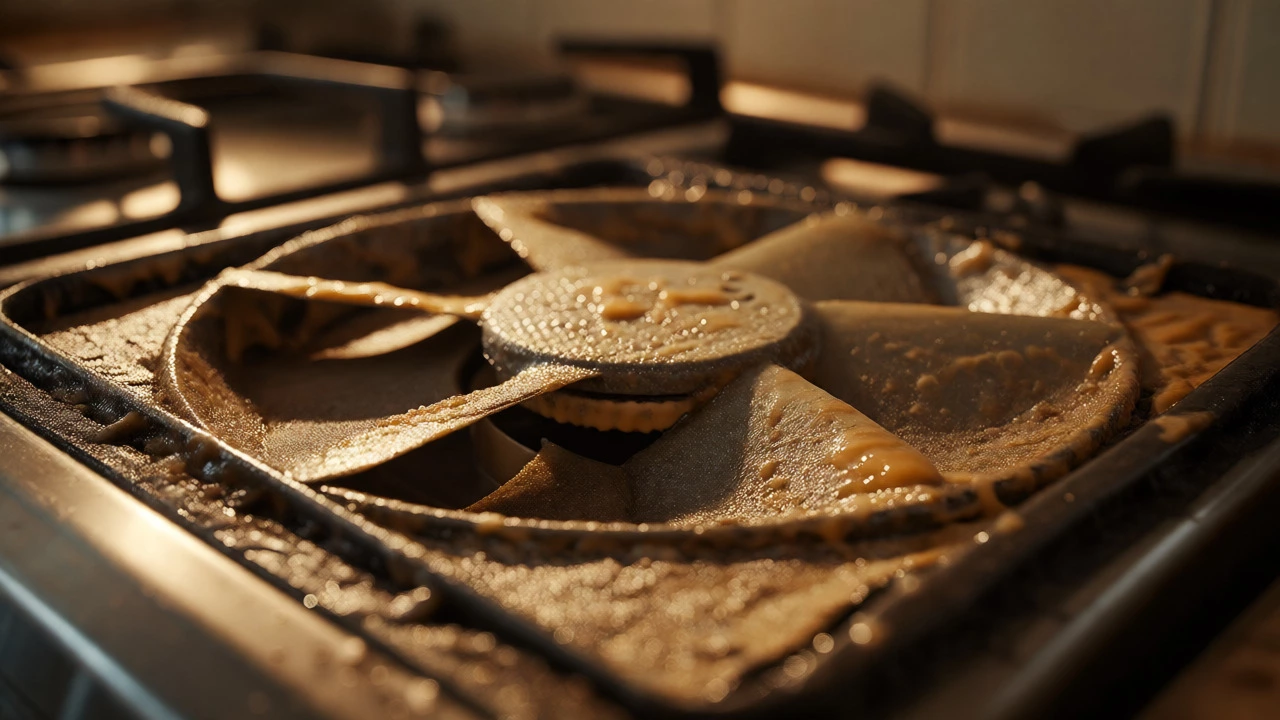
In kitchens, airborne fat particles stick to the blades and filters. In bathrooms, moisture combines with hair and skin cells to create a sticky residue. Over time, this buildup weighs down the motor. Think of it like trying to run while wearing a heavy backpack. The motor has to work harder to spin the same blades. This extra strain leads to overheating, louder noises, and eventually, motor burnout.
Replacing a burnt-out motor often costs more than the original fan unit itself. Regular cleaning prevents this gradual decline. If you notice your fan struggling to clear steam after a shower or failing to remove cooking odors quickly, it’s already crying for help.
How Often Should You Service Your Extractor Fan?
There isn’t a single rule for every home. Your usage habits dictate the schedule. A family of five cooking daily meals will clog a kitchen filter much faster than a single person who orders takeout twice a week.
Here is a realistic maintenance schedule based on typical UK household usage:
- Kitchen Extractors (Hob-mounted): Clean metal filters monthly. Deep clean the internal mechanism every 6-12 months.
- Bathroom Ceiling Fans: Check and vacuum vents every 3-6 months. Full disassembly once a year.
- Inline Duct Fans: These are tucked away in lofts or cupboards. Inspect annually for blockages or loose ducting.
- Window Fans: Wipe external grilles quarterly to prevent bird nests or debris blocking airflow.
If you live in a high-humidity area or use your kitchen heavily, lean toward the shorter end of these intervals. Dust accumulates faster in homes near busy roads or construction sites too.
DIY Maintenance vs. Professional Servicing
Can you do this yourself? Absolutely. For 90% of homeowners, basic maintenance is a simple weekend task. You don’t need special tools-just a screwdriver, mild detergent, and a soft brush.
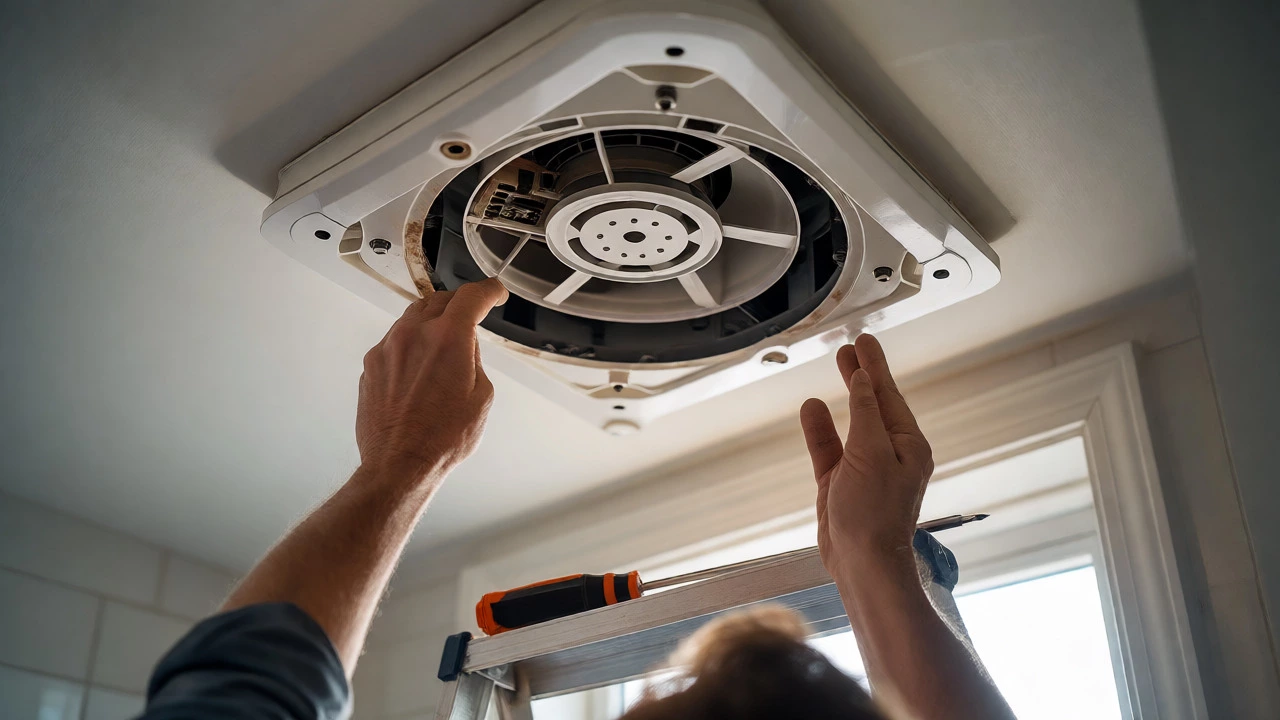
Start by switching off the power at the fuse box. Never rely solely on the wall switch; safety first. Remove the cover plate and gently lift out the filters. Soak metal mesh filters in hot soapy water with a degreaser. Use a toothbrush to scrub away stubborn grease. While the filters soak, vacuum the visible parts of the impeller and housing. Don’t spray water directly into the motor unit.
But when does DIY hit a wall? If your fan requires dismantling the entire ceiling fixture to access the motor, or if the ducting runs through difficult-to-reach loft spaces, you might want professional help. Also, if the fan makes grinding noises even after cleaning, the bearings may be worn. Replacing bearings is a job for a technician, not a novice.
Signs Your Extractor Fan Needs Immediate Attention
Sometimes, cleaning isn’t enough. Certain symptoms point to mechanical failure or installation issues. Ignoring these signs can lead to complete breakdowns or property damage like damp walls.
| Symptom | Likely Cause | Action Required |
|---|---|---|
| Loud rattling or grinding noise | Worn bearings or loose fan blade | Professional repair or replacement |
| Fan runs but no air moves | Blocked ductwork or disconnected pipe | Check duct connections; clear blockages |
| Motor gets very hot | Dust overload or electrical fault | Clean thoroughly; check wiring |
| Intermittent operation | Faulty switch or capacitor | Electrical diagnosis needed |
| Condensation remains on mirrors | Insufficient extraction rate | Upgrade to higher CFM fan |
Notice the last row? Sometimes the issue isn’t maintenance-it’s sizing. A small fan in a large open-plan kitchen simply can’t keep up. No amount of cleaning fixes physics. If your fan is clean and functional but still fails to extract air effectively, you might need a larger model rather than a service.
The Impact of Poor Extraction on Home Health
We often think of extractor fans as convenience items. They aren’t. They are critical components of your home’s ventilation strategy. Building regulations in the UK require specific air change rates for bathrooms and kitchens to prevent condensation buildup.
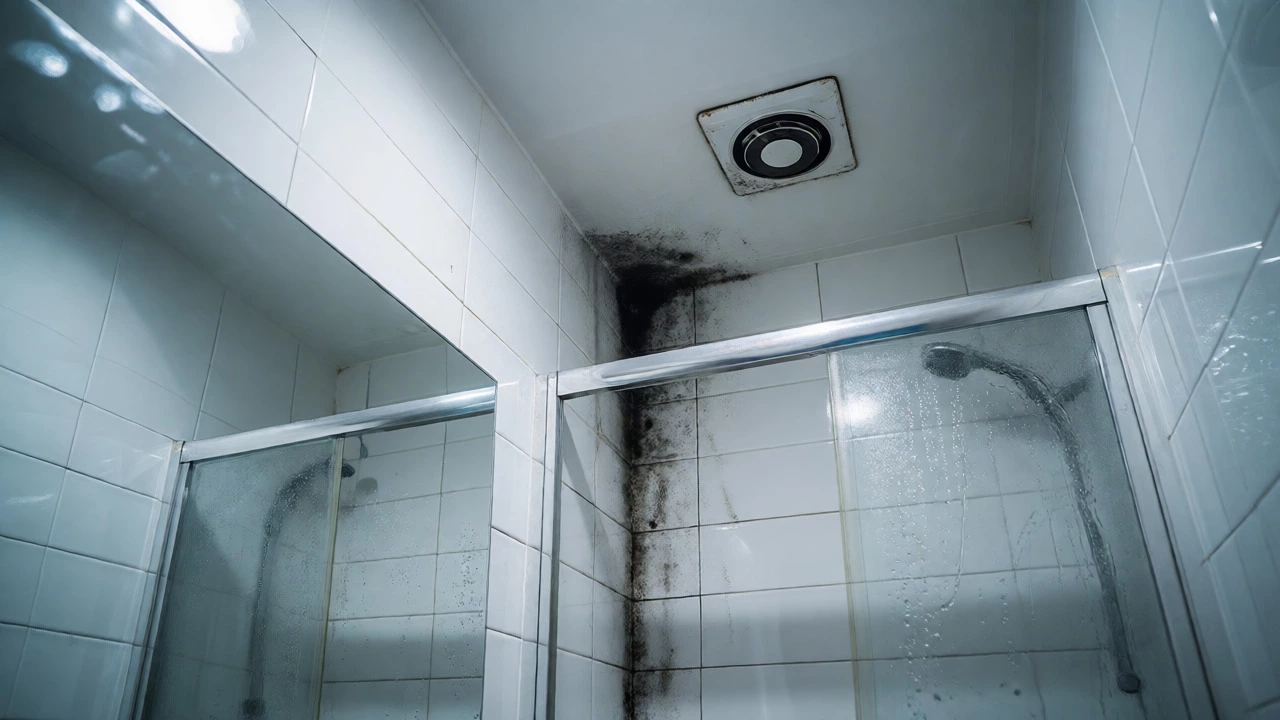
When extraction fails, moisture stays trapped. This creates the perfect environment for black mold spores, particularly around window frames and tile grouts. Mold isn’t just ugly; it triggers allergies and respiratory issues. For households with asthmatics or young children, a faulty extractor fan is a health hazard, not just an annoyance.
Furthermore, poor ventilation concentrates volatile organic compounds (VOCs) from cooking oils and cleaning products. Regular servicing ensures your home breathes properly, keeping indoor air quality safe and comfortable.
Choosing Between Repair and Replacement
So, your fan is acting up. Do you fix it or buy a new one? This decision depends on age, type, and cost.
Inline fans (the cylindrical units in lofts) are generally easier and cheaper to repair because motors are replaceable units. Wall-mounted or ceiling-mounted axial fans are often integrated designs where the motor and casing are sealed together. If the motor dies in these cheap plastic units, buying a new fan is usually more cost-effective than labor-intensive repairs.
Consider the energy efficiency rating too. Older fans consume more power and generate more noise. Modern DC motor fans are quieter and use significantly less electricity. If your current fan is over 10 years old, replacing it might save money on energy bills within a few years.
Pro Tips for Long-Term Performance
To keep your extractor fan running smoothly between services, adopt these habits:
- Run it longer: Leave the fan on for 15-20 minutes after cooking or showering. This clears residual moisture and odors.
- Keep filters accessible: Don’t install fans behind cabinets without clearance. If you can’t reach the filter easily, you won’t clean it regularly.
- Check the exterior vent: Once a year, go outside and ensure the flap opens freely. Birds love nesting in unused vents, which blocks airflow completely.
- Avoid harsh chemicals: When cleaning filters, skip abrasive scourers. They scratch metal coatings, making future grease buildup worse.
Treating your extractor fan as part of your regular home hygiene routine saves headaches later. It’s a low-effort, high-reward maintenance task.
How long do extractor fans last?
Most standard extractor fans last between 8 and 10 years. High-quality inline fans with replaceable motors can last 15+ years with proper maintenance. Factors like humidity levels, frequency of use, and dust exposure significantly impact lifespan.
Can I use my dishwasher to clean extractor fan filters?
Yes, metal mesh filters from hob-mounted extractors are often dishwasher safe. Place them on the top rack and use a hot cycle with detergent. Always check the manufacturer's instructions first, as some aluminum filters can discolor or degrade in dishwashers.
Why is my extractor fan noisy after cleaning?
If noise persists after cleaning, the fan blades might be unbalanced due to warping or dirt accumulation on the motor shaft. Alternatively, the mounting screws may have loosened during reassembly. Tighten all fasteners and ensure the fan housing is securely attached to the ceiling or wall.
Do bathroom extractor fans need different maintenance than kitchen ones?
Yes. Bathroom fans primarily deal with moisture and hair, requiring frequent removal of lint-like buildup from the grille. Kitchen fans deal with grease, which requires degreasers and soaking. Bathroom fans also benefit from anti-mold treatments during cleaning, whereas kitchen fans focus on oil removal.
Is it worth repairing an old extractor fan?
It depends on the type. Inline fans are worth repairing because motors are modular. Integrated ceiling fans are rarely worth repairing if the motor fails, as replacement units are inexpensive and offer better energy efficiency. If the fan is under warranty, always claim the repair first.