- 6 Apr 2026
- Gideon Thornton
- 0
Electric Stove: Repair or Replace Calculator
Critical Warning Signs
Our Recommendation:
The Quick Breakdown: Expected Lifespans
Not all electric stoves are built the same. If you've got a basic coil-top model, you're looking at a different timeline than someone with a sleek induction setup. Generally, the more complex the electronics, the more points of failure there are. However, the core heating components in simpler stoves are incredibly durable.
| Stove Type | Average Lifespan | Common Failure Point |
|---|---|---|
| Electric Coil | 15-20 Years | Burner Elements |
| Smooth Top (Radiant) | 10-15 Years | Glass Surface Cracks |
| Induction | 12-15 Years | Control Boards |
What Actually Kills an Electric Stove?
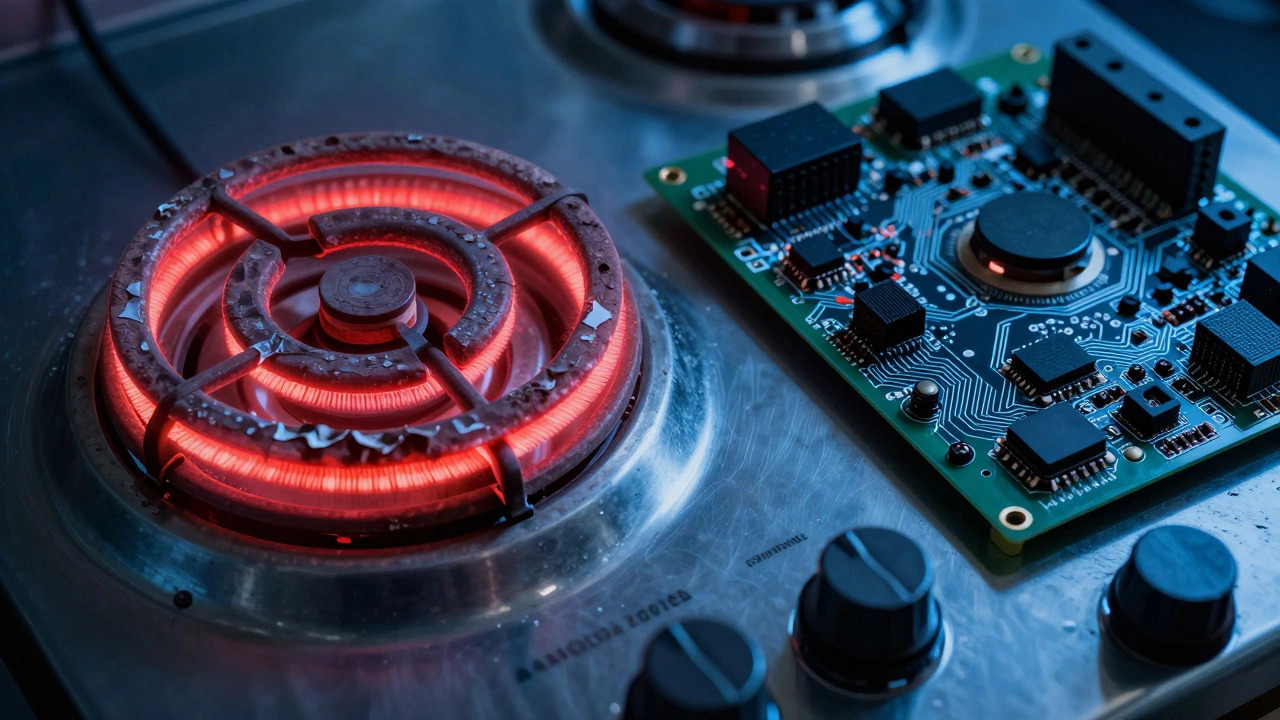
Your stove doesn't usually die all at once. It's more of a slow decline where parts start failing. The most common culprit is the Heating Element, which is the metal coil or radiant loop that gets hot. Over time, the internal wire thins out due to heat stress until it finally snaps. If you notice one burner taking longer to heat up than the others, that's a red flag.
Then there are the Control Boards. These are the brains of the operation. Unlike a simple switch, modern stoves use microprocessors to manage temperature. These boards are sensitive to power surges and moisture. If your display starts flickering or buttons stop responding, you're likely dealing with a board failure, which is often the most expensive part to replace.
Don't forget about the oven's Thermostat. This is the sensor that tells the stove when it has reached the desired temperature. When it fails, you either get a cold oven or one that burns everything to a crisp. Because it's a mechanical part subject to extreme heat, it's only a matter of time before it drifts out of calibration.
Signs It's Time to Stop Repairing and Start Shopping
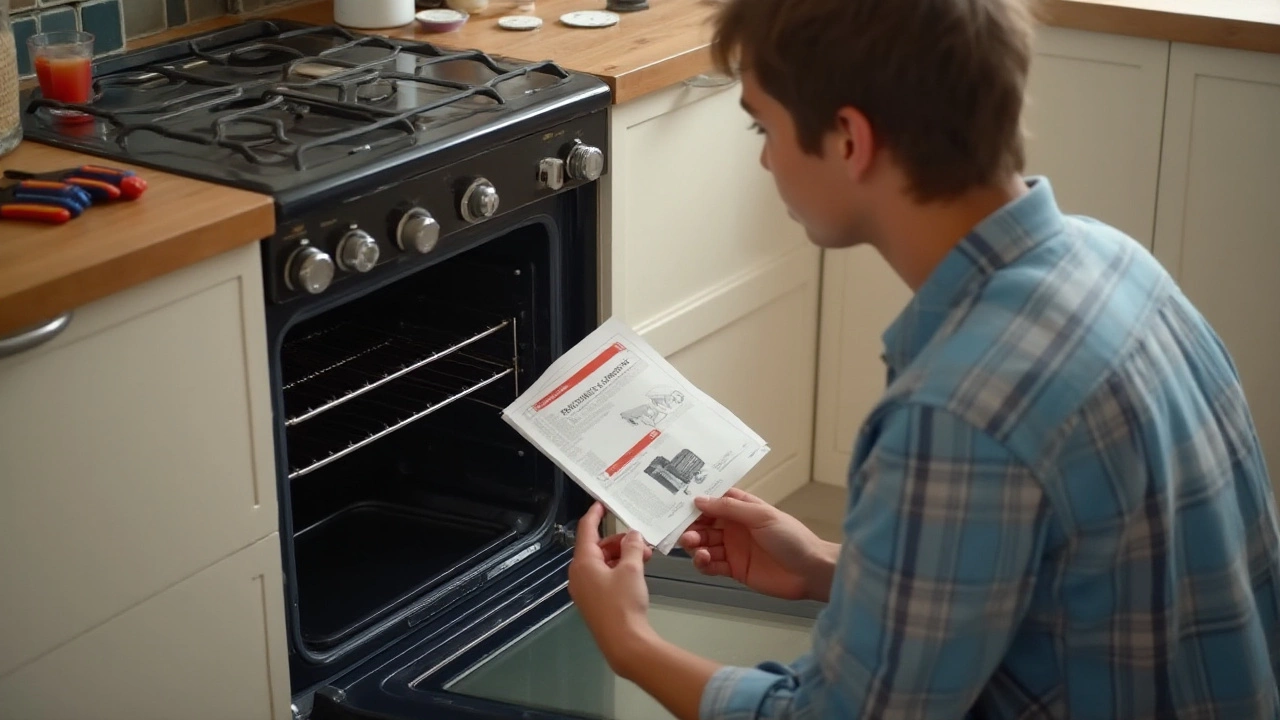
The big question is always: "Is it worth fixing?" A good rule of thumb is the 50% rule. If the repair cost is more than half the price of a new stove, and your unit is more than 8 years old, it's usually time to move on. But there are a few specific warning signs that mean a new electric stove lifespan cycle is needed immediately.
- Uneven Heating: If your oven has massive cold spots despite the element working, the insulation or the heating distribution may have failed fundamentally.
- Frequent Element Burnouts: If you're replacing a coil every six months, you might have a wiring issue or a voltage problem in your home that's stressing the appliance.
- The "Smell" of Failure: A persistent smell of burning plastic or ozone coming from the control panel usually indicates a failing capacitor or melting wire. This is a fire hazard and not a "wait and see" situation.
- Outdated Efficiency: If you're still using a model from 2005, a new unit will likely save you a significant amount on your monthly electricity bill due to better insulation and induction technology.
How to Stretch Your Stove's Life
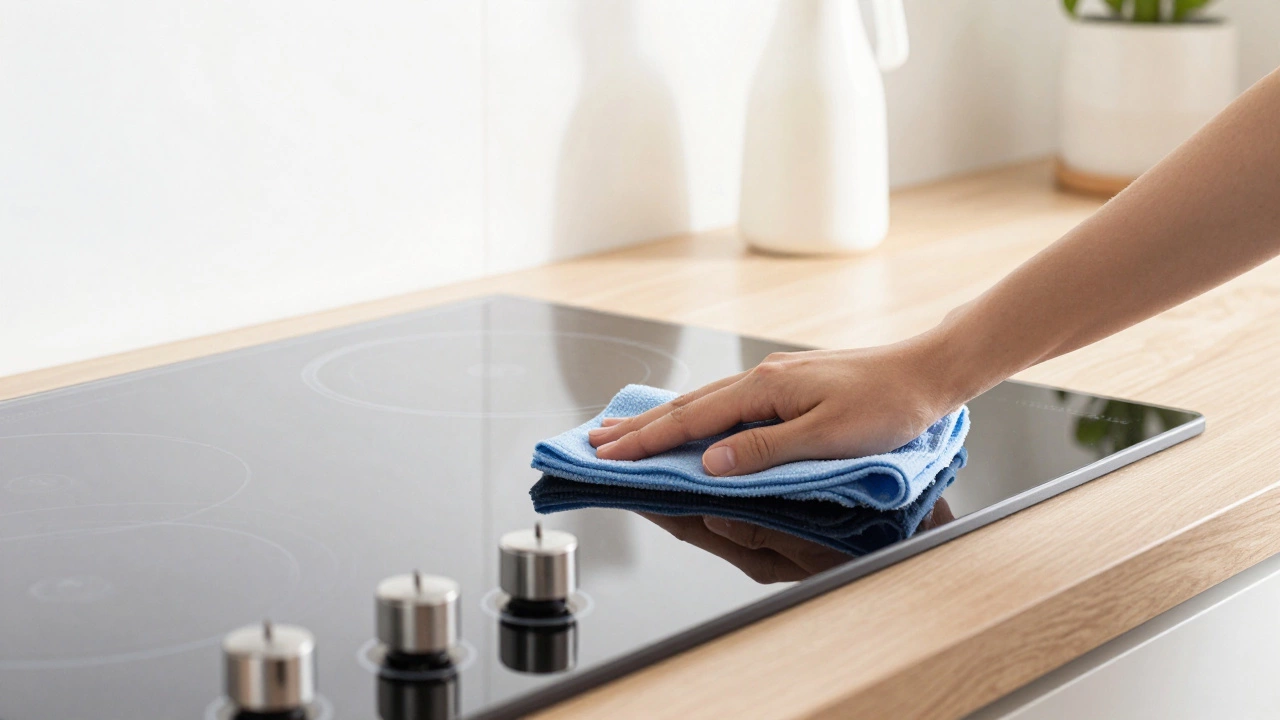
You can actually influence how long your appliance lasts. It's not all just luck. The biggest enemy of an electric stove is grime. When food spills bake onto the surface or seep into the controls, they create "hot spots" and can cause electrical shorts. Regular cleaning isn't just about hygiene; it's about mechanical preservation.
Avoid using harsh abrasive scrubbers on glass-top stoves. A deep scratch isn't just ugly; it's a structural weakness. Under the intense heat of a burner, a small crack can expand rapidly, leading to a shattered cooktop. Use a specialized cream cleaner and a microfiber cloth instead.
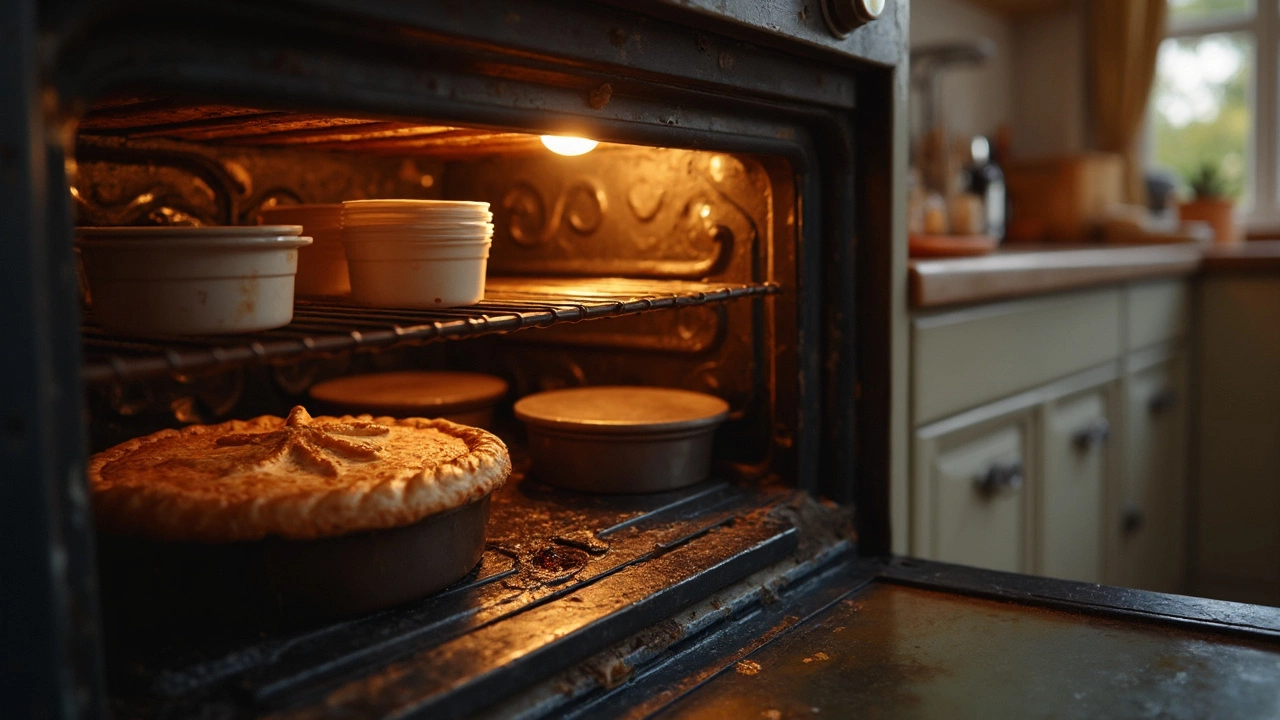
Also, be mindful of the Oven Gasket. This is the rubber or fiberglass seal around the oven door. If it's brittle or torn, heat escapes. This forces the oven to run the elements longer to maintain temperature, which wears them out faster. Replacing a gasket is a cheap, 10-minute job that can add years to your element's life.
Repair vs. Replace: The Decision Matrix
If you're staring at a broken stove, ask yourself these three questions. If you answer "yes" to two or more, buy a new one.
- Is the unit more than 12 years old?
- Is the main control board dead?
- Does the replacement cost exceed £200?
For example, if you have a 14-year-old stove and the bake element died, that's a cheap fix. Go ahead and repair it. But if that same 14-year-old stove has a cracked glass top and a failing timer, you're throwing good money after bad. The structural integrity of the chassis and the efficiency of the insulation degrade over time, meaning even with new parts, the stove won't perform like new.
Common Myths About Stove Longevity
You might hear people say that induction stoves don't last as long because they're "too fancy." That's not exactly true. While the electronics are more complex, induction stoves don't use traditional heating elements that burn out. Instead, they use electromagnetic fields. The failure point shifts from the heating coil to the circuit board. In terms of total years of service, they are roughly equal to radiant stoves.
Another myth is that "they don't make them like they used to." While old stoves were simpler and perhaps more rugged, they were incredibly inefficient. A stove from 30 years ago might still work, but it wastes a massive amount of energy. Modern Energy Star rated appliances are designed for a specific lifecycle that balances efficiency with durability.
Can I replace just the burners on an electric stove?
Yes, if you have a coil-top stove, the burners are designed to be replaced. You simply unplug the old element and plug in a new one. For radiant glass tops, the elements underneath can be replaced, though it requires taking the cooktop apart, which is a more involved job.
Why does my electric oven take so long to preheat?
This is usually a sign of a failing bake element or a faulty thermostat. If the element is partially burnt out, it can still produce heat but not enough to reach the target temperature quickly. It could also be a worn-out door seal allowing heat to leak out as fast as the oven produces it.
Is it safe to use a stove with a cracked glass top?
No, it is not safe. A crack can allow liquids or grease to seep down into the electrical components beneath the glass, which can cause short circuits or even electrical fires. You should either replace the glass or the entire unit immediately.
Does using the self-clean function shorten the stove's life?
Yes, potentially. The self-clean cycle heats the oven to extremely high temperatures (often over 800°F). This intense heat can stress the control boards, blow thermal fuses, or warp the oven cavity if used too frequently. Many technicians recommend cleaning manually to avoid this risk.
What is the most reliable brand for electric stoves?
Reliability varies by model, but brands that focus on simpler designs generally last longer. Higher-end European brands often have better build quality in the chassis, but the cost of repair is higher. For longevity, look for models with a reputation for available replacement parts.
Next Steps for Homeowners
If your stove is currently acting up, start with a visual inspection. Check the coils for any visible breaks or blistering. If the stove is completely dead, check your circuit breaker first-sometimes a "dead stove" is just a tripped switch in the electrical panel.
If you decide to repair, always use manufacturer-approved parts. Cheap, generic elements can sometimes have different wattage ratings, which can either undercook your food or put too much strain on your wiring. If you're replacing the unit, look into induction if you're tired of scrubbing burnt-on food; it's a game-changer for both cleaning and energy bills.