- 23 Feb 2026
- Gideon Thornton
- 0
If your shower has no hot water but every other tap in the house works fine, you’re not alone. This is one of the most common water heater problems people face - and it’s usually not as complicated as it seems. The issue isn’t your water heater failing completely. If it were, you’d have no hot water anywhere. Instead, something’s blocking or misdirecting the hot water just to your shower. Let’s walk through exactly what’s going on and how to fix it - no plumber needed in most cases.
The shower mixing valve is the usual culprit
Most modern showers use a mixing valve to blend hot and cold water. This valve controls the temperature and flow. Over time, especially in hard water areas like Bristol, mineral buildup can clog the internal components. When this happens, the valve might not allow enough hot water through - even though the heater itself is working fine.You’ll notice this most in the shower because it’s the only fixture with a mixing valve. Kitchen and bathroom taps often have simple aerators, not complex valves. So if your sink gets hot water but your shower doesn’t, the valve is the first place to look.
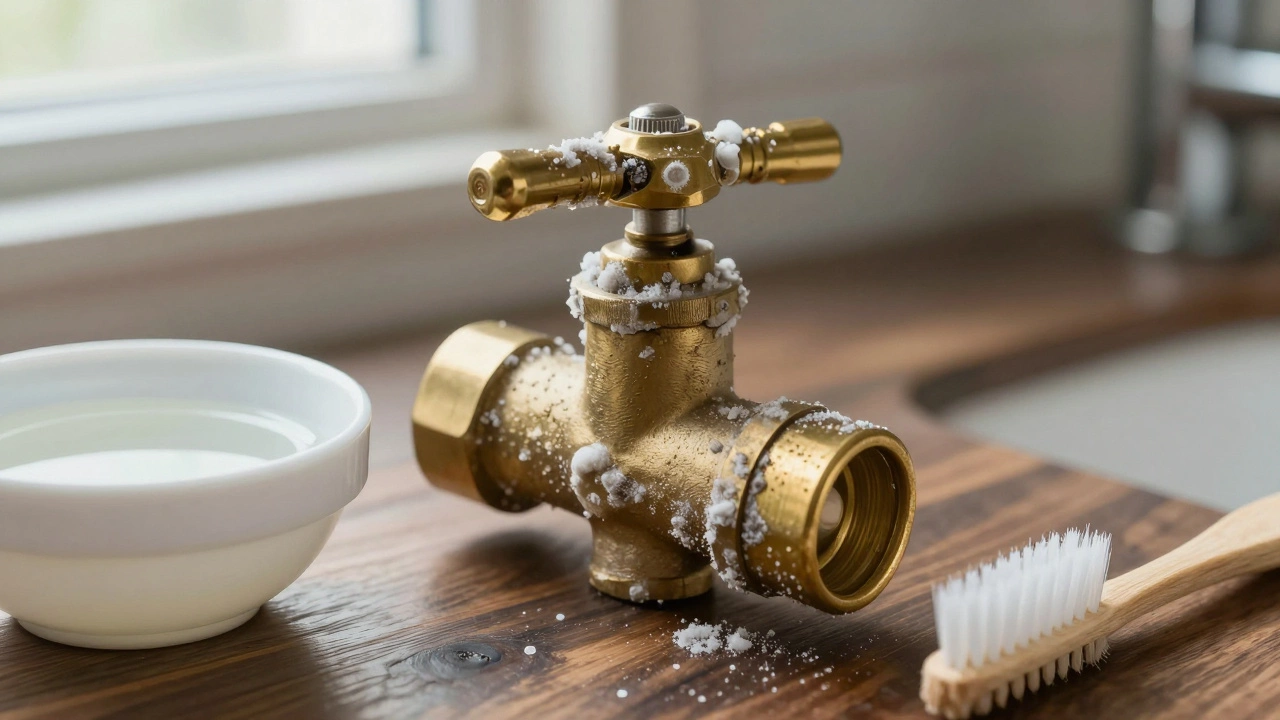
To check: Turn off the water supply to the shower. Remove the handle and trim plate. You’ll see a cartridge inside - it’s usually made of plastic or brass. If it’s covered in white, chalky residue, that’s limescale. Soak it in white vinegar for 30 minutes, then scrub gently with an old toothbrush. Reinstall it and test the shower. If hot water returns, you’ve solved it.
Is your shower head clogged?
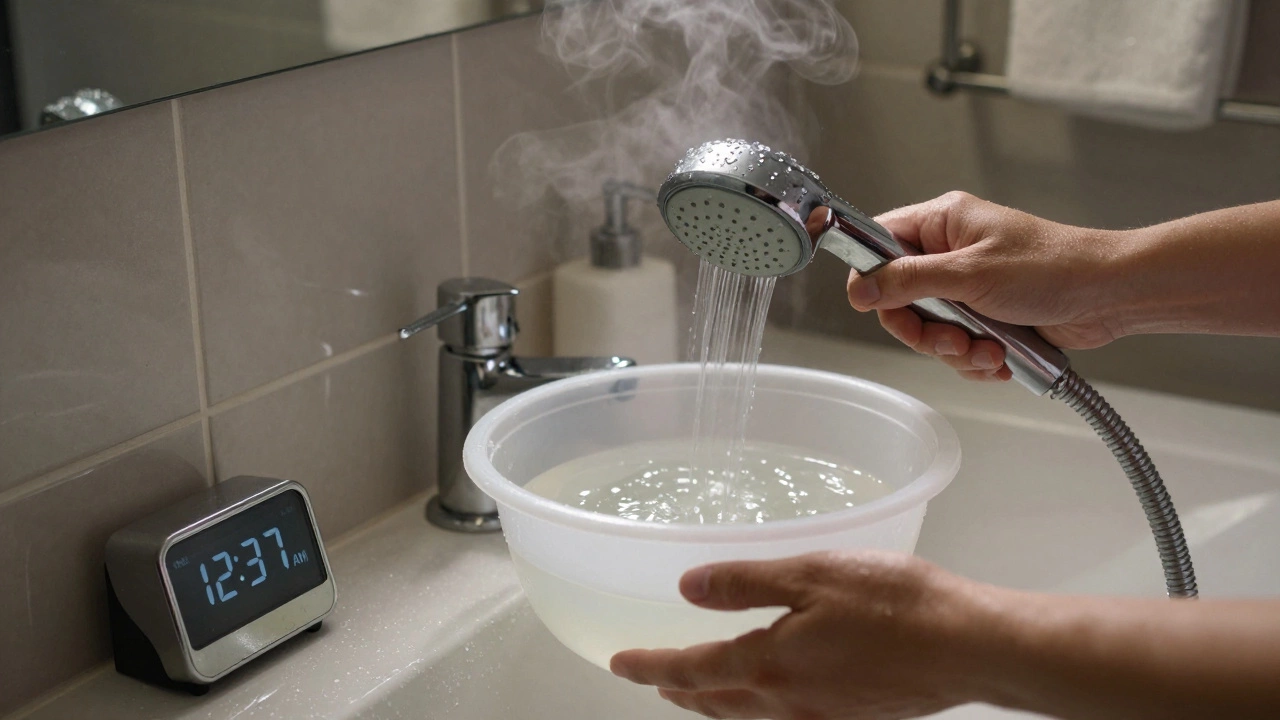
Sometimes the problem isn’t the valve - it’s the shower head. Mineral deposits can build up in the tiny holes, restricting flow. If the water comes out weak and lukewarm, even after running it for a few minutes, the shower head is likely blocked.Remove the shower head and soak it in a bowl of white vinegar overnight. Don’t just rinse it - soak it. The acid breaks down limescale better than scrubbing. In the morning, rinse it under running water and check if the spray pattern is even again. Reattach it. If the hot water comes back strong, you’re done. This fix works in over 60% of cases where hot water is limited to one fixture.
Check the anti-scald setting
Many newer showers have built-in anti-scald devices. These are safety features that limit maximum temperature to prevent burns. But sometimes they get stuck or misadjusted. If the temperature dial is set to full hot but you only get warm water, the anti-scald limiter might be the issue.Look for a small plastic or metal ring around the temperature knob. It’s usually hidden under the handle. Use a flathead screwdriver to gently pry it off. You’ll see a stopper inside - it’s designed to limit how far the knob can turn. Slide it to allow more hot water. Reassemble and test. If your shower suddenly gets hotter, this was the problem. Manufacturers set these conservatively, so adjusting it is safe and common.
Is the hot water line to the shower blocked?
Less common, but possible: the pipe leading directly to your shower might be partially blocked. This happens if a pipe was poorly installed, or if debris got trapped during plumbing work. If you’ve recently done renovations or had a plumber in, this is worth checking.Here’s how to test: Turn on the shower to hot. Go to the nearest hot water tap - usually the kitchen sink. Run that for 30 seconds. Then quickly switch off the kitchen tap and go back to the shower. If the shower starts to get hot right after, the hot water line is just slow to fill. This means there’s air trapped or a slight blockage. Bleed the line by opening the shower fully and letting it run for 5-10 minutes. If that doesn’t help, you may need a plumber to inspect the pipe.
What about the water heater?
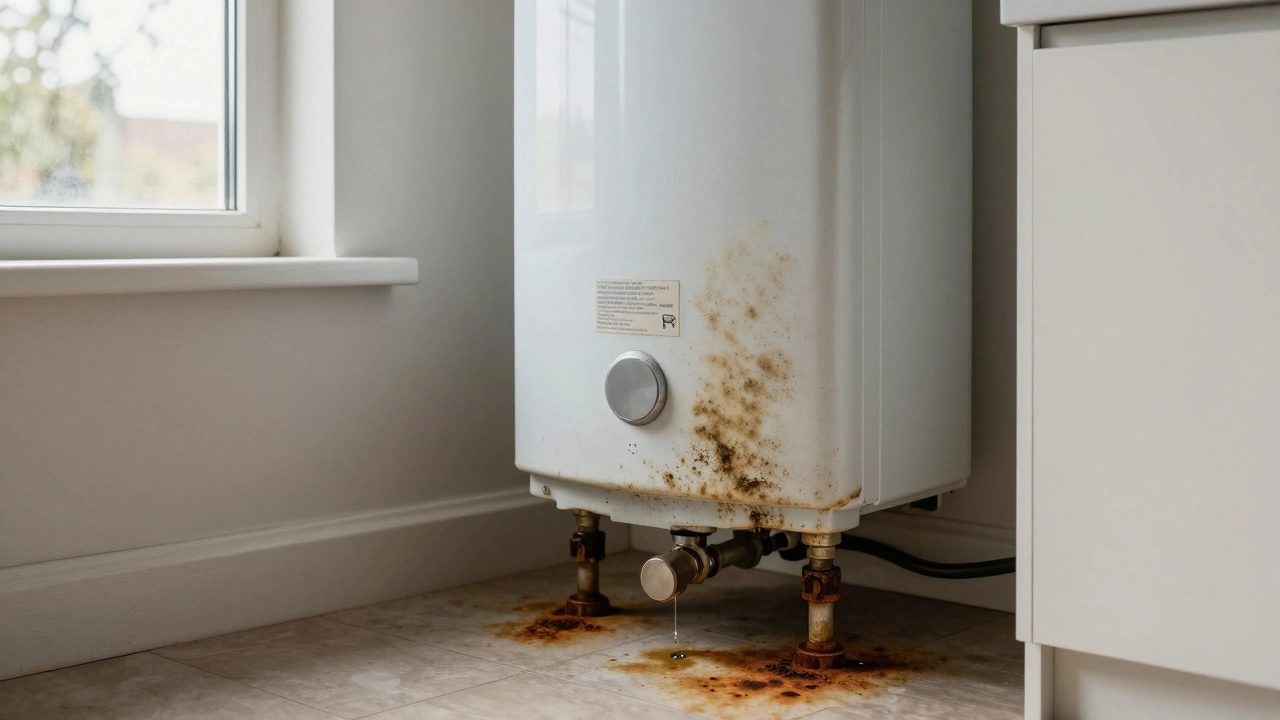
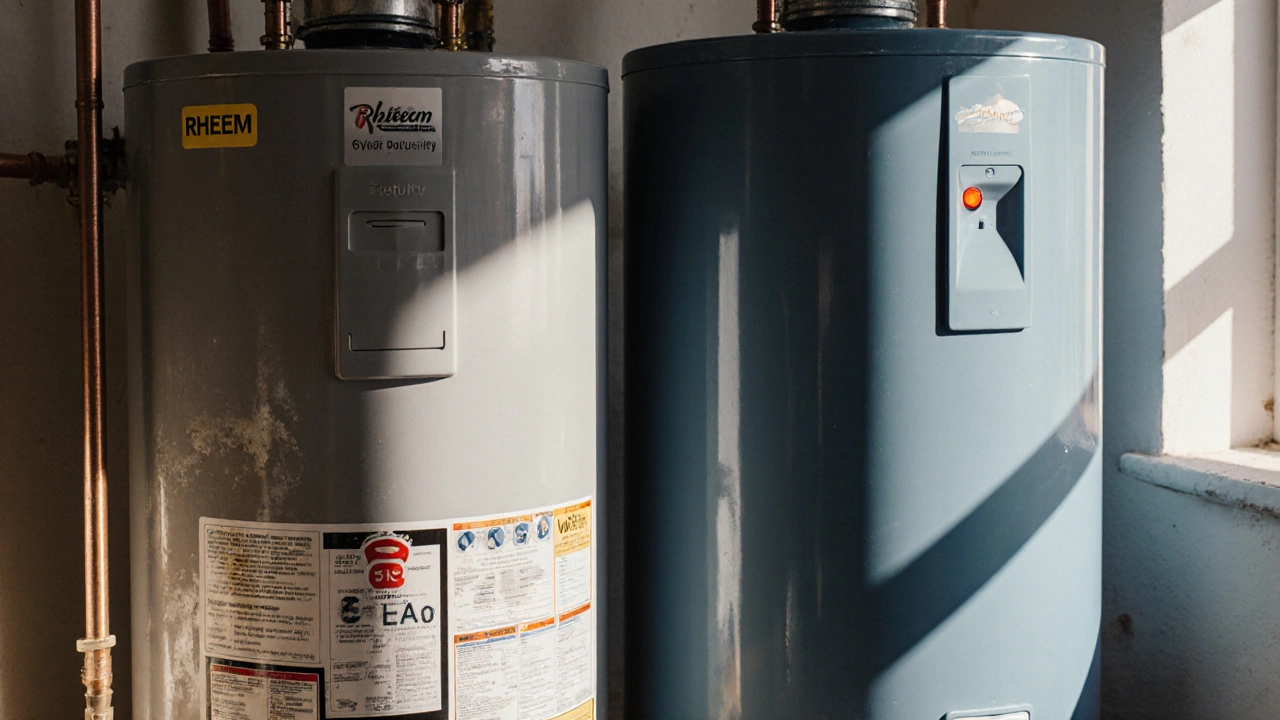
You said hot water works everywhere else. That means your water heater is functioning. But let’s double-check a few things anyway.If you have a tank-style heater (common in UK homes), the dip tube - the long pipe that sends cold water to the bottom of the tank - can crack or break. When it does, cold water gets mixed into the hot output before it even leaves the tank. This doesn’t affect all taps equally. Showers, which draw more water over time, show the problem faster than a quick sink tap.
Signs: lukewarm water after a few minutes of showering, inconsistent temperature, or a sudden drop in hot water volume. If you suspect this, call a professional. Replacing the dip tube requires draining the tank and is not a DIY fix.
If you have a combi boiler (common in UK homes), check the diverter valve. This valve directs water between heating your home and supplying hot water. If it’s sticking, it might not fully switch to shower mode. You’ll hear a clicking sound when you turn on the shower. If the boiler heats radiators fine but the shower stays cold, the diverter valve is likely faulty. This needs professional attention.
Temperature differences between fixtures
Hot water doesn’t always reach every tap at the same temperature. Distance matters. If your shower is far from the water heater, the pipe has time to cool down. Cold water sitting in the pipe can mix with hot water as it flows out. That’s why the first few seconds feel lukewarm.But if it stays lukewarm after 2-3 minutes, it’s not just distance. That’s a sign of reduced flow or a blockage. If your kitchen tap gets scalding hot in 10 seconds but the shower takes 5 minutes and still isn’t hot, something’s wrong.
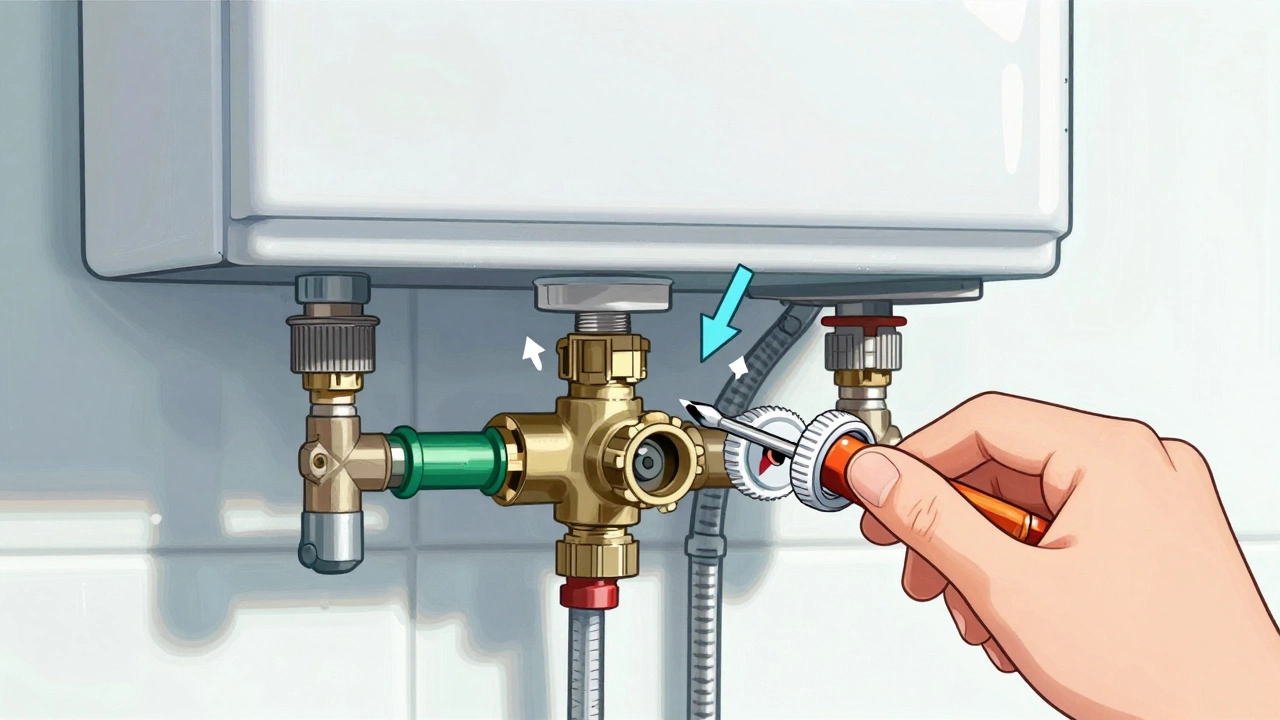
Quick checklist to fix it yourself
- Soak the shower head in vinegar overnight - 90% of cases are solved here
- Remove and clean the shower mixing valve cartridge - 75% of remaining cases
- Adjust the anti-scald limiter on the temperature knob - 20% of cases
- Bleed the hot water line by running the shower for 10 minutes - 15% of cases
- If none of the above work, check for a faulty diverter valve (combi boiler) or broken dip tube (tank heater) - call a professional
When to call a plumber
You don’t need to call one right away. But if you’ve tried all the steps above and still have no hot water in the shower, it’s time. A plumber can:- Inspect the diverter valve on combi boilers
- Replace a cracked dip tube in tank heaters
- Check for pipe blockages using pressure tests
- Install a new mixing valve if the old one is worn out
Most of these repairs cost between £150 and £300 in the UK. If your water heater is over 10 years old, consider replacing it. Older units are less efficient and more likely to fail in odd ways.
Prevent it from happening again
Hard water is the enemy. Bristol has moderately hard water, which means limescale builds up faster than in soft water areas. Install a shower filter - they cost under £30 and last 6 months. They trap minerals before they clog your valve or shower head.Also, flush your water heater once a year. Drain a few gallons from the bottom valve. This removes sediment that can damage internal parts. It takes 20 minutes and saves hundreds in repairs.
Most people think a broken water heater means no hot water anywhere. But that’s not true. Sometimes, only one fixture fails - and the fix is simple. Start with the shower head. Then the valve. Then the limiter. You’ll likely solve it before you even reach for the phone.