- 15 Jun 2026
- Gideon Thornton
- 0
Microwave Repair vs. Replace Calculator
Input Details
Enter details to see if you should repair or replace.
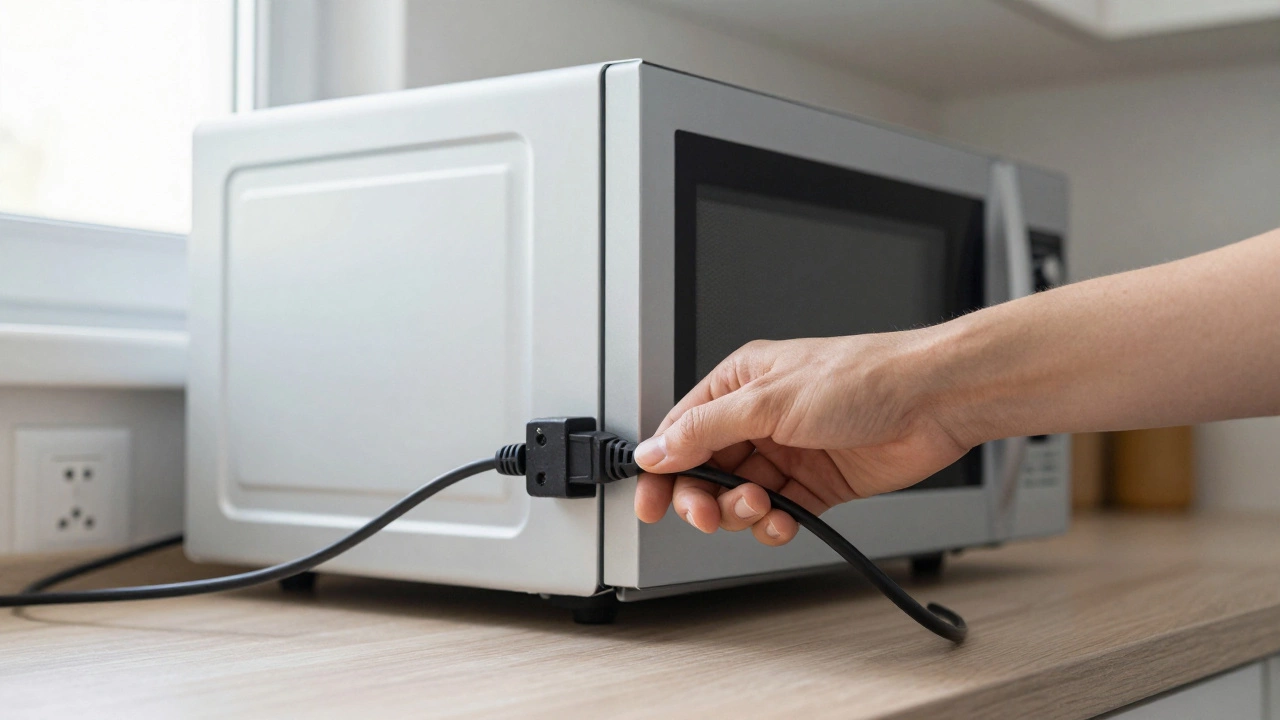
There is nothing more frustrating than pressing start on your lunch only to hear silence. No hum, no light, just a dead machine staring back at you. Before you throw money at a replacement unit or call an expensive technician, it helps to know exactly what you are dealing with. If the issue is a blown microwave fuse, the good news is that it is usually one of the cheapest repairs you can make. But there is a catch: fuses rarely blow for no reason.
Replacing the fuse itself might set you back less than £10 in parts, but if the underlying cause remains, that new fuse will pop again in seconds-or worse, cause a fire hazard. This guide breaks down the real costs, the hidden dangers, and whether you should attempt this fix yourself or hand over the tools to a pro.
The Real Cost Breakdown: Parts vs. Labor
When we talk about the cost of repairing a microwave fuse, we need to split the bill into two distinct buckets: the component and the labor. The numbers vary depending on where you live in the UK and who you hire, but here is a realistic snapshot for 2026.
| Cost Component | DIY Approach | Professional Repair |
|---|---|---|
| Fuse Part Only | £3 - £8 | Included in service fee |
| Call-Out Fee | £0 | £40 - £75 |
| Labor Hour Rate | £0 | £45 - £85 per hour |
| Total Estimated Cost | £3 - £10 | £85 - £160+ |
If you buy the fuse from a generic electronics supplier or even a large hardware store like B&Q or Screwfix, the part itself is dirt cheap. However, hiring a certified appliance repair engineer changes the equation entirely. Most technicians charge a minimum call-out fee just to visit your home. Once they are there, they spend time diagnosing the issue, safely discharging the high-voltage capacitor, and replacing the component. That convenience comes at a premium.
Why Did the Fuse Blow? The Hidden Culprits
A fuse is a safety device designed to break the circuit when too much current flows through it. Think of it as a sacrificial lamb. If your microwave fuse has blown, something forced excessive electricity through the system. Simply swapping the fuse without finding the root cause is like putting a band-aid on a bullet wound. Here are the three most common reasons microwaves trip their fuses.
- Magnetron Failure: The magnetron is the heart of the microwave, generating the waves that heat your food. If it develops a short circuit, it draws massive amounts of power, instantly blowing the primary fuse. Magnetrons typically last 5-10 years. If yours is older, this is a likely suspect.
- High-Voltage Diode Short: Working alongside the magnetron, the diode converts low voltage to high voltage. When these ceramic components crack or fail internally, they create a direct path for current, tripping the fuse immediately upon startup.
- User Error (Metal Inside): Did you accidentally leave a fork in there? Or perhaps a takeout container with metallic trim? Metal causes arcing inside the cavity. These sparks can damage the waveguide cover or the interior walls, leading to a short circuit that blows the fuse.
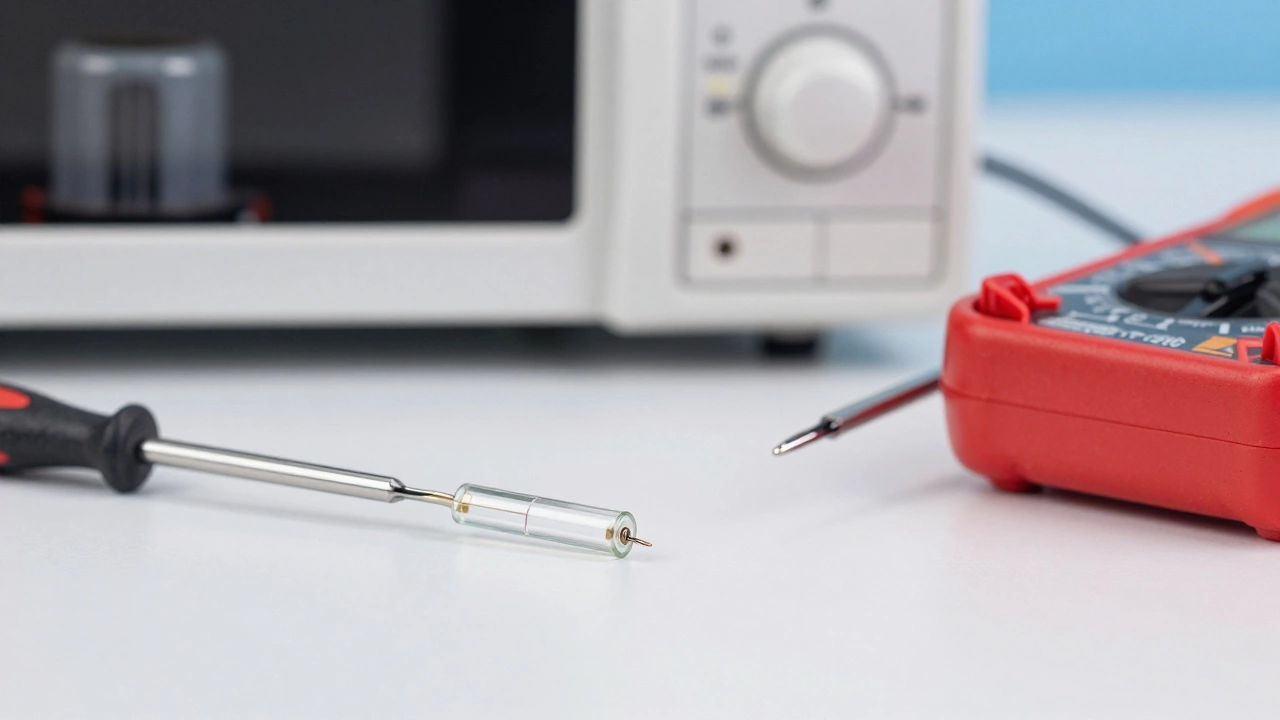
If you replace the fuse and ignore a failing magnetron, you risk damaging the control board or creating a shock hazard. A professional technician will test the magnetron and diode with a multimeter before installing the new fuse. This diagnostic step is crucial and adds value beyond just swapping parts.
DIY Warning: High Voltage Is No Joke
I cannot stress this enough: microwaves contain lethal voltages. Even when unplugged, the high-voltage capacitor stores enough energy to kill you. Unlike a toaster or a lamp, a microwave is not safe to open casually. The capacitor can hold a charge of up to 4,000 volts long after you’ve pulled the plug from the wall.
If you are considering a DIY repair, you must understand the risks. You need to safely discharge the capacitor using a insulated screwdriver or a dedicated discharge tool. One slip, one spark, and you could suffer severe burns or cardiac arrest. Additionally, improper reassembly can lead to microwave radiation leakage, which is harmful to your health over time.
For most people in Bristol or anywhere else in the UK, the risk does not outweigh the savings. Saving £80 on labor by risking your life or voiding your insurance isn’t a smart trade-off. However, if you are experienced with electronics and have the proper safety gear, ensure you follow strict discharge protocols found in manufacturer service manuals.
Repair vs. Replace: Making the Financial Sense
Before you book a repair, do the math. New budget microwaves can be purchased for under £50 from retailers like Argos or Amazon. Mid-range models with sensor cooking and grill functions sit between £80 and £150. If your repair quote exceeds £100, you are entering the territory where buying new makes financial sense.
Consider the age of your appliance. If your microwave is more than seven years old, its efficiency is likely declining, and other components may fail soon. Investing £120 in a repair for a ten-year-old machine is rarely wise. On the other hand, if you have a high-end built-in microwave worth £400+, repairing a blown fuse is a no-brainer. It preserves the investment and keeps your kitchen aesthetics intact.
- Buy New If: The repair cost is >50% of a new model’s price, the unit is over 7 years old, or the exterior is damaged.
- Repair If: The unit is under warranty, it is a premium/built-in model, or the diagnosis confirms only a simple fuse/diode issue.
Preventing Future Fuse Blows
Once your microwave is back up and running, how do you keep it that way? Prevention is cheaper than cure. Start by inspecting the interior regularly. Look for chipped enamel or burnt spots on the ceiling and walls. These imperfections can cause arcing. Clean spills immediately, especially sugary ones like tomato sauce or cheese, which can carbonize and become conductive.
Never run the microwave empty. Without food to absorb the energy, the microwaves reflect back into the magnetron, overheating it and potentially causing failure. Also, check your door seals. A warped or dirty seal allows energy to escape, forcing the magnetron to work harder and draw more current. Keep the hinges clean and ensure the door closes firmly every time.
Finally, avoid using metal utensils, aluminum foil, or containers with metallic rims. While some modern microwaves claim to be "foil-safe," it is a risky game. Stick to glass, ceramic, and microwave-safe plastics. If you see sparks, stop the machine immediately and unplug it. Those sparks are warning signs of impending fuse failure.
Finding a Reliable Technician in the UK
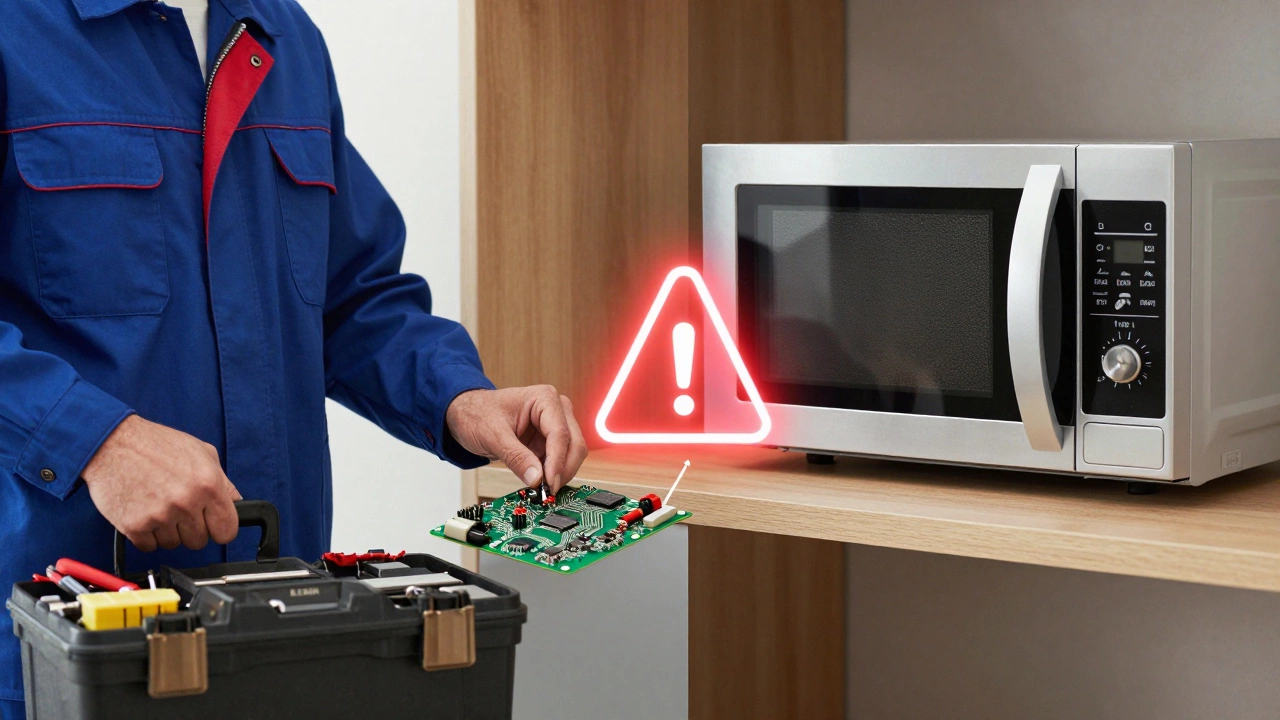
If you decide to hire a pro, look for engineers registered with trusted bodies like Checkatrade, TrustMark, or the Institute of Electrical Engineers (IEE). Unqualified handymen often lack the specific training to handle high-voltage appliances safely. Ask if they offer a guarantee on both parts and labor. A reputable company will stand behind their work for at least 90 days. In cities like Bristol, London, or Manchester, competition is high, so don’t hesitate to get quotes from two or three different services before committing.
Can I reset a microwave fuse?
No, you cannot reset a blown fuse. Fuses are designed to melt and break the circuit permanently when overloaded. Once blown, the internal wire is severed. You must physically remove the old fuse and install a new one with the exact same amperage and voltage rating specified by the manufacturer.
What happens if I put a higher-rated fuse in my microwave?
This is extremely dangerous. Using a fuse with a higher amperage rating removes the safety protection. If a component shorts out, the higher-rated fuse won't blow quickly enough, allowing excessive current to flow. This can melt wiring, destroy the control board, or start an electrical fire inside the cabinet. Always use the exact specification recommended by the manufacturer.
How do I know if my microwave fuse is blown?
The most obvious sign is that the microwave does not turn on at all-no lights, no display, no sound. You might also smell a burning odor or see scorch marks near the ventilation slots. Visually, if you can access the fuse (usually behind the rear panel), a blown fuse will show a broken wire inside the glass tube or blackened ends. However, visual inspection alone isn't always reliable; a multimeter continuity test is the definitive method.
Is it worth repairing a 10-year-old microwave?
Generally, no. A 10-year-old microwave has reached the end of its typical lifespan. Other components like the turntable motor, switches, or magnetron are likely to fail soon. Unless it is a high-end built-in model, spending over £50 on repairs is usually not cost-effective compared to buying a new, more efficient unit.
Where is the fuse located in a microwave?
In most countertop microwaves, the main thermal fuse is located near the top rear of the chassis, close to the power cord entry point. It is often held in place by a plastic clip or screws. Some models also have a secondary thermal cut-off switch attached directly to the magnetron housing. Accessing these requires removing the outer casing, which involves handling high-voltage components.