
- 19 Jul 2026
- Gideon Thornton
- 0
Emergency Heating Cost & Safety Calculator
Your Situation
Oil-Filled Radiator
1.5kW • Silent • Retains Heat
Total Cost
Uses ~0 kWh total
Ceramic Fan Heater
2.0kW • Fast Heat • Noisy
Total Cost
Uses ~0 kWh total
Alternative: Hotel Stay
For 0 nights
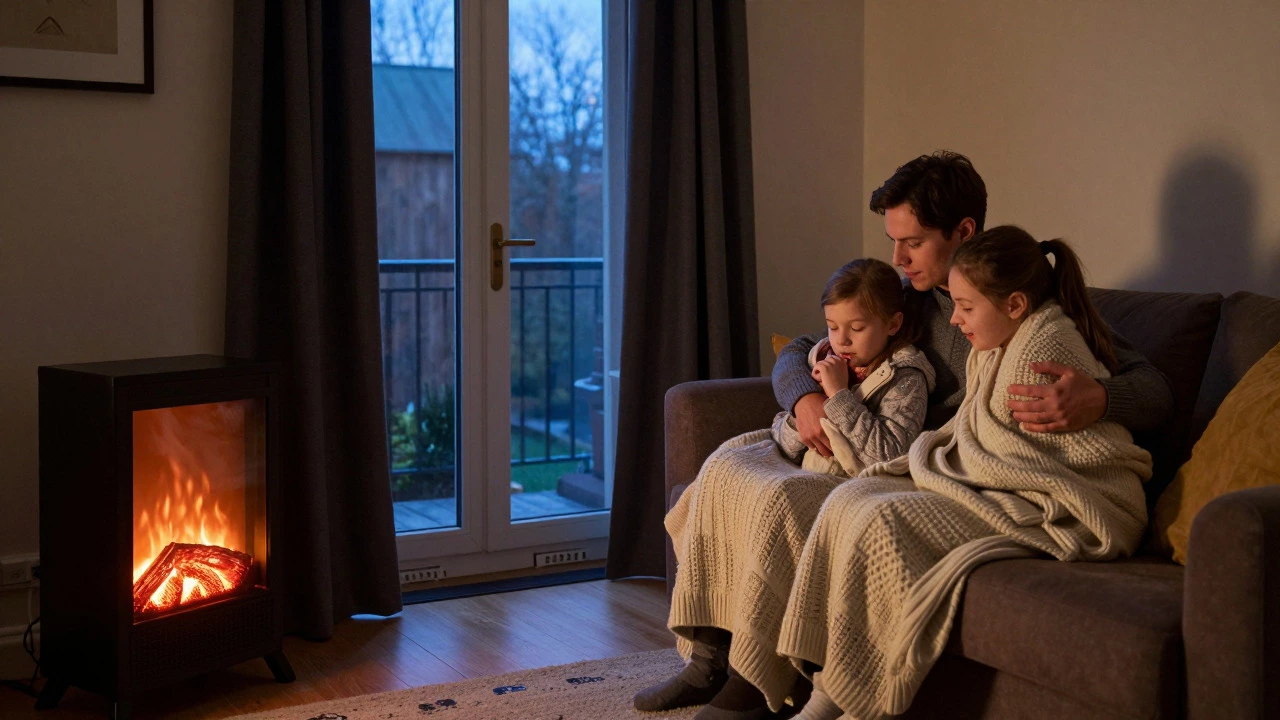
Your boiler has just stopped working. The radiators are cold, the tap water is lukewarm, and outside, the temperature is dropping fast. It’s not even winter yet-just a chilly evening in Bristol-but you know how quickly it can turn bitter. You’re shivering, your kids are complaining, and you’re wondering: how do I actually keep this house warm until a repair engineer arrives?
This isn’t just about comfort. For elderly residents, infants, or anyone with health conditions, a sudden loss of central heating can become a medical risk within hours. The good news? You don’t have to sit in the dark and freeze. There are safe, effective ways to generate heat temporarily while you wait for professional help.
Quick Summary / Key Takeaways
- Immediate action: Turn off the broken boiler to prevent gas leaks or electrical faults before using any alternative heat source.
- Safest option: Use electric space heaters (oil-filled radiators or ceramic fan heaters) in well-ventilated rooms, keeping them away from flammable materials.
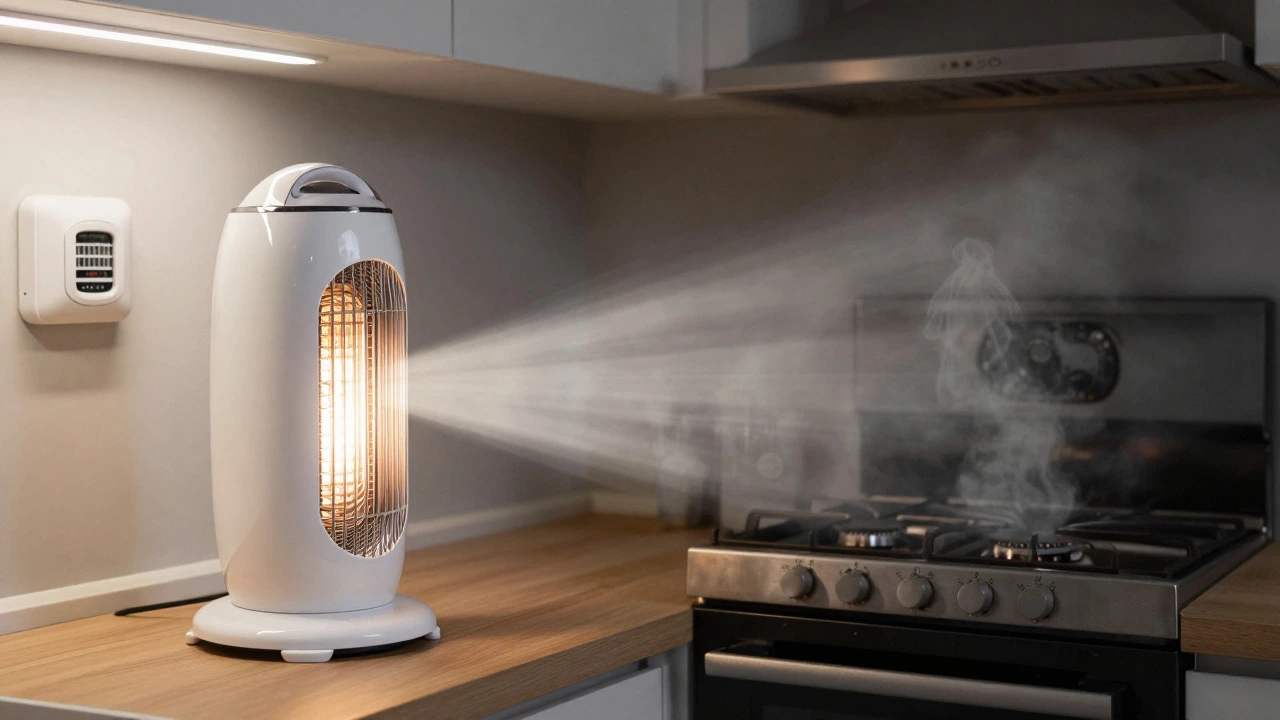
- Avoid dangerous methods: Never use gas cookers, ovens, or unflued paraffin heaters as primary heat sources due to carbon monoxide risks.
- Insulate strategically: Close curtains at night, seal drafts under doors, and focus heating on one small room rather than trying to warm the whole house.
- Know when to call: If you smell gas, hear hissing, or see soot around the boiler, evacuate immediately and call the National Gas Emergency Service on 0800 111 999.
Step-by-Step: What to Do Right After Your Boiler Breaks Down
Before you start hunting for heat, you need to secure the situation. A broken boiler isn’t always just inconvenient-it can be hazardous. Here’s what to do first:
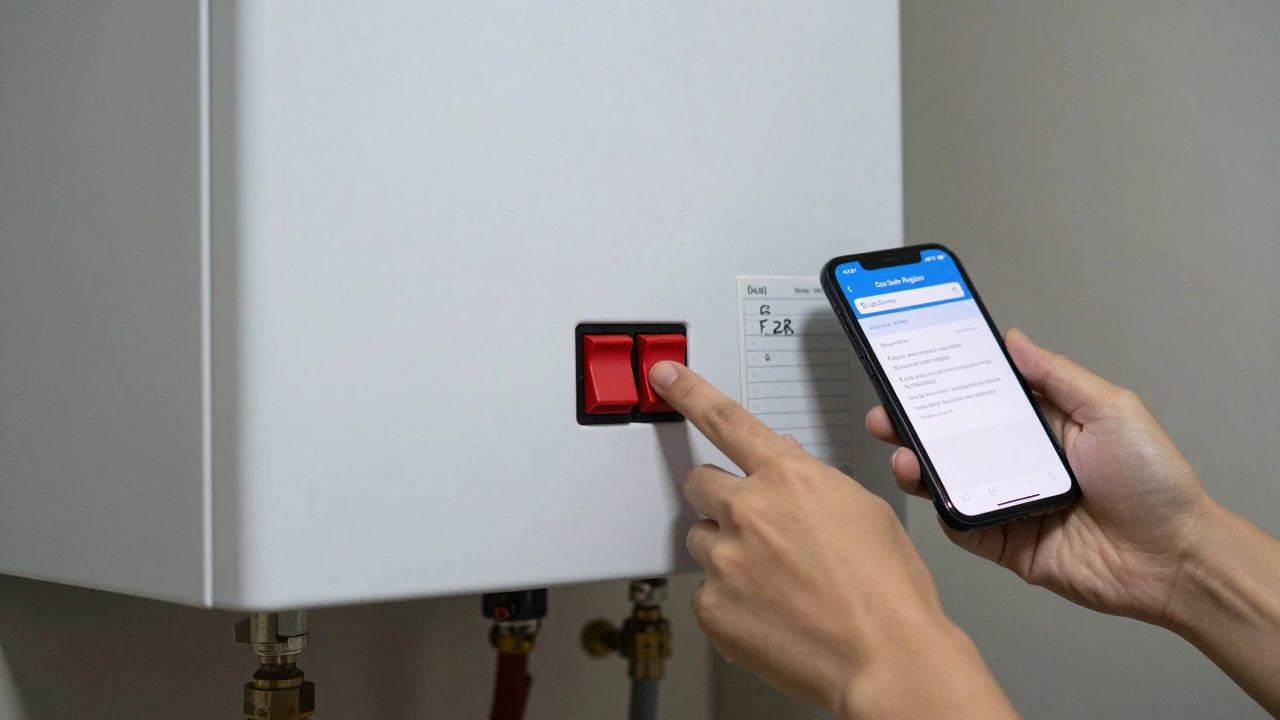
- Turn off the power supply. Locate the isolator switch near your boiler (usually a double-pole switch with a red rocker) and flip it off. This cuts electricity to the unit and prevents potential short circuits if the issue is electrical.
- Check for gas leaks. Sniff around the boiler area. If you detect the distinct rotten-egg smell of added mercaptan (a gas odorant), open windows immediately, avoid switching lights on or off, and get everyone out of the house. Call the National Gas Emergency Service on 0800 111 999 from outside.
- Look for error codes. Most modern condensing boilers display fault codes on their digital screens. Write these down-they’ll help the engineer diagnose the problem faster. Common codes include F.28 (ignition failure) or F.75 (overheat lockout).
- Call a Gas Safe registered engineer. Only engineers listed on the Gas Safe Register are legally allowed to work on gas boilers in the UK. You can verify registration at gasesafe-register.co.uk. Expect wait times of 24-72 hours depending on local demand.
Once the immediate dangers are ruled out, you can begin planning your temporary heating strategy.
The Safest Temporary Heating Options
Not all heat sources are created equal. Some are efficient, others are deadly traps disguised as convenience. Let’s break down what actually works-and what doesn’t.
Electric Space Heaters: The Gold Standard for Emergencies
Electric space heaters are the most reliable and safest way to generate heat when your central system fails. They plug directly into standard wall sockets and require no ventilation because they produce zero combustion byproducts.
There are three main types you should consider:
- Oil-filled radiators: These contain thermal oil that heats up slowly but retains warmth long after being switched off. They’re quiet, don’t dry out the air, and stay cool enough to touch briefly. Ideal for bedrooms or living areas where people spend extended periods.
- Ceramic fan heaters: These blow hot air rapidly using a small internal fan. They heat up a room in minutes but consume more electricity and create noise. Best for quick bursts of warmth in kitchens or bathrooms during morning routines.
- Hallway panel heaters: Slim, wall-mounted units that provide steady background heat. Less common in homes but excellent for corridors where you want consistent low-level warmth without taking up floor space.
To maximize efficiency, choose a heater rated between 1kW and 2kW. Anything higher may trip your circuit breaker, especially if other appliances are running. Place the heater in the center of the smallest occupied room, at least one meter away from curtains, furniture, or bedding.
Portable Electric Radiators vs. Fan Heaters: Which Is Better?
| Feature | Oil-Filled Radiator | Ceramic Fan Heater |
|---|---|---|
| Heating Speed | Slow (15-30 mins) | Fast (2-5 mins) |
| Noise Level | Silent | Low hum (~40 dB) |
| Energy Efficiency | High (retains heat) | Moderate (continuous draw) |
| Safety Rating | Excellent (cool-touch casing) | Good (auto-shutoff features) |
| Best Use Case | All-night bedroom heating | Quick kitchen/bathroom warming |
What NOT to Use as Emergency Heat
In desperation, people often resort to dangerous shortcuts. Avoid these at all costs:
- Gas cookers or ovens: Leaving your oven door open to heat the kitchen sounds clever until you realize you’re burning through expensive gas while filling your home with carbon monoxide. Modern ovens aren’t designed for continuous operation and can overheat internal components.
- Unflued paraffin or kerosene heaters: While popular in some countries, these release moisture and pollutants into indoor air. In poorly ventilated UK homes, they increase humidity levels significantly, leading to mold growth within days.
- Candles or fireplaces without chimneys: A single candle produces negligible heat. Open fires without proper flues send smoke back into the room, irritating lungs and staining walls.
- Car engines idling inside garages connected to houses: Carbon monoxide seeps through cracks in foundations and kills silently. This method has caused numerous fatalities across Europe despite its apparent logic.
If you must use a fuel-burning appliance, ensure it’s specifically designed for indoor use with direct venting to the outside. Otherwise, stick to electricity.
Strategic Insulation: Keeping Warm Without Generating More Heat
Generating heat is only half the battle. Retaining it matters just as much. Here’s how to minimize heat loss while your boiler is down:
- Close heavy curtains at dusk. Double-glazed windows still lose heat through conduction. Thick blackout curtains add an extra layer of insulation, reducing heat loss by up to 25% according to Energy Saving Trust data.
- Seal gaps under doors. Draft excluders made from foam or fabric cost less than £5 online and stop cold air sneaking underneath exterior doors. Roll-up versions store easily when not needed.
- Use rugs on hard floors. Tiles and wood conduct heat away from your feet faster than carpet. Adding thick rugs creates a barrier that makes barefoot walking tolerable again.
- Focus on one room. Instead of spreading limited heating capacity across multiple spaces, concentrate efforts in a single bedroom or living area. Move sleeping arrangements accordingly.
- Wear layers indoors. Thermal underwear, wool socks, and fleece jackets trap body heat effectively. Cotton absorbs sweat and cools you down; synthetic fabrics wick moisture better.
These measures cost little but make a noticeable difference in perceived temperature. Combine them with targeted electric heating, and you’ll survive comfortably until repairs are complete.
When to Evacuate Immediately
Some signs indicate serious danger beyond mere inconvenience. Leave the property right away if you notice:
- A strong smell of gas resembling rotten eggs
- Visible flames or sparks coming from the boiler casing
- Excessive condensation forming on nearby windows shortly after turning on the boiler
- Dizziness, nausea, or headaches among household members
- Soot stains around the boiler flue pipe
Carbon monoxide (CO) is odorless, colorless, and lethal. Install CO alarms near sleeping areas if you haven’t already. Replace batteries annually and test monthly. They save lives.
Long-Term Prevention: Avoiding Future Boiler Failures
While dealing with today’s crisis, think ahead. Regular maintenance reduces breakdown frequency dramatically. Schedule annual servicing with a Gas Safe engineer. During visits, request checks on:
- Heat exchanger condition
- Flue integrity
- Pressure valve functionality
- Pump lubrication
- Condensate drain clearance
Consider upgrading to a high-efficiency condensing boiler if yours is over ten years old. New models convert up to 92% of fuel into usable heat compared to older non-condensing units at around 60%. The savings pay for themselves within five years typically.
Frequently Asked Questions
Can I use my gas cooker to heat the house?
Technically yes, but practically no. Gas cookers burn fuel inefficiently for heating purposes and release carbon monoxide into enclosed spaces. Unless your kitchen has powerful extraction fans and large open windows, avoid this method. Stick to electric alternatives instead.
How long can I safely run an electric space heater?
Most quality electric heaters feature automatic overheating protection and can run continuously for several hours. However, limit usage to 8-10 hours daily to prevent excessive electricity bills. Always place heaters on flat surfaces away from tripping hazards and never leave them unattended overnight unless equipped with certified timers.
Is it cheaper to hire a hotel room than buy new heaters?
Usually not. Budget hotels charge £60-£100 per night minimum. Purchasing two basic oil-filled radiators costs roughly £80 total. Even factoring in increased electricity usage (£0.30/kWh average), staying home remains far more economical for stays under a week.
Will insulating my home reduce the need for extra heating?
Absolutely. Simple actions like closing curtains, sealing door gaps, and wearing layered clothing cut perceived chill significantly. Combined with localized electric heating, these steps allow you to maintain comfortable temperatures in key rooms without powering entire-house systems.
What should I tell the repair engineer about my temporary setup?
Inform them exactly which error code appeared, whether you turned off the main power, and any unusual smells or noises heard before failure. Mention also if you’ve used alternative heating methods recently-some technicians check residual heat patterns to identify underlying issues like blocked condensate pipes.