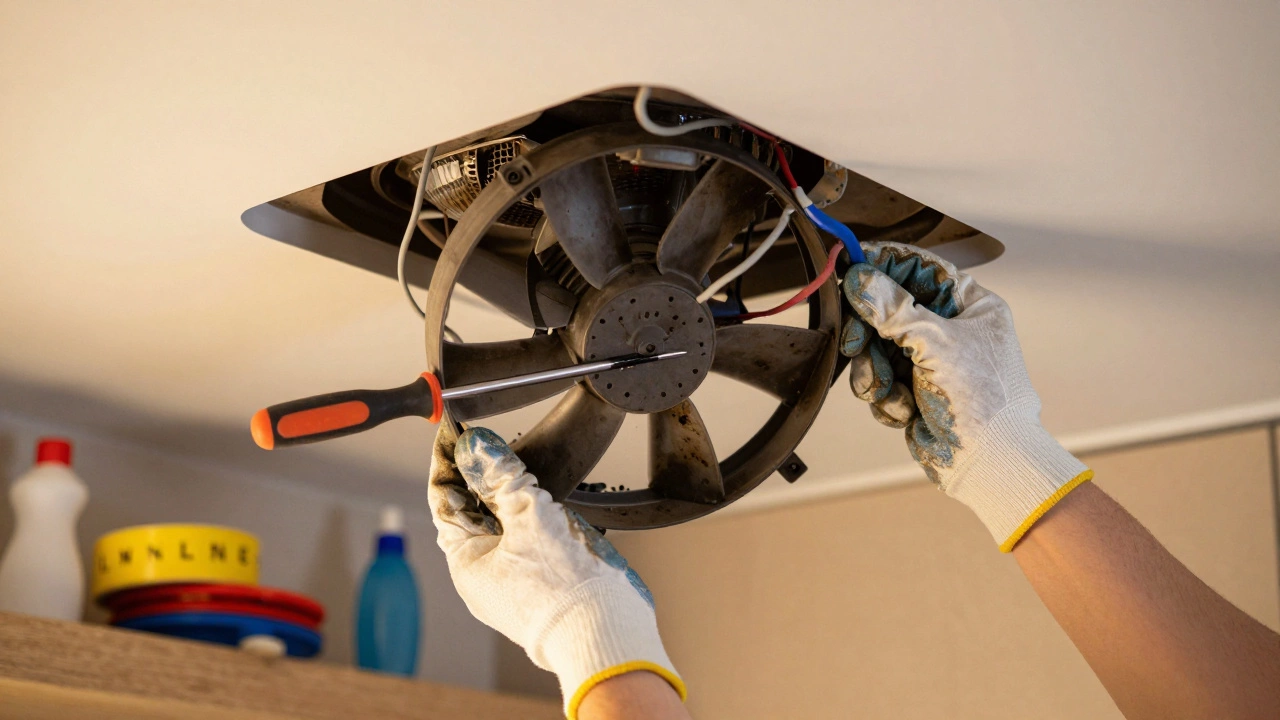
Servicing an extractor fan is simple and saves money. Clean the blades, check the duct, and replace filters regularly to keep it running quietly and efficiently. Most failures are due to grease buildup-not broken parts.

If your kitchen or bathroom fan sounds weak, smells greasy, or makes a rattling noise, it’s probably time to clean it. A dirty fan costs you energy and can even become a fire risk, but you don’t need a specialist to get it back to work. Grab a screwdriver and a few basic supplies and you’ll have a cleaner fan in less than an hour.
Most experts say a fan should be cleaned every 3–6 months, but you can use the following signs to decide:
If any of these show up, roll up your sleeves and start the cleaning process.
1. Shut the power off. Safety first – flip the light switch or pull the fuse for that outlet. You don’t want a surprise shock while you’re reaching inside.
2. Remove the fan cover. Most covers are fastened with a couple of screws or clips. Keep the screws in a small dish so they don’t get lost.
3. Soak the cover. Fill a basin with hot, soapy water and let the cover sit for 10‑15 minutes. This loosens baked‑on grease.
4. Clean the blades. Use a soft brush or an old toothbrush to scrub away grime from each blade. If the fan is especially oily, a little kitchen degreaser works well – just spray, wait a few seconds, then wipe.
5. Vacuum the interior. A handheld vacuum or a brush attachment removes dust and loose particles from the motor housing. Be gentle around wiring.
6. Rinse and dry. Rinse the cover under running water, shake off excess, and dry with a clean cloth. Let everything air‑dry for a few minutes before re‑assembly.
7. Re‑assemble and test. Put the cover back, tighten the screws, restore power, and switch the fan on. You should notice stronger airflow and a quieter run.
That’s it – a clean fan runs more efficiently, uses less electricity, and lasts longer.
Some jobs are best left to a qualified electrician or ventilation specialist:
Trying to repair electrical parts without proper training can be dangerous. A professional will diagnose the issue safely and get your fan back in shape.
Regular cleaning keeps the air moving, stops mould from building up, and saves you money on energy bills. Set a reminder in your phone for every six months, or clean whenever you notice the signs above. With a few simple steps, you’ll keep your extractor fan humming along and your home smelling fresh.
Servicing an extractor fan is simple and saves money. Clean the blades, check the duct, and replace filters regularly to keep it running quietly and efficiently. Most failures are due to grease buildup-not broken parts.

This article walks you through the steps to properly service a bathroom extractor fan. From simple cleaning tips to checking for common faults, it covers what you need to keep your fan running efficiently and quietly. Learn how to spot signs of wear and avoid costly replacements. Get practical advice on tools, safety, and maintenance routines. Handy for DIYers and anyone tired of moldy, damp bathrooms.